Boating New Zealand Boat Reviews
Reviews
Boating New Zealand News
News
Boating New Zealand Sports
Sport
Boating New Zealand Lifestyle
Lifestyle
advertise
Boating New Zealand Boat Reviews
Reviews
Boating New Zealand News
News
Boating New Zealand Sports
Sport
Boating New Zealand Lifestyle
Lifestyle
BOAT-REVIEWS-MOBILE
Boat Reviews
BOAT-NEWS-MOBILE
News
BOAT-SPORTS-MOBILE
Sports
BOAT-LIFESTYLE-MOBILE
Lifestyle
HomeMagazineFeaturesReverse docking

Reverse docking

This time: a cheat for when you are struggling to come alongside a dock bow-first because it’s a tight space and the wind is blowing you away.

This technique works with any vessel with outdrives, outboards or twin engines.

- Advertisement, article continues below -

1. Prepare fenders and mooring lines. Ensure you or your crew knows how to lasso a cleat (to be covered in another article) and is fully briefed
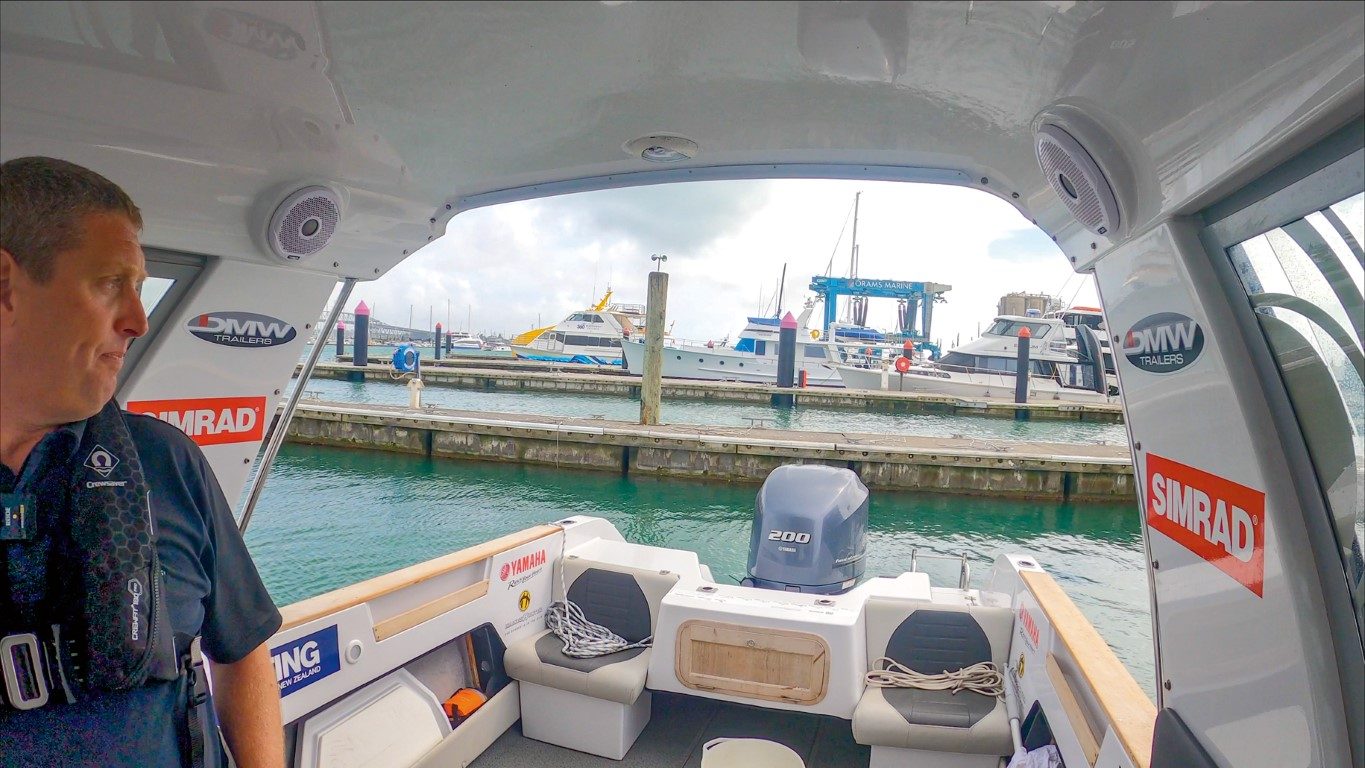
2. Get the wind at six o’clock to the vessel (directly astern)

3. Idle towards the desired cleat in reverse whilst keeping the wind as close to six o’clock as possible

4&5. Keep your speed under control by using neutral as often as possible. Better too slow than too fast, because if your leg or outboard contact the dock they are susceptible to damage
- Advertisement, article continues below -
Tauranga Boat Sales
Caribbean 420 Express (2015)
775000
2015 | 14.36 m | 2015 Caribbean 420 Express — 14.36m luxury sports fisher, twin 500hp Cummins diesels, 775hrs, 30kt top speed, 2-cabin, teak throughout. Offshore-ready and immaculately presented in Tauranga. NZD $775,000.

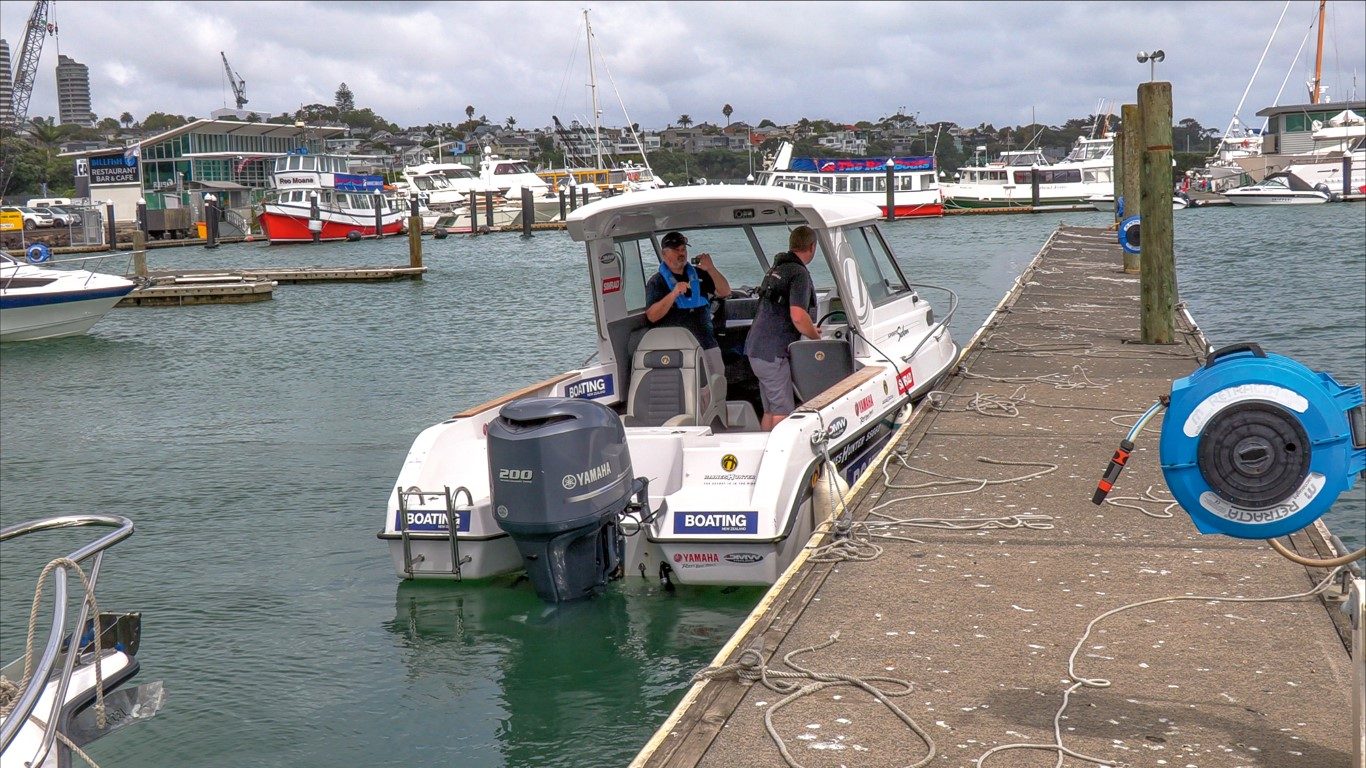
6&7. Have your crew lasso the cleat or pick up the dock line and secure it to the aft cleat closest to the dock. Use a minimum of three figure of eights, and a little slack in the line is required to pivot on
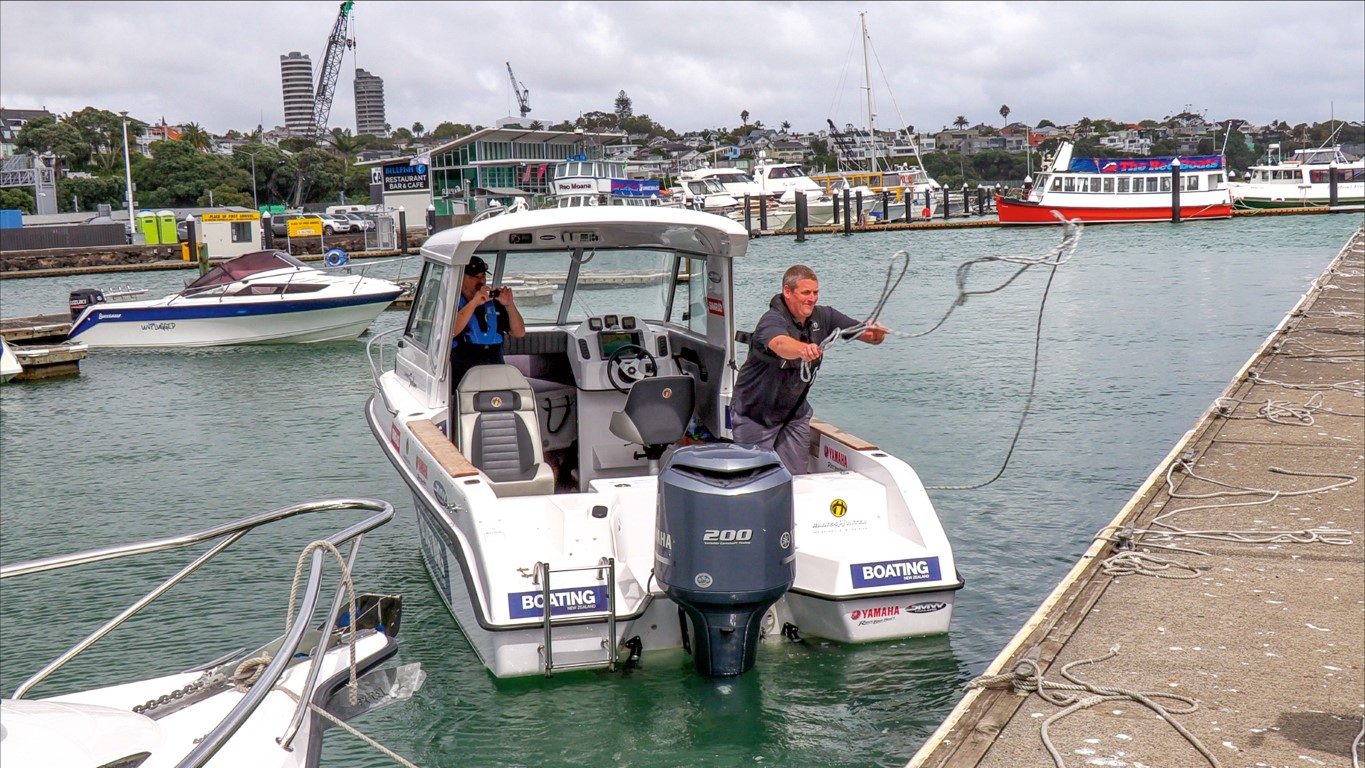

8. NEVER engage gear while your crew is working the cleat. Have them show you both their hands are clear before engaging forward gear.

9. The helm should be in the midships (straight) position or else turned slightly towards the dock. Repeatedly shift between forwards and neutral to control the vessel’s closing rate with the dock.
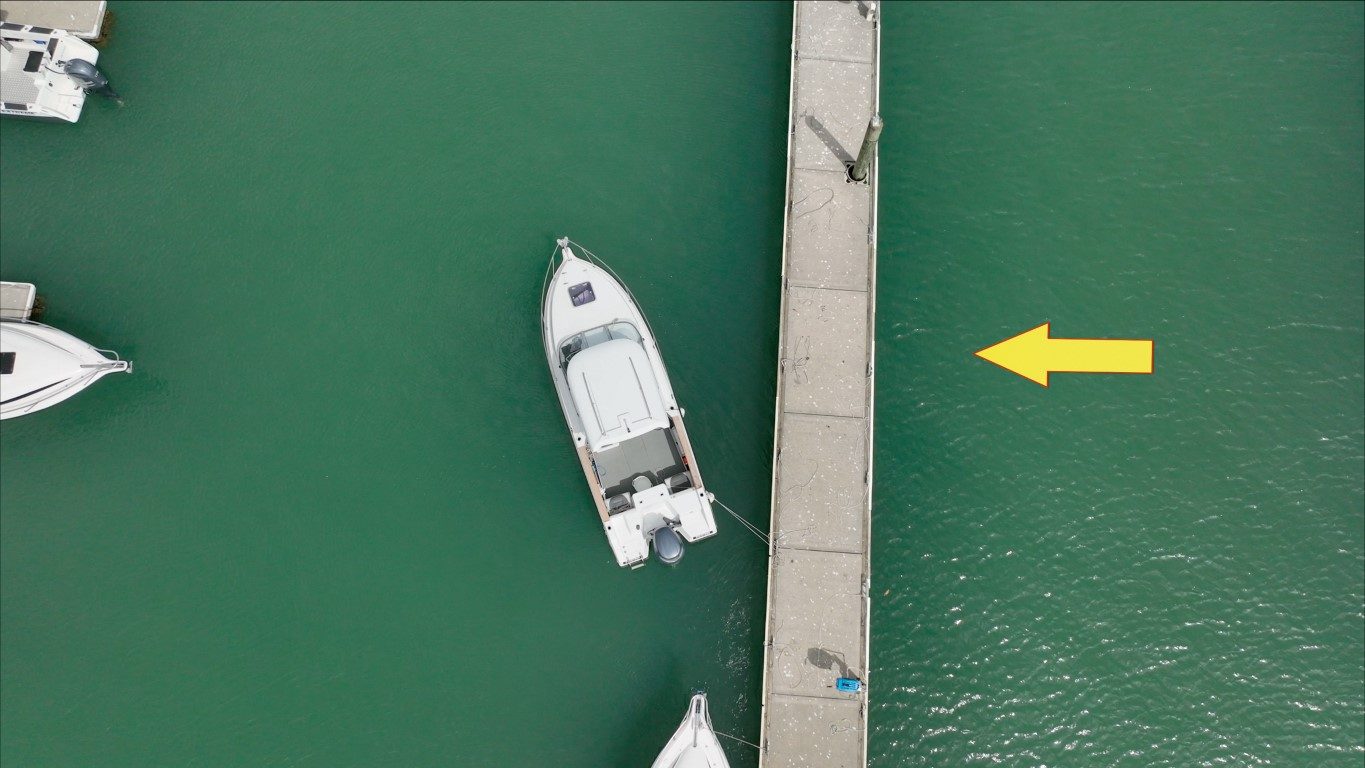

10. Once alongside, leave the engine in gear to hold the boat alongside the dock. Have your crew attach a bow line from the vessel if possible – the risks of stepping off a boat that’s in gear are numerous, so avoid it whenever you can.
- Advertisement, article continues below -

Check out Andrew’s videos:
Facebook.com/PBTNZ
Instagram.com/powerboat.training
For more information:
www.powerboat-training.co.nz

Share this
Article
Article
Article

Building a legacy: The Jan Saull story

Boat World
How did Jan Saull come to run one of New Zealand’s oldest boatbuilding companies, a thriving busines...
Article
Article
Article

Tauranga fires highlight ongoing risks for boaties

Marina Safety & Security
Two incidents in just over a year reinforce the need for vigilance around onboard systems. Two fi...
Mike Bamber with a Huntsman Centurion ready for its new owner
Feature
Feature
Feature

Aiming high

Features
Stagnation is the enemy of long-term business success, and those in the marine industry for a long t...

Comments

This conversation is moderated by Boating New Zealand. Subscribe to view comments and join the conversation. Choose your plan →

This conversation is moderated by Boating New Zealand.

Boating New Zealand
Boating New Zealandhttps://www.boatingnz.co.nz
Boating NZ is New Zealand’s premier marine title devoted to putting its readers behind the wheel of the latest trailerboats, yachts and launches to hit the market. It inspires with practical content and cruising adventures, leads the fleet with its racing coverage and is on the pulse of the latest maritime news and innovation.

LATEST NEWS