The humble trailer-sailer once made up a significant segment of the New Zealand boating market, writes Chris Barker.
In the 1960s plywood-based ‘self-build’ designs like the Hartley 16 gave way to GRP production boats such as Noelex, Farr and Davidson, but various factors such as tax changes and the development of reliable, fuel-efficient outboards cut into their popularity from the 1980s.
There are still plenty of second-hand examples out there, and with the cost of petrol now, even the grumpiest of Southern Men are wincing at the pumps as they fill up the family heir-loom Hamilton for a 20-gallon (91-litre) afternoon blast. So, could the trailer-sailer make a comeback?
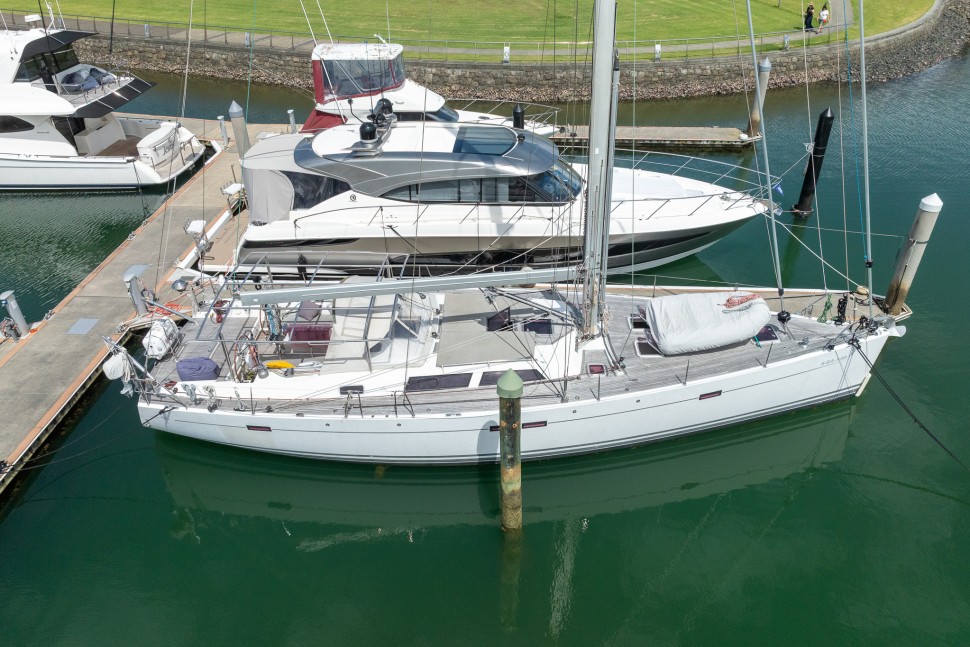

A trailer-sailer with auxiliary outboard will get you out on the water, and hopefully once there, ownership costs should be less than a powerboat of equivalent volume. Sailboats carry more interior volume for their length, so overnight trips are easy. TradeMe should reveal a fair spread of sub-8m boats with prices from $5K to $15K. Sure, a set of sails isn’t cheap, but with gentle use and good care they can last tens of seasons (unless you catch the racing bug, in which case there is no hope of sticking to a budget!). Twenty litres of petrol might last you half a season if you keep the white flappy things up.
There is of course, the ‘romance of sail’. Once out on the water, you can potter along in relative quiet, enjoying meaningful family conversations (“Did you bring the sunscreen?”) and feelings of superiority over those noisy wakeboard boats full of builders and their dogs, all shouting at each other over the ACDC/Top Gun ‘Doof Doof’ banging out from their rack-mounted speakers as they scream past. You will understand that, as with life, it is the journey that is to be savoured, rather than the destination.
Certainly, ownership will teach you humility. Getting the mast up is a family/team-building exercise that provides hours of entertainment for everyone else at the boat ramp – think of it as your community service. You can troll under sail or power, or use the wind to propel yourself along to the fishing spots that your mates have already got to in their 30-knot buzzboats, assessed, then phoned you to let you know whether they’re worth going to or not. You can also organise quid pro quo with the ski-boat owners for the kids’ water-skiing sessions – or just send the kids on ahead in their mates’ parents’ powerboat. Bliss.
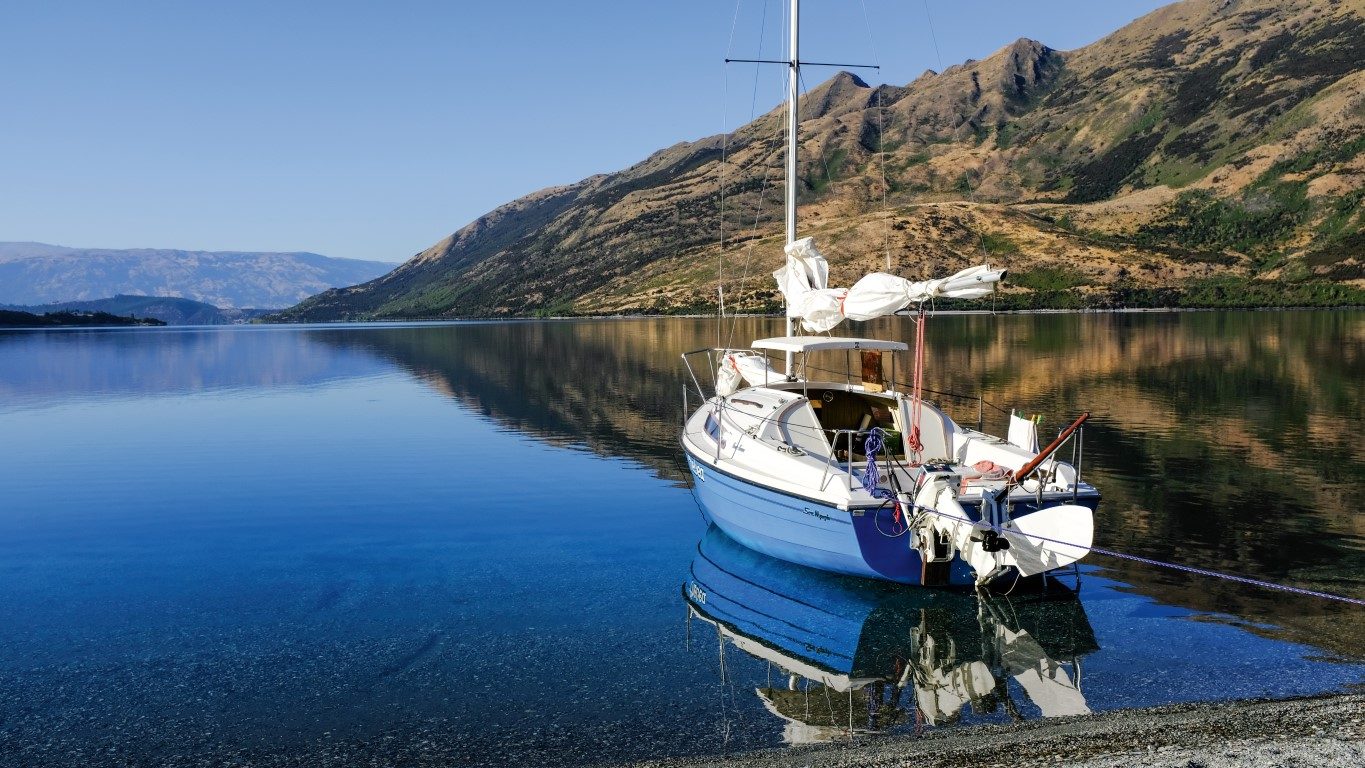
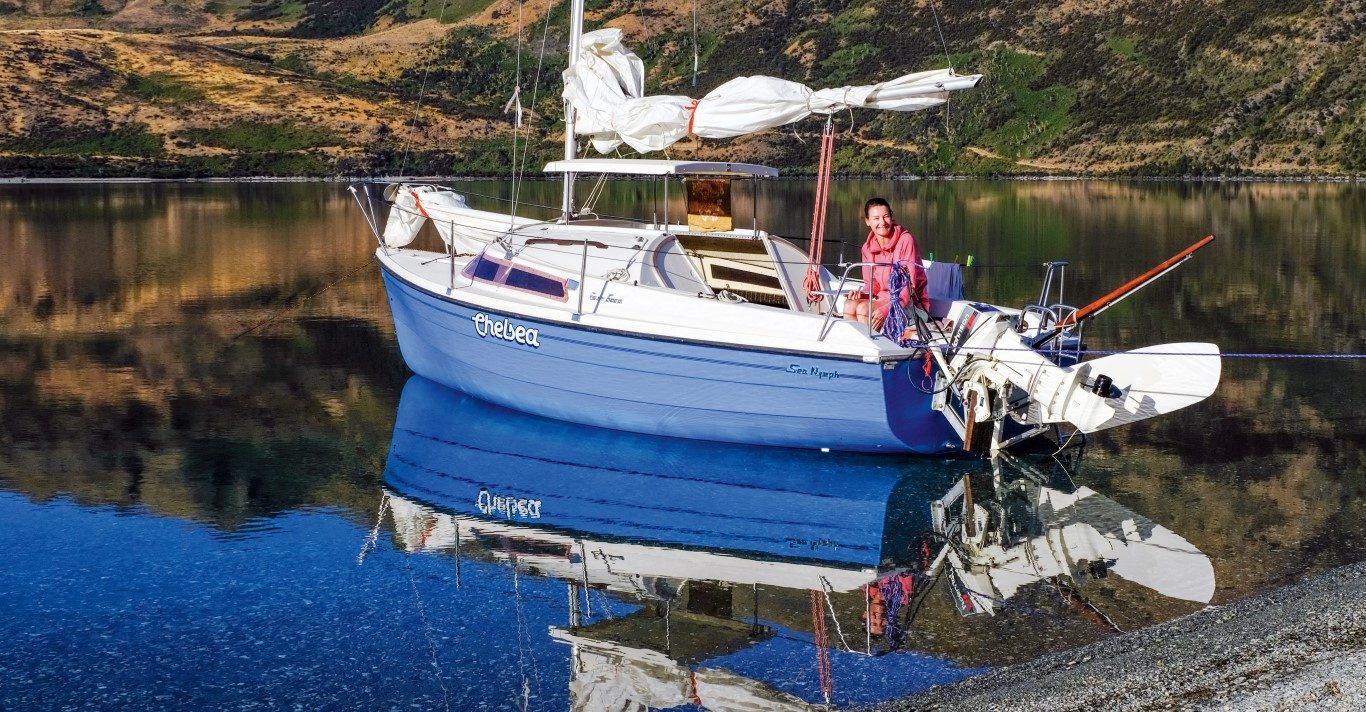
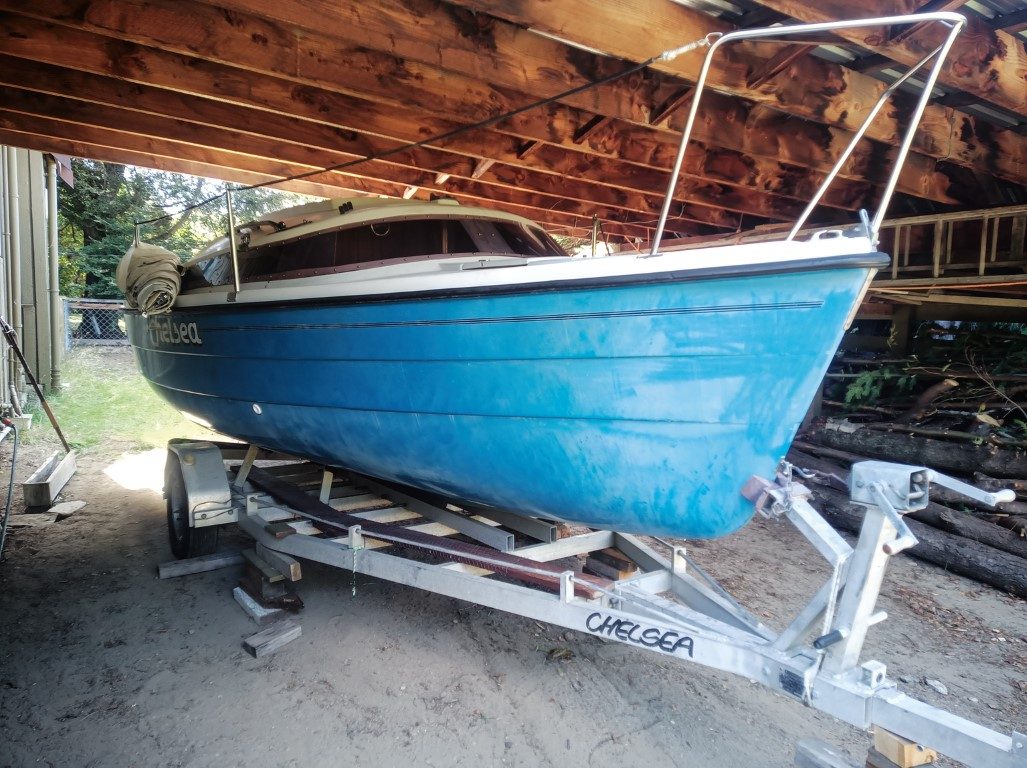
With a sub-$10K budget, I started trawling the usual channels of Facebook and TradeMe. Considerations were condition, cost, location, condition, and hull material. After a few dalliances with plywood and distance, including a John Wellsford and a Davidson 20, I found a Farr 6000 locally. The Farr 6000 was a 1970s design built by Sea Nymph Boats in Auckland, featuring a high-volume hull, fractional rig, and useful ‘pop-top’ hatch which gives standing headroom in the (classic, brown cloth-trimmed) cabin.
As with all older vessels, upgrades will be required – particularly to the trailer, especially if it’s been sitting for any time. In my case, a new set of LC radial tyres replaced the original cracked cross-plies, bearings were repacked, and a new safety chain, jockey wheel and associated bolts and shackles were added.

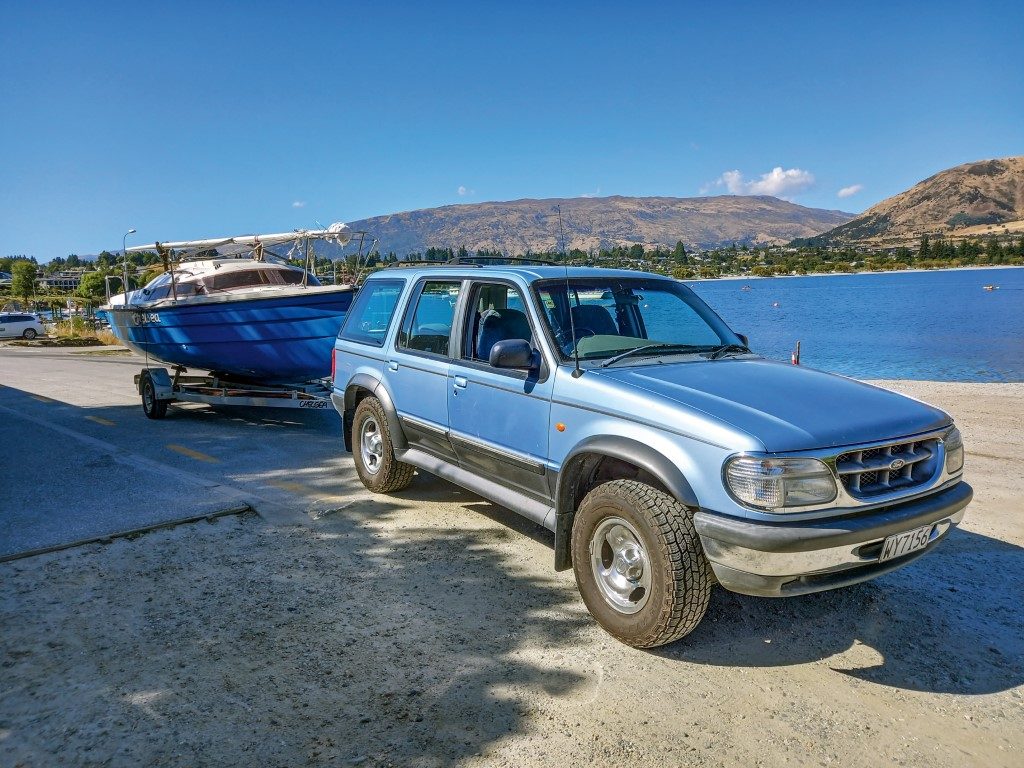
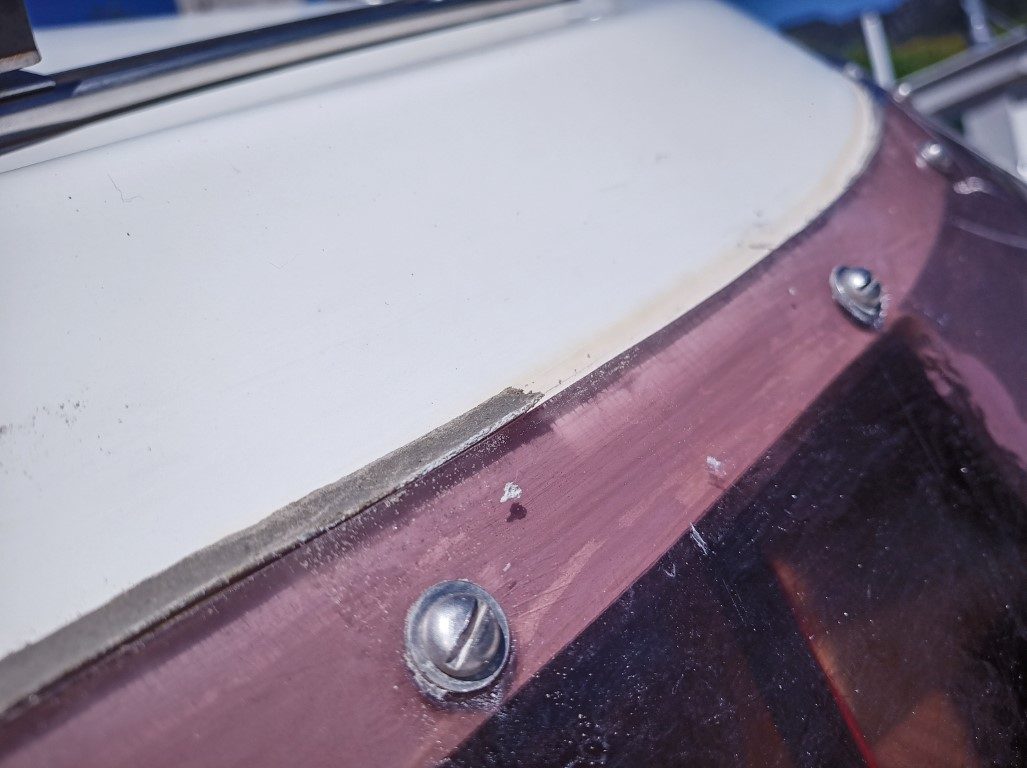
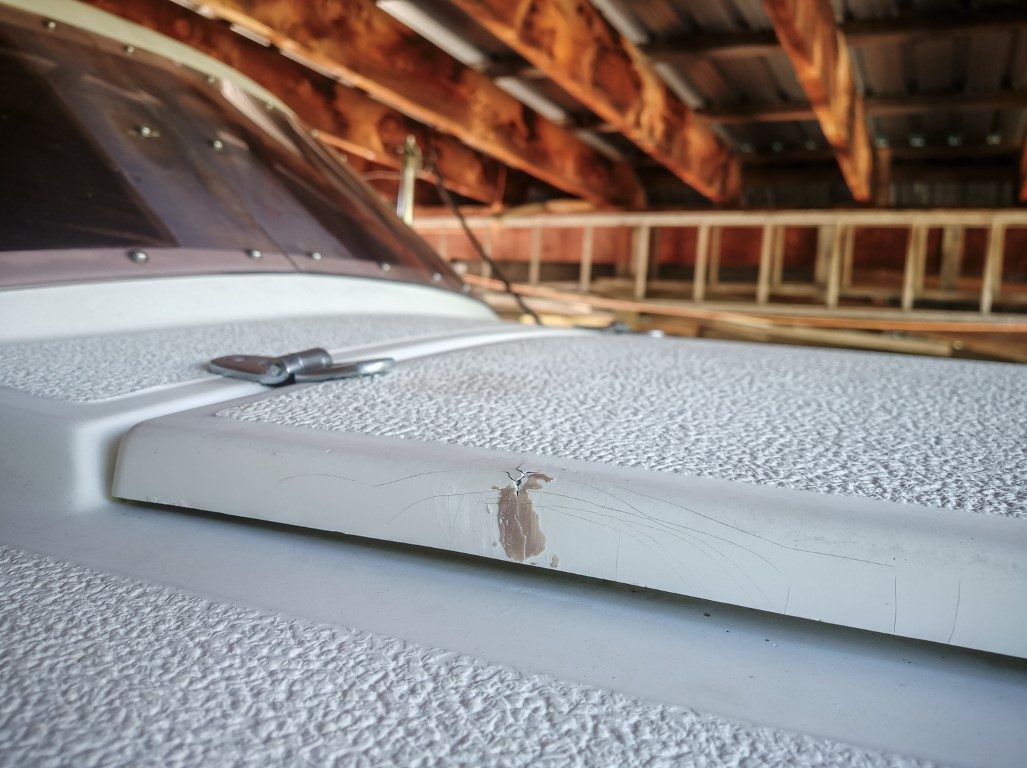
Compared to their full-time water brethren, trailer-sailer rigs probably get less overall exposure to the elements, but repeated mast stepping and unstepping can be unkind to rigging wires, bottlescrews, etc., so standing rigging needs close inspection. I re-sealed the window edges and attended to various gel coat chips once I had the boat home.
Even before I found the boat, I’d been Googling away, researching my primary possible choices. There is a plethora of advice out there, particularly among the Facebook Owners Associations; many have gone through the buying process before you, and are only too willing to share their tips and experience. There might even be someone local who can help with an inspection – never be afraid to ask.
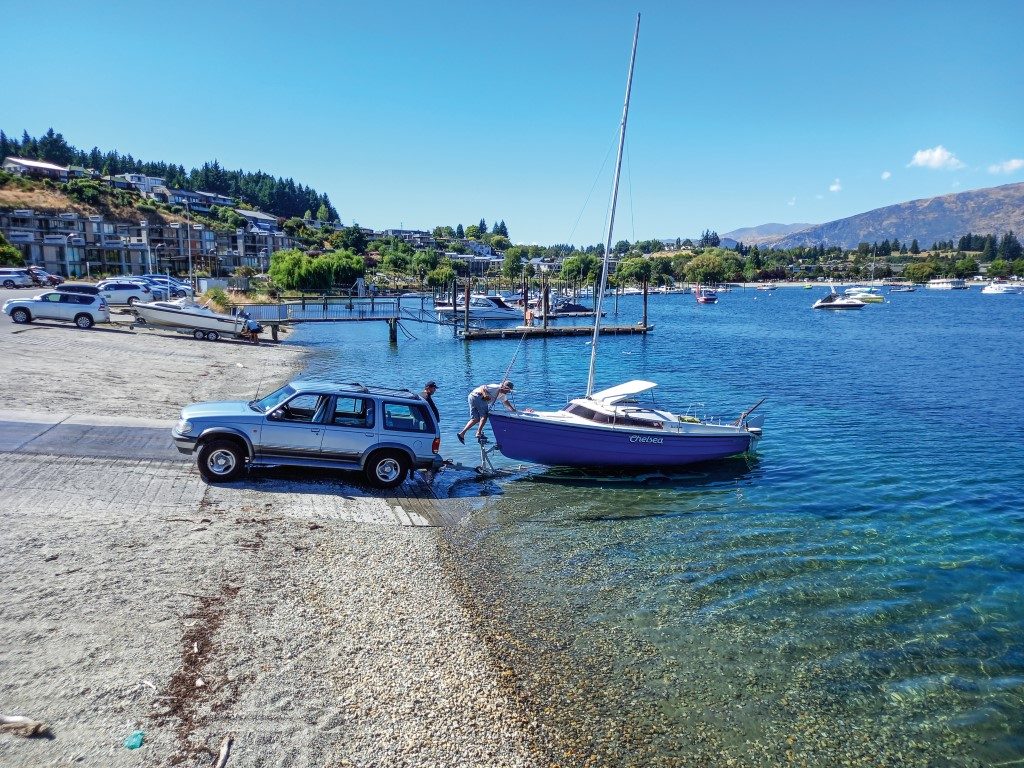
A good clean of the interior revealed a complete set of 1970s New Zealand cookware, some ‘interesting’ flares, and well preserved 1980s newspapers lining the lockers. The hull received a polish, some wax, a few touch-ups, and then she was ready to go into the water.
There is a fair bit that cannot be assessed until the rig is up and the boat is in the water, so a leisurely launch with little fanfare is desirable, followed by a full day of testing. A test mast-stepping at home is very much recommended, just to iron out some kinks. Take lots of pictures, and write a list – there’s going to be some changes you’ll want to make after that first sail. In ours it was case fitting a bilge pump, a solar panel with USB ports, and some outboard bracket tweaks.
Mast-stepping and unstepping can be a bit of a faff if you are just planning an afternoon sail, but joining a club with a slip should mean you can leave the boat ready to go by the water, or hire a temporary mooring for the season.

Club racing? Visiting other lakes? Why not? It’s a versatile bit of kit, and you’ll stand out from the crowd wherever you go – just get that mast-stepping business down to 30 seconds!