A charge in both directions
In a major step toward decarbonising the global marine sector, Aqua superPower has unveiled the first successful demonstration of bidirectional charging for electric boats. The event, hosted at the University of Plymouth in early May, marked the conclusion of the UK’s “Virtual Bunkering for Electric Vessels” (VBEV) demonstrator project—a collaborative initiative that has opened new possibilities for vessel-to-grid (V2G) technology on the water.
While the idea of an electric boat is no longer futuristic, the ability for that boat to not only draw power from the grid but also supply energy back when moored is a true game-changer. For recreational and commercial users alike, the implications are broad: reduced energy costs, improved battery health, and even the potential to earn revenue when your boat is parked at the marina.
Solving the marina power problem
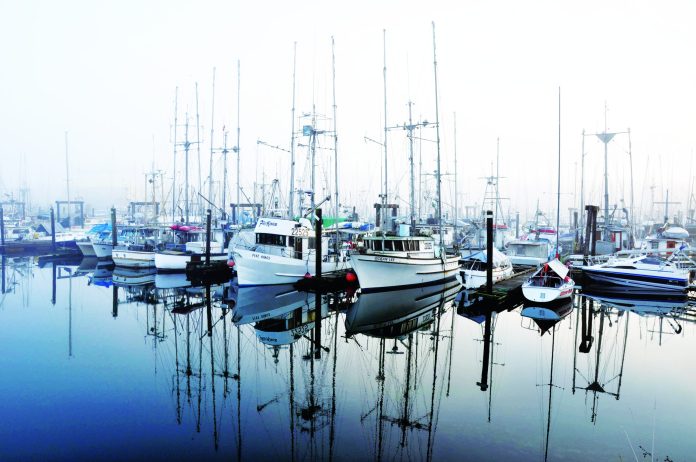
The VBEV initiative was developed to address a challenge familiar to many marine operators: the limited and expensive power capacity available at harbours and marinas. Without major investment in grid infrastructure, accommodating widespread electric boat charging could prove difficult. But bidirectional charging flips the equation.

By enabling boats to act as portable energy storage units, marinas can access stored power during peak times—reducing strain on the grid and lowering reliance on costly upgrades. The project also explores how this approach can deliver long-term operational savings and faster uptake of electric marine vessels.
“Today’s demonstration represents a monumental step forward for Aqua superPower, our partners and the UK’s progress toward a greener future,” said Adam Marshall, Chief Technology Officer at Aqua superPower. “The technology, which mirrors systems used in the automotive sector, is now adapted for the maritime industry via VBEV, positioning the marine sector at the forefront of green innovation.”
A working showcase with the RS Pulse 63
To bring the system to life, the VBEV team used an RS Pulse 63, a sleek fully-electric RIB developed by RS Electric Boats. This model was chosen to highlight how the technology applies in real-world settings and has already enabled Aqua superPower to begin discussions with other vessel manufacturers around commercial roll-out.
RS Electric Boats’ Managing Director, Alex Newton-Southon, called the demonstration “the foundation for widespread adoption of zero-emission boats,” underscoring its role in transforming boating into a more sustainable industry. The Pulse 63 and its integration into the VBEV system show just how seamless the transition to electric can be—with none of the limitations once associated with battery-powered boats.
Partners in progress
The VBEV project has been a partnership-driven initiative from the outset. Aqua superPower led the charge, supported by a mix of industrial and academic collaborators: energy provider EDF, software company Fuuse, sustainable transport consultancy Cenex, the University of Plymouth, City College Plymouth, and RS Electric Boats.


Each brought specific expertise. Cenex studied how vessel-to-grid functions across different vessel types, while EDF explored how such technologies could help manage energy demand, especially as the UK scales up renewable power. Researchers at the University of Plymouth also delivered encouraging early findings, suggesting that when properly configured, V2G systems may actually enhance battery longevity rather than degrade it.

Meanwhile, City College Plymouth focused on the future workforce, creating learning pathways and training for students in marine charging systems—a vital step to ensure these technologies can be deployed at scale in years to come.
Government backing and future momentum
Backed by the UK’s Shipping Office for Reducing Emissions (UK SHORE), the VBEV project is one of more than 150 efforts supported through over £200 million in government funding aimed at decarbonising the maritime sector. Innovate UK, part of UK Research and Innovation, acted as the primary delivery partner, aligning the project with the broader Plan for Change to transition UK transport to net zero.
The demonstration is part of a year-long programme that will see Aqua superPower and its partners present the VBEV system at ports and harbours across the UK. As the technology matures, commercial deployment appears increasingly viable—not just for the UK but for the global boating community.
Relevance for New Zealand
Our marinas, particularly in popular cruising regions like the Hauraki Gulf or the Bay of Islands, face similar grid constraints and growing demand for electric infrastructure. The ability to use vessels themselves as energy assets could ease the load, both financially and operationally.
With companies like ZeroJet and electric hydrofoil developers already active in New Zealand, the groundwork is in place. The next step? Infrastructure—and the willingness to rethink how energy flows on and off the water.
What’s next?
For now, the VBEV project remains UK-based, but the technology and the commercial intent behind it have clear international ambitions. Aqua superPower is already engaged with OEMs to scale the solution, and as more electric boats hit the market, expect to see interest in marina-based V2G technology rise rapidly.
For Kiwi boaties, marina operators, and policymakers, the message is clear: the future of clean boating isn’t just about plugging in—it’s about plugging both ways.