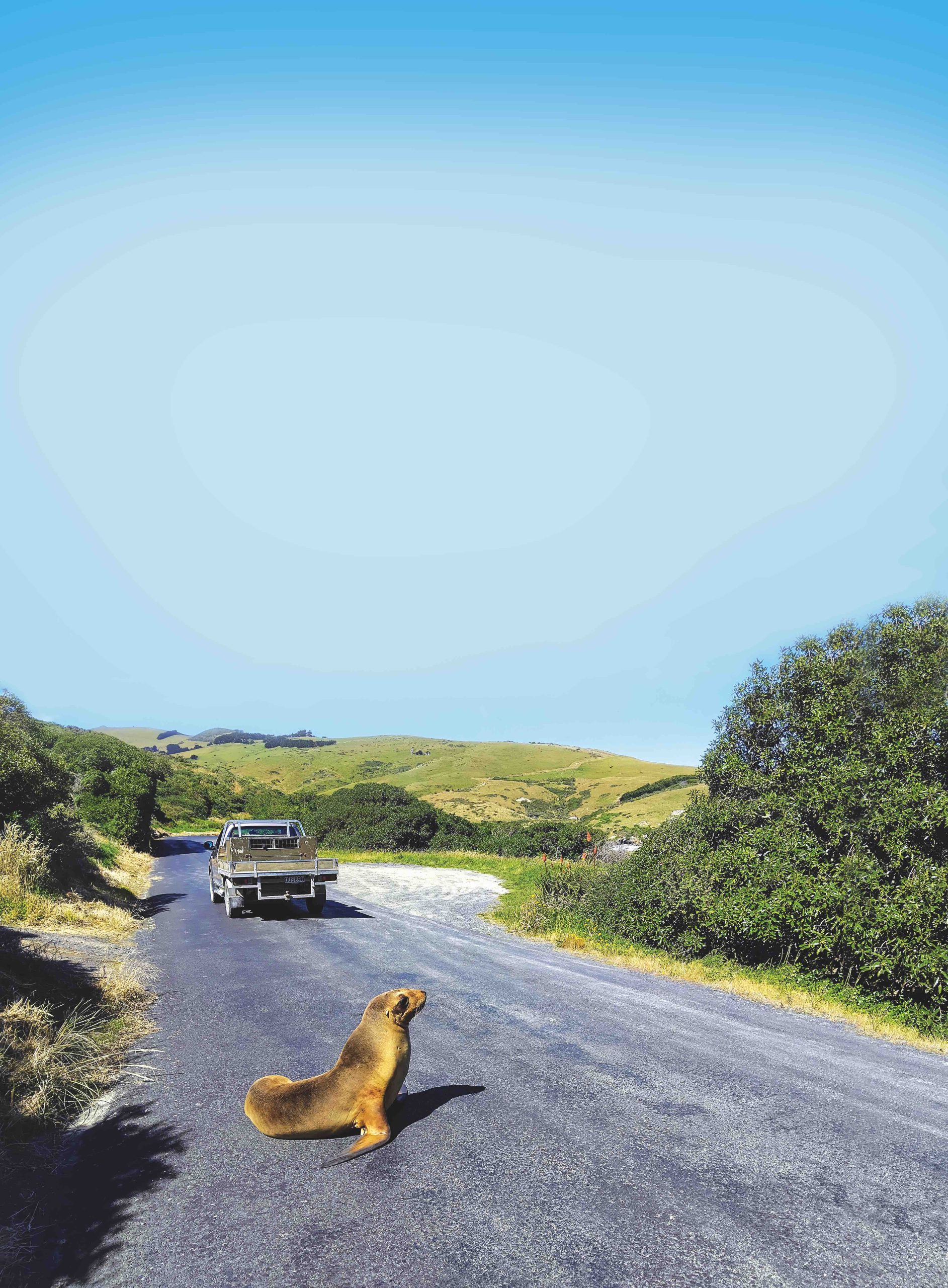
With fur seal and sea lion populations bouncing back around the mainland, the Department of Conservation (DOC) and Waka Kotahi NZ Transport Agency have launched a nation- wide project to track where marine mammals are appearing near roads – and why.
The public is being asked to report sightings to help protect both people and wildlife as Aotearoa adapts to the return of these ocean wanderers and navigates the challenges of ‘Seal Silly Season’.
Once rare on the mainland, New Zealand fur seals and sea lions are now returning to historic habitats. Now, the goal is to model road-related risks for marine mammals like seals across the country. By reporting seal sightings, you’re helping create safer spaces for our native wildlife.

This national study uses existing DOC and Waka Kotahi road data and will be strengthened by public reports. The results will help inform future road planning, identify high-risk zones, and guide where further road improvements might be needed.
The initiative is part of a growing field known as ‘road ecology’ – an area of science focussed on understanding how roads affect wildlife movement and behaviour.
In Kaikōura, road ecology principles have already delivered conservation wins. Research identified key hot spots where fur seals were getting onto the SH1, leading to infrastructure upgrades that significantly reduced the risk to both animals and drivers.
And right now is the time of year (May to September) when young kekeno (New Zealand fur seals) venture off on their own for the first time. They’re known for turning up in strange places like paddocks, stormwater drains, and yes, roads.
In previous years, fur seals have been spotted waddling down driveways, blocking footpaths, in Bunnings, in a KFC carpark, and even trying to board buses. These surprise visits may seem comical, but they signal the need to plan better for human-wildlife coexistence.
Seal tips
DOC takes a ‘hands off’ approach to seals. They are capable and resilient and given time and space, they usually find their way home.
• Never touch, handle, or feed a seal, because they can be aggressive if they feel threatened. It’s also a breach of the Marine Mammals Protection Act.
• Maintain a distance of at least 20 metres from kekeno if possible and avoid getting between the seal and the sea.
• Give seals space if encountered on or near a beach.
• Always keep dogs on a leash and away from seals.

• Ensure small children are at a safe distance and under control when watching seals.
• If you see a seal that’s badly injured, being harassed or in danger, call 0800 DOC HOT (0800 362 468).
Seen a seal or sea lion on or near a road? Let us know!
• Email: seeaseal@doc.govt.nz
• Include the date of your sighting, a description of the location and animal(s) (including how many), specific GPS coordinates if possible (or drop a pin), and a photo (if safe).
• Please also report the same information for any dead marine mammals on or near roads.
• Reports on sections of road where you’ve previously seen marine mammals (and when) are also helpful.
• Your input could directly influence how we design safer systems for years to come.