The America’s Cup has never struggled for drama. What it has struggled with, in recent cycles, is rhythm.
Late protocols, compressed campaigns, and long gaps between Cups have made it difficult for teams, sponsors, broadcasters, and fans to stay engaged. Against that backdrop, the formation of the America’s Cup Partnership feels more like a practical response.
Five teams have now chosen to bind themselves together and put regularity at the centre of the Cup’s future.


What gives the announcement its edge, however, is not just the structure being proposed. It is who has chosen to propose it, and who has not.
A partnership shaped by continuity
The new Partnership brings together Emirates Team New Zealand, Athena Racing, Luna Rossa, Tudor Team Alinghi, and France’s renamed team, K-Challenge.
Each has carried people, infrastructure, and knowledge across multiple Cup cycles. Design offices have stayed open between events. Sailing teams have evolved. Commercial programmes have been built with more than one regatta in mind.
That shared experience explains the momentum.
At the heart of the Partnership is a commitment to a regular America’s Cup cycle, with an event every two years. A fixed expectation, where for the first time, the Cup is attempting to behave like a modern professional sport with a predictable calendar.


Teams can plan. Sponsors stay visible. Broadcasters get certainty. Fans know when the Cup is coming back. Regularity is the real reform here.
Governance moves off the water
The Partnership also proposes independent management, separating the delivery of the event from the shifting interests of individual campaigns.
That is a real shift. The Cup has long been shaped by the current holder. That drove innovation, but it also bred inconsistency. Formats changed. Timelines drifted. Commercial momentum faded.
Under the new structure, an independent management group will oversee sporting delivery and commercial operations across cycles. The aim is not to dilute competition, but to remove the start stop nature that has dogged recent Cups.
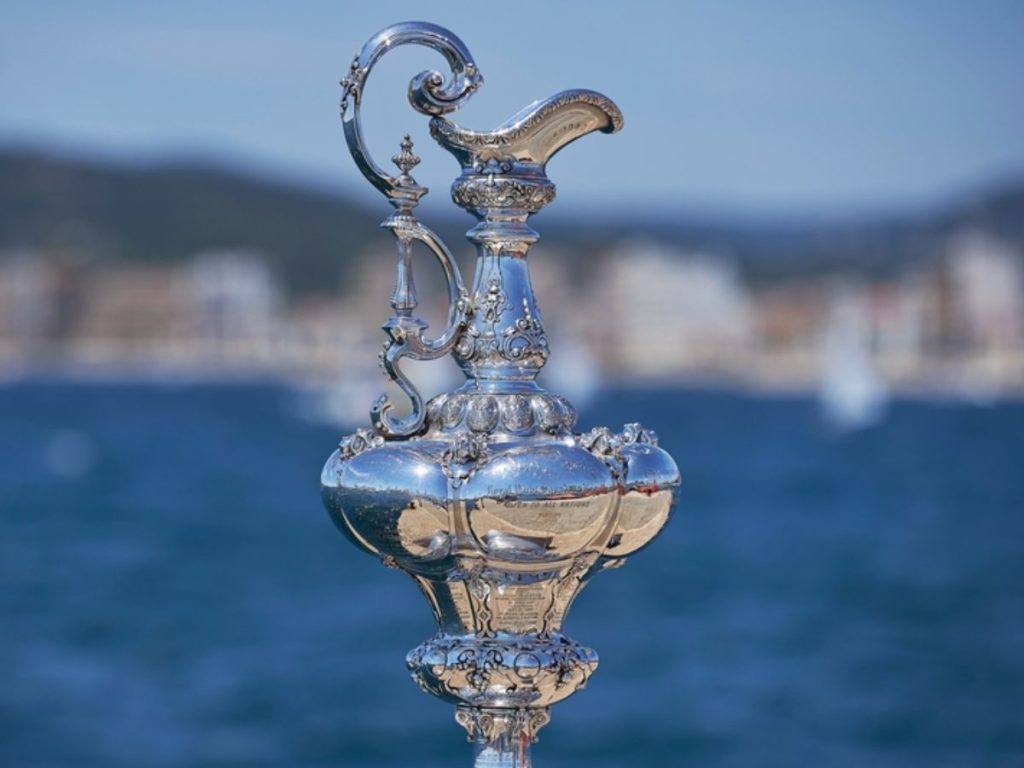
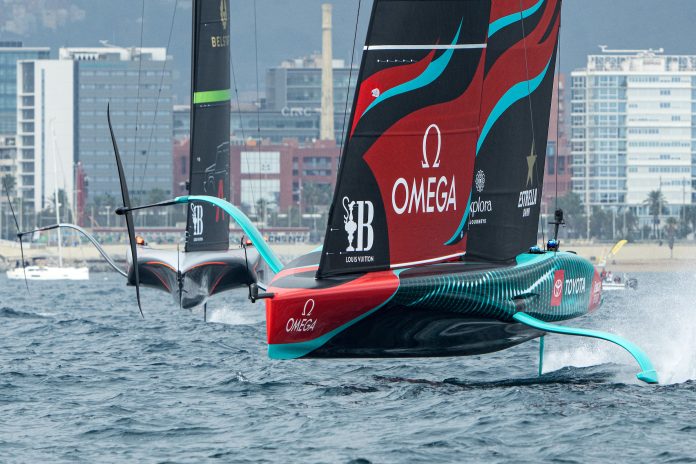
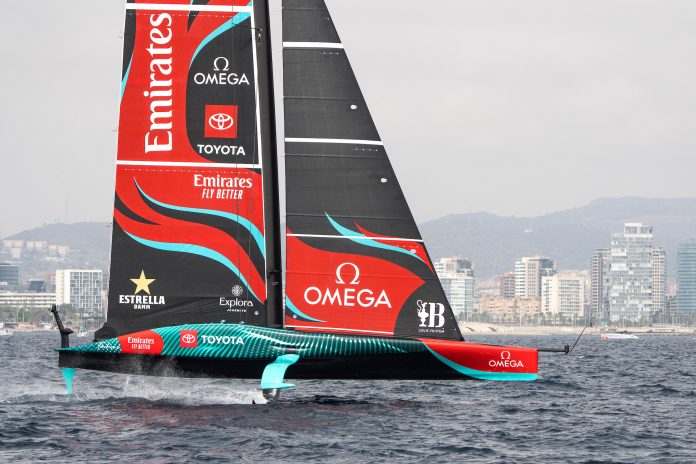
Alongside that sits a new economic framework. Shared revenues and cost controls are intended to narrow the performance gap without flattening innovation. The AC75 remains the centrepiece and technology remains non negotiable. What changes is the financial volatility between campaigns.

This is not about making the Cup cheaper. It is about making participation survivable.
The missing seat at the table
For all the structural ambition, one absence is impossible to ignore.
There is no United States team among the founders.
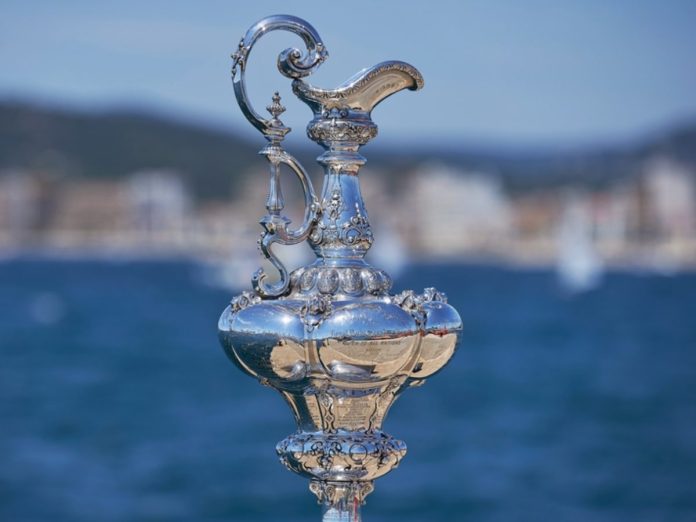
The Cup may have been first raced around the Isle of Wight, but its name, its mythology, and its long defence history are inseparable from America. The New York Yacht Club held the trophy for 132 years. The Cup became a symbol of American technical and sporting confidence well before global professional sport found its footing.
Today, that lineage is not represented in the founding Partnership.
The entry door remains open. The press release makes that clear. New challengers can still join ahead of the Louis Vuitton 38th America’s Cup in Naples. But symbolism matters, and this absence is not accidental.
Recent American challenges have been intermittent. Funding has been uncertain. Programmes have struggled to carry knowledge forward. None have demonstrated the continuity that now underpins the Partnership.
In contrast, the founding teams have treated the Cup as a standing commitment rather than a single shot.
The result is a quiet shift in emphasis. Capability now carries more weight than nationality.
From national pride to organisational strength
The America’s Cup has always been international, but it has not always been organisationally mature.
The AC75 era has changed that. These boats demand long design cycles, massive simulation programmes, and deep systems integration. Sailing skill still matters, but so does institutional memory.
In that environment, teams that disappear between Cups fall behind fast.
The Partnership model reflects that reality. It rewards those who can retain people, manage risk, and invest early. It also reflects a philosophy that New Zealand readers will recognise. Build capability first. Results follow.

This is not a rejection of national identity. Flags still fly. Anthems still play. But the engine room now sits inside organisations, not yacht clubs alone.
Women, youth, and the next layer
One of the more concrete commitments within the Partnership is its continued support for the Women’s and Youth America’s Cup.
This is not framed as an add on. It is written into the structure. Notably, the requirement for at least one female sailor onboard each AC75 at AC38 sets a clear baseline for participation at the highest level.
That matters because it ties pathway events directlyADopting the same calendar certainty being promised to the senior Cup. Progress becomes cumulative, not episodic.
What comes next
Further details of the Partnership will be presented in Naples in January 2026, alongside the release of America’s Cup Match dates. Entries remain open until the end of that month.
Whether a US team joins before then will shape the narrative, but it will not change the direction.
The Cup is moving toward regularity, shared governance, and professional continuity. That is the trade being made.
For a trophy that has reinvented itself repeatedly over 174 years, this may be the most structural change yet.
The only unanswered question is whether America chooses to be part of it, or simply part of the history books.