Anchor windlass. Make sure it works before you need it
A windlass is one of those bits of equipment you forget about until it misbehaves. When it fails, you find out quickly who drew the short straw on the foredeck. Before summer hits its stride, run a proper check. Test the foot switch, look for corrosion on the wiring, and make sure the drum spins freely. Have a close look at the gypsy, the solenoid, and the fuse.
If your’s is tired or marginal, upgrading to something sturdier is worth considering. The Maxwell RC8-8 and RC10-10 are two reliable options that many Kiwi boaties rate highly. They take the effort out of recovering the pick, especially in chop.

When hauling the anchor, ease forward gently with the engine to break it free rather than relying on the windlass alone. It reduces strain on the motor and saves you a few anxious moments when the crew is already thinking about dinner.
And a tip worth repeating. Know exactly where the windlass fuse lives. We lost hours troubleshooting one summer only to discover a blown fuse tucked away at the other end of the boat.
Choose the right anchor for the bottom
New Zealand’s coastline throws up just about every seabed you can imagine: soft mud in the Hauraki Gulf, sand around Coromandel, thick weed in the Sounds, and rock-strewn patches around Great Barrier. One anchor won’t excel everywhere.

Matching the anchor to the bottom — and carrying enough chain to help it bite — makes a huge difference. We once dragged slowly across Islington Harbour on a slippery bottom, more through inexperience than anything, and spent half the night checking we weren’t repeating the same slide.
Modern scoop-style anchors such as the Rocna Original, Rocna Vulcan, and Manson Supreme set quickly and hold well across most conditions. They’re popular locally for good reason.
If you anchor often in soft mud, going one size larger can help. In weedy spots, the sharper fluke and roll-bar of a Rocna can get through kelp and reach firm ground.
Always carry a spare. At Great Barrier, we once jammed our main anchor deep in rocks and couldn’t free it. Without a backup, we would’ve been stuck.
Rope, chain and shackles. The real lifeline.
An anchor is only as good as what connects it to the bow. Take time to check your chain, warp, and shackles before the busy season.
Look for chafe or UV damage in nylon warps, especially where they run over chocks and rollers. Nylon remains the go-to for shock absorption, particularly in short, lively anchorages. Burnsco’s nylon rope packs are a tidy option for trailer boats and smaller launches.
Inspect galvanised short-link chain for stiff links, worn galvanising or flattening. Good chain helps the anchor lie correctly and improves holding.
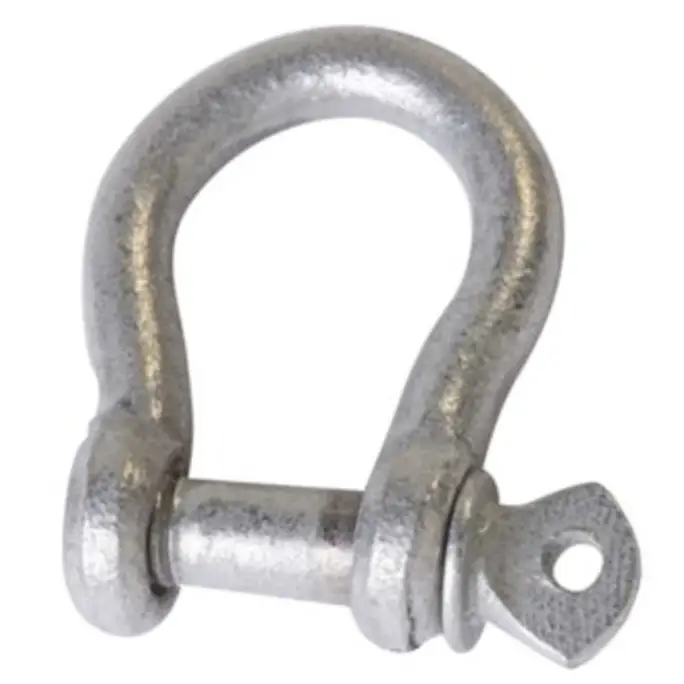
Shackles need attention too. Re-wire or cable-tie the pins so they can’t unwind.
If you anchor often, consider using a snubber or bridle. It softens the load, quietens the chain, and settles the boat during a gusty afternoon.
Bow rollers, bollards and guides. Quiet workhorses
Hardware on the bow gets little glory, yet it deals with huge loads. A roller that doesn’t spin freely can damage warp or snag chain at the worst moment.
Before summer, give every roller a spin by hand. Check bolts and backing plates. Replace anything worn or out of line — Burnsco’s roller replacements are straightforward upgrades.
Bow and stern bollards also deserve a quick pull-test. Any movement or cracking around the base means you should re-seat or re-bolt them before trusting them with real load.
Boat hooks. Old-school but essential
A solid telescopic boat hook still earns its keep in any tight spot. It makes grabbing a mooring line, steadying the bow, or taking a line from another boat so much easier.
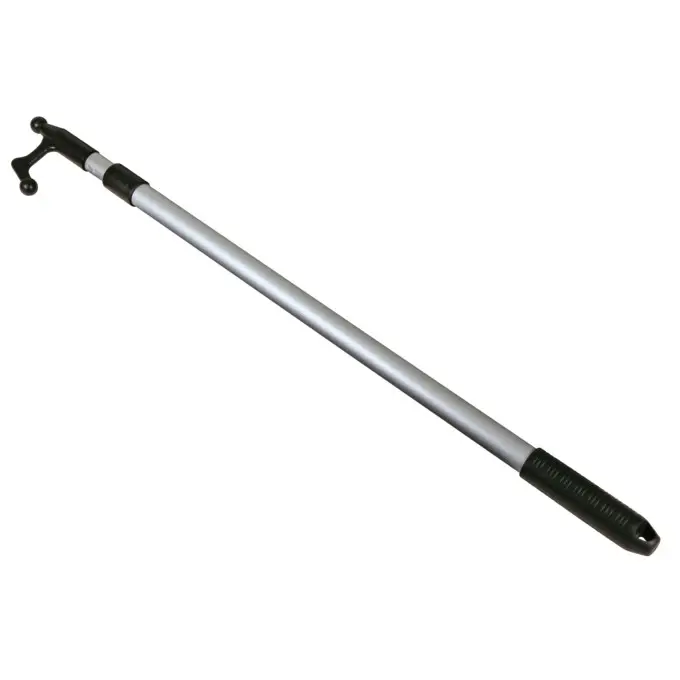
Floating, telescopic models such as Boat Gear’s version at Burnsco are versatile and light. Keep one at the bow and another aft. And buy a spare — boat hooks seem to have a talent for escaping overboard.
Setting the anchor. Small habits that pay off
Summer anchorages get crowded, so drop the pick with a plan. Think about the seabed, wind, tide and swing room. In calm harbours, a 3:1 scope might do, but in busier or breezier conditions, 5:1 gives you space and better holding.
Lower the anchor under control rather than dumping the chain. Once it settles, ease back gently until it bites. If you drift unexpectedly, reset it — it’s better than spending the night listening for bumps.
In lakes and rivers, avoid weed beds where possible and allow for current shifts.
Anchoring well isn’t just for your boat. It matters to everyone around you.
Wrapping up. Reliable gear means a relaxed summer
A bit of maintenance now — cleaning contacts on the windlass, checking the chain, replacing tired shackles, refreshing bow rollers, or buying a new boat hook — builds trust in your setup. When you anchor off a beach for a swim or nose into a marina at dusk, that confidence lets you focus on the moment, not the gear.
Good anchoring and docking gear doesn’t make you a better skipper, but it gives you one less thing to worry about. And that’s worth plenty on a warm summer day.