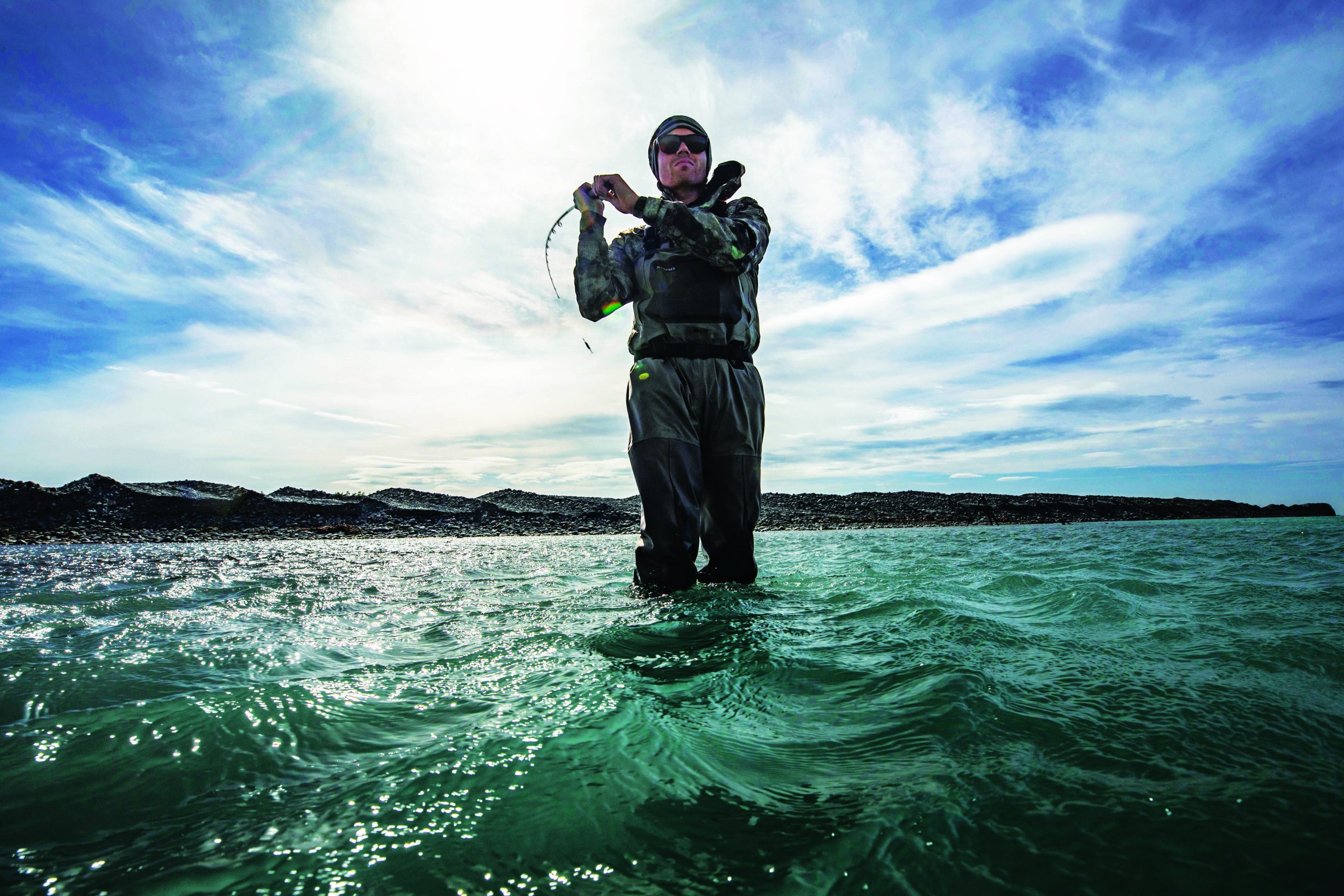
A significant New Zealand study involving nearly 1,900 anglers, the largest of its kind globally, has shown that fishing can significantly boost wellbeing and mental health.
Published in the international journal Leisure Sciences, the study found that active anglers were 52% less likely to report psychological distress or thoughts of self-harm. The research, led by Fish & Game New Zealand in collaboration with Dr Shyamala Nada-Raja from the University of Otago and independent researcher Paul Garbett, used validated clinical assessment tools to demonstrate these findings. Additionally, active anglers were 46% less likely to experience moderate-to-severe anxiety.
The study highlights the mental health value of fishing, with Fish & Game New Zealand Chief Operating Officer Richie Cosgrove noting the scale and rigour of the findings. The research also identified specific elements enhancing mental health outcomes, such as water contact, fishing with companions, and physical activity involved in accessing fishing locations.

The benefits were consistent across gender and ethnic groups, including New Zealand European and Māori participants.