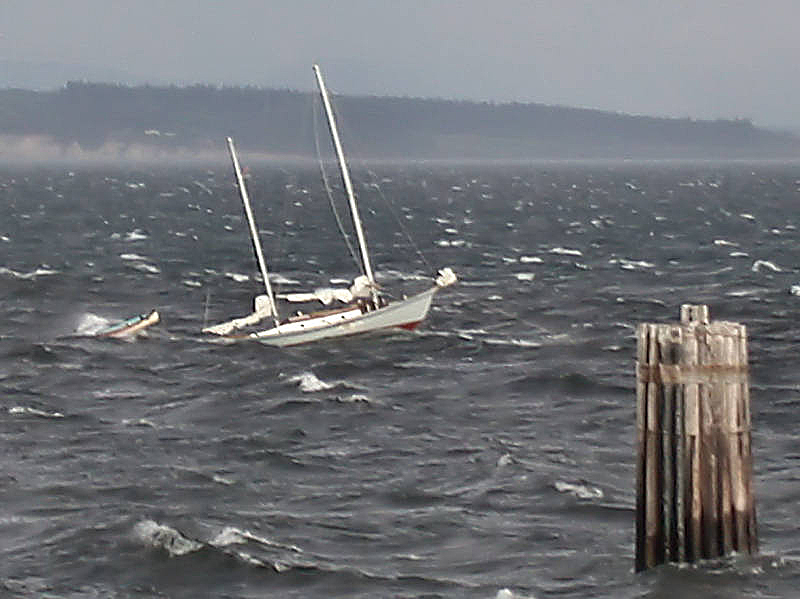
This is the sort of weather that does not give second chances. Small oversights can turn into expensive problems very quickly.
Just moments ago, Boating New Zealand received video from the Coromandel Peninsula showing a yacht with its headsail partially unfurled and flogging hard in the wind. In winds of this strength, the odds of that sail coming through unscathed are slim. Once canvas starts snapping violently, damage tends to escalate rather than settle down.
Why unsecured sails are a serious problem right now
A genoa or jib left even slightly unfurled places enormous strain on the sail itself and everything connected to it. Stitching can let go, UV strips can tear, and loads are driven straight into furling foils, forestays, and deck fittings. This does not take long. In strong gusts, damage can occur in minutes.
There is also a wider risk. A torn sail can foul rigging, wrap around lifelines, or catch neighbouring boats. In tight marina berths or pole moorings, one problem can easily become two.
The footage from Coromandel is a clear example of how quickly a boat can find itself exposed when weather ramps up faster than expected.
Note from editor: if this is your yacht at Whangamata, it is currently needing urgent help!
Moorings and marina setups are under pressure too
It is not just sails that need attention. Strong winds and shifting directions place heavy loads on moorings, poles, and marina lines. Boats on swing moorings need enough scope and proper chafe protection. Lines led incorrectly or left unprotected can fail surprisingly quickly under repeated snatch loads.
For boats tied to poles, line angles matter. Poor leads increase chafe and reduce clearance, particularly when wind direction changes through the day. In marinas, boats need to be held clear of fingers and piles, allowing for movement without repeated contact. Fender placement should reflect where the wind will push the boat, not where it sits on a calm day.

Loose covers, canvas, and deck gear also add unnecessary windage. If it can flap, lift, or catch a gust, it is better secured or removed altogether.
The weather picture is unforgiving
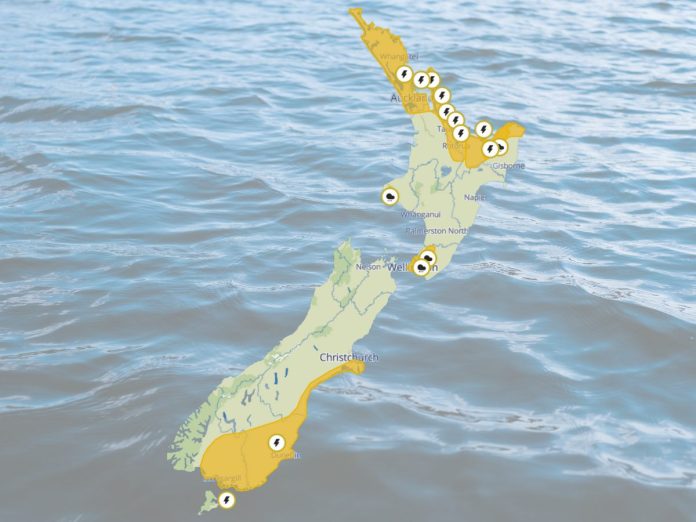
Marine forecasts issued this morning point to widespread gale force conditions, with gusts reaching well above 40 knots in several regions. Seas are forecast to become rough to very rough, visibility is reduced by heavy rain at times, and wind directions are expected to shift over short periods.

This combination is particularly tough on boats left unattended. Problems develop quickly, and access to deal with them safely can be limited while conditions peak.
A timely reminder for all boaties
This message is directed first at yacht owners, largely because yachts tend to remain in the water full time and are constantly exposed to developing weather. Sails, rigging, and furling systems carry load even when the boat is not being used, and any weakness tends to show up fast in conditions like these.
That said, this is not just a sailing issue.

Larger pleasure craft, whether power or sail, face the same risks when strong winds arrive. Mooring lines, cleats, poles, marina fingers, and fenders all come under strain when gusts build and directions change. Boats that are usually well behaved can be pushed into contact or start chafing where they never have before.
For owners of smaller boats, including fishing boats and trailer boats, today’s message is straightforward. Take a hard look at the weather before heading out. With widespread gale warnings, heavy rain, poor visibility, and rough seas, this is unlikely to be a good day for a casual trip or a quick fish. Conditions can deteriorate rapidly, even close to shore.
Across all boats, the principle is the same. Secure what you can, check on vessels when it is safe to do so, and make conservative decisions. Weather like this rewards preparation and judgement, and it punishes complacency.