Not a sentimental entry
Katwinchar did not line up for the Sydney Hobart as a gesture to history.
For skipper Michael Spies, the entry was built around one question. Could this boat compete if the weather gave her a chance.
The answer was never guaranteed. Katwinchar sits at the far edge of the risk envelope. She needs the right pattern of breeze and sea state to be effective. When that happens, her record shows she can win major passage races. When it does not, the margins narrow quickly.
That reality was accepted before the dock lines were cast off.
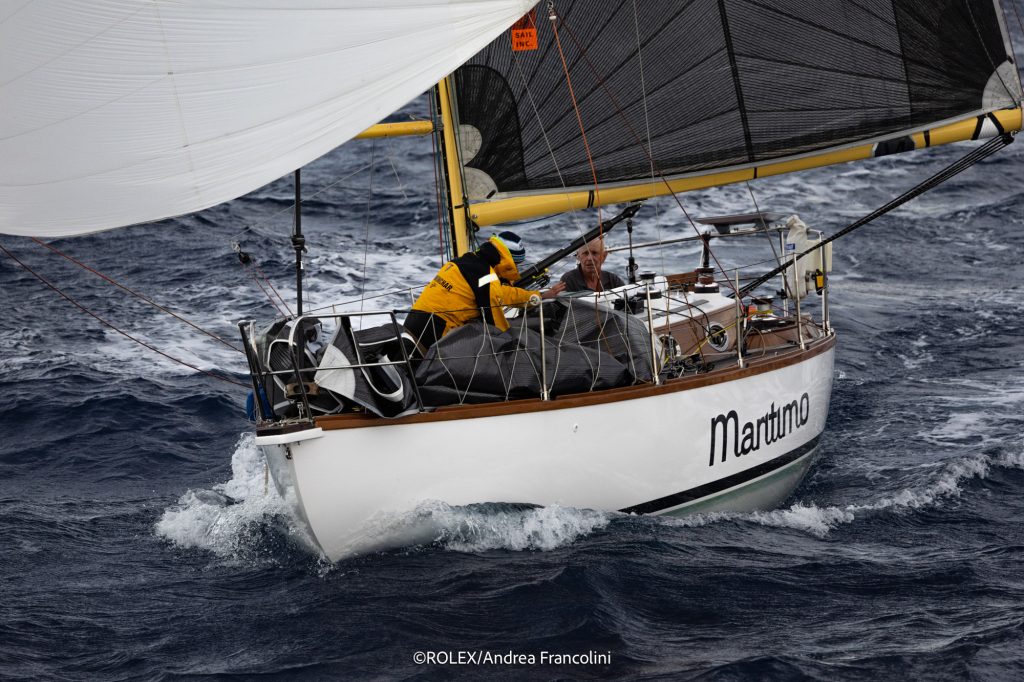
Forecasts change, seas do not
The race did not unfold as hoped.
What was expected to be a hard opening phase followed by moderation turned into sustained, grinding conditions. The first night was rough but manageable. The second night offered no relief.
Below decks became difficult to use. Sleep was scarce. Every sail change and course adjustment required full effort.
Katwinchar was still moving and still racing. But she was doing so near the limit where progress slows, and control begins to cost too much.
When tired people make poor decisions
The retirement notice would later read simply skipper’s discretion.
That line hides the real driver offshore. Fatigue.
A handful of small electronic issues emerged. None were serious on their own. Together, they demanded attention at a time when mental reserves were already thin.
Spies saw the warning signs clearly. Tired sailors make small errors. Small errors escalate at sea. History has taught that lesson too many times.
Katwincher tour with Michael Spies
The moment the call was made
At 8.20 pm on the second night, the decision was taken to withdraw.
The outlook ahead was worse, not better. Speed was disappearing. The seaway was being built. The risk of slipping into survival mode was close.
The discussion on-board was short. The crew agreed. No one argued to push on. Everyone understood the trade-off.
The yacht turned away with her integrity intact and her crew unhurt.
Experience without bravado
This was Spies’ forty-seventh Sydney Hobart. Next year will be his forty-eighth.
He speaks openly about how judgement changes with time. Not because the competitive drive fades, but because perspective sharpens.
He rejects the idea that stepping away is weakness. In his view, modern offshore sailing is safer precisely because skippers act earlier than they once did.
This year’s race finished without loss of life. For him, that matters more than any result line.
A century-old hull holds firm
If the decision ended the race, the boat herself delivered reassurance.
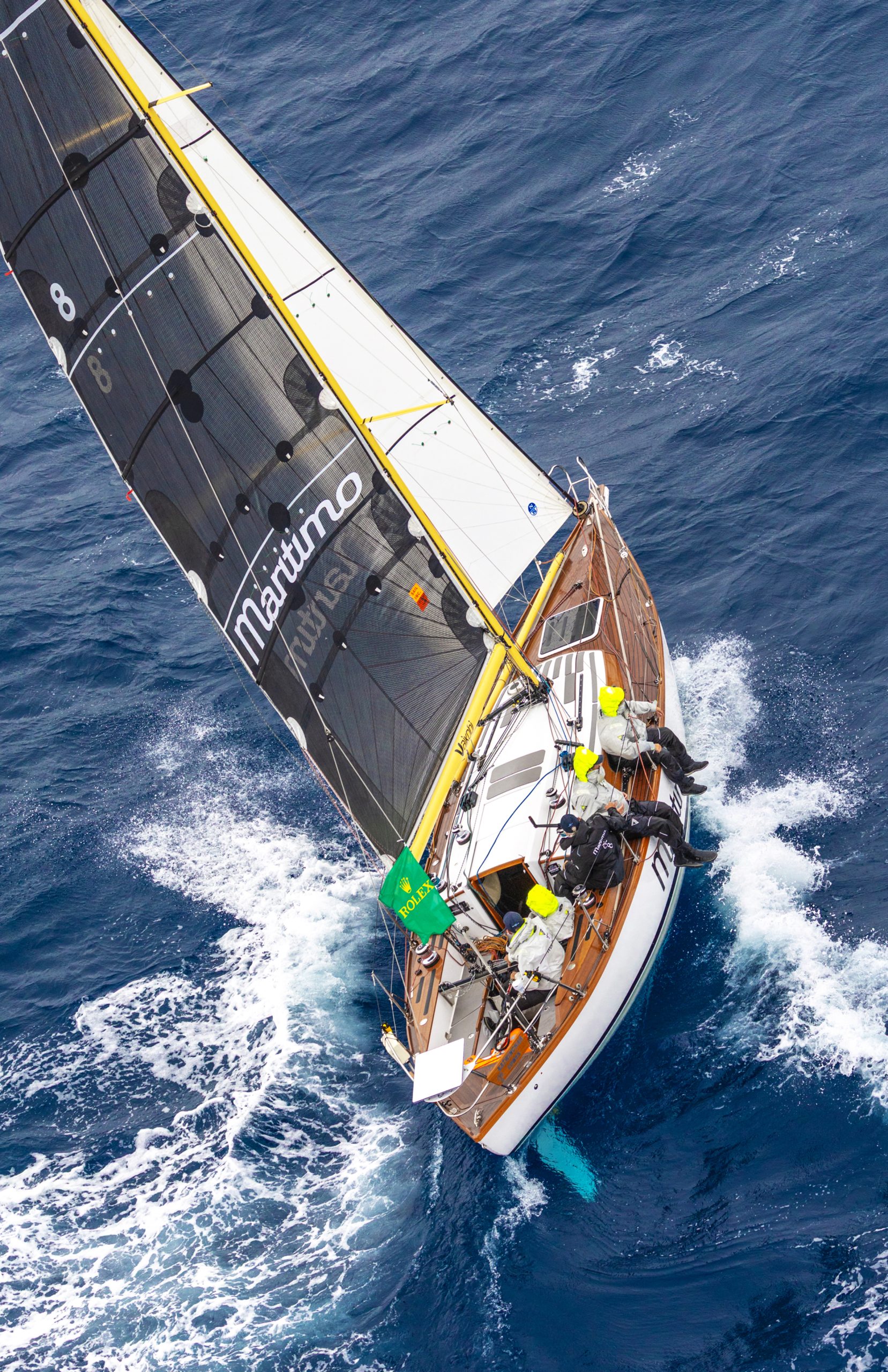
Structurally, Katwinchar stood up to the conditions. Original hull plates from 1904 carried the load. Modern deck work and successive rigs did their job.
Spies takes pride in the balance between preservation and performance. Modern materials support an old structure without erasing its character. The boat remains herself, not a replica.
Racing something of this age alongside the newest designs is not nostalgia. It is proof that good stewardship still counts.
Sailing your own race
Katwinchar is not raced like a modern fleet boat.
There is no covering moves or reacting to rivals. The crew sail their own plan, focused on managing the boat rather than the scoreboard.
Safety requirements are identical. The difference lies in mindset. Every manoeuvre is considered. Every decision weighs the long view.
That approach becomes critical when conditions refuse to ease.
Learning the hard way, on purpose
For Maritimo, the campaign served a wider purpose.
Offshore racing remains a proving ground. Systems are tested under load. Components fail where they would never fail alongside a pontoon.
Those lessons feed directly back into development. What does not work is removed. What survives earns its place.
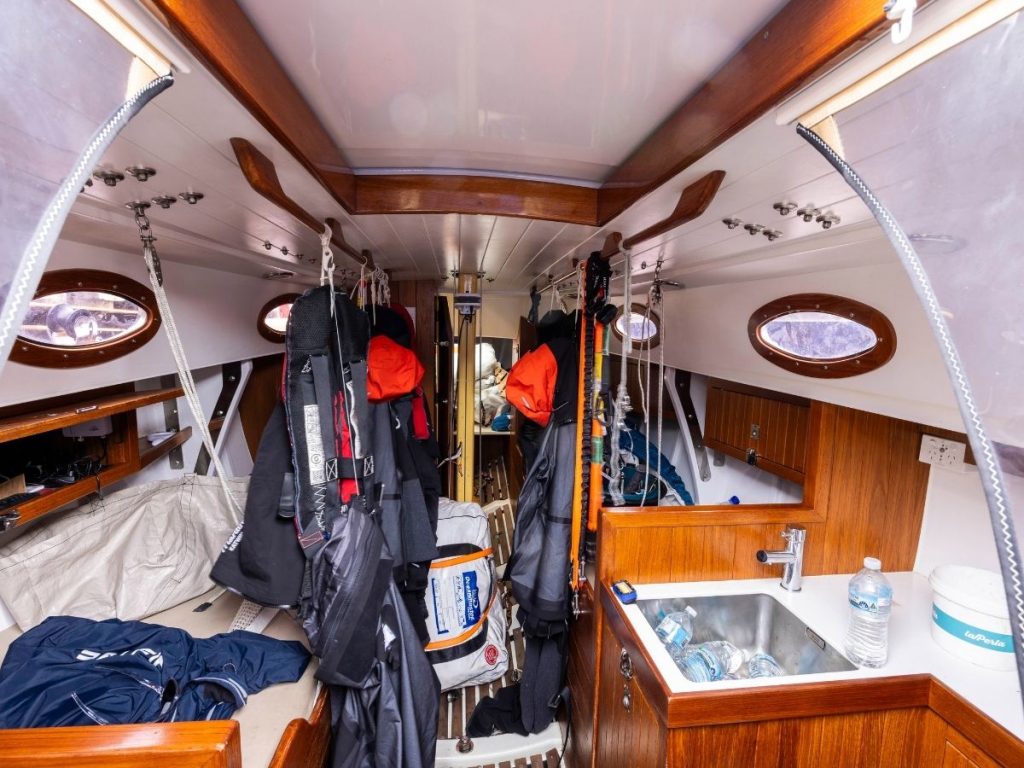
It is not comfortable, but it is effective. Customers never see the failures, only the improvements that come from them.
What success looks like afterwards
Katwinchar did not finish the Sydney Hobart.
She returned in one piece. Her crew walked ashore uninjured. No outside help was required.
Spies is clear. He would make the same call again.
Whether Katwinchar returns to the race remains open. Conditions would need to suit. The risk would need to be acceptable.
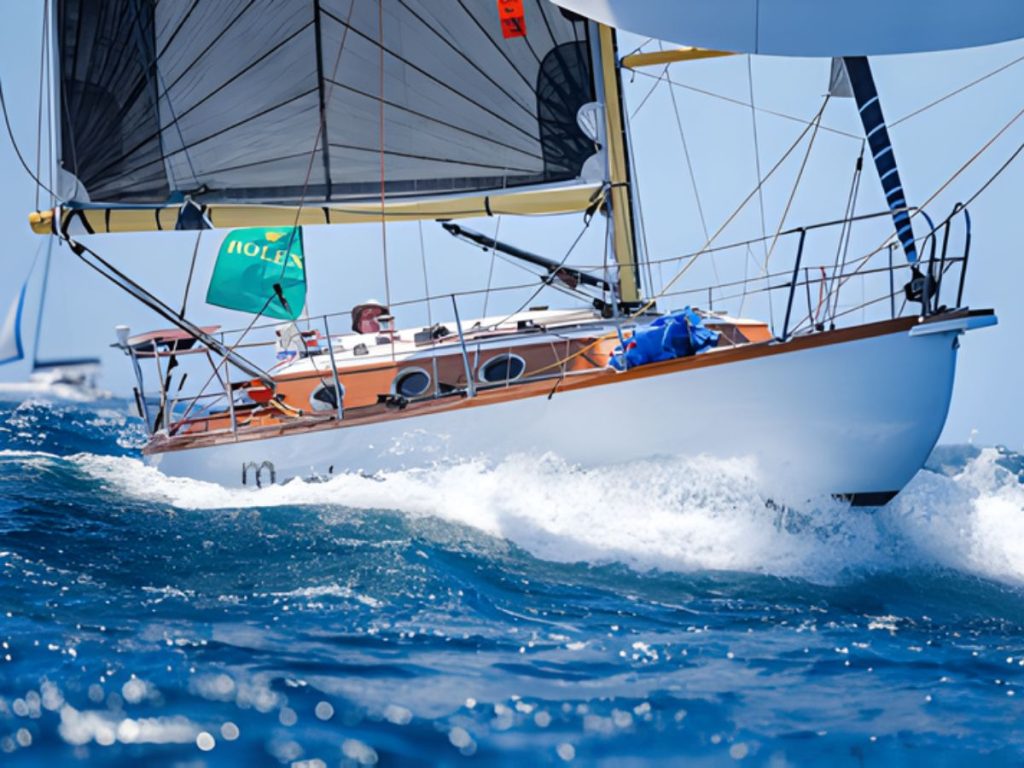
For now, the campaign stands as a reminder that seamanship is not only about pressing on. Sometimes it is about knowing when enough is enough.
Offshore, that judgement is what lasts.