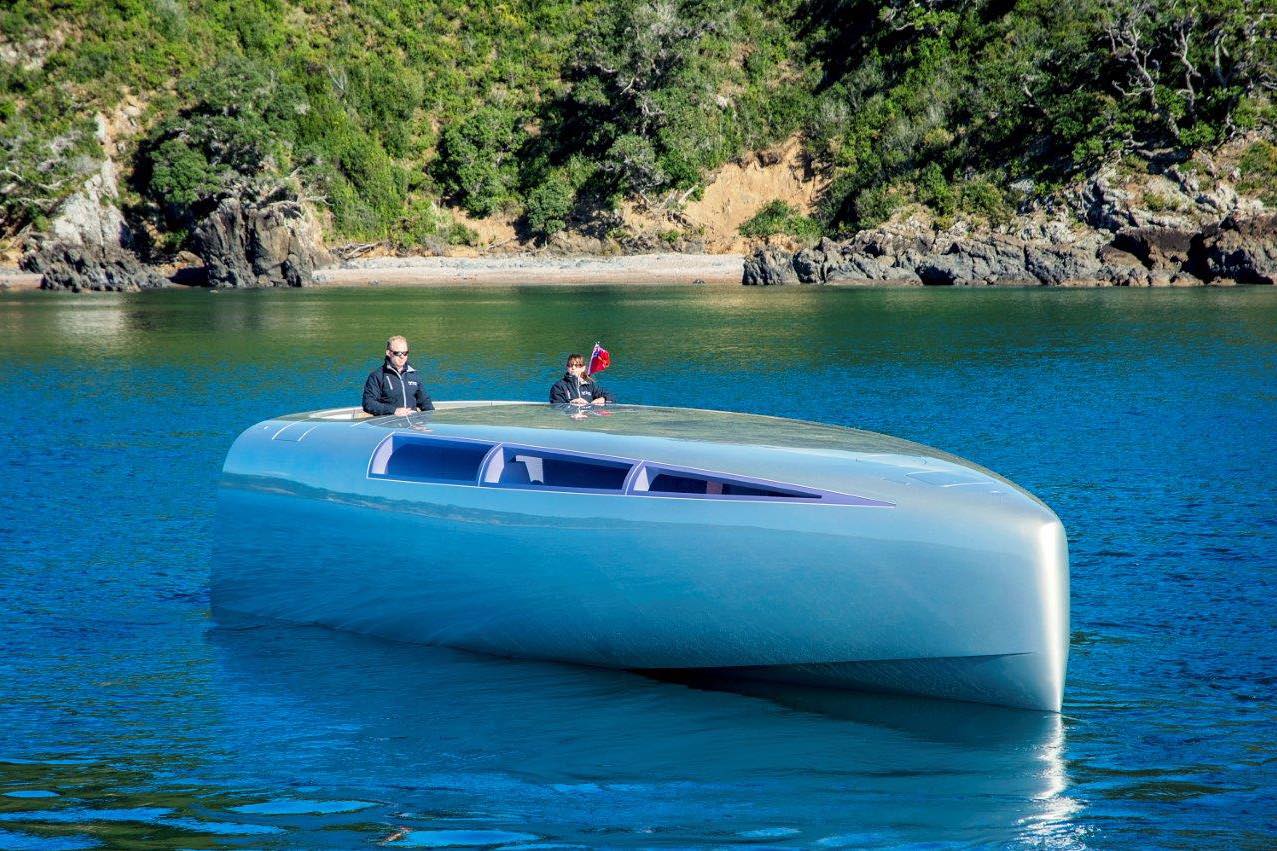
Kiwi craftsmanship now supports two of the ten largest sailing yachts on the planet.
New Zealand’s footprint in the superyacht world
New Zealand yards have built strong reputations for custom craftsmanship, clean composite work, and a calm approach to complex builds. That reputation stepped into rare territory again when SuperYacht Times released its latest list of the top ten largest sailing yachts in the world, confirming that two of these giants carry tenders built by Lloyd Stevenson Boatbuilders in Auckland.
For any local yard, involvement with even one record-breaking yacht would be a moment worth noting. Supporting two of them reflects a level of trust and consistency that few workshops achieve. It also shows how often New Zealand expertise finds its way into the engine rooms, tender bays, and working spaces of the world’s most ambitious yachts.


Sailing Yacht A: an icon with Kiwi support craft
Sailing Yacht A remains the most recognisable sailing yacht ever launched, although she is technically a sail-assisted motor yacht. Owned by Russian billionaire Andrey Melnichenko, she measures 142.8 metres, spreads across eight decks, and carries the largest freestanding carbon masts ever placed on a private vessel. Built by Nobiskrug and launched in 2017, she still draws attention wherever she anchors.
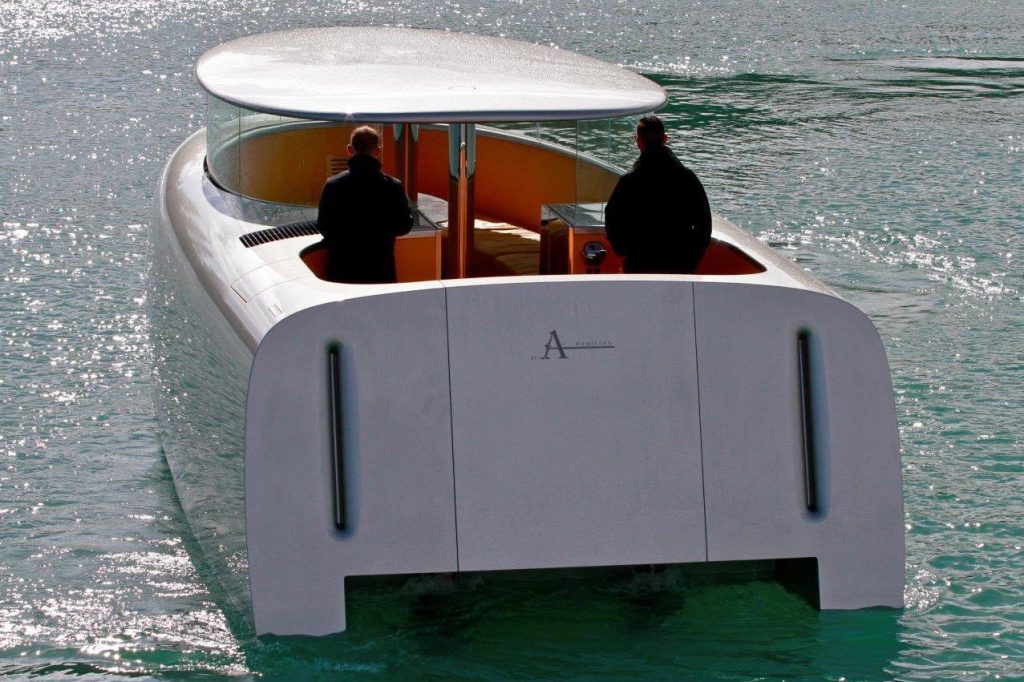
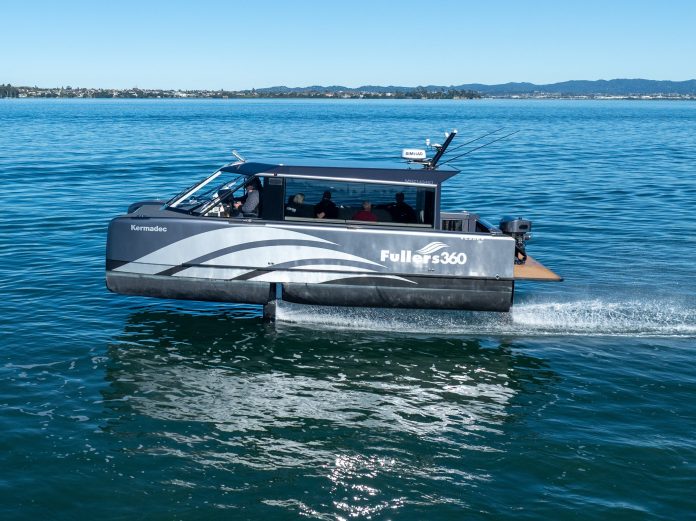
Lloyd Stevenson Boatbuilders built four bespoke tenders for her. Each one fills a different role, from guest transfer to beach landings to everyday crew movements. These boats are compact, precise, and engineered to carry out the kind of work that keeps a large yacht running without interruption. Every detail matters, from lifting points to line handling to onboard systems that must work first time, every time.
The set includes a forward helm sport tender, a beach landing craft with a bow ramp system, a guest launch built to a fine finish, and a utility tender with the toughness required for constant use. The complexity of these builds sits well above that of many recreational craft. Tight weight targets, detailed composite schedules, and intricate systems require a level of care that only a handful of yards take on.
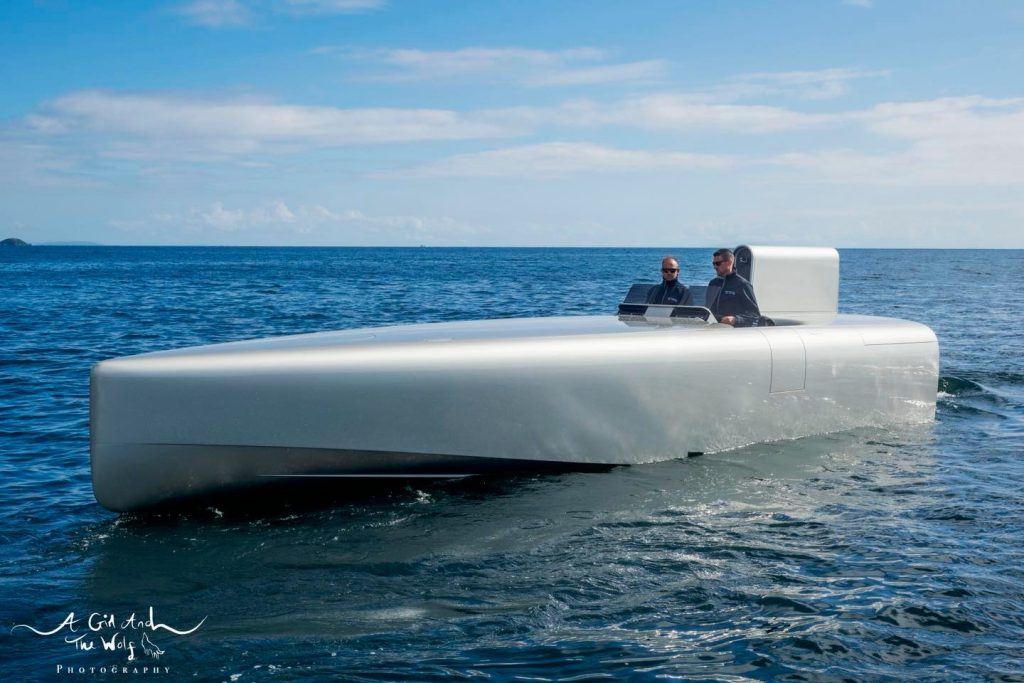
Those tenders still shape workshop practice inside the company, particularly around sequencing, engineering clarity, and surface finishing.
Sea Eagle II: a new limousine tender underway
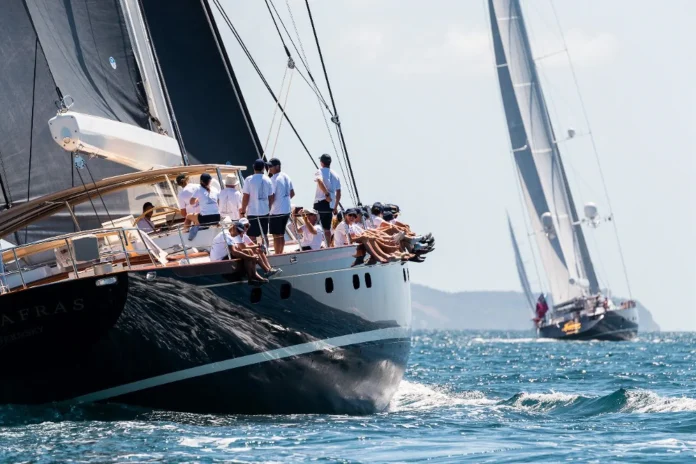
Sea Eagle II, the 81 metre Royal Huisman ketch launched in 2020, is another standout in the global top ten. Designed by Dykstra Naval Architects with interiors by Mark Whiteley, she is one of the largest aluminium sailing yachts ever built. Her long waterline, powerful ketch rig, and broad deck spaces show a yacht created for passage making as well as private cruising.

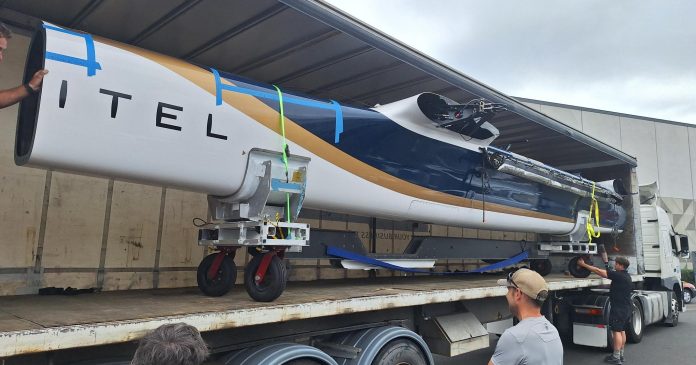
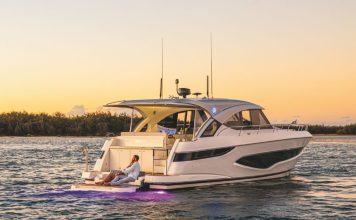
Lloyd Stevenson Boatbuilders has begun construction on a new Bakewell White 8.5 metre limousine tender for Sea Eagle II. The design blends sharp exterior lines with a sheltered guest cabin, carefully managed weight distribution, and the quiet ride needed for transfers in wind shifts and harbour chop. A limousine tender must protect guests from spray, deliver them in comfort, and present the standards expected aboard a superyacht of this size.
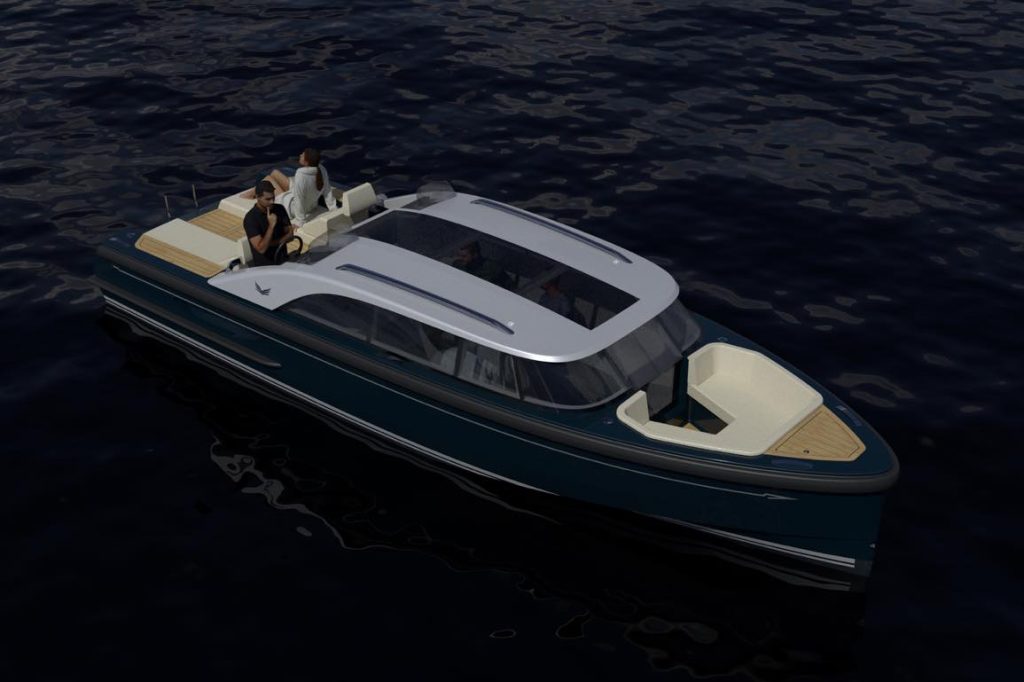
The partnership between LSB and Bakewell White continues to produce thoughtful, capable tenders. This new build will move through the workshop in defined stages, from composite layup to fairing to fit-out. Each trade works within controlled bays so the finish remains tidy and consistent. Systems integration, paint work, and interior detailing receive the same level of attention found on the larger yacht the tender will serve.
Why these yachts choose Kiwi tenders
New Zealand builders hold a strong position in the market for custom tenders because they retain the willingness to take on one-off work. A large number of international yards prefer repetition and scale. Kiwi workshops often specialise in the opposite, thriving in the space where designers, captains, and yards need flexibility and careful problem solving.
Owners and captains want tenders that are light but strong, reliable under pressure, easy to service, and predictable in tricky conditions. They also look for tidy engineering, thoughtful layouts, and clean composite structures that do not carry unnecessary weight. These are familiar strengths inside New Zealand’s marine sector and continue to draw work from far beyond our shores.
A wider win for the local marine sector
Projects of this scale reach into many corners of the industry. They support local suppliers, strengthen the links between New Zealand designers and international yards, and give younger tradespeople a chance to work on world-class builds without leaving home. They also show that New Zealand can stand confidently within the global tender market, where expectations are high and delivery must be exact.
When a Kiwi-built tender rolls into the bay of a yacht that ranks among the world’s largest sailing yachts, it carries more than its own weight. It carries the story of local skills, specialist trades, and the steady, careful craft that keeps New Zealand at the table for work that many countries now struggle to deliver.
The connection between Lloyd Stevenson Boatbuilders, Sailing Yacht A, and Sea Eagle II reinforces that strength. It also shows that New Zealand’s marine sector remains ready for projects that demand precision and trust. As the Sea Eagle II limousine tender takes shape, that story continues to grow.