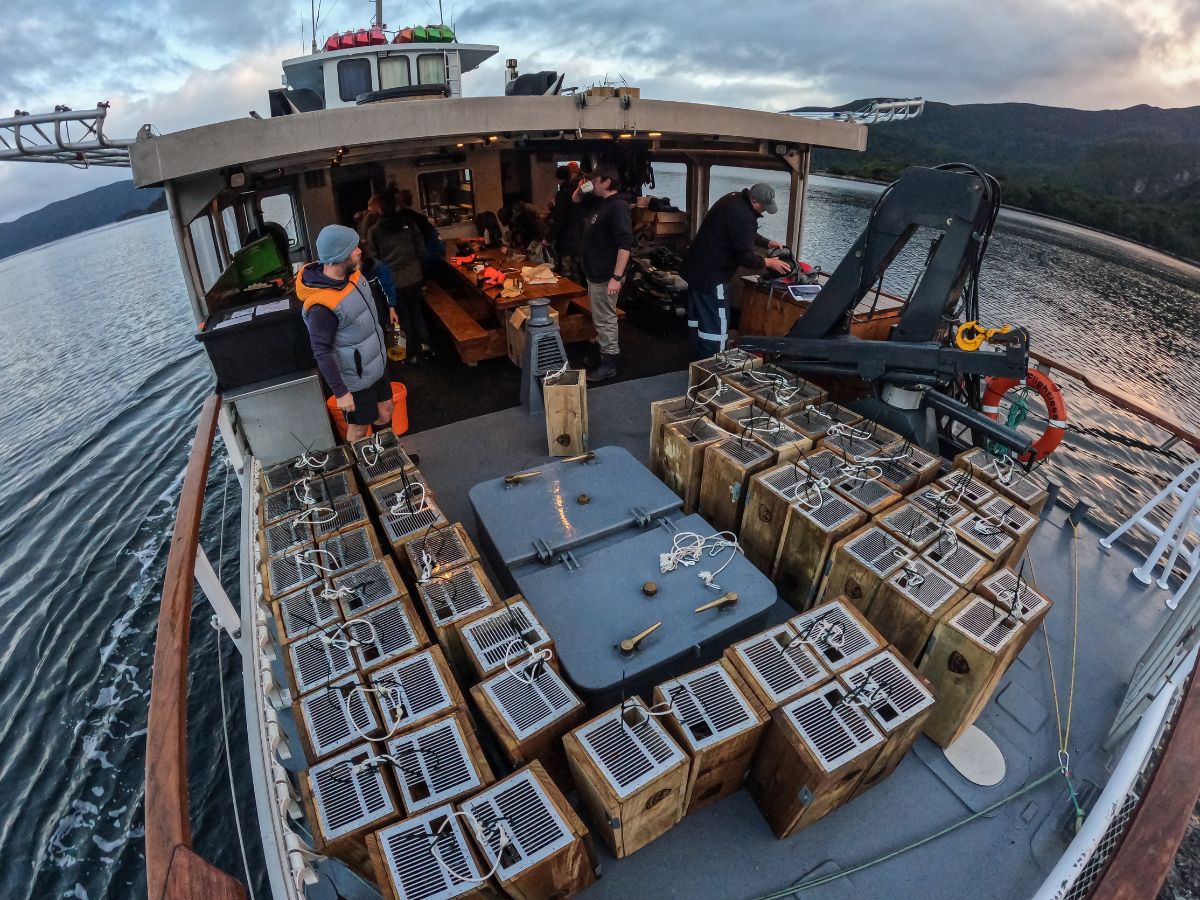
Dusky Sound does not give much away. The fiords are steep and rain soaked. The silence can feel deliberate. Access is limited. Weather, distance, and isolation dictate the pace. Everything takes longer than expected.
It is here that Pure Salt operates.
Founded by Maria Kuster and Seán Ellis, the operation works year round in one of New Zealand’s most remote marine environments. Time spent navigating Fiordland has shaped not just their seamanship, but their understanding of responsibility in a World Heritage area.

Pure Salt operates as a social enterprise, with conservation woven directly into its day to day work. It is not an add on or a balancing act. It sits inside how the business functions. That approach is why the Fiordland based charter operation has been named a semi finalist for the 2026 Sustainability Leader of the Year award, part of the Kiwibank New Zealander of the Year Awards.
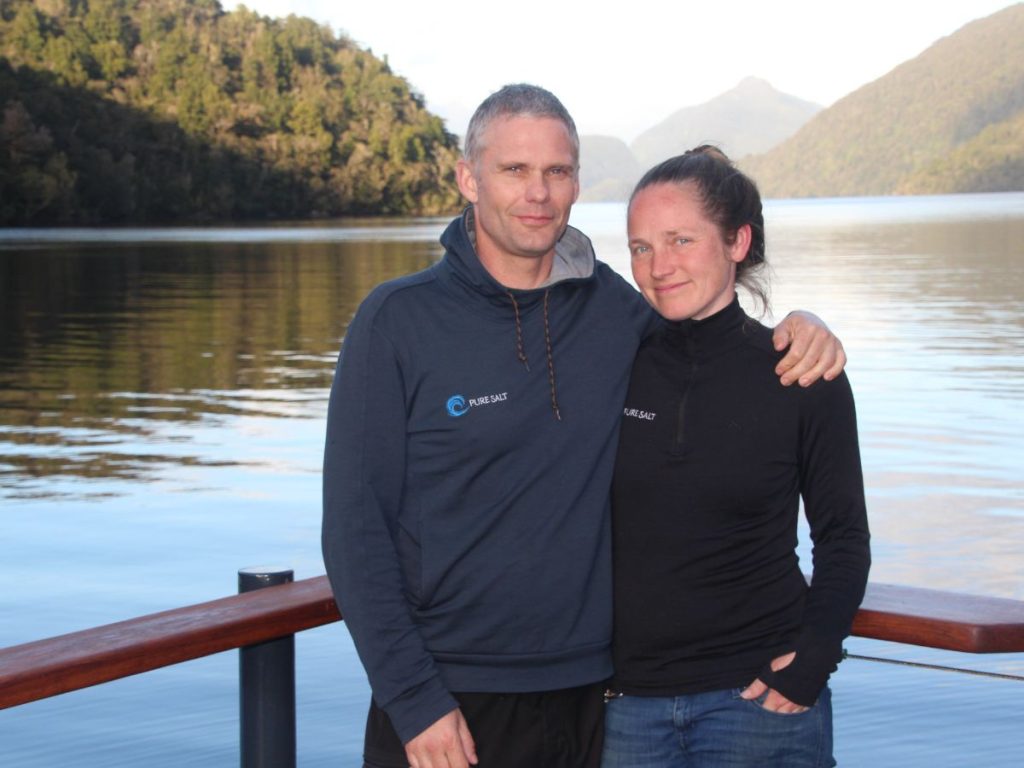
Their involvement began with a straightforward question to the Department of Conservation: where could help be useful. Early work focused on predator trapping on Mamaku Indian Island. From there, efforts expanded to Long Island, Pickersgill Harbour, and nearby islands as gaps became clear.
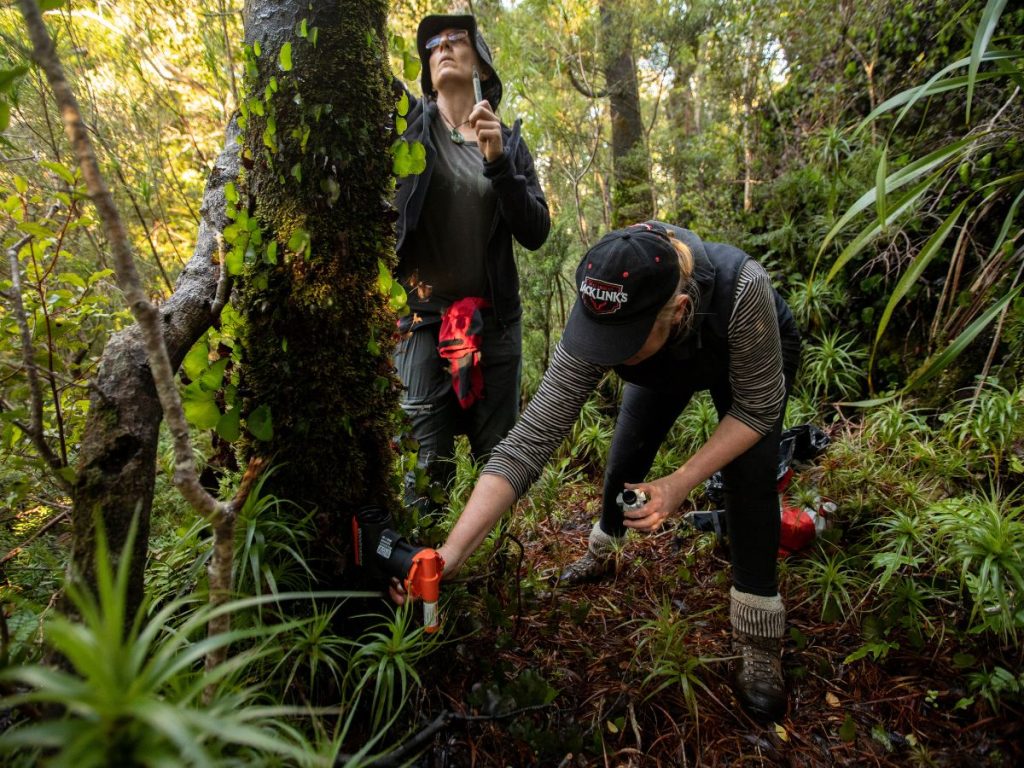
Over time, the scale increased. Today, Pure Salt supports predator control work across large parts of Dusky Sound, including Mauikatau Resolution Island, New Zealand’s fifth largest island. That work includes transporting teams, assisting with trap checks and monitoring, servicing camera networks, and supporting regular field trips across steep, forested terrain where access is difficult and conditions are rarely forgiving.
Pure Salt also supports the trialling of new predator detection and monitoring tools, contributing vessel time and hands on assistance to projects testing cameras, sound lures, and emerging methods. The work is carried out alongside DOC staff, iwi, scientists, and volunteers. In Dusky Sound, collaboration is not optional. It is how progress is made.
Conservation in Fiordland does not stop at the shoreline. Below the waterline, the environment becomes even more fragile.
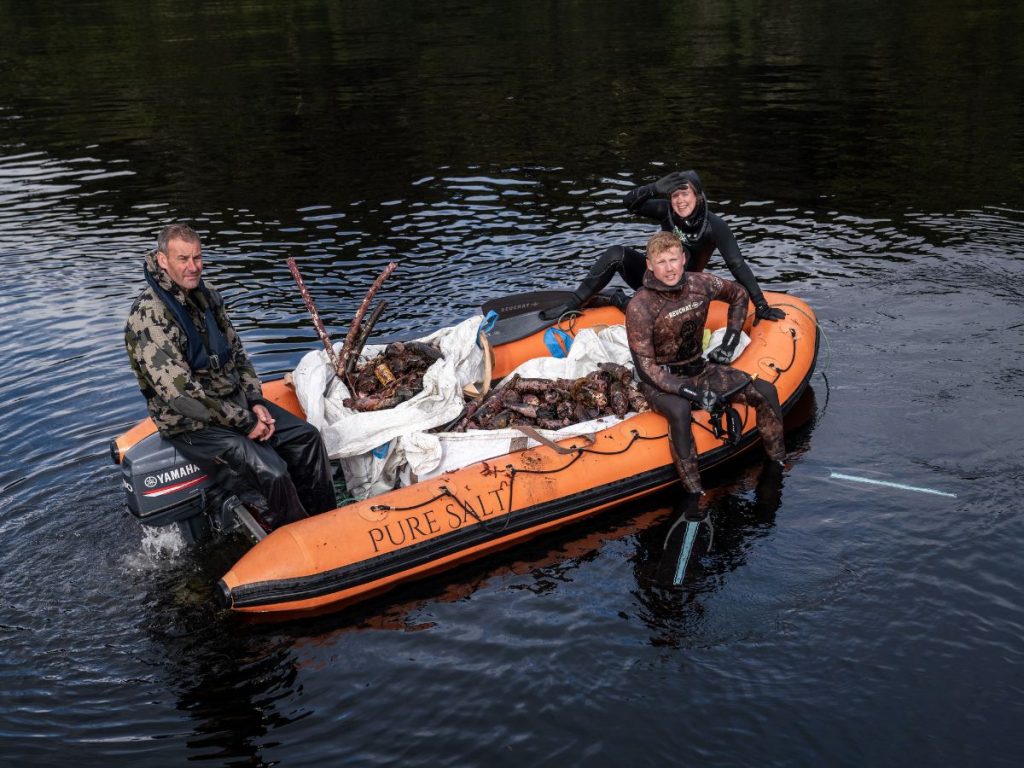
Heavy rainfall filters through forest soils, staining freshwater with tannins. That freshwater layer floats on the surface, blocking light and creating deep water conditions in shallow zones. Species normally found far below the surface live within diver reach.
Black corals, glass sponges, and other slow growing organisms are common here and easily damaged. Anchoring, sediment movement, and invasive species pose ongoing risks.
Pure Salt supports marine focused conservation work, including underwater clean ups, biosecurity awareness, and fishing practices shaped by the sensitivity of the environment. In Dusky Sound, managing how people move through the fiords matters as much as managing what is taken from them.
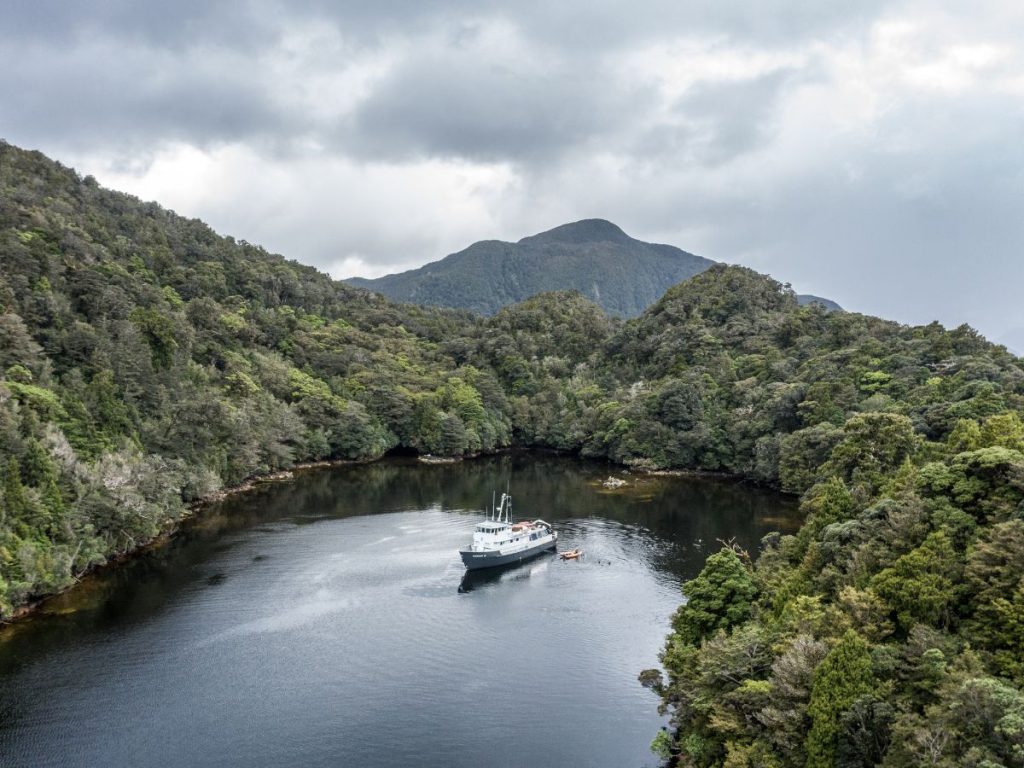
This is where the nomination carries weight. It reflects conservation integrated into everyday work, carried out trip by trip in a place that rewards patience and exposes shortcuts.
And in Dusky Sound, that is often the only way anything lasting gets done.