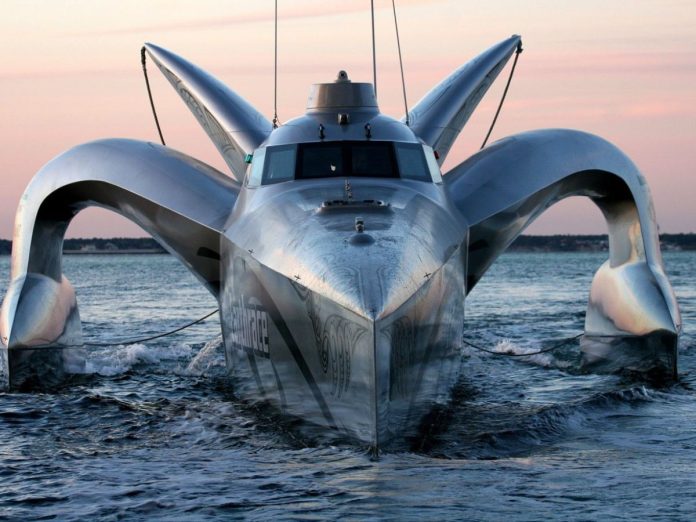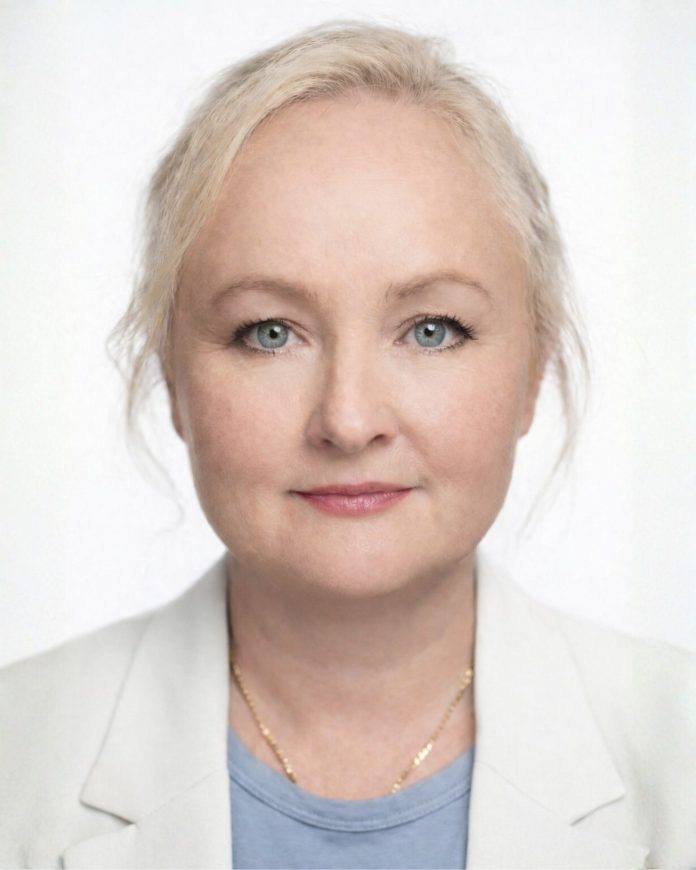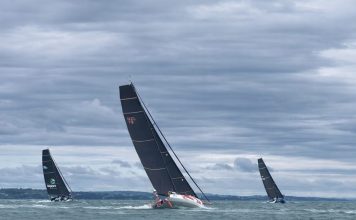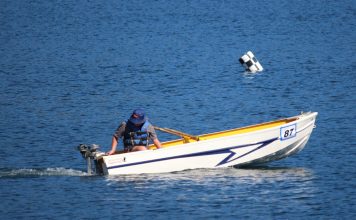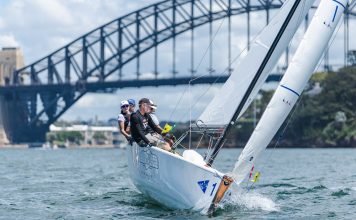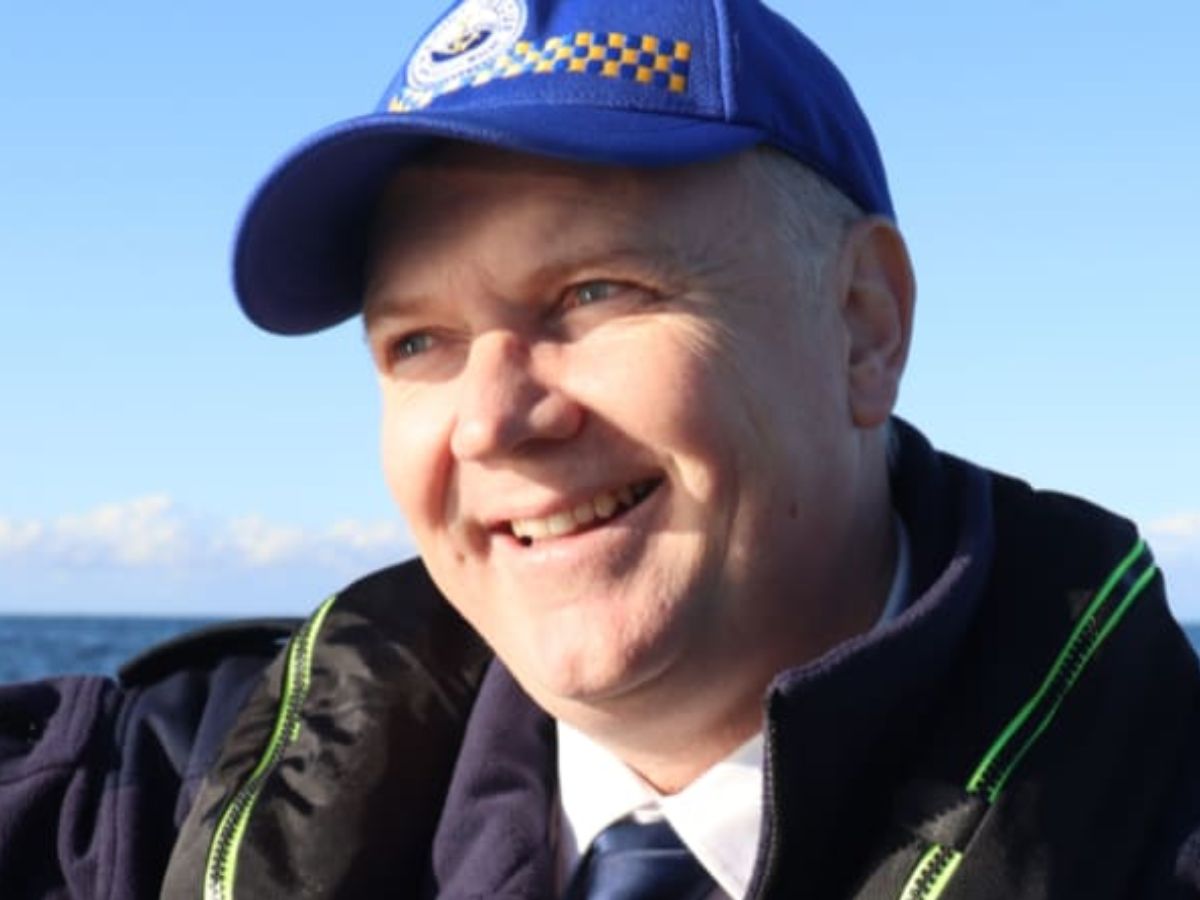
Mike Hammond says tomorrow’s rescue boats may look very different from the fleets we know today.
Marine rescue boats have long relied on diesel power, tough hulls and range above all else. They remain the backbone of offshore response. But Mike Hammond, Superintendent of Marine Rescue New South Wales and a Churchill Fellow, believes change is closer than many expect. After visiting boatbuilders and SAR organisations across Europe, Japan and the United States, he returned convinced that new propulsion systems and hull technologies will soon influence how rescue fleets are designed.
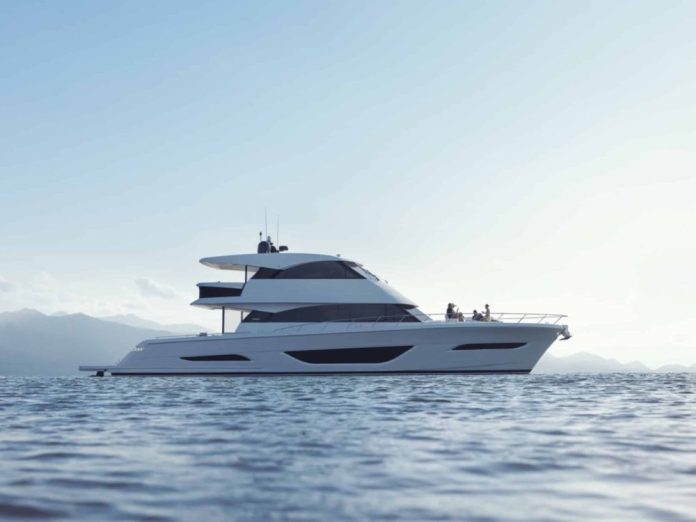
Much of that innovation is already visible on the recreational side of boating. Sleek electric craft, advanced battery systems and modern foils are arriving in marinas faster than predicted. Hammond argues that SAR agencies must understand not only how to rescue these vessels but also how some may eventually support rescue work themselves.

Quiet power, smoother rides
One of the strongest advantages of next generation boats is how little noise and vibration they produce. In a search, silence matters. A crew trying to hear a faint call from the water stands a better chance when the engines are not rumbling beneath their feet.
Ride quality is another improvement. Active foil systems adjust rapidly to sea state, lifting the hull clear of the chop. The result is a more stable, predictable motion. Hammond sees real value in this for casualty care and crew endurance. A smoother ride reduces fatigue and helps responders work safely, especially during long operations.
Where these vessels fit best
Electric propulsion is not ready to replace diesel offshore, but Hammond believes it could excel in short range missions. Harbours, estuaries and river systems favour quick acceleration, low wake and lower running cost. As batteries improve, these vessels will gain more reach.
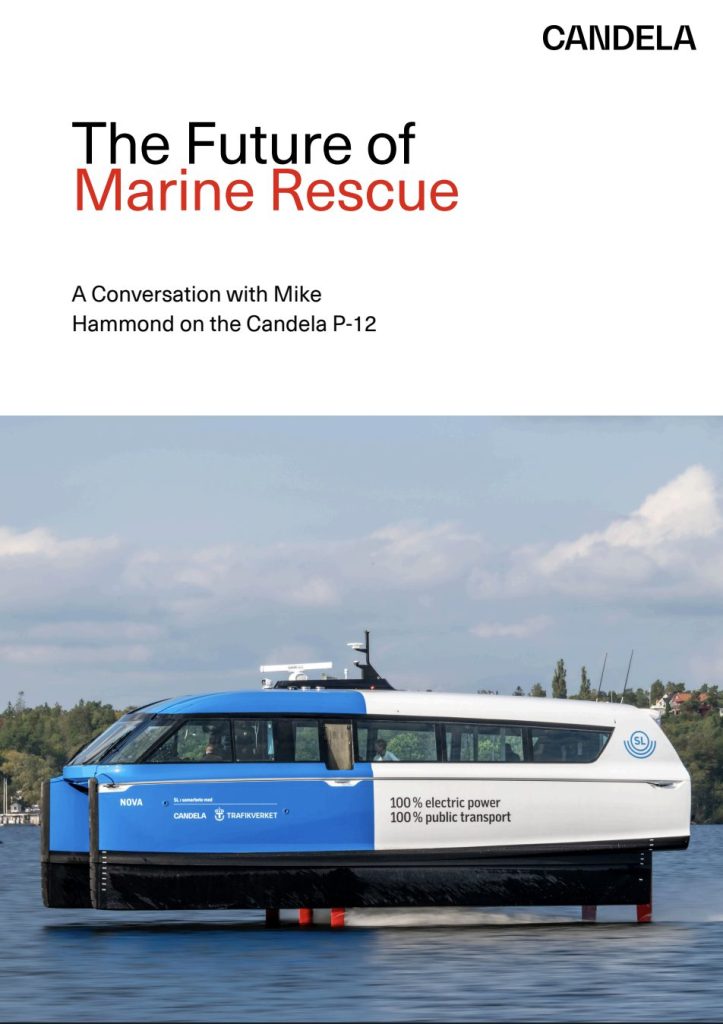
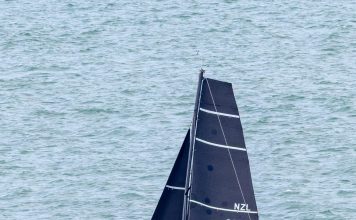
Hydrofoils add further efficiency by reducing drag at speed. During his Fellowship, Hammond trialled a Swedish built foiling vessel that delivered impressive range for its size. While every craft must be evaluated on safety and structural strength, he sees potential for these boats as part of a wider fleet.
Learning from early prototypes
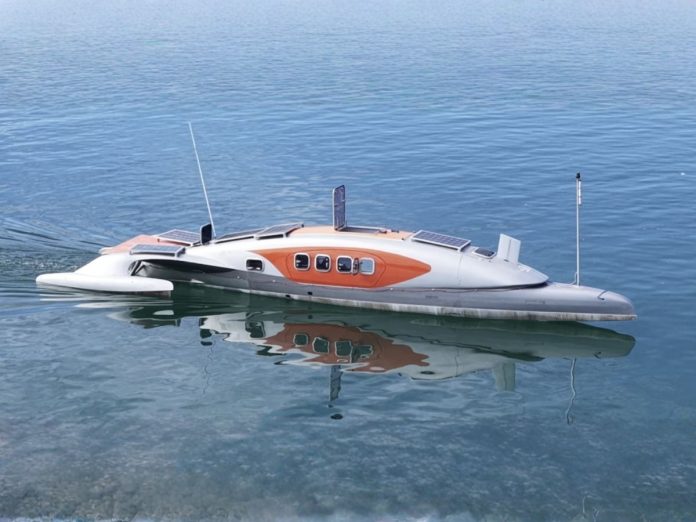
Some European countries are already experimenting with low emission rescue craft. Sweden’s Project Elinn, a nine metre electric prototype, is designed specifically to gather operational feedback. Hammond expects trials like this to guide future fleet thinking, with lessons shared internationally.

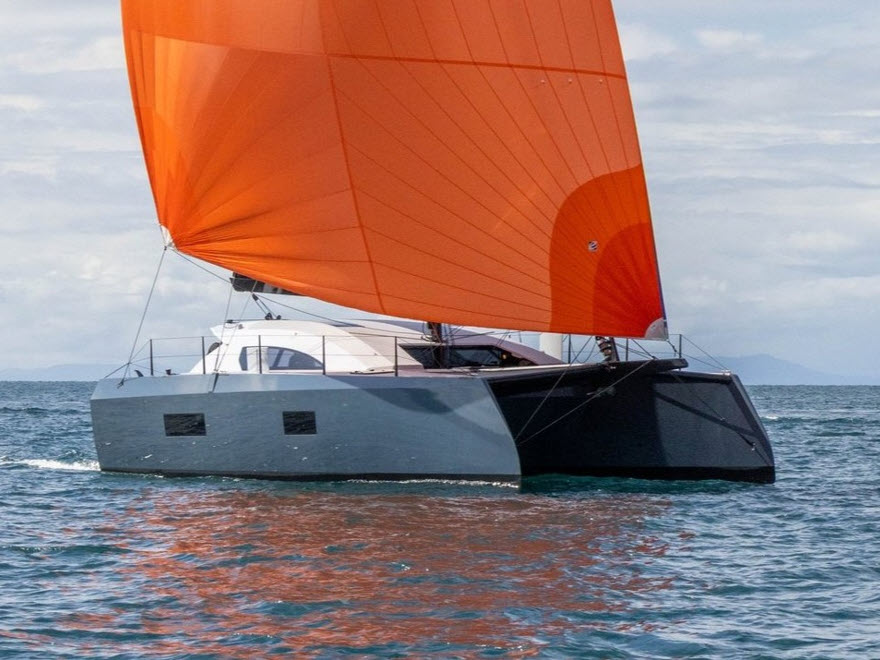
For New Zealand and Australia, the appeal is clear. Our waters range from rough offshore coastlines to flat, narrow harbours. No single vessel suits every environment, but a more diverse fleet could give agencies better tools for different missions.
A mixed fleet approach
Hammond does not anticipate diesel engines disappearing. Offshore rescues still demand long range, towing strength and the confidence to face heavy seas. But for inshore work, he sees electric and hybrid craft becoming natural additions. Foiling boats could offer speed and comfort where low wake and fast response matter. Over time, agencies may operate a blend of traditional and modern platforms, supported by updated training and maintenance systems.
Recreational boaters will see these changes too. As electric and foiling vessels grow more common, their handling, behaviour and emergency needs will influence how SAR teams respond. Hammond’s work gives boaters a glimpse of the fleet that may one day assist them.
A careful step forward
Hammond is enthusiastic about what new designs can offer, but he emphasises caution. “We must embrace innovation, but we must do it safely,” he says. Future rescue fleets should focus on capability: better ride quality, safer working conditions, improved search effectiveness and efficient operations. Technology is a tool, not a shortcut.
His research suggests a future where new vessel types support responders and strengthen rescue outcomes. It is not a revolution overnight, but a gradual evolution toward smarter, cleaner and more versatile rescue craft.

Reference: Mike Hammond: ‘We need to get ready now’ for electric boat rescues, International Maritime Federation
For those who wish to learn more, Hammond will present his research at the Global Maritime SAR Forum (GMSF) in early 2026.