High overnight attrition reshapes the Sydney to Hobart fleet as leaders press south and crews weigh risk before Bass Strait.
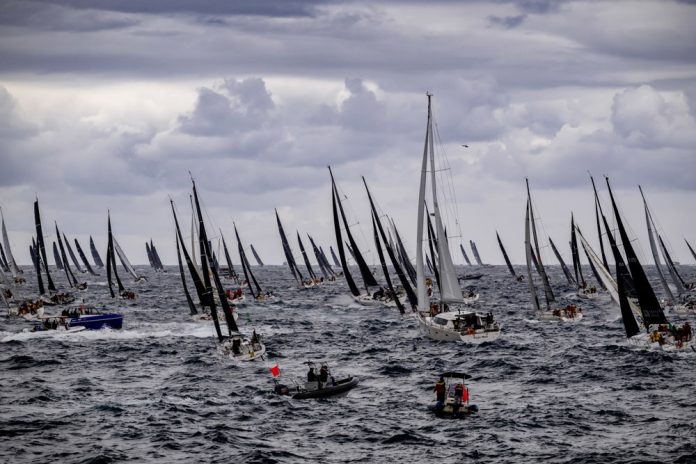
At 05:30 AEDT, the shape of the 80th Rolex Sydney to Hobart Yacht Race is clear. The leaders are intact and pressing south. Behind them, the fleet has been thinned hard overnight, with Bass Strait acting as the decisive filter.
Where the race stands at dawn
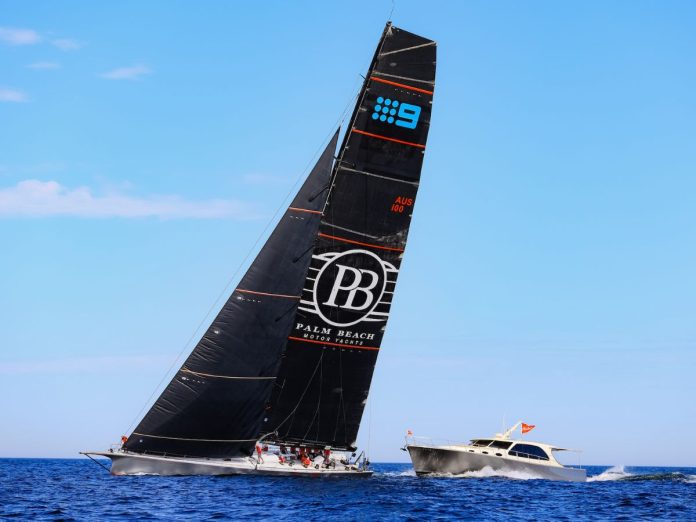
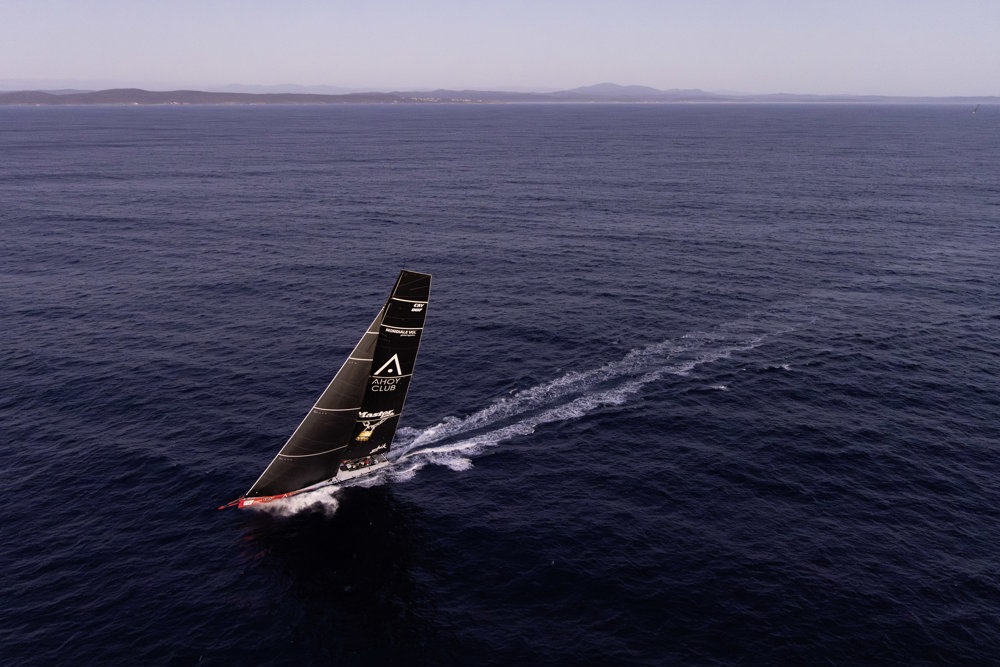
On Line Honours, Master Lock Comanche holds a narrow lead south of Scamander, Tasmania, averaging 11 to 12 knots as the fleet runs down the coast. LawConnect and SHK Scallywag 100 remain in touch, separated by only a few miles and trading small gains as pressure lines shift. Lucky (who has fallen back from yesterday’s cat-and-mouse game with Scallywag) and Palm Beach XI round out the leading group, still close enough to stay relevant if conditions compress.
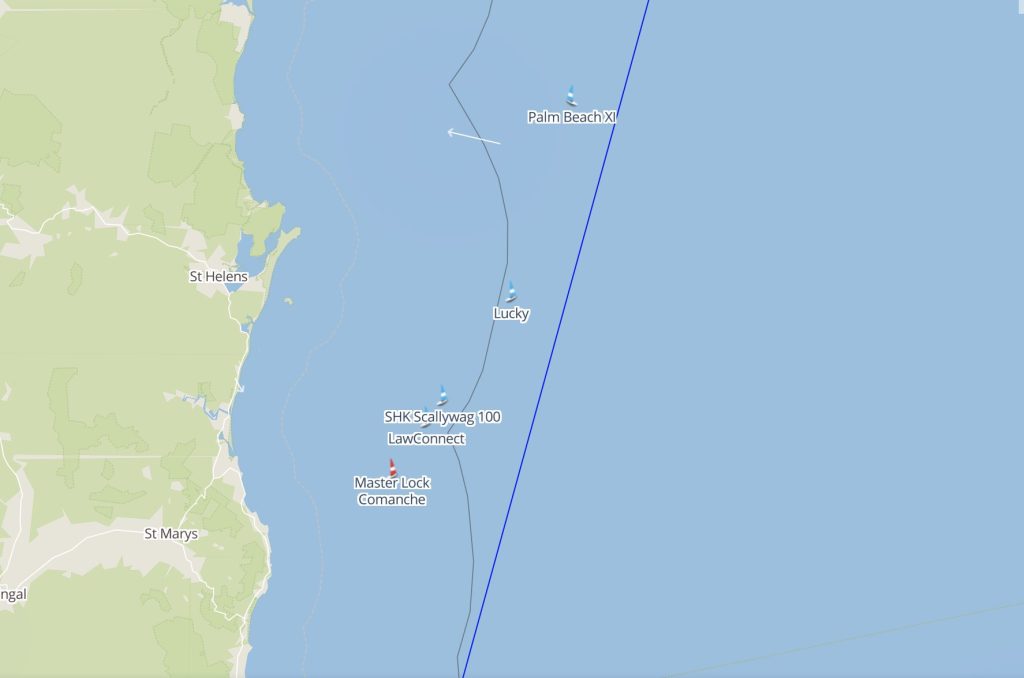
On IRC, Celestial V70 leads on corrected time, with Lucky and Scallywag close behind. New Zealand’s Callisto continues to feature inside the Line Honours and IRC top ten, a steady presence as others fall away. In PHS, Alithia heads the standings as the fleet stretches south.
This remains a live race at the front. Boats are moving well. Margins are tight.
No drama weather
Bass Strait offers no headline drama this morning, but no relief either. Early south south easterlies around seven knots bring a light chop, layered over a short, uncomfortable swell. Through the afternoon, winds are forecast to build from the east to around 14 knots, tightening the sea state.
The combination matters. Short period waves at nine seconds mean constant motion, repeated loading, and fatigue. For crews already worn down by the run south, this is where marginal systems and tired bodies are exposed.
Overnight attrition reshapes the race
By dawn, 30 yachts have retired.
In a cumulative effect of the strong winds and large swells, boats were asked to sail hard, upwind and reaching, in awkward seas for extended periods. The pattern is clear. Hull damage, rigging failures, rudder and steering problems, and electrical or battery issues dominate the retirements. Sail damage exists, but it is not the driver.
Sadly, both Maritimo entries are out. Maritimo 100 retired with electrical issues. The 121-year-old Maritimo Katwinchar was withdrawn at the skipper’s discretion, a conservative call consistent with her age and offshore philosophy. Their exit is telling. When modern systems and historic yachts alike step aside, the threshold to continue is high.
Sydney to Hobart Yacht Race: two Maritimo boats, one hard-earned philosophy
Crew welfare has also driven decisions. Several retirements cite injury or seasickness, particularly among double-handed entries. Suspected rib injuries have forced multiple boats to turn back. The physical toll has been real.
Overnight attrition snapshotTotal retirements to date: 30 yachts Dominant failure types
Notable retirements
Takeaway: Systems and structure failures — not just sail damage — dominate the list, reflecting the workload offshore as boats approach the decisive Bass Strait phase. |
As major names go opportunities shift
The list of notable retirements is sobering. URM Group, a pre-race favourite, is out with hull damage. Wild Thing 100 has retired with rigging issues. Moneypenny, Ocean Crusaders J-Bird, Koa, Mistral, and Kraken 42S are also heading for shelter rather than Hobart.
Each exit reshapes the race. Corrected-time projections move. Tactical reference disappears. Boats still racing are now competing in a thinner, harder fleet.
New Zealand numbers narrow
From a New Zealand perspective, the toll has deepened. Vixen Racing, as reported earlier, retired due to crew injury. Overnight, V5 exited with keel damage. That leaves Callisto, Rum Bucket, and Gizmo as the remaining Kiwi-flagged entries still pressing south. Lucky, while American owned, continues to carry honorary Kiwi interest through her programme and personnel.
It is a smaller group now, but one that has passed the hardest test so far.
Today’s racing
As conditions ease slightly, the fleet that remains is more spread and more exposed. There is less cover, fewer reference boats, and greater pressure on individual decision making. This phase is no longer about bold moves. It is about execution, maintenance, and keeping boat and crew functional.
By the end of today, we expect to have a winner! The fleet will continue to change and look different. If boats haven’t retired by the time they reach Bass Strait then they’re unlikely to. But that is the hardest judgement, whether to commit to Bass Strait. Most skippers have already made that decision.