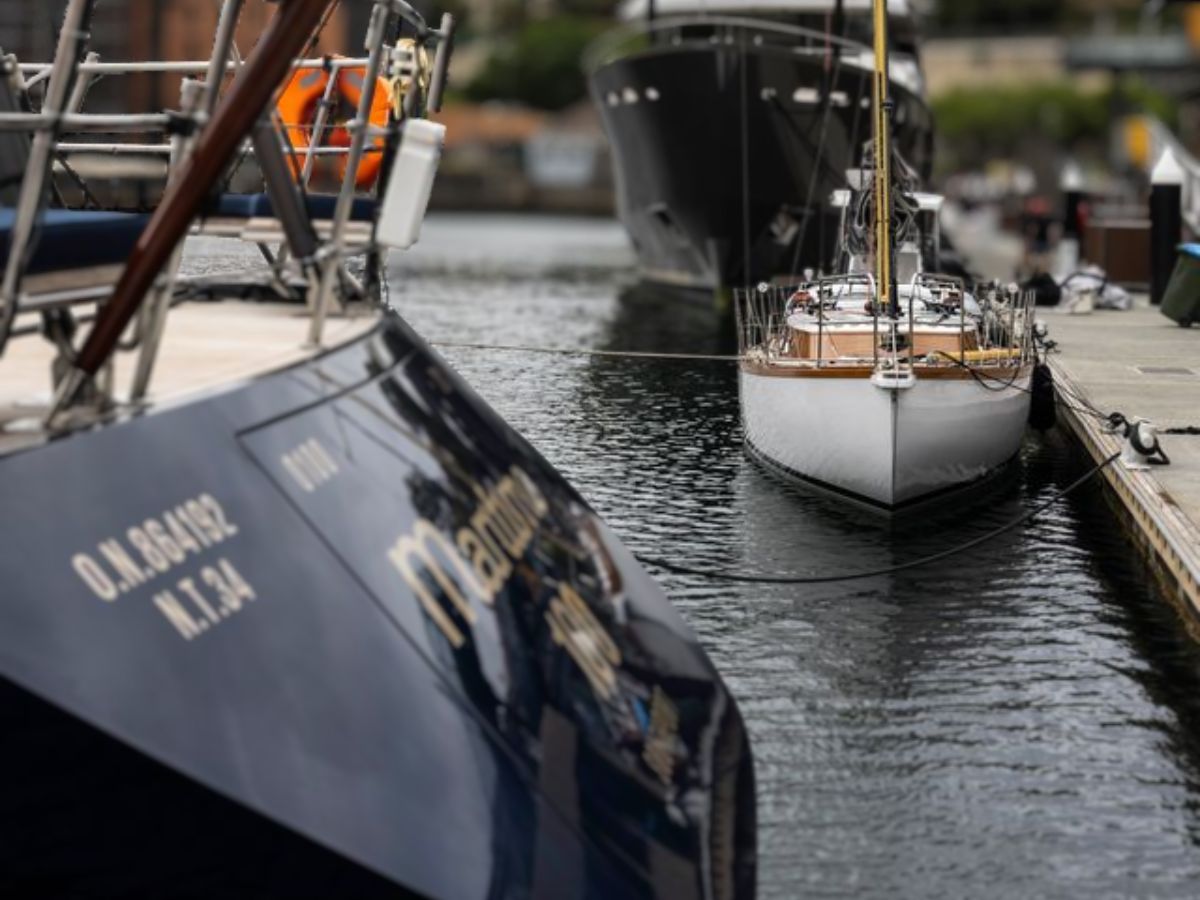
Two very different yachts, one offshore philosophy, and a Sydney to Hobart campaign built on experience, systems thinking, and seamanship rather than show.
To those unfamiliar with the programme, Maritimo’s presence on the Sydney to Hobart start line can seem unusual. One yacht is small, exposed, and more than a century old. The other is modern, refined, and built around comfort and systems integration. The contrast is deliberate.
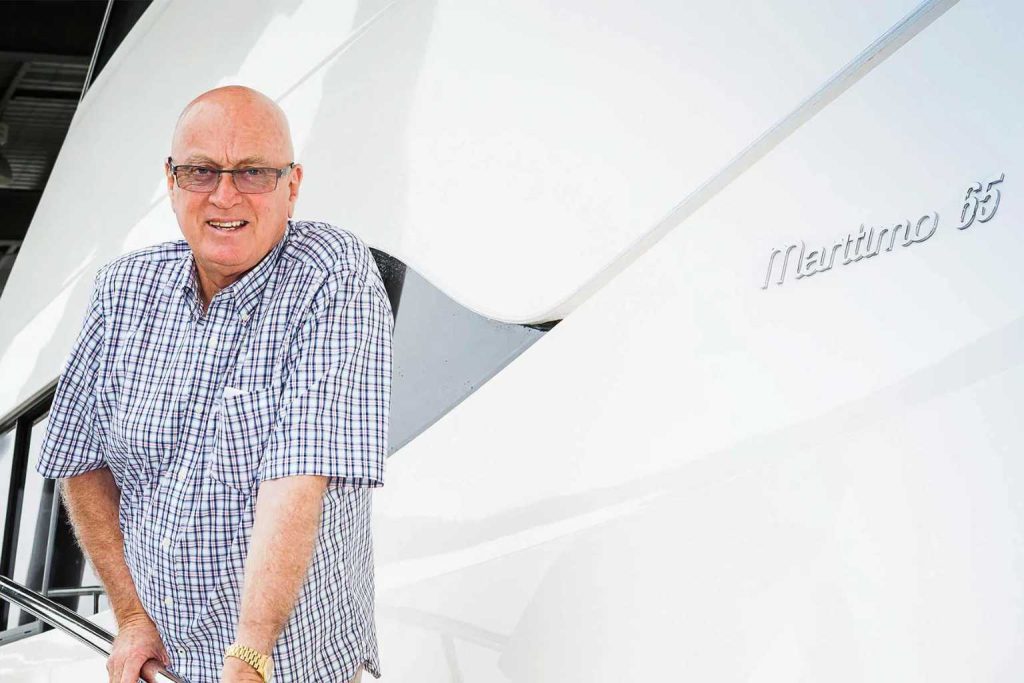
What links Maritimo Katwinchar and Maritimo 100 is intent rather than appearance. Both exist because Bill Barry-Cotter, founder and owner of Maritimo Yachts, continues to value offshore racing as a working environment, a place where decisions carry weight and consequences arrive quickly.
Two boats, deliberate roles
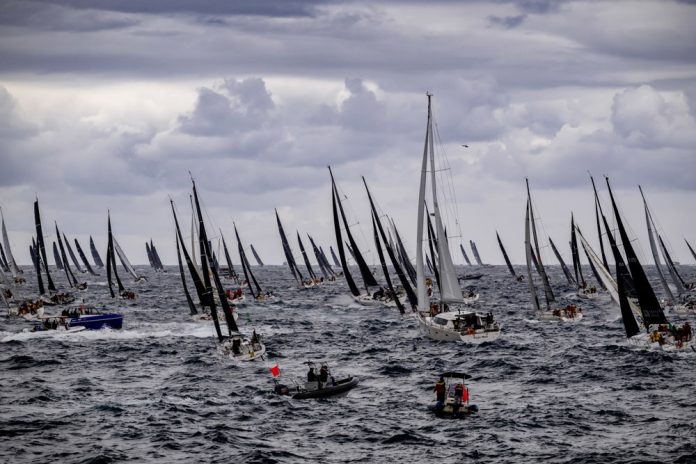
The Sydney to Hobart remains one of the few races where boats, crews, and systems are pushed continuously rather than in bursts. That sustained pressure is what gives the event its relevance.
Maritimo’s involvement in offshore sailing, including the Rolex Sydney to Hobart, is intentional. The contrast between the two boats is not stylistic. Together, they explore ground that neither could cover alone.
Maritimo Katwinchar
Built in 1904, Maritimo Katwinchar was owned by Bill’s father, Frank, and sailed by the family during Bill’s early years on the water. As the boat aged, Bill chose restoration over retirement. Around 14,000 man hours were invested in returning Katwinchar to racing condition, with her character preserved while meeting modern safety expectations.
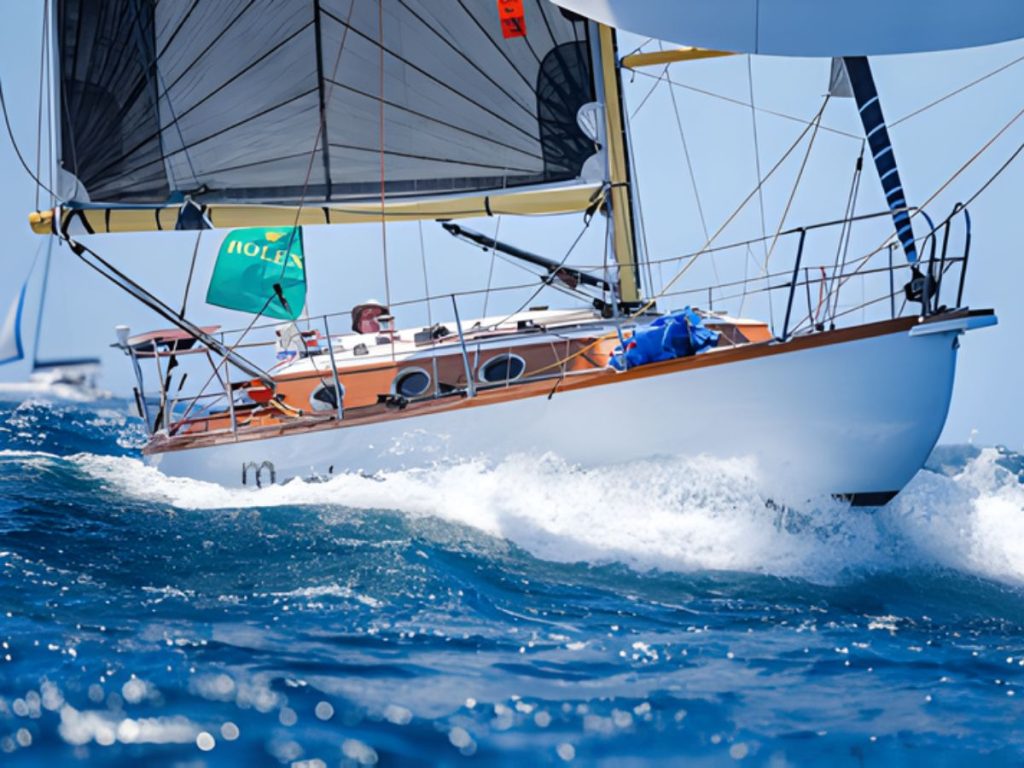
Katwinchar offers no margin for comfort. She demands attention, restraint, and physical effort, and in doing so exposes how sailors respond when conditions deteriorate and fatigue sets in.
The lessons are personal. Watch systems are short. Sleep is fragmented. Sail handling decisions carry immediate consequences. Knowing when to stop racing and protect the boat matters as much as knowing when to push again.
Maritimo 100
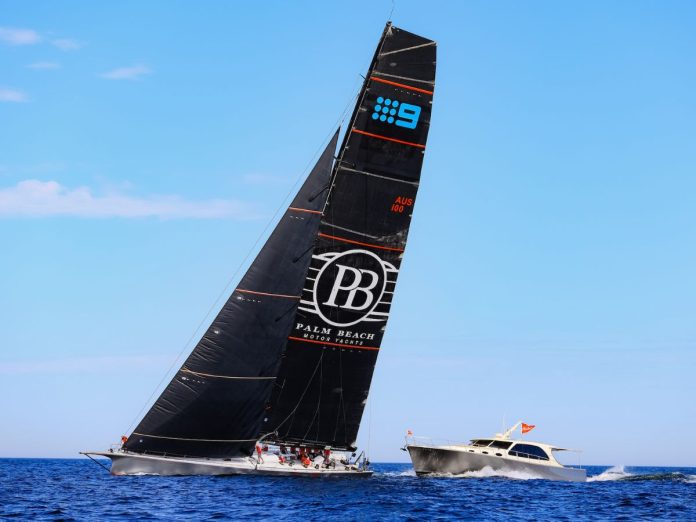
Maritimo 100 represents a later phase of the same journey. Bill still wanted to sail, but on a yacht that allowed him to race without unnecessary hardship. Here, comfort is not indulgence. It is about remaining effective offshore for longer.
She carries the modern side of the programme. Maritimo 100 is a yacht Barry Cotter enjoys sailing, but she also serves as a practical reference point for the factory. Many of the systems onboard mirror those used across Maritimo’s luxury motor yachts, including electrical layouts, plumbing, air conditioning, and general engineering.
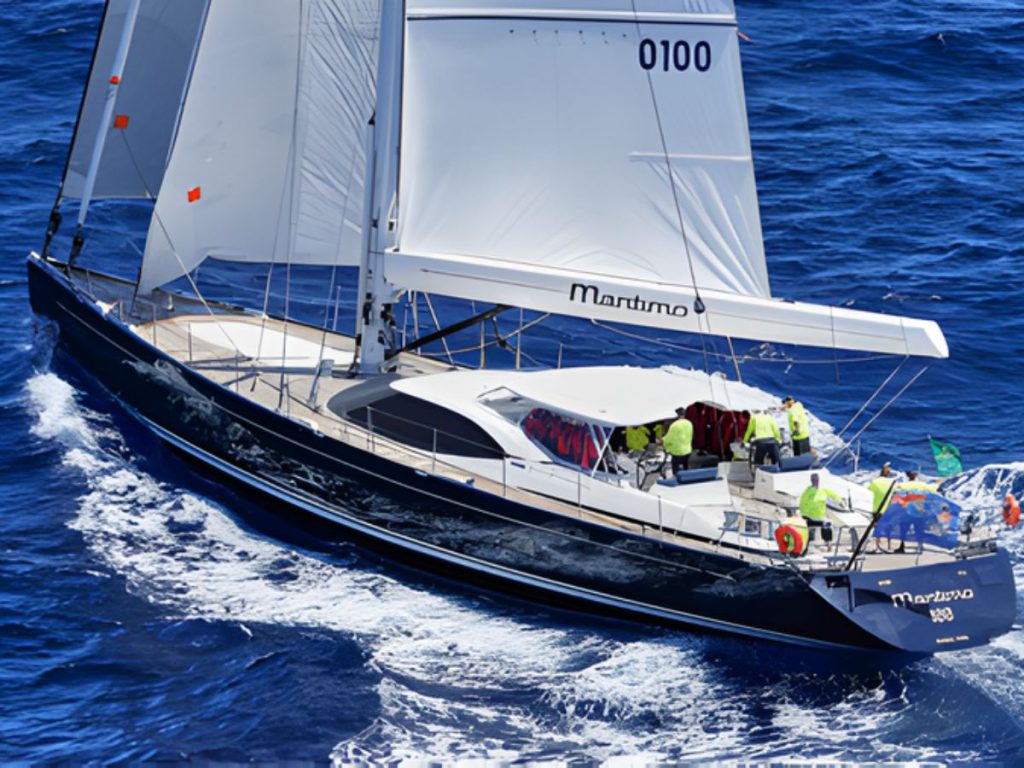
Running those systems offshore for extended periods exposes weaknesses that remain hidden in normal cruising use. Access, redundancy, and layout are tested repeatedly, producing lessons that are immediate and difficult to replicate elsewhere.
On Maritimo 100, the learning is technical. Systems are run hard, often in conditions well beyond those seen in normal service. Efficiency gains, including those achieved through repowering, are assessed under sustained load rather than in isolation.
Reliability, crew condition, and system performance matter as much as position. Finishing intact and functioning is part of the objective.
Rolex Sydney to Hobart Yacht Race: Maritimo 100 and the long-game approach
Why Maritimo keeps showing up
For Maritimo, offshore racing remains relevant because it reflects the environments boats are ultimately built to face.
Motor yachts do not race to Hobart, but they operate in the same seas, weather systems, and mechanical realities. Understanding how systems respond under pressure, and how people operate when tired, feeds back into better design and better outcomes.
Katwinchar anchors that thinking in experience. Maritimo 100 applies it in a modern context.
Different boats, different paths, the same race, and a programme built on learning rather than appearance.