When a loose kayak sparks a full search
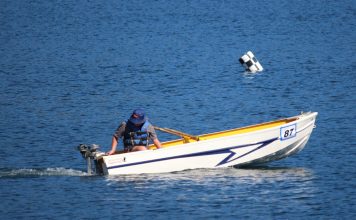
A few days ago, a kayak drifting half a kilometre off Raumati Beach set off alarms. Police, LandSAR volunteers, and a rescue helicopter moved quickly to work out if someone was missing. In the end, the owner was fine, but the response was real, and it chewed through time and resources.
Incidents like this happen most summers. A dinghy slips a mooring, a kayak washes out on a tide change, or a chilly bin floats away after a day on the water. With no name or details attached, emergency teams must assume the worst until proven otherwise.
A simple tool is now available to boaties
A new service, NZ Boat Register, gives emergency services a quick way to match found vessels or gear with their owners. Registration is free, takes only a few minutes, and allows boaties to add photos and serial numbers for their craft.

Chief executive Sam Allen says the benefit is straightforward.
“When responders find a vessel and no one is around, they need to know fast whether someone is missing. Clear identification makes that possible.”
For everyday boaties, this record also helps if something goes missing at the ramp, during rough weather, or from a mooring.
Tough tags for real-world conditions
The platform includes optional scannable tags designed for small craft and loose gear. Co-founder Justin McCabe says they’ve been tested on commercial cray pots at depth.
“They went down deep, came back covered in salt and claw marks, and still scanned. The whole point is to give people something reliable, not something that looks nice in the packet.”
These tags suit kayaks, dive gear, fishing kits, pots, and anything else that tends to wander.
Why preparation matters each summer
Water Safety NZ figures show 71 preventable drownings in 2024. That’s an improvement, but bar crossings remain a major risk area, and the summer period consistently brings the highest number of fatalities and injuries. Last January alone, more than a thousand people needed ACC support for water-related injuries.

Recent events on the Hokianga Bar showed the difference preparation can make. Three men survived a swamping thanks to lifejackets, working comms, and planning. McCabe says identification plays a similar role in emergency response.
“We can’t decide whether someone wears a lifejacket, but we can remove the uncertainty when gear or a vessel washes up.”
Research shows most people who died in boating incidents had lifejackets within reach but weren’t wearing them.
The summer pre-check list
As boats reappear from sheds and yards in the lead-up to Christmas, it’s worth taking a few minutes to run through the basics:
• Check lifejackets still fit and are in good order
• Test VHF, PLBs, and other comms
• Confirm flares and extinguishers are still in date
• Photograph boats and gear for your records
• Write down serial numbers
• Register your craft using the free online service
Allen says registration is often the quickest item on the list.
“It’s five minutes, and it gives emergency services a way to reach you straight away if your kit turns up somewhere it shouldn’t.”

A satellite-linked tracking system is due next year, but for now the message is simple: document what you have, make sure your safety kit is ready, and register your vessel.
Building safer summers for boaties
NZ Boat Register launched in 2024 as an independent national identification platform for recreational craft. A portion of revenue from optional products is channelled back into boating initiatives. The platform is not linked to any government agency, but its information helps responders act quickly when they find loose or unattended gear.
More information: nzboatregister.co.nz