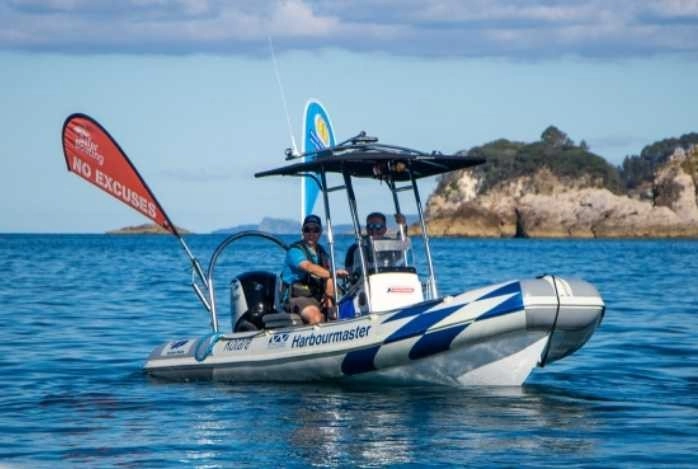
A welcome presence, with real teeth
There is no question that Waikato Regional Council’s summer boating patrols are good news for anyone who values safe, well-managed waterways. At the busiest time of the year, when boat ramps are crowded and water traffic increases sharply, a visible safety presence is crucial.
But there is no point softening the message. From Boxing Day through to 11 January, Operation Neptune officers will be stopping boats, checking compliance, and issuing fines where rules are ignored. If you are not wearing a life jacket when required, travelling too fast, or breaching regional bylaws, a $200 infringement notice can follow. Officers are prepared to use that authority.
The approach is straightforward. Most stops begin as a conversation. Education comes first. But responsibility always sits with the skipper, and enforcement is part of the programme, not an afterthought.

Where officers will be operating
Operation Neptune covers the areas where summer boating pressure is highest. Patrols will be active at Raglan and Kāwhia on the west coast, around the Coromandel Peninsula, and across long sections of the Waikato River.
River patrols will focus on the stretch between Lake Arapuni and Lake Ōhakuri, along with the reach from Lake Karāpiro down to Port Waikato. These waterways attract a mix of anglers, wake boats, jet skis, swimmers, and paddle craft during summer, often all using the same space.
To support that workload, Waikato Regional Council has expanded its Maritime Services team from 12 officers to around 40, supported by trained staff from elsewhere in the organisation. The increased numbers translate into longer patrol hours and a stronger presence on the water.
Friendly conversations, firm outcomes
Recreational Harbourmaster Hayden Coburn has been clear about how officers will operate. Many boats will be stopped simply to check safety gear, confirm understanding of the rules, and offer guidance where needed.
That approach works for most people. A short conversation about speed zones, towing requirements, or life jacket use can prevent problems later in the day. But when unsafe behaviour is obvious, officers will move quickly to enforcement.
Last summer provides a useful benchmark. Officers recorded more than 1,100 interactions with the public, identified 261 bylaw breaches, and issued 156 fines, alongside warnings and diversions. Those figures show that checks are routine and enforcement is used when needed.
Life jackets and local rules
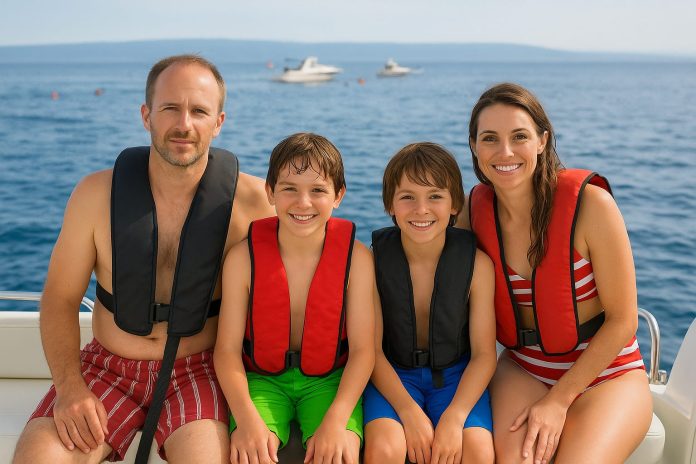
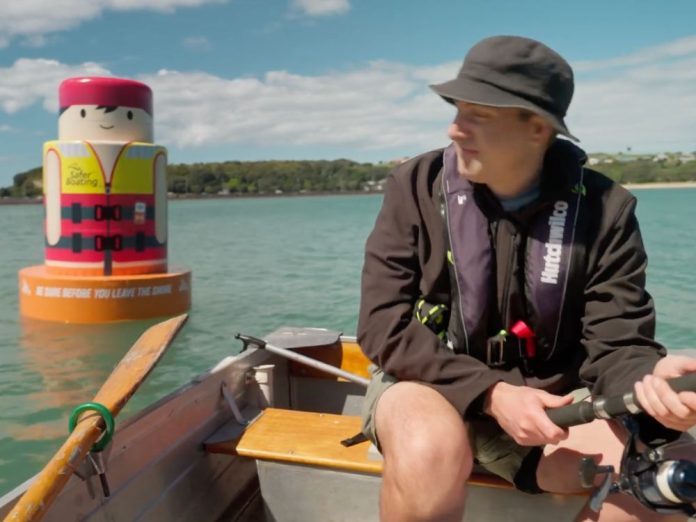
Life jacket requirements remain one of the most common areas of confusion, particularly for visiting boaties. In the Waikato region, anyone on a vessel six metres or under must wear a life jacket while the boat is underway. That rule is not discretionary.
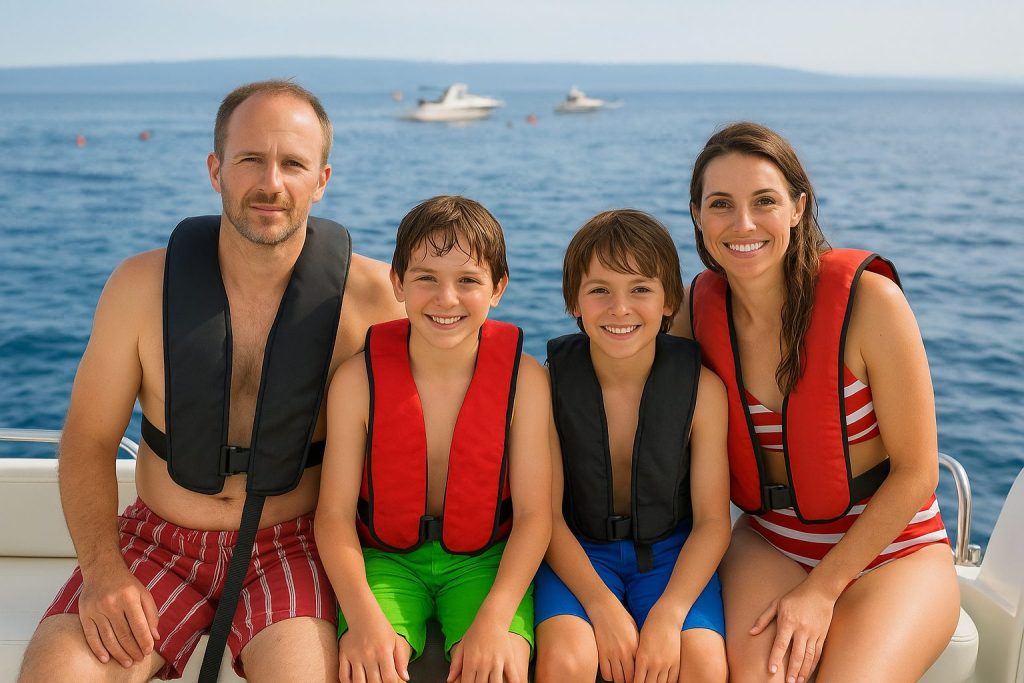
Larger vessels must carry a life jacket for every person on board. Wearing them becomes mandatory in higher risk situations, including bar crossings and periods of elevated risk. Skippers are expected to recognise when those conditions apply.
The rules are clearly published through the Waikato Regional Council’s website, the MarineMate app, and signage at boat ramps. Taking a moment to check before launching avoids uncertainty later.
When poor judgement has real consequences
While regional bylaw fines are capped at $200, recent court cases show how quickly consequences escalate when safety is ignored.

One skipper was fined $3,000 after capsizing on the Raglan Bar, placing his family at serious risk. Another was fined $7,200 and ordered to pay $8,000 in reparations after failing to stop his propeller while recovering swimmers at the Alderman Islands.
These cases underline a simple point. Bars, swimmers, and moving propellers demand care, preparation, and restraint. Mistakes on the water can carry consequences that extend well beyond the holiday period.
Enjoy summer, but stay accountable
Operation Neptune is best understood as a summer safety net. Most officers would prefer to see everyone enjoy the water without incident rather than issue fines. But expectations are clear.
Know the local rules. Wear the life jacket when required. Slow down around others. Switch engines off when swimmers are in the water. Do that, and summer boating in the Waikato stays safe and enjoyable. Ignore it, and the cost can arrive quickly.