Lakes to Explore
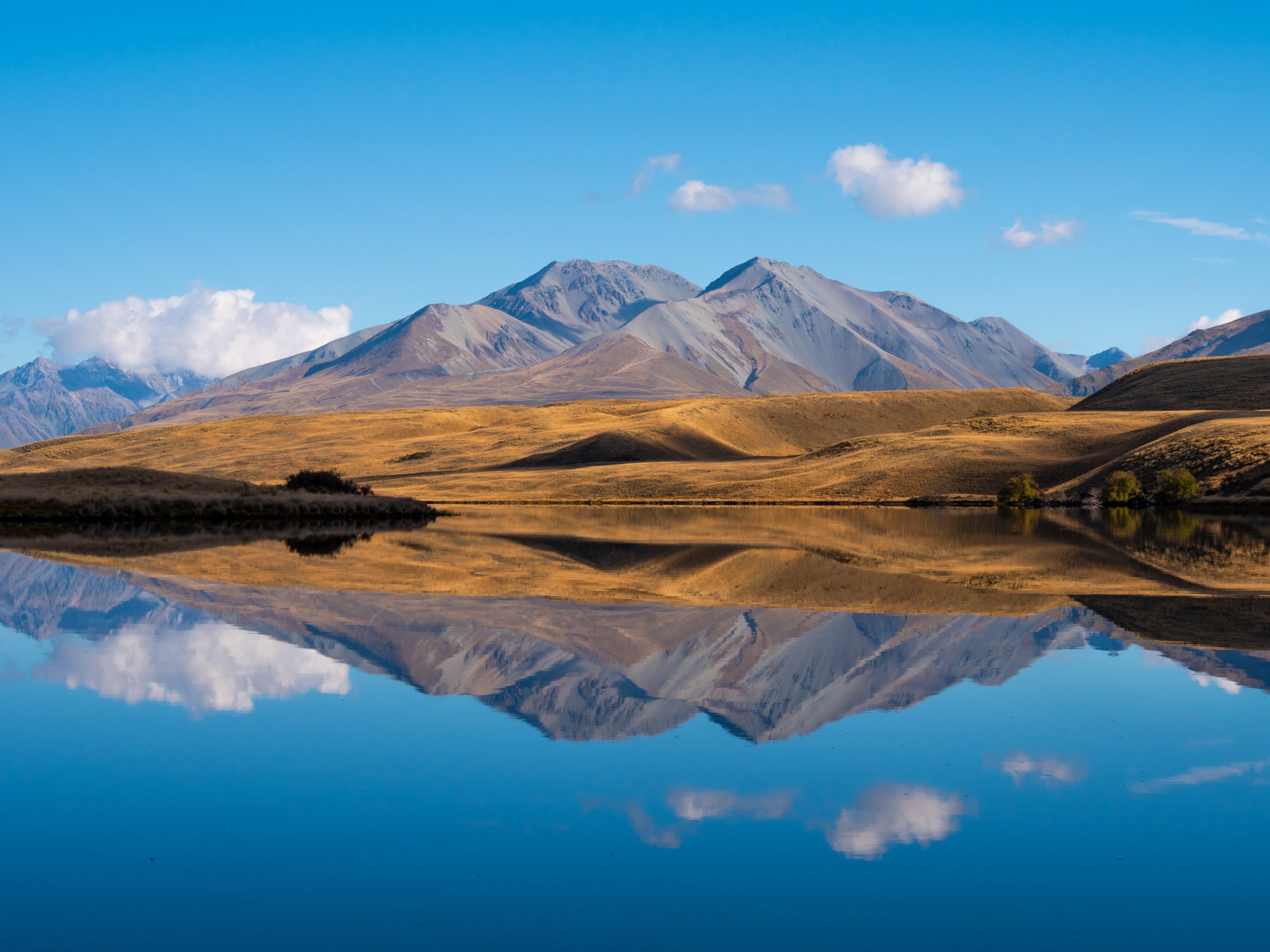
Spread across nearly 60,000 hectares between the braided Rakaia and Rangitata rivers, the Ashburton Lakes basin is a rare intermontane wetland system. Eleven named lakes and countless smaller tarns dot the tussock lands, framed by mountain ranges that rise steeply from the valley floor.
Much of the basin remains unmodified, with native scrub and tussock providing habitat for more than 30 bird species. Wrybill and crested grebe nest here, alongside threatened plants such as marsh arrowgrass and pygmy forget-me-not. For Ngāi Tahu Whānui, Ōtūwharekai is a site of immense cultural significance, once a seasonal mahinga kai and a vital travel route across Te Waipounamu. Today, it remains a taonga — a treasured landscape to be protected and enjoyed.
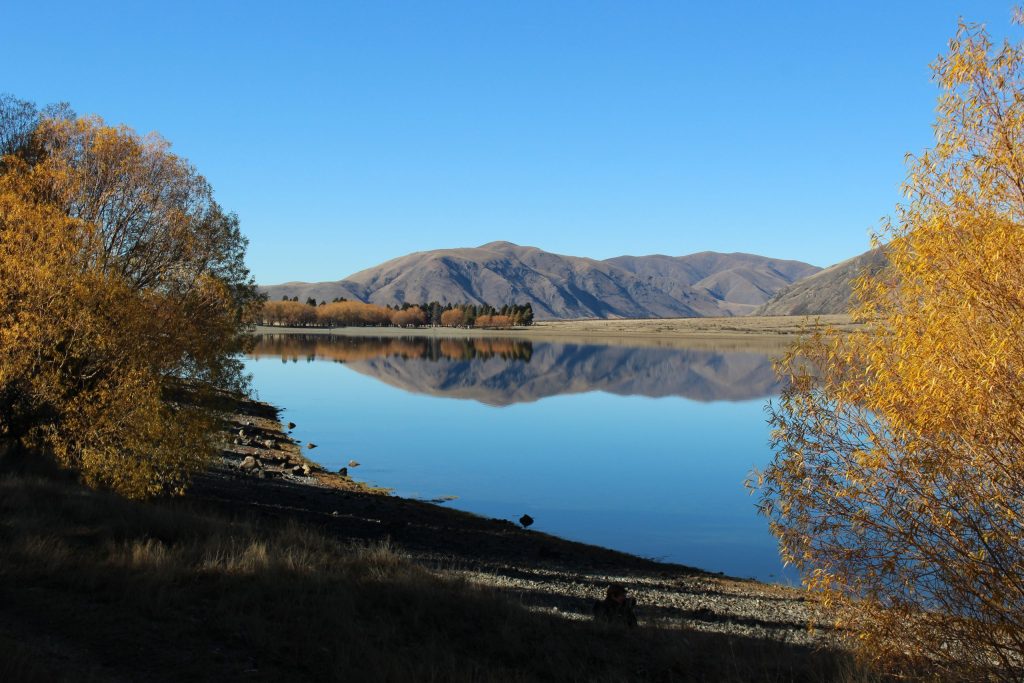
Each lake has its own personality. Lake Heron, the largest, is a favourite for anglers chasing lake-resident salmon and trout. Its wide waters reflect the surrounding mountains, and spin fishing from the South Bank is popular. Lake Clearwater and neighbouring Lake Camp are summer magnets, with baches and campgrounds dotted along their shores. Lake Camp is the only lake in the basin open to powered craft, making it a hub for water-skiing and motorboating, while Clearwater is reserved for non-powered vessels, perfect for kayaks, rowboats, and sailing dinghies.

Smaller lakes such as Emma, Emily, and the Māori Lakes offer quieter corners for picnicking, birdwatching, or simply soaking in the alpine air. Each rewards exploration, whether by foot, paddle, or camera lens.
Boating and Fishing
For boaters, the Ashburton Lakes are a study in contrasts. On calm days, the waters are glassy and inviting, ideal for paddling or drifting in a rowboat. Yet the notorious nor’west wind can whip up quickly, turning placid surfaces into challenging conditions. Caution is advised, particularly for those venturing out in small craft.
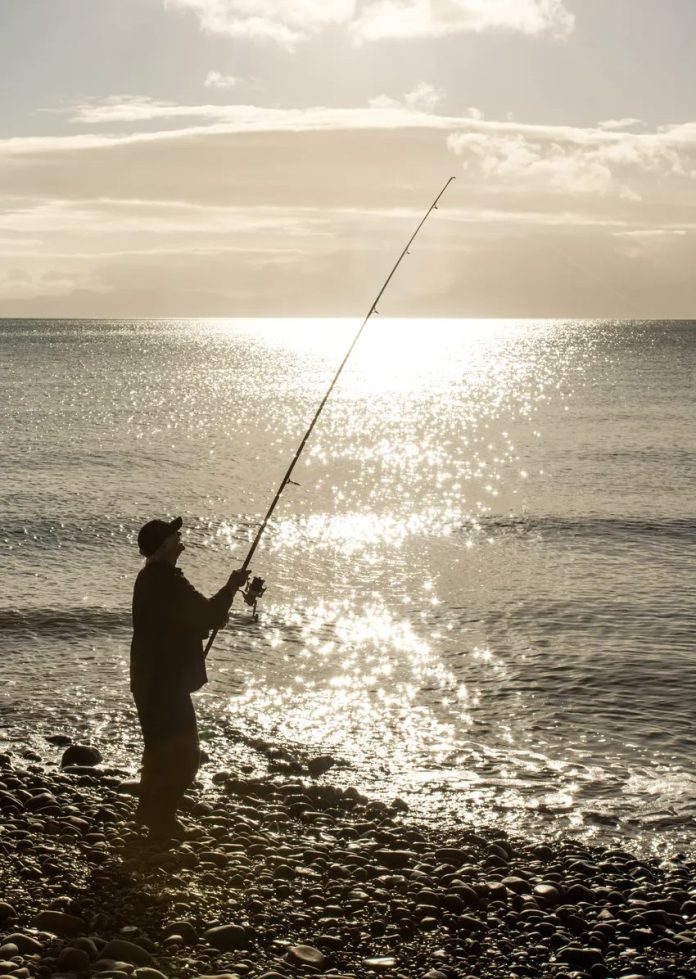
Fishing is a highlight, with five sports fish species present: brown trout, rainbow trout, perch, Chinook salmon, and brook char. Fly fishing is especially rewarding, with damselfly, midge, and cicada hatches providing lively sport in summer. Spin fishing with bright lures is effective in Lake Heron, while float tubes and rowboats open up more water for adventurous anglers. A valid New Zealand freshwater fishing licence is required, and regulations vary by lake, so it pays to check before casting off.
More Than a Waterfront
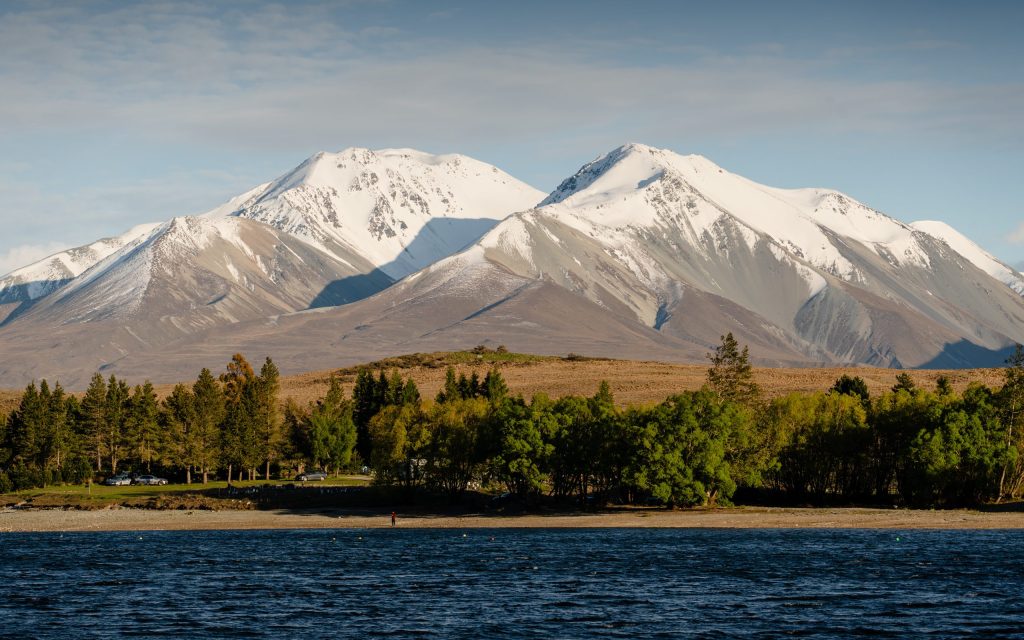
While boating and fishing are central, the lakes offer much more. Swimming in solar-warmed shallows, camping under star-filled skies, hiking to nearby falls, or simply enjoying a picnic by the shore — these are the timeless pleasures of the Ashburton Lakes. The kettle holes scattered across the basin add another layer of intrigue: seasonal depressions that flood, freeze, and bloom with wildflowers, creating a dynamic landscape found only in the eastern South Island high country.
A Place to Linger
What makes the Ashburton Lakes truly special is their sense of remoteness paired with accessibility. Just a short drive from Ashburton, yet worlds away from the bustle, they invite visitors to linger. Whether you arrive with a boat in tow, a fishing rod in hand, or simply a desire to unwind, the lakes deliver an experience that is both restorative and exhilarating.


For boaters, the reward is the chance to glide across waters that feel timeless, framed by mountains that have stood for millennia. For families, it’s the joy of swimming, camping, and sharing stories around a fire. And for all who visit, it’s the memory of a summer spent in one of Canterbury’s most extraordinary waterfronts.
Know Before You Go: Ashburton Lakes
- Boating: Lake Camp is the only lake open to powered craft. Clearwater, Heron, and others are reserved for non‑powered vessels such as kayaks, dinghies, and rowboats. Always check conditions — the nor’west wind can rise quickly.
- Fishing: Brown and rainbow trout, perch, salmon, and brook char are present. A valid New Zealand freshwater fishing licence is required, and regulations vary by lake. Fly fishing is especially rewarding in summer.
- Safety: Weather changes fast in the high country. Carry warm layers, sun protection, and be prepared for sudden wind shifts.
- Access: The lakes are reached via Ashburton and Mt Somers, with unsealed roads to Lake Clearwater, so please take care while driving.
- Camping: Basic facilities are available at Lake Camp and Lake Clearwater. Respect conservation rules and leave no trace.
Our friends at the Ashburton District welcome you to dive a little further, click through here: Welcome to Mid Canterbury, New Zealand
Thanks to Maeghan Pearce within the District Promotions team for contributing this article.