A Perth racecourse that punishes hesitation
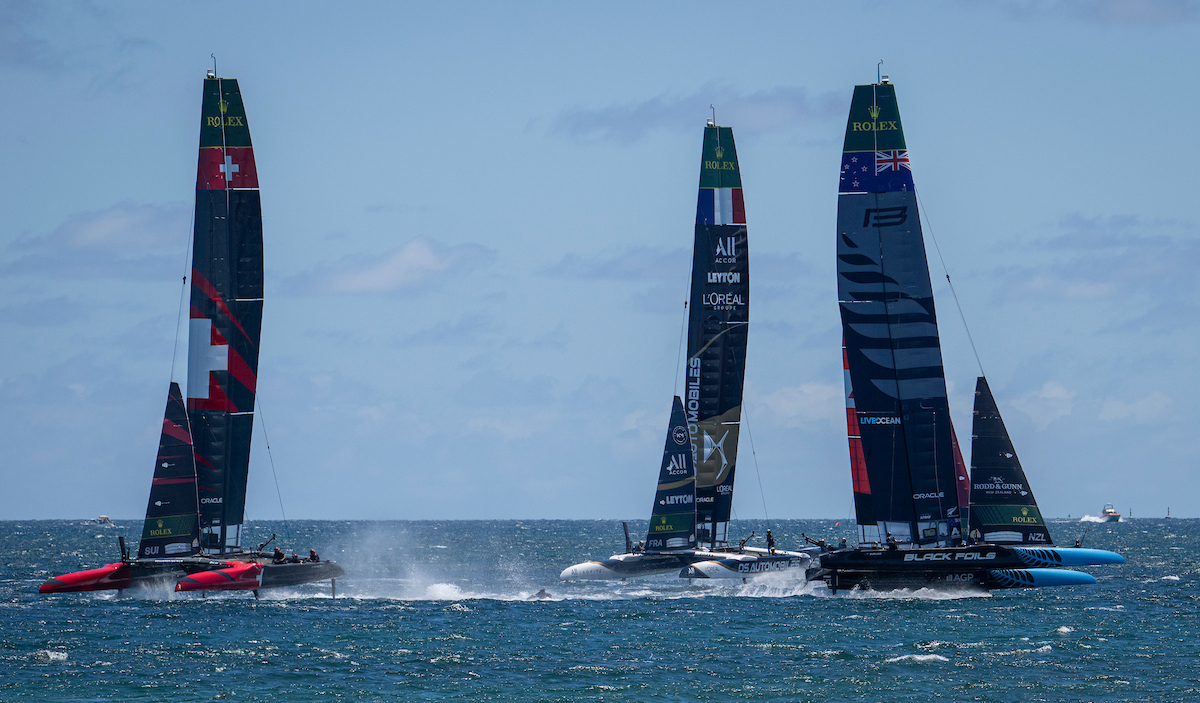
Perth’s Swan River entrance delivers SailGP with a particular kind of edge, because the Fremantle Doctor arrives clean and strong, but the water stays unsettled, and that combination makes gate approaches feel tighter than they look on the tracker.
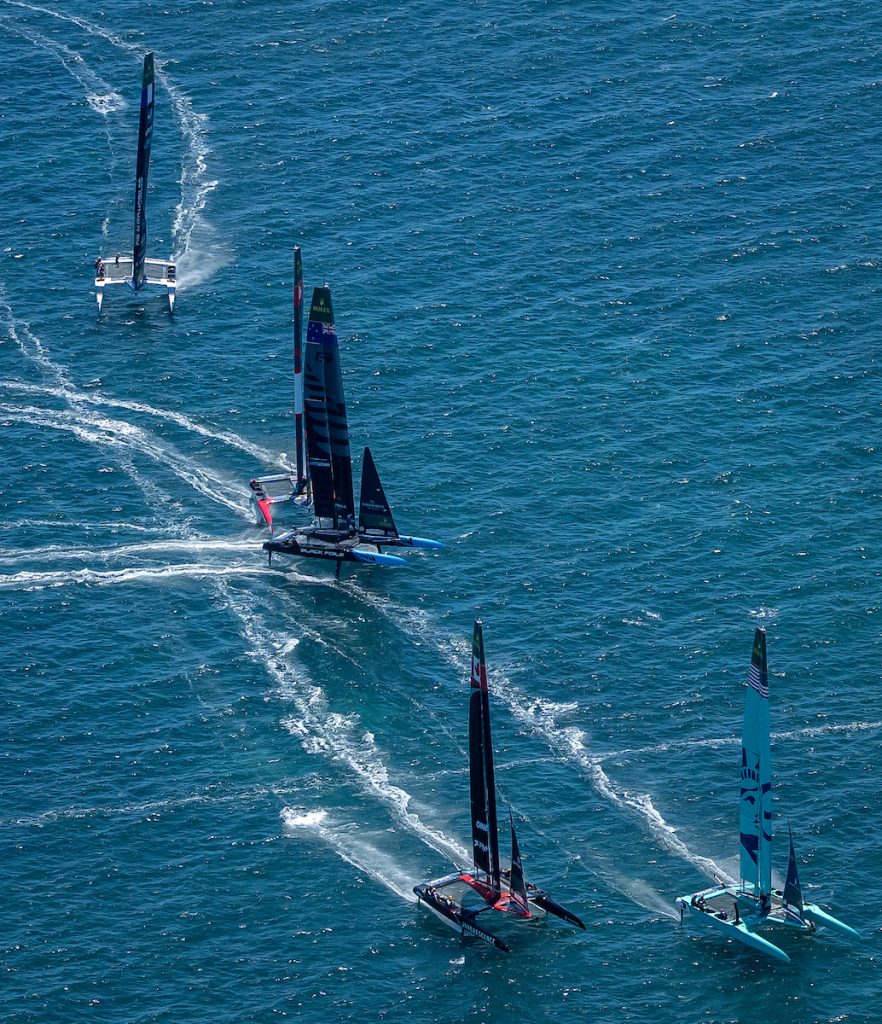
Race 1 was already busy before the crash. Australia had broken away at the front, the pack behind them was compressed, and the first proper sorting of the fleet was happening at Gate 2, where boats arrived at speed on converging angles and drivers were forced to choose between distance, leverage, and simple survival.
In that space, the Black Foils and Switzerland closed on one another with very little margin left.

What happened at Gate 2
The incident itself was quick, violent, and immediately race-ending.
Switzerland approached the gate on starboard, New Zealand approached on port, and the closing speeds did the rest. The impact stopped both F50s abruptly, leaving debris visible on the water and both crews focused on stabilising their boats and checking on one another.
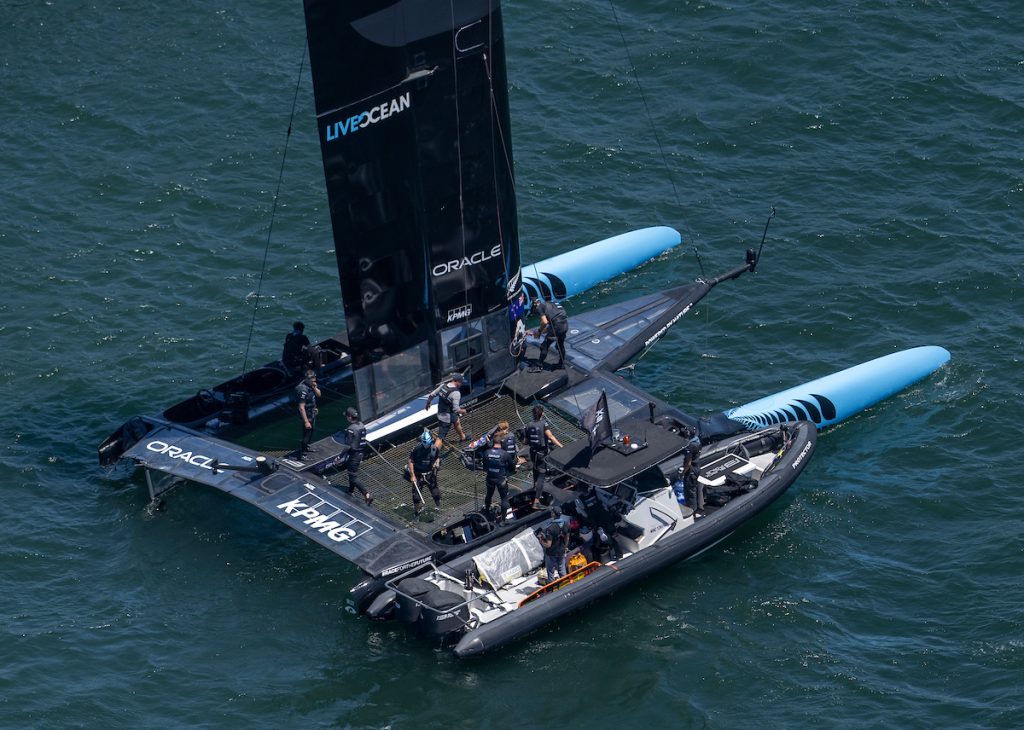
Footage showed Pete Burling thrown hard inside the cockpit, a moment that made even seasoned SailGP viewers wince, not because it looked dramatic, but because it looked real, the kind of load that arrives without warning when a foiling platform hits anything solid.
The ruling was decisive and the outcome was brutal
The umpires’ call left little ambiguity.
Switzerland were the right-of-way boat on starboard, while New Zealand, approaching on port, failed to keep clear, bringing a disqualification for the Black Foils. Switzerland, despite having right of way, also retired due to the damage sustained, leaving both teams out of the race within moments of the collision.

From a rules perspective, this was not complicated. From a season perspective, it carried weight, because the opening race of the year is meant to set a baseline, build rhythm, and bank points, and New Zealand instead came away with a zero.
The wider ripple through day one
SailGP’s best racing happens when drivers trust one another to play the margins without crossing them, and when that trust is shaken, the fleet behaviour changes quickly.
After the Race 1 collision, gate approaches looked more conservative. Crossings were less ambitious. Drivers gave one another wider lanes in the busiest parts of the course, particularly near the bottom gates where chop, boundary pressure, and boats travelling in opposing directions combine into the hardest visual and tactical environment in the sport.
It did not reduce the speed, but it did alter the risk appetite, because every team had been reminded that an F50 does not need much contact to lose a race, or a weekend.
What it means for New Zealand
The immediate problem for the Black Foils is obvious, damage, repairs, and lost racing time, but the bigger issue is points.

SailGP rewards consistency. A zero score at the opening event forces the maths, because making the Sunday final depends on cumulative results, not moral victories. It also forces urgency in later races, and urgency is often where mistakes are born, particularly in conditions like Perth where the breeze is clean but the course remains tight.
New Zealand finished third overall last season. That standing proves they have the speed and the systems to compete at the top end. Perth, however, has opened the year by asking a harder question, whether the Black Foils can absorb a heavy setback early and still sail their way back into the conversation.
Safety, reality, and the sport’s sharp edge
Nobody watches SailGP hoping to see boats hit, yet moments like this sit inside the reality of the series.
These are extremely fast machines, sailed in close quarters, with loads that are hard to grasp until something stops suddenly. The positive, if there is one, is that safety systems did their job, crews were accounted for, and the response was immediate and professional.
Perth’s opener will still be remembered for Australia’s win, but for New Zealand fans, Race 1 will be remembered for a Gate 2 decision that arrived too late to unwind.