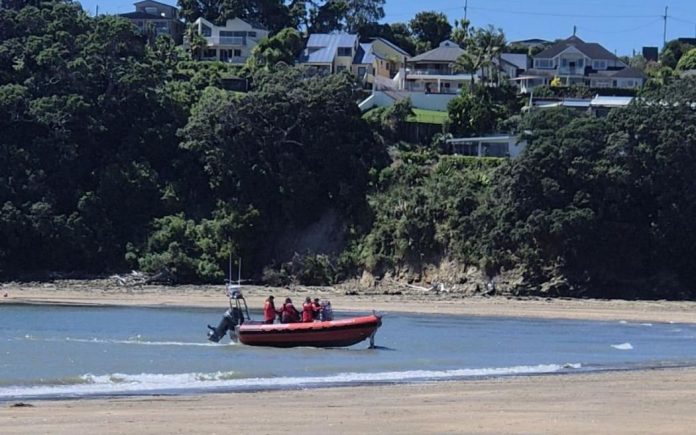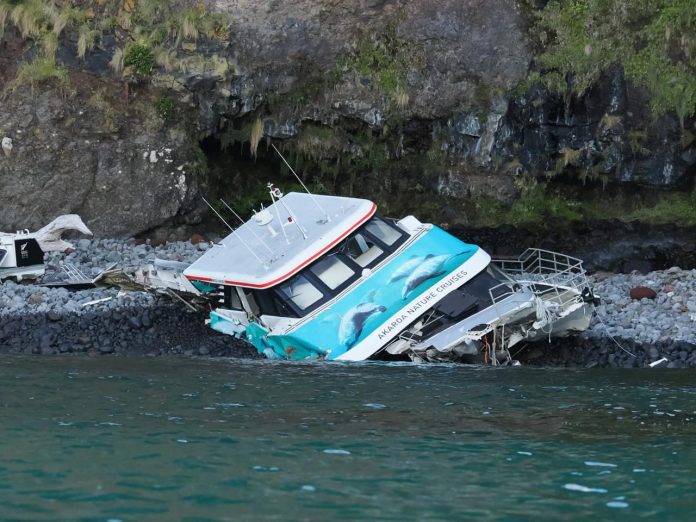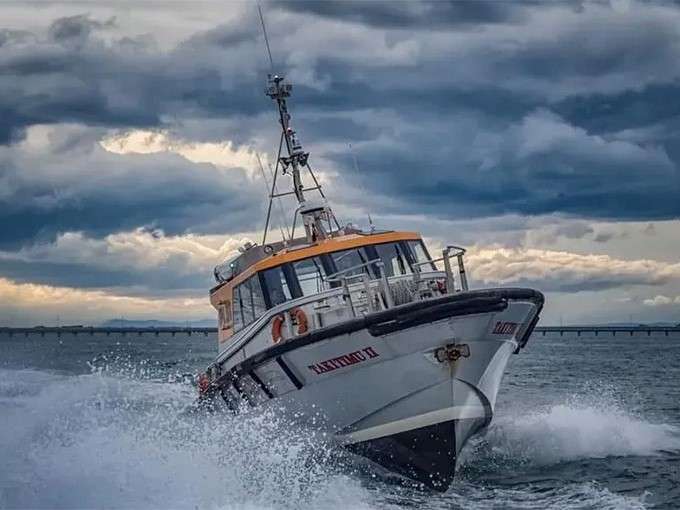
The grounding of the pilot vessel Takitimu II near Bluff has prompted a Transport Accident Investigation Commission (TAIC) investigation that reinforces a critical point for boaties at speed, navigation techniques cannot stay static when conditions change.
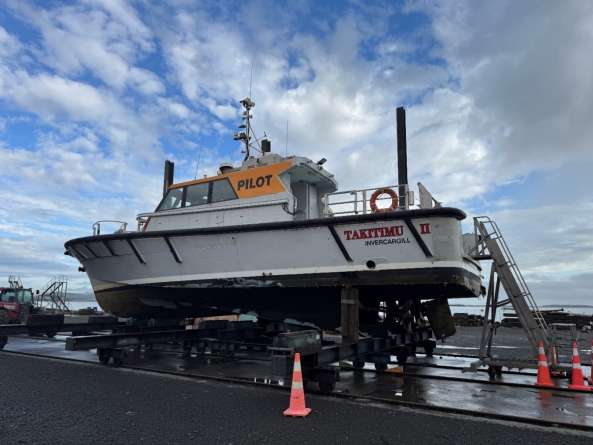
The incident occurred on 26 December 2024 as Takitimu II departed South Port to rendezvous with an inbound ship. On board were the vessel’s master, a deckhand, and a harbour pilot scheduled to transfer offshore. After passing Stirling Point, the vessel altered course too far to starboard and grounded on rocks at an estimated speed of 18 to 20 knots.
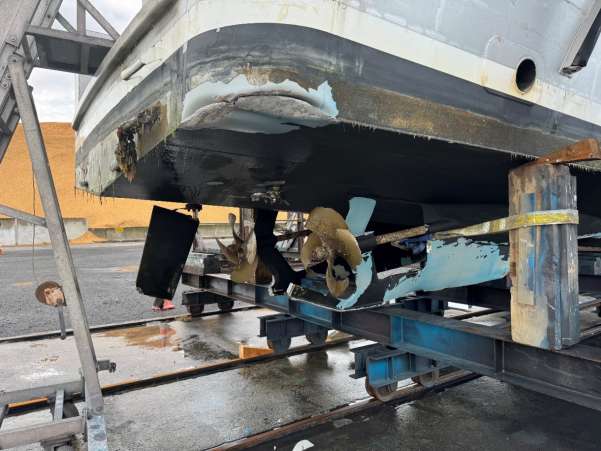
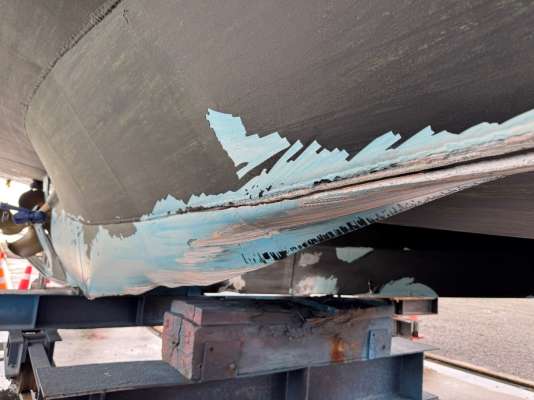
The vessel sustained moderate damage to its hull and underwater fittings. Two of the three people on board suffered minor injuries. No pollution occurred, and Coastguard later refloated and towed the vessel back to port.


TAIC’s final report found the grounding was not the result of mechanical failure, distraction, or medical issues. Instead, it identified reduced situational awareness caused by patchy fog, vessel speed, and a reliance on visual navigation at a time when visual cues were degraded.
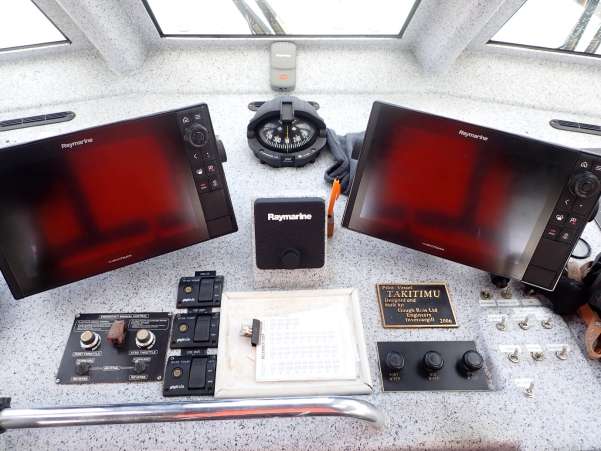
“Speed and route choice reduced the time available to detect and correct course,” said TAIC Chief Investigator of Accidents Louise Cook. “The vessel’s electronic navigation systems were switched on and available to confirm the vessel’s position and progress, but the master wasn’t referring to them.”
While the fog did not fully obscure channel buoys and beacons, the report found it reduced their reliability as primary navigation references. Electronic navigation tools, although available, were not being actively cross-checked.
“The key point is that safe navigation means choosing techniques that fit the conditions,” Cook said.
TAIC also identified shortcomings in South Port’s training and familiarisation processes for pilot vessel masters. While masters were experienced, there was no formal system in place to periodically verify ongoing navigation proficiency, particularly in non-routine conditions.

“When people do a job every day in routine conditions and nothing bad happens, it’s easy for risky habits to become normal,” Cook said. “Unusual conditions are where those habits are tested.”
Following the grounding, South Port reviewed its operational systems and introduced a series of changes. These included regular navigation competency assessments, updated passage plans and operating procedures, and refresher training focused on the disciplined use of electronic navigation.
TAIC considers those actions address the safety issues identified in its inquiry.
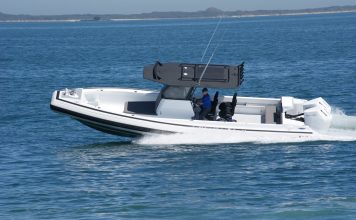
Although the incident involved a commercial pilot vessel, TAIC says the lessons apply broadly. Operating small, fast boats close to shore in confined waters leaves little margin for error, particularly when visibility is reduced. Combining electronic navigation with visual techniques, and maintaining proficiency through regular practice, provides crews with more time to recognise developing risks and correct course before an accident occurs.