I have received the occasional call over the years from vessel operators who have unwittingly fished in Marine Protected Areas (MPAs) or the Cable Protection Zones (CPZ) in the Hauraki Gulf or Cook Strait and have been charged under the Marine Reserves Act 1971, or the Submarine Cables and Pipelines Protection Act 1996. Each of these acts prohibits fishing (either recreational or commercial) in these zones, and they carry heavy penalties, including the forfeiture of the vessel concerned.
The Submarine Cables and Pipelines Protection Act 1996 lays out a robust framework for protecting these zones. It prohibits anchoring, fishing, or any activity that could damage cables or pipelines in designated protected areas. Offenders can face substantial fines, seizure of fishing gear, and even forfeiture of property upon conviction. Enforcement officers have the power to order vessels out of the CPZ, seize vessels and equipment (including tow vehicles), and demand identification from masters. The CPZ seeks to protect critical infrastructure – undersea cables that carry internet, communications, and power – key links for our small island nation.
These protections apply not only to the Hauraki Gulf but also to Cook Strait, where some of New Zealand’s most critical undersea cables run between the North and South Islands. The Cook Strait CPZ spans 40km between Oteranga Bay and Fighting Bay and is patrolled 24/7. It is seven kilometres wide and strictly prohibits fishing or anchoring of any kind.

We acted for a commercial fishing vessel owner, whose skipper had been fishing south of the Cook Strait CPZ, and while he was hauling his gear, the vessel was pushed over the boundary of the CPZ by a 40-knot northerly, and he was charged with fishing in the CPZ. As it happened, he dodged a bullet, as he could show that his fishing gear was already hard up against the stern of the vessel, when it was pushed by the wind and tide.
Since 2006, Transpower has issued over 20 fines for incursions into the Cook Strait CPZ. These include recreational fishers, charter operators, and even craypot deployments. Fines have ranged from $1,000 to $20,000; however, the maximum penalty for damaging the cable is $250,000. Transpower inspects the cables annually and has a detailed replacement programme into the 2030s due to increasing risk of failure of these cables.
Despite clear boundaries on charts and chart plotters and stringent legal prohibitions, vessels continue to anchor and fish in these zones. One recent case that I appeared in saw the owner and master of a fishing charter vessel hit with six charges for anchoring twice in the same day and fishing in Area 2 of the Hauraki Gulf CPZ. The Act is structured to allow separate charges to be preferred against the owner and the master and it gives the court the discretion to forfeit the vessel and to impose penalties of up to NZ$100,000.
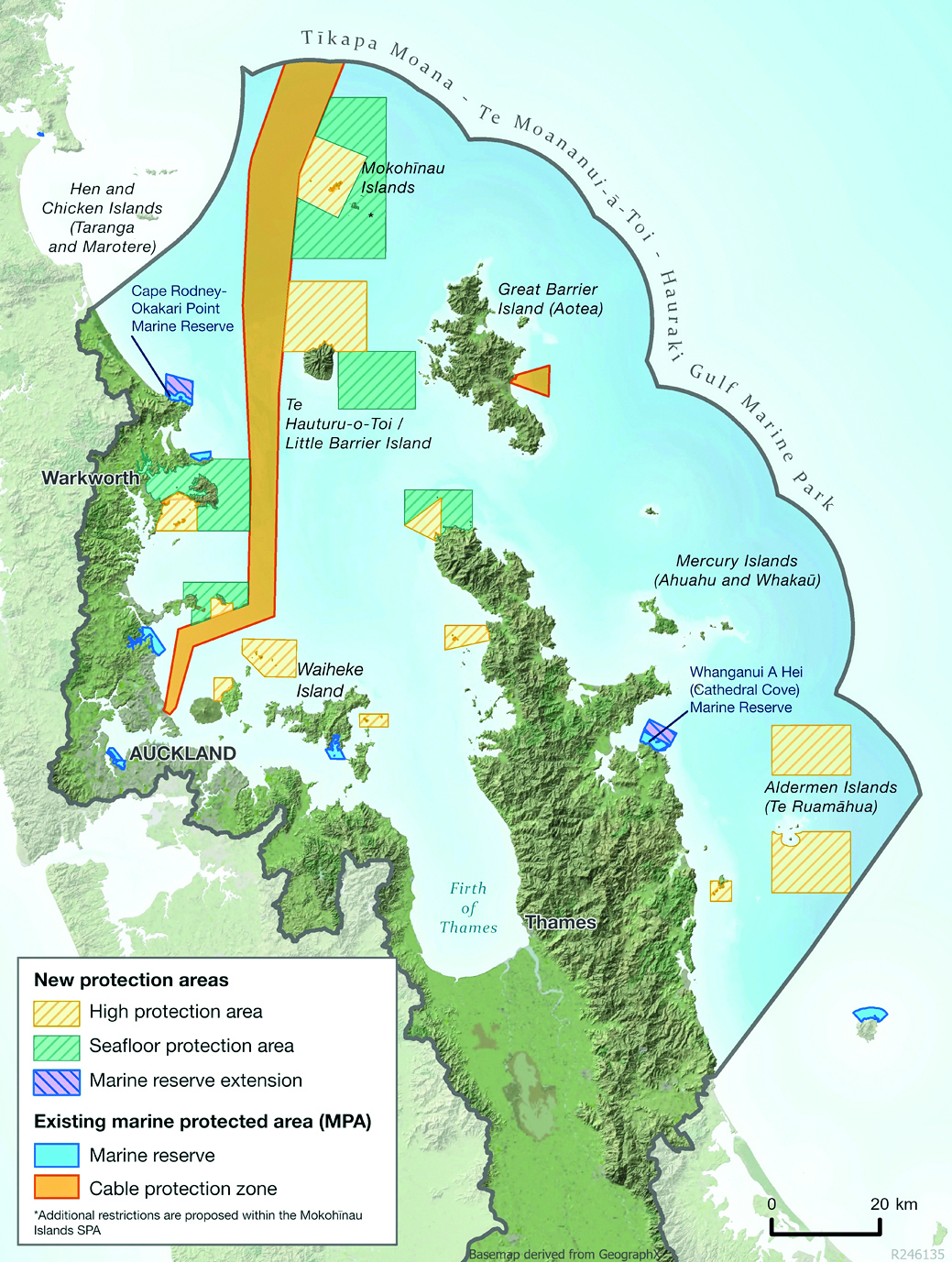
When I spoke with the skipper/owner, he said that he was so focused on fishing for his charter guests that he lost situational awareness, and whilst the GPS on board showed the exclusion zones, he mistook the line of the cable itself as the border of the exclusion zone. It happens so easily, especially when the chart plotter is zoomed in. The charges showed that the vessel had anchored 50m and 80m from the fibre optic cable. A feature of the Act is that the offender is found to be strictly liable. This means his motives or explanations are irrelevant. If you are found to be in the zone, the offence is established, and you are done. In the end he received a fine of $15,000 and his vessel was not forfeited. An expensive mistake!
I recall a much more significant event near Cape Town some 30 years ago, where a large bulk carrier anchored within 100m of the main phone cable between Cape Town and Europe. A northerly storm arose, and the vessel dragged her anchor across the cable, causing it to part and shutting down 50% of phone traffic from the country. Once again, the master had zoomed in on his chart plotter to the extent that the outer boundary of the CPZ moved off his screen, and he thought he was in a safe anchorage. The kicker in that story was that a specialist cable laying vessel had to be brought in from the Middle East to relay the cable, and whilst I can’t recall the cost, it was substantial.
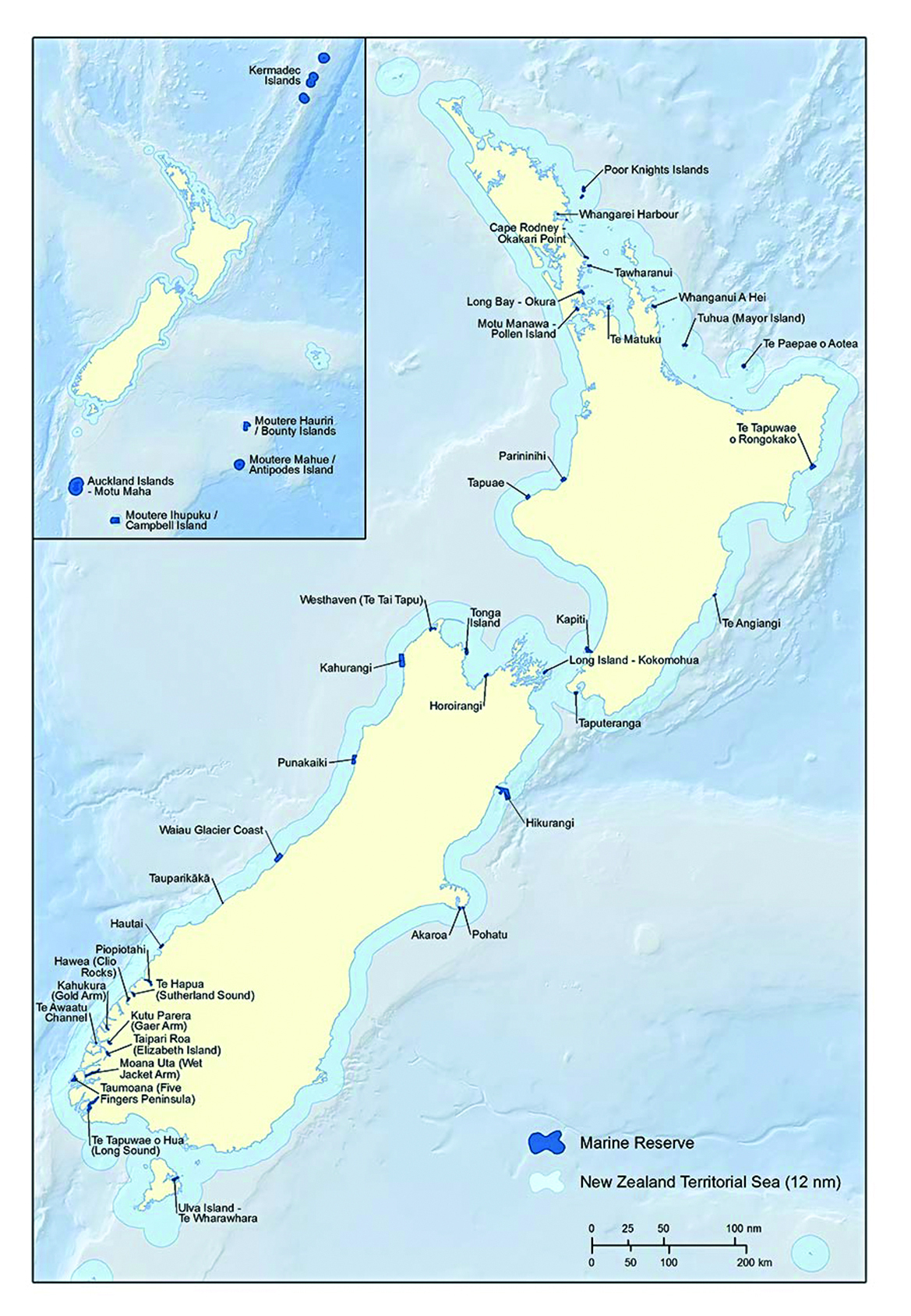
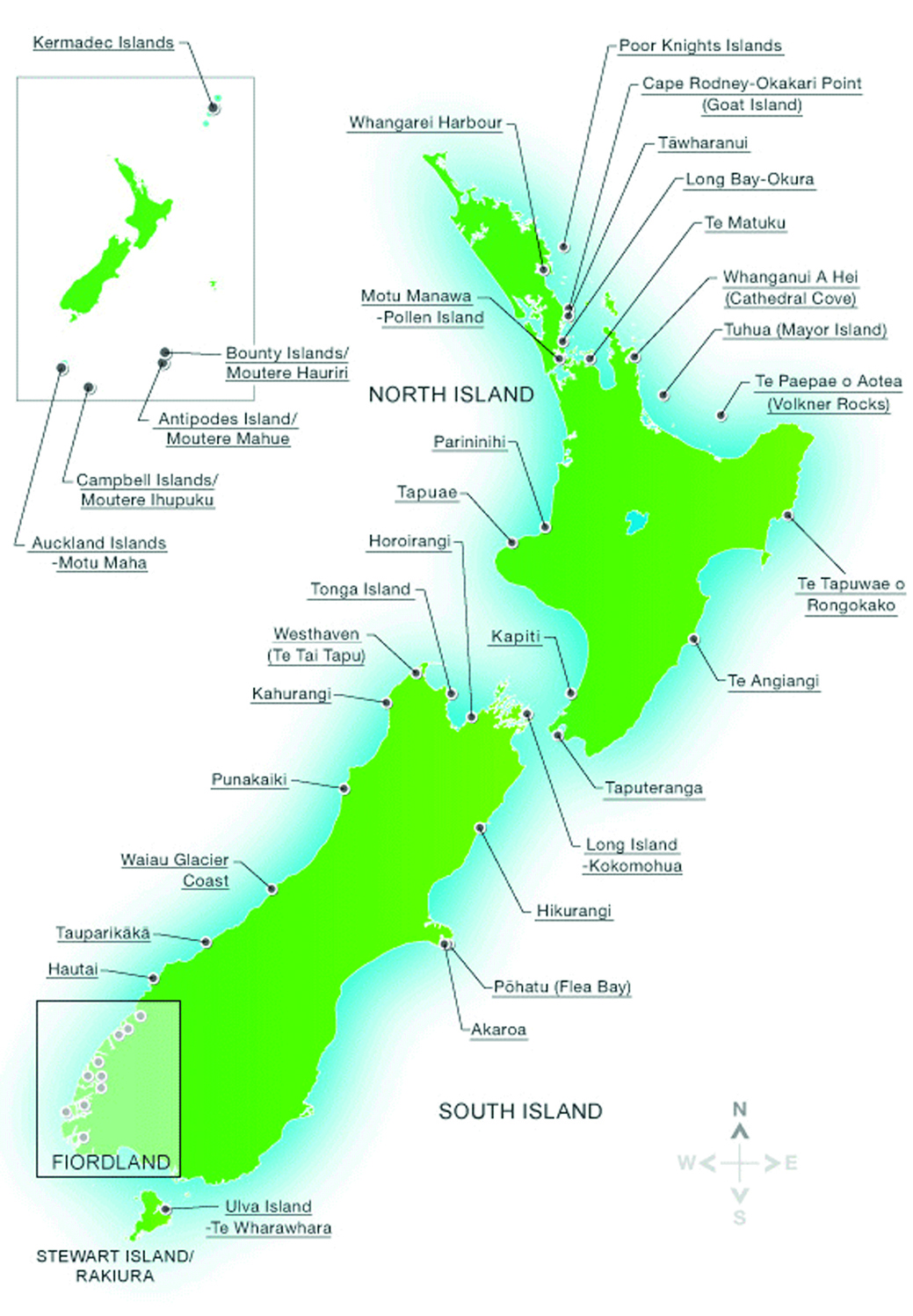
Marine Reserves are set up to promote habitat recovery. We have represented several fishing companies over the years for fishing in Marine Protected Areas. DOC manages 44 Marine Reserves scattered around the coast of New Zealand through the Marine Reserves Act. The Act is similar to the Submarine Cables Act, in that it has draconian penalties for offences, including possible forfeiture of the vessels used.
When I speak to the dismayed and normally repentant vessel owners who have been charged under this legislation, a few common themes emerge. Firstly, they underestimated the set of wind and tide and drifted in. Secondly, the fishermen concerned were following historical tracks on their plotters (sound familiar) that may have predated the Act. Thirdly, the areas were not recorded on their plotters.
However, the legislation is not interested in your motives or explanations. If you are found fishing or anchoring in these areas, the offence is established, and fines normally result. I am aware of one incident where the vessel was forfeited, although the owner was able to apply for it to be redeemed back to him for a substantial sum. Some commercial skippers have installed ‘buffer zones’ on their plotters that alarm when the vessel approaches within 0.5nm of a marine reserve.
In conclusion, make sure that your plotters have exclusion zones marked on them, and if possible crosshatched, so that when you zoom in the boundaries are not lost. Give yourself a buffer if you are tempted to fish up to the boundary. If you don’t, the consequences could be dire.