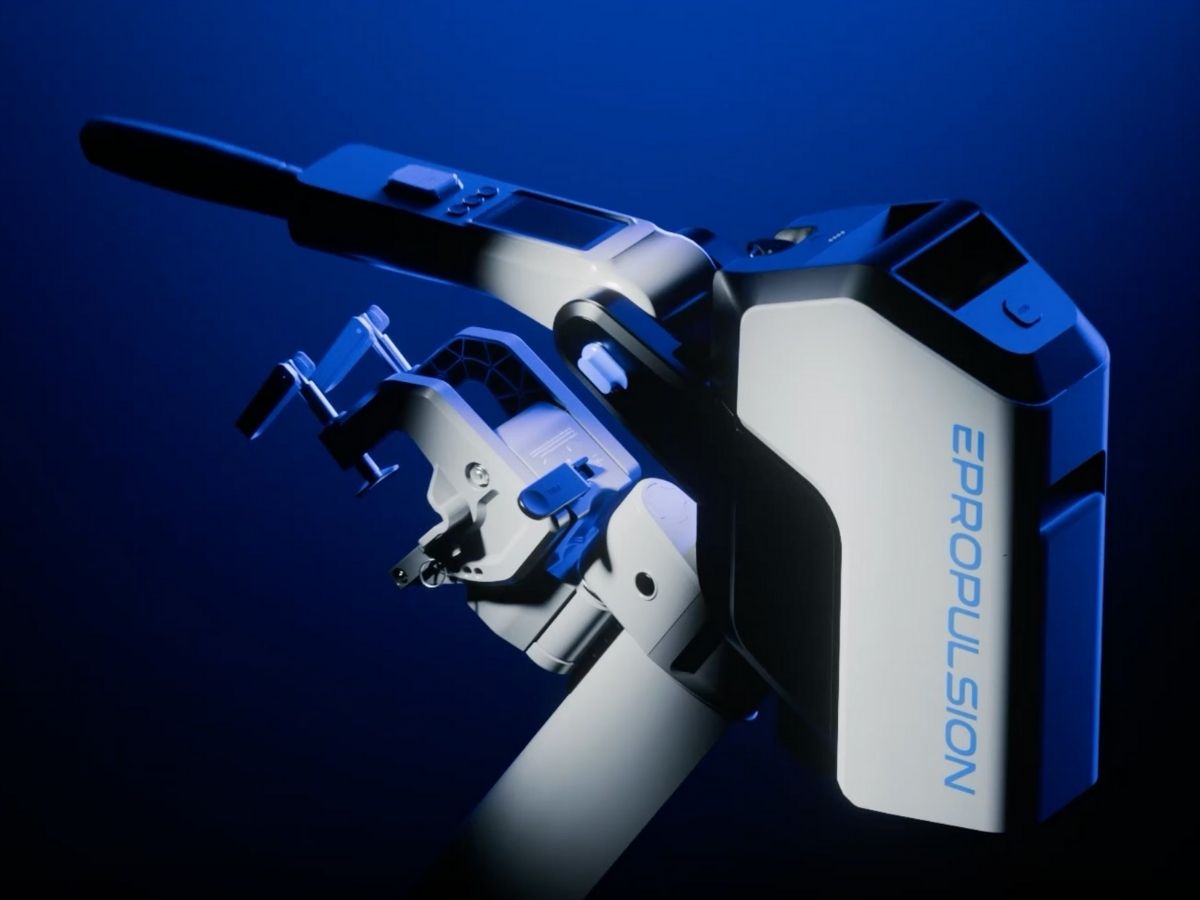
More power, more range and smarter features see the Spirit range step beyond harbour duty and into genuinely practical, everyday boating.
A familiar name with a clear step forward
Electric outboard motor technology has matured quickly, and few brands have been as visible in that space as ePropulsion. Their Spirit range has built a following among boaties wanting a clean, quiet alternative to small petrol outboards, particularly for tenders, dinghies and compact sailboats.
The new Spirit 2, due for release this autumn, represents the biggest step forward yet. Rather than reinventing the concept, it focuses on addressing the real limitations owners found with earlier models.

Understanding the Spirit lineage
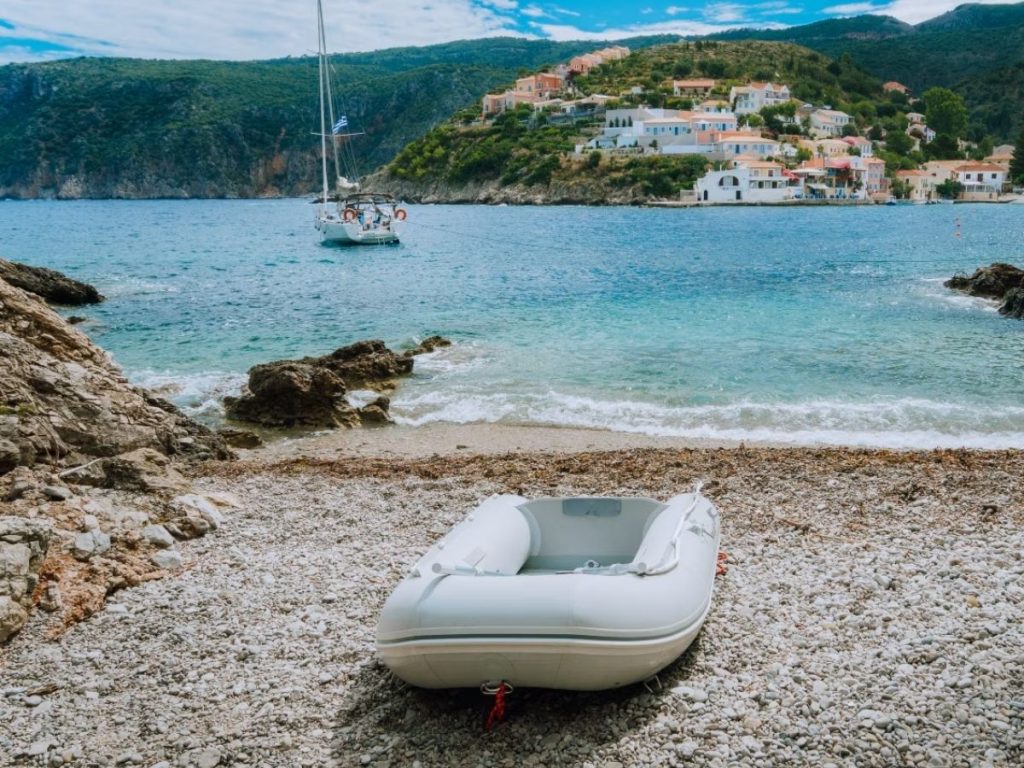
The original Spirit 1.0 Plus established the platform as an entry-level electric outboard motor. With 1 kW of output, it suited dinghies, tenders, kayaks and small fishing boats where low-speed efficiency mattered more than outright thrust. Modest top speed was often noted, but for harbour work and short runs, it rarely mattered.
The Spirit 1.0 Evo broadened the appeal for sailors. Its hydrogeneration system allowed the propeller to act as a turbine while sailing, producing up to 300 watts at around 5.4 knots. Long-term testing showed it could replace a small petrol outboard for calm conditions and short passages, provided skippers remained realistic about range and factored in wind, tide and load.
Spirit 2 builds directly on that foundation.
Now a 2 kW motor with extra boost
At the core of Spirit 2 is a 2 kW motor, effectively doubling the continuous output of earlier Spirits. In real terms, that places it closer to a five-horsepower petrol equivalent, rather than the three-horsepower feel of previous models.
A short-duration Boost mode lifts output to 3 kW. This is less about speed and more about control, punching into a head tide, clearing a ramp, or manoeuvring confidently in tight spaces.

Top speed is quoted at around 9.5 knots, depending on hull and conditions. Run time sits at roughly 54 minutes at full power, extending to about 1 hour 48 minutes at half power and up to three hours at quarter power. As always, real-world results depend heavily on boat weight, trim and conditions.
Bigger battery, smarter energy use
Spirit 2 is paired with a 1539 Wh battery, the largest in its class. It uses a quick-release system for easy removal, and despite the added capacity, battery weight remains just over 10 kilograms. For tender owners, that ease of lifting and stowing makes practical sense, particularly when leaving a boat unattended at a jetty.
Hydrogeneration has also been improved. Between 3 and 16 knots, the system can now generate up to 380 watts at 10 knots, extending usable range on sailing days.
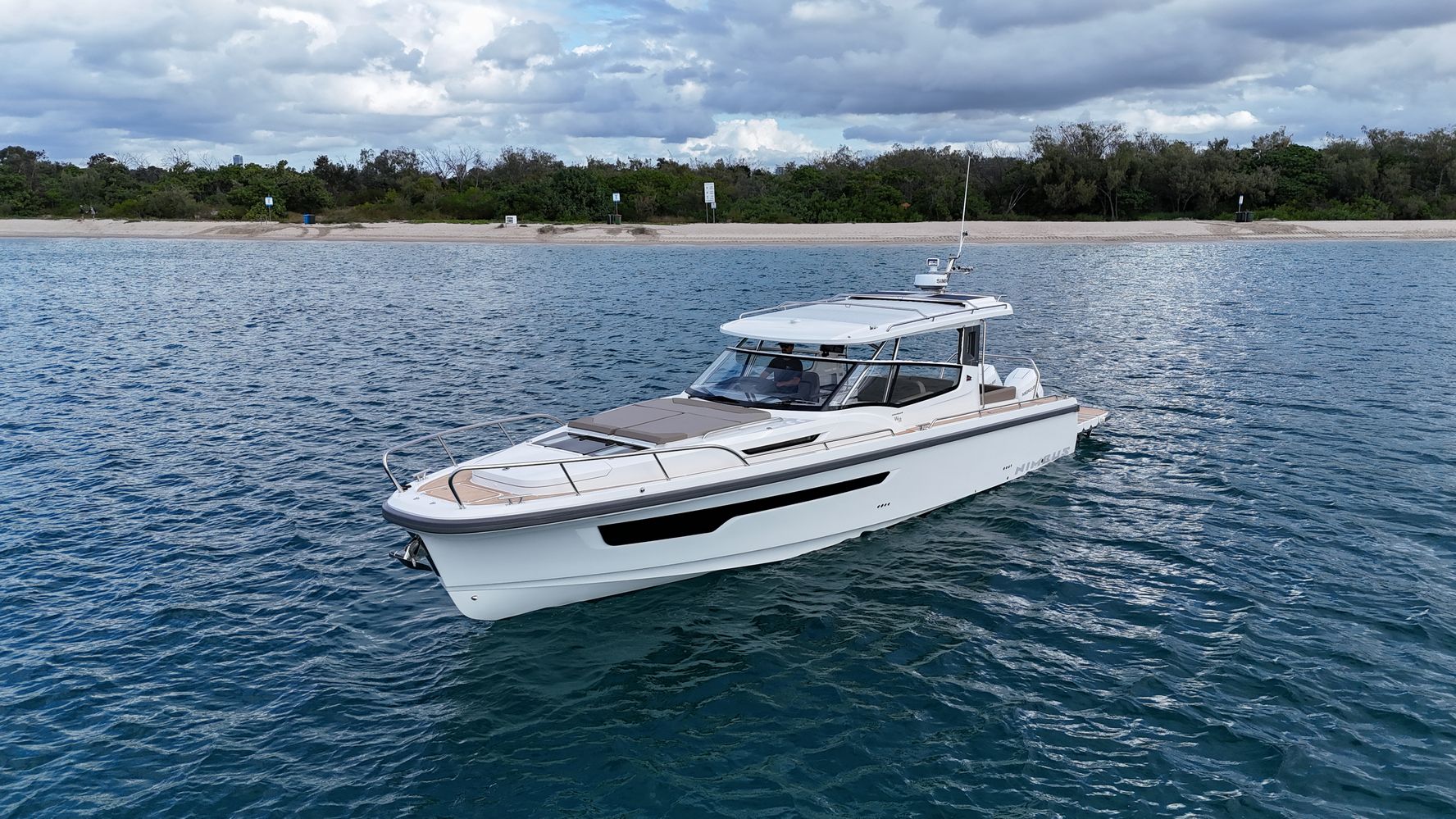
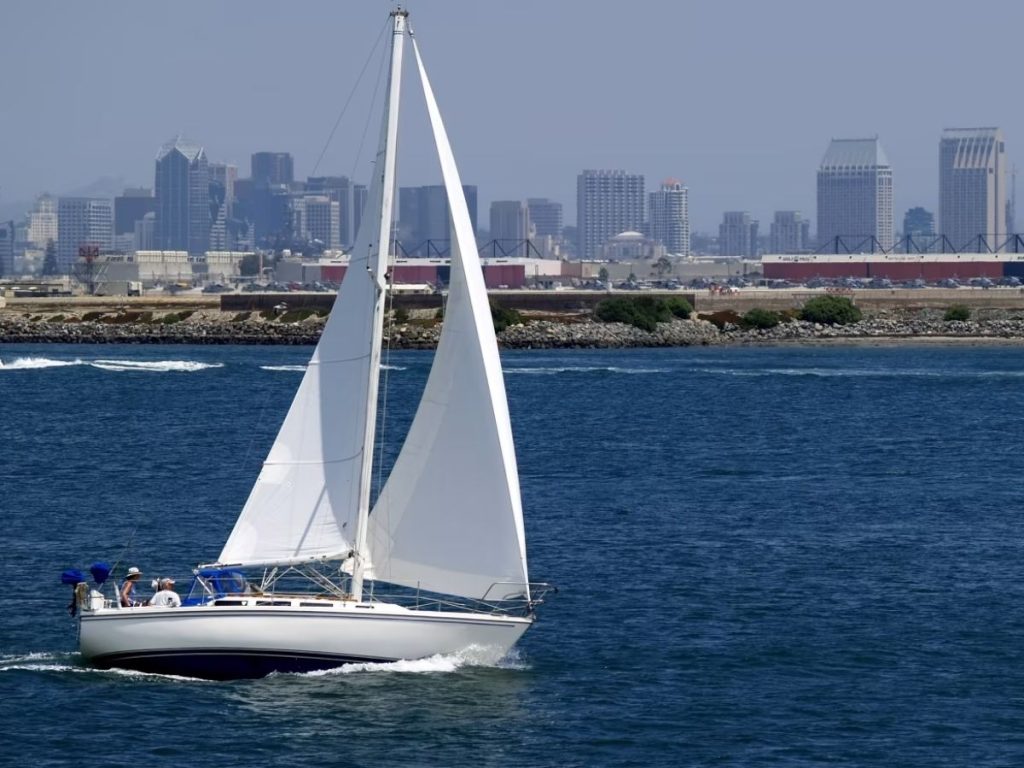
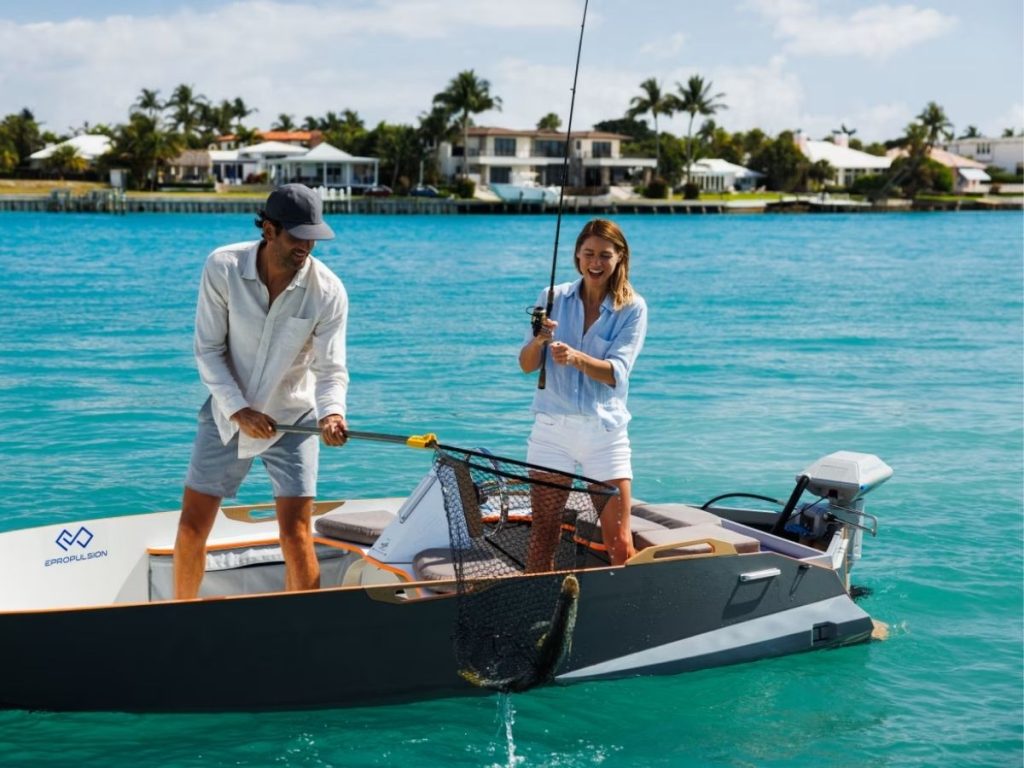
Spirit 2 is best suited to dinghies, tenders, small fishing boats and sailboats (e.g., J/80) up to around eight metres in length. It is designed for displacement hulls rather than high-speed planing, and compares closely with a five-horsepower petrol outboard. Quiet operation and zero emissions make it particularly attractive for fishing in calm waters or areas with engine restrictions.
The system integrates with ePropulsion’s 48-volt ecosystem, supports solar input, and is compatible with third-party systems including Victron Energy.

Designed for real boats
A number of practical refinements improve day-to-day use. These include a detachable clamp, foldable and adjustable tiller, shallow-water trim and a full 90-degree tilt for beaching and ramp work.
A full-colour display replaces earlier screens, offering clearer information in bright conditions. Safety is improved with an integrated steering lock and a proper kill switch with pigtail line.
A 45-watt USB-C outlet allows onboard device charging, and an optional inverter turns the battery into a portable power source ashore.
Weight is another area where Spirit 2 feels well judged. The motor unit weighs just 10.2 kilograms, while the battery adds 10.4 kilograms, keeping the total package around 21 kilograms depending on shaft length. That matters in the real world. One person can lift it safely, remove the battery separately, or stow the motor without awkward handling. For boaties moving the outboard on and off a tender, up a jetty platform, or into a car boot, that manageable weight is as important as power output.
A broader role for electric outboards
Compared with the Spirit 1.0 Plus and Spirit 1.0 Evo, Spirit 2 clearly sits at the top of the range. It offers more usable power, better range, refined hydrogeneration and a noticeably improved user interface, while retaining the portability that made the Spirit name popular.
As ePropulsion co-founder and CEO Danny Tao puts it,
“Spirit 2 embodies our vision for the future of electric boating, where power and portability go hand in hand.”
For day sailing, fishing or tender duty, Spirit 2 feels less like a niche alternative and more like a genuinely capable everyday electric outboard motor. It still rewards sensible planning, but it brings electric propulsion a clear step closer to mainstream use.
Global availability begins in New Zealand autumn 2026 through authorised dealers.
Learn more: https://www.epropulsion.com/products/electric-outboards/spirit-2