


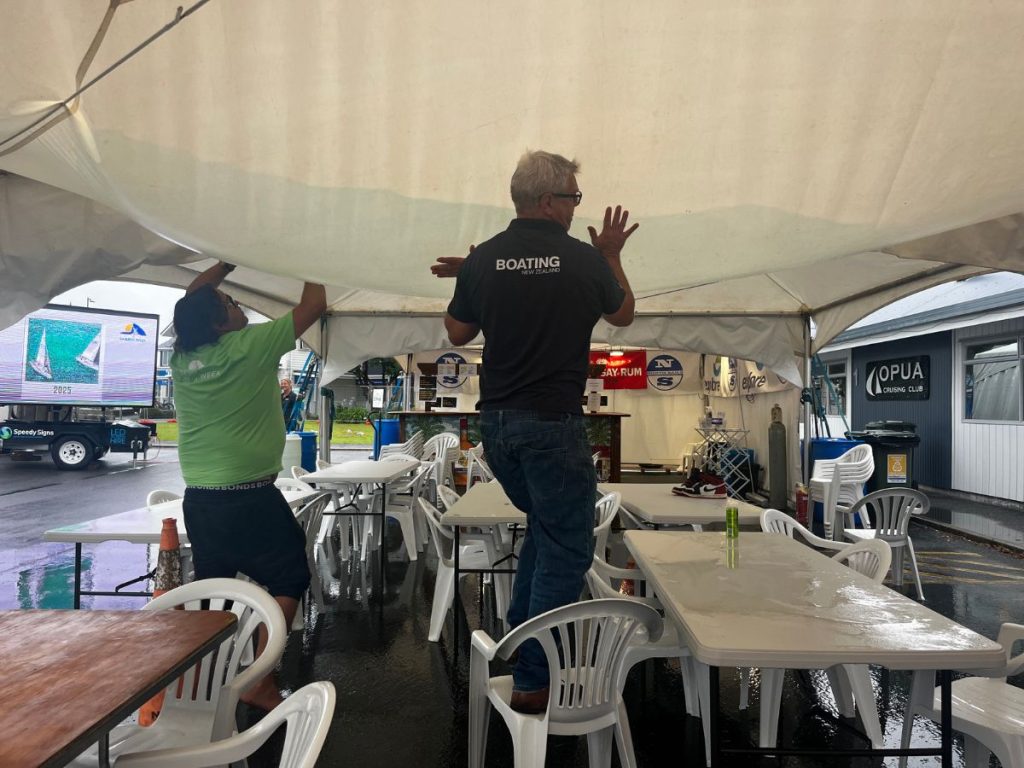
As I stood chatting with Nina and Tony Kiff under the marquee just outside the front door of the Opua Cruising Club, the impact of the rain was impossible to miss. Water streamed across the ground, pooled on the marquee roof, and ran in steady rivulets toward the harbour. I had just jogged from the media shed to the entertainment hut. Five seconds in the open was enough. I was already drenched.
It was an apt opening scene for the 2026 Bay of Islands Sailing Week. Twenty-three years ago, Nina and Tony were instrumental in establishing Bay of Islands Sailing Week. Originally from the UK, and with Cowes Sailing Week firmly in mind, they were keen to create something similar here in New Zealand. With support from others in the local sailing community, the first Bay of Islands Sailing Week came together in 2003. The event has weathered plenty over the past 23 years, but only once, in 2023, has a single day been lost. Never an entire week.
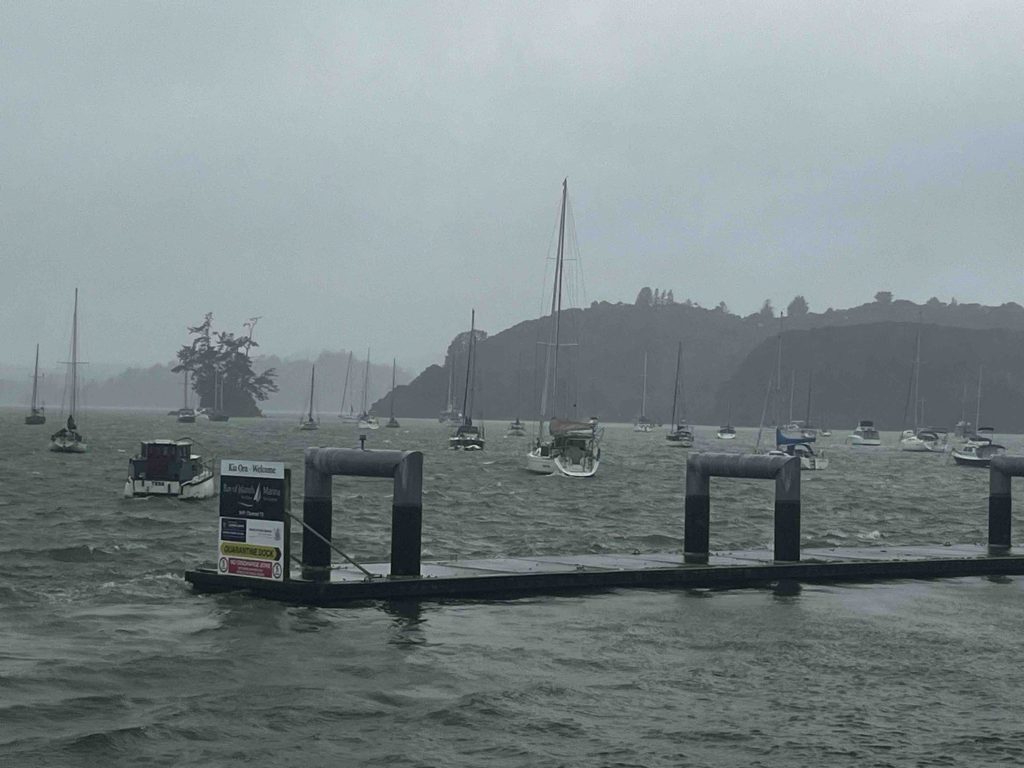
By Tuesday morning, the forecast left little room for optimism. Even long-time Sailing Week regular Cees Romeyn had already withdrawn from racing for the day. Safety was the key concern. The Race Committee first delayed proceedings, then made the call to cancel racing altogether. There may well have been a collective sigh. Crews were keen to sail, even in the relentless rain, but the reality was clear. The harbour water was dirty, likely carrying debris washed off the land. The wind was strong enough to make it unpleasant. It was not worth the risk of damage or injury.


For the first time in the event’s history, the opening day of Bay of Islands Sailing Week was cancelled. The question on everyone’s lips was whether this time the entire week might go the same way. The answer, calmly delivered, was no. Racing would be taken one day at a time.
That approach proved sound. Racing returned on Wednesday. The rain was still heavy, but winds were lighter and conditions more workable. Thursday brought less rain. Friday delivered something close to a reward. Thirty crews made the trip to Opua, and what followed was proper offshore racing. The weather dictated that the Magic 25s would not make Sailing Week. What did arrive ranged from Paul Smith’s 5.5 metre The Racoon to Graham Matthews’ Marten 55, Equilibrium, and plenty in between.
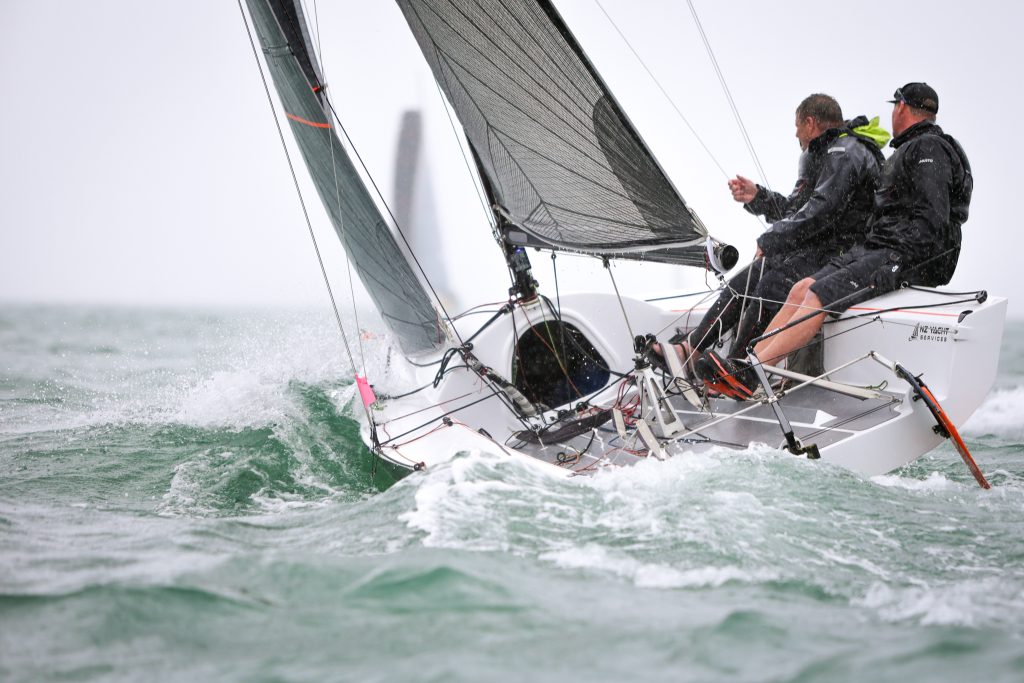
Once racing settled in, the pattern across the fleets became clear quickly. This was a Sailing Week where crews went out, raced hard, got wet, and enjoyed every minute of it, with enough still left in the tank to share stories back at Sailing Week HQ at Opua Cruising Club each afternoon. The conditions were testing, but the mood never dipped. If anything, it lifted.
During one of the weather pauses, a short conversation with new Race Committee chair Andrew Kearney offered another layer of context to the week. It had been a messy year behind the scenes. A new chairperson and a new treasurer had come on board within weeks of each other. Then, just three weeks out from the 2026 Sailing Week, the secretary role was unexpectedly vacated. Andrew stepped up, took on the challenge, and brought the committee back together. Kelly was called in to help steady the ship, bringing fresh energy and a lot of hard-earned sailing event experience to the mix. It was not a story many on the dock would have known, but it sat behind the week that unfolded.
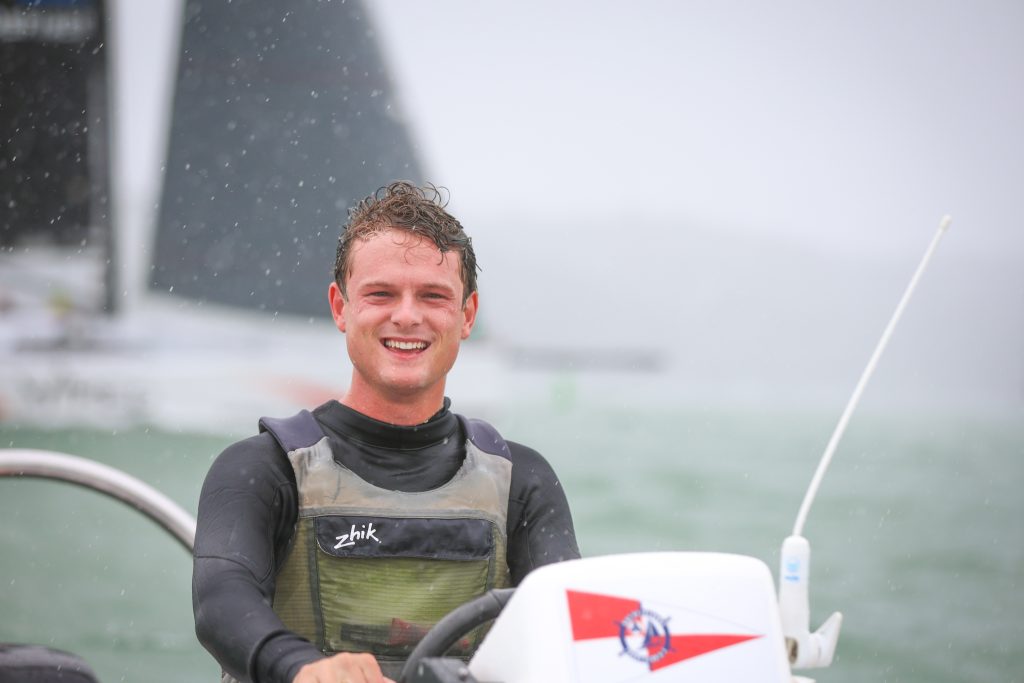
From my vantage point in the media shed, I was able to watch events unfold more casually. You start picking up on the things no one really talks about. The pride people have in Sailing Week shows in the way leadership naturally steps forward when it is needed. Having experienced sailors on hand, like Vixen Racing’s Sharon Ferris-Choat, brings a calm, practical voice to the table. The volunteer contribution was evident throughout, with crews working through the same conditions as those racing while also managing the shifting demands at headquarters.


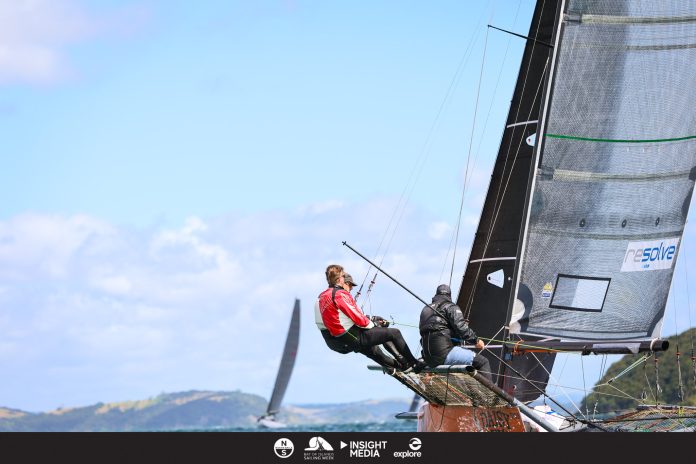
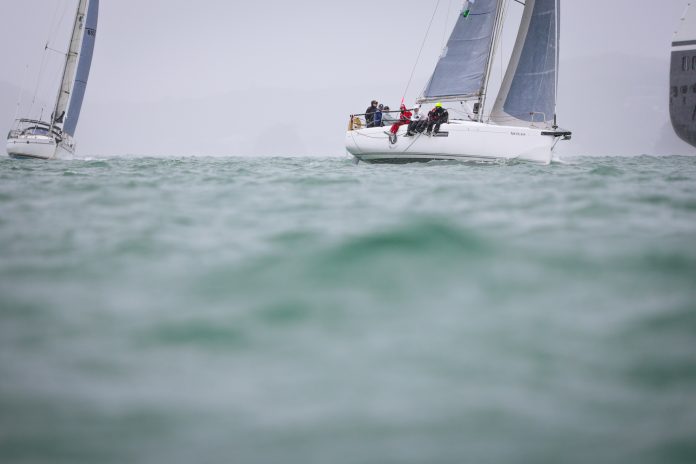
On the water, the boats in Racing A, B, and C shared more similarities than differences. The same patterns kept showing up across the fleets. Crews worked their boats through the worst of the rain and took advantage of the lighter spells when they arrived.
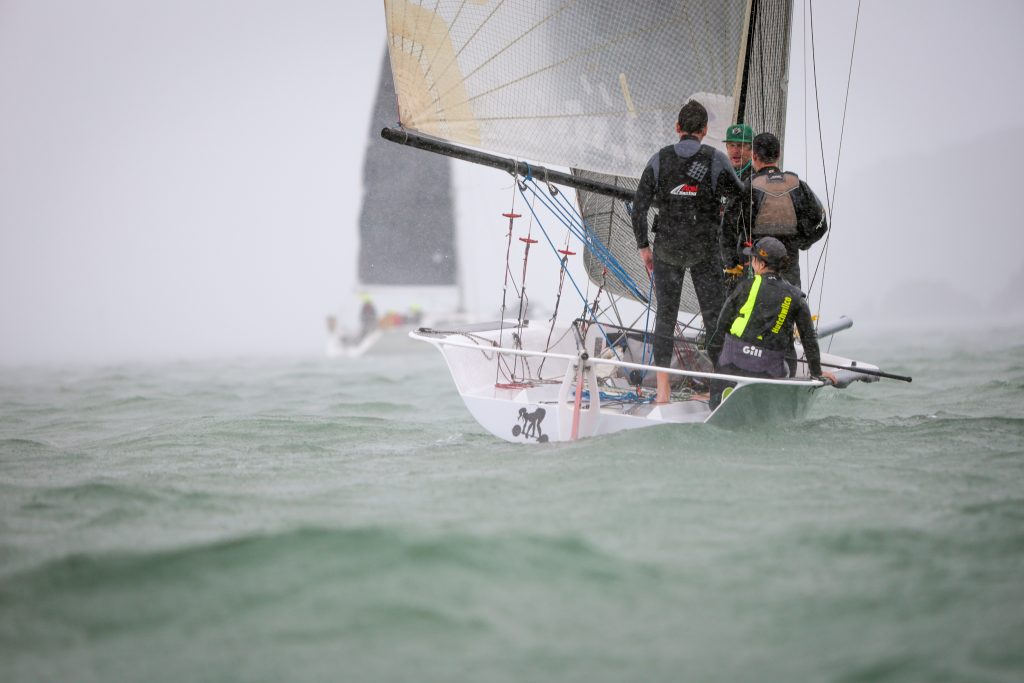
Across the three divisions, the boats that stood out did so for more than the final scores. It would be easy to single out names like Wired, Equilibrium, Daisy Duke, or Young Magic, but that misses the point. The reality is that every crew that turned up, launched, and kept racing through the week earned their place in the week.
The handicap systems proved well matched to the fleets. Boats that were not featuring on the podiums early in the week found their opportunities later, taking race wins on either EHC or PHRF as the series unfolded.
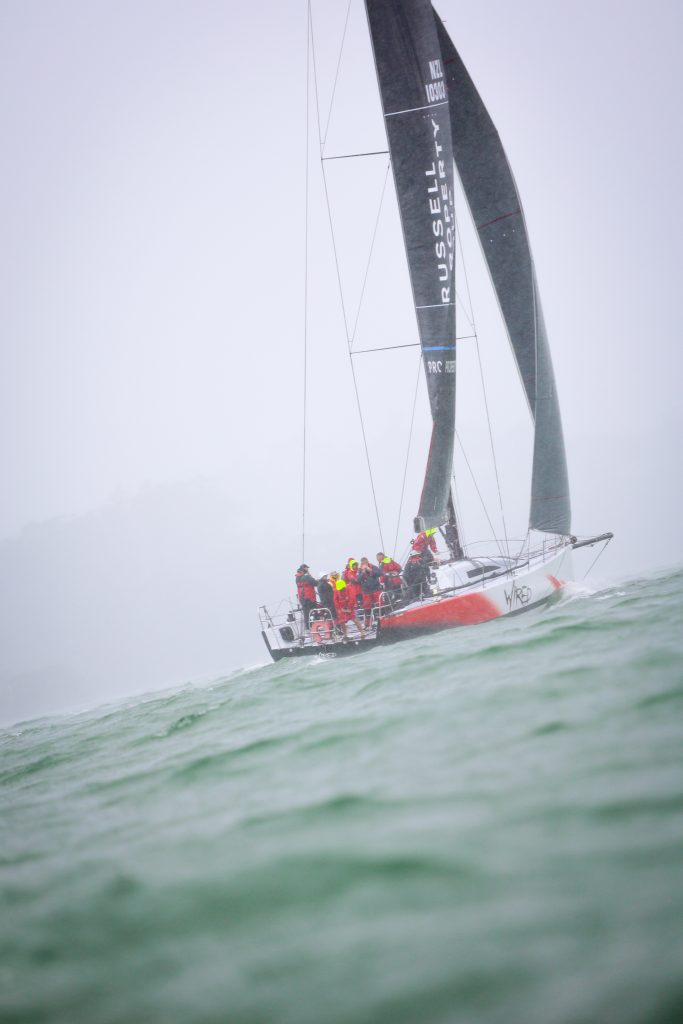
Racing A delivered a high-calibre contest between five proven offshore performers. On the water, Bassett and Russell’s TP52 Wired was decisive, controlling the fleet from the front and winning every race on line honours. On handicap, the balance shifted. Graham Matthews’ Botim-Carkeek 55 Equilibrium proved the most complete package across the week, capitalising on reduced conditions and delivering the consistency required to take both EHC and PHRF honours. Behind them, John Muir’s Farr 43 Georgia One and William Goodfellow’s Elliott 50 Ss Explore Racing showed flashes of strength, while Sharon Ferris-Choat Verdier 40 Vixen Racing’s challenge was undone by mechanical issues rather than a lack of pace.
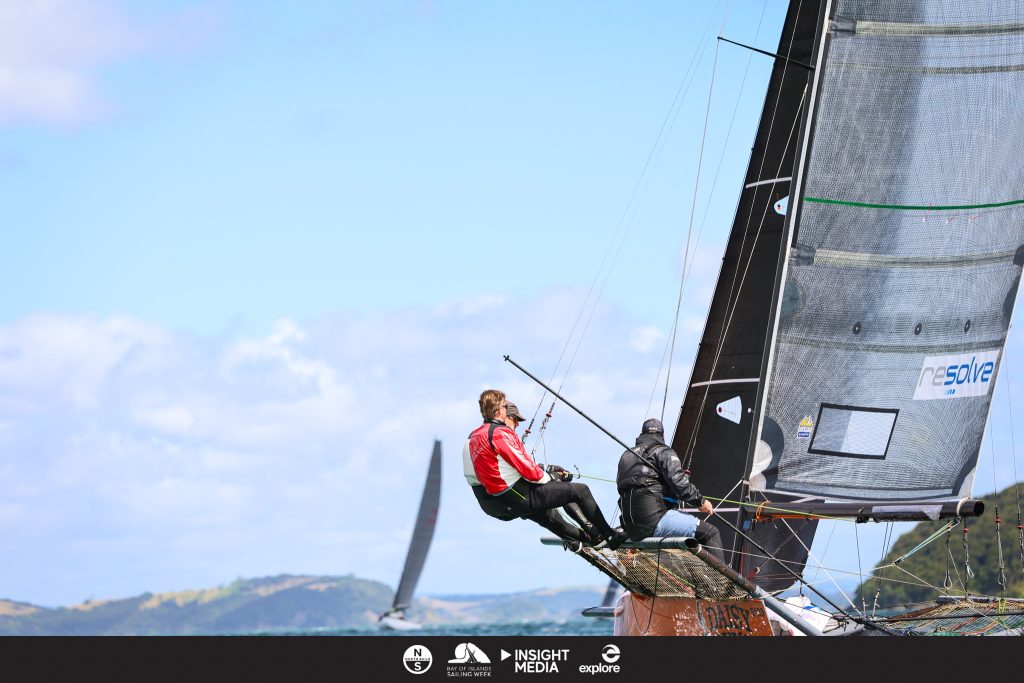
Tight margins were across Racing B results; the depth of the fleet was obvious early on. Matt Gottard’s Shaw 7 Daisy Duke dominated on line honours, sailing away from the fleet in several races. Handicap racing told another story. Graeme Lucas’ Elliott 1050 Chain Reaction claimed the EHC series through steady accumulation, while Hans Wehmeyer’s Thompson 850 Men At Work 3 secured the PHRF title with repeated wins measured in seconds rather than minutes. Later in the week, Paul Rudling’s Farr X2 Radix and Mike Bennett’s Ross 40 The Farm scored their first handicap wins. Even in the last races, results were not settled.
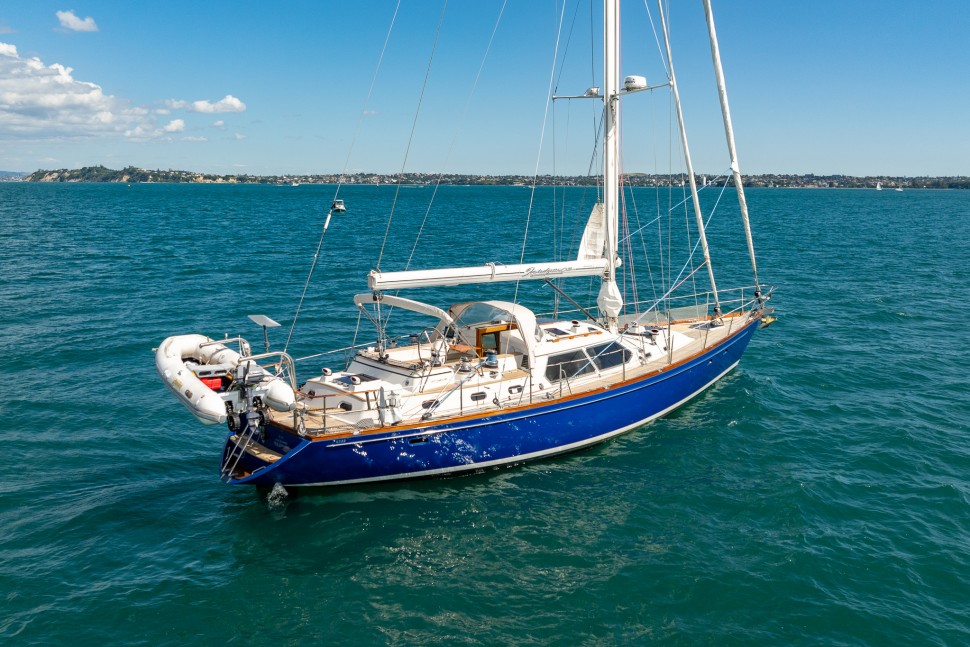

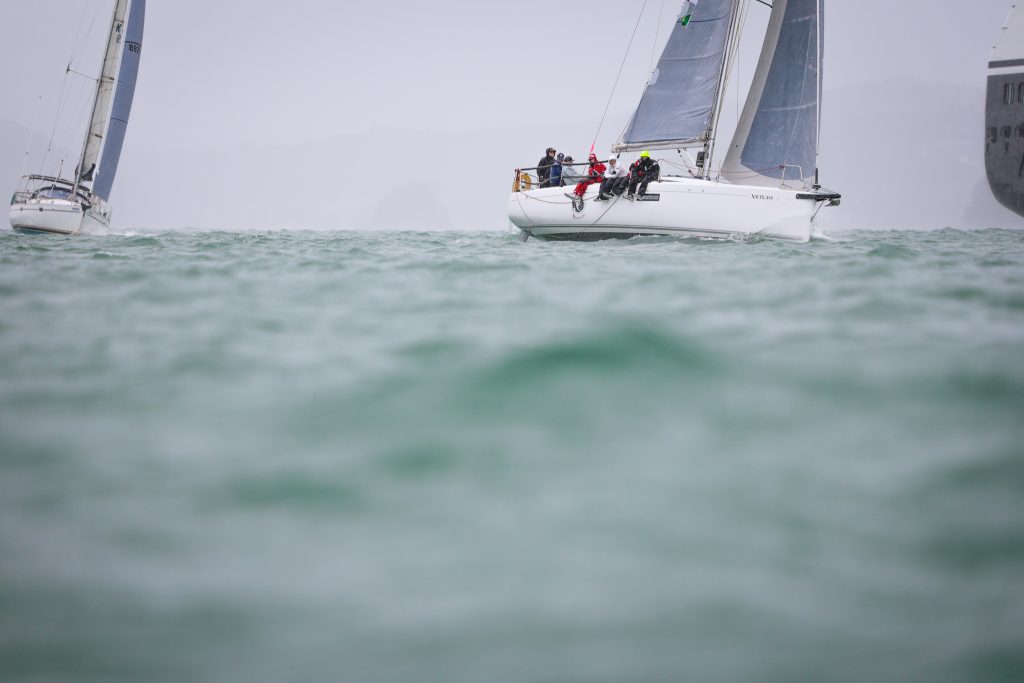
Although Racing C’s results seemed clear across the week, it was far from the truth. Look behind the scoreboard, and Bill Clifton’s Platu 25 Platupus, Doug France’s Farr 10.20 Cotton Bud, and Ian Templeman’s Farr 2020 Farr South each picked up handicap wins later in the week. On line honours, Paul King’s Beneteau First 36 Nautilass delivered a flawless series, winning every race. Giovanni Belgrano’s Young 88 Young Magic remained a constant threat, often within seconds, while also taking out both the EHC and PHRF leaderboards.
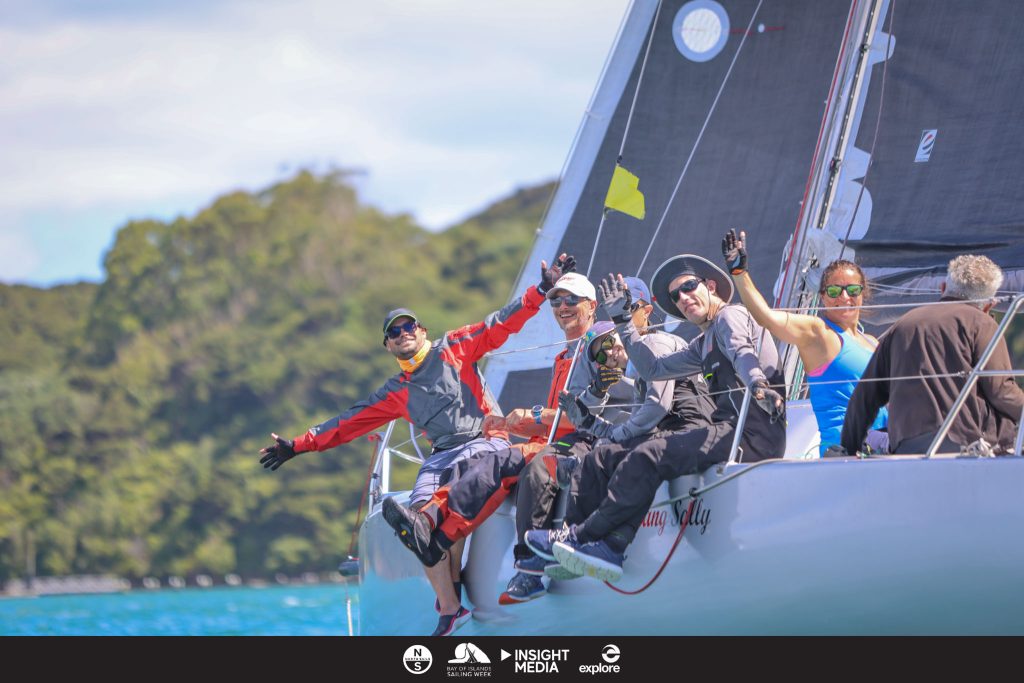
It would be easy to say Bay of Islands Sailing Week 2026 was defined by the weather. I would disagree. What kept the week moving was the collective resolve to push the regatta forward in the face of genuinely challenging conditions. The Race Committee stayed steady under pressure, and the crews showed up day after day, ready to be challenged. Wet, tired, and tested, they kept racing. That is the Bay of Islands Sailing Week.




Would love to have visited. Another success for the regatta team.