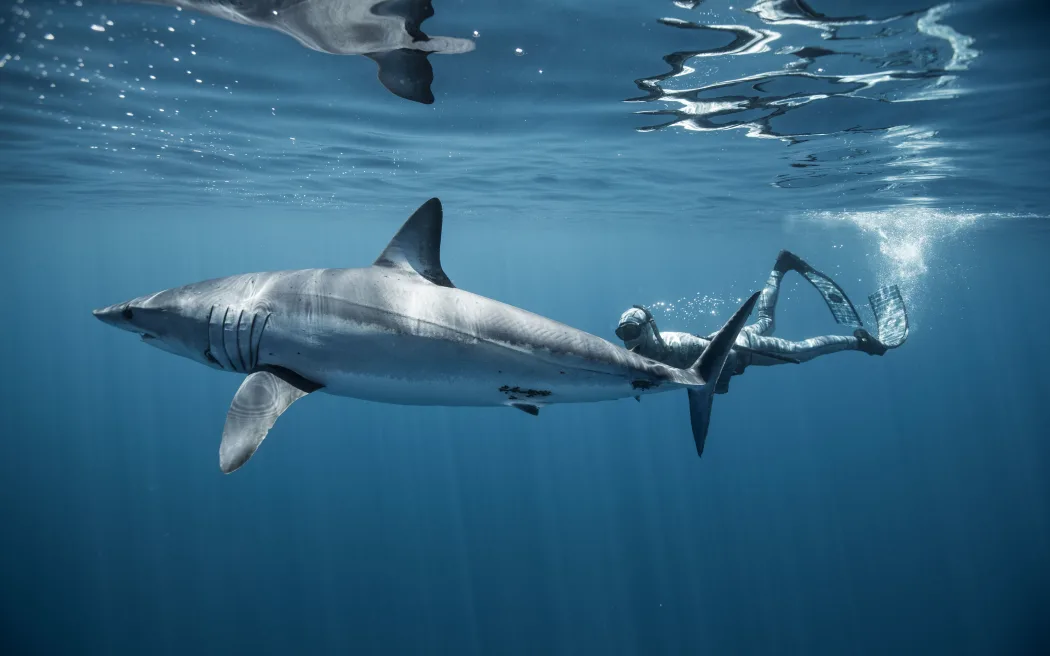
The advice comes amid high alert across the Tasman, following four shark attacks across New South Wales in less than 48 hours.
A 12-year-old boy was in intensive care after sustaining critical injuries to both his legs in an attack near Shark Beach in Sydney’s eastern suburbs on Sunday.
Two attacks, both on Sydney’s northern beaches, then occurred in the space of a few hours on Monday.

A 27-year-old man was in critical condition after suffering severe injuries to his legs at Manly’s North Steyne Beach. Earlier that day, an 11-year-old boy escaped injury after a large bite was taken out of his surfboard at Dee Why.
A 39-year-old man also escaped serious injury in the latest shark attack at Point Plomer on the Mid North Coast on Tuesday.
The state government was working with Northern Beaches Council and Surf Life Saving NSW in response to the cluster of attacks.
Following a bout of bad weather, Australian experts said ocean conditions were ripe for shark activity, particularly bull sharks.
Marine biologist Professor Culum Brown of Macquarie University said sharks were drawn to freshwater flushes to feed on fish and dead animals as they drifted down from rivers.

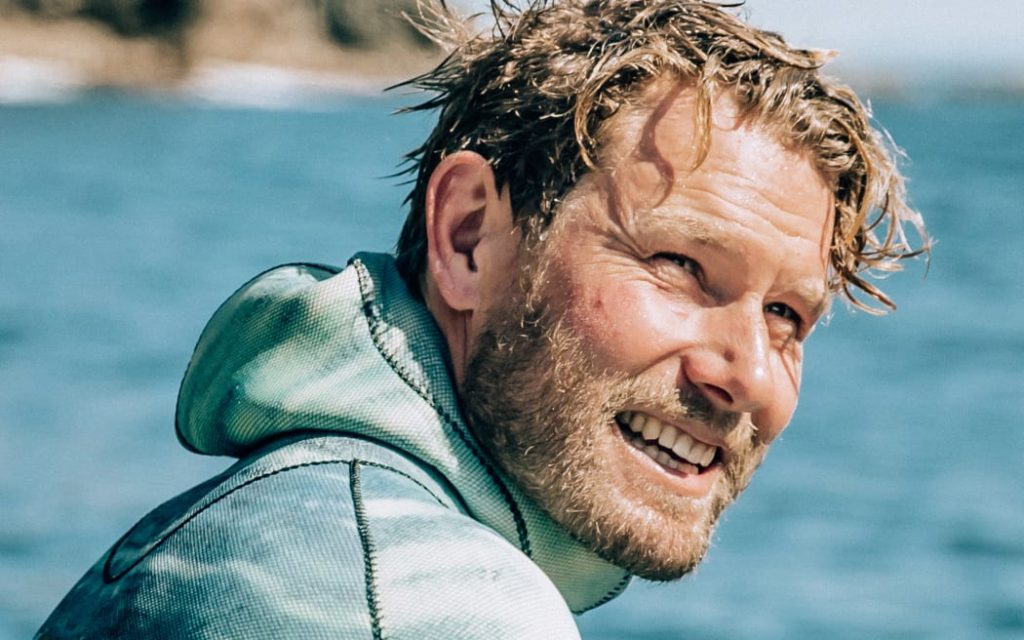
New Zealand shark scientist and conservationist Dr Riley ‘Shark Man’ Elliott has run a long-standing tag-and-trace programme across the country.
Speaking to RNZ from a boat in Foveaux Strait, Elliott said the attacks were tragic but also a reflection of growing population bases.
“[Great white sharks] have been protected for several decades now, and that should increase their numbers, but they do breed very slowly, so their numbers haven’t exploded,” he said.
“Human populations have grown dramatically, and there’s more water recreation, more activities, more sports, more surf appliances. Innately, there are more people in the water.”
Although shark attacks were not as common in New Zealand compared to the warmer climes of Australia, other environmental factors heightened the risk.

“Sharks don’t [hunt] people,” Elliott said. “Where they make mistakes is when they’ve been drawn into a food source, they’re hungry, the visibility’s poor, and then people go in the mix.
“Urbanisation, sedimentation, agriculture – all these things… our harbours used to be crystal clear, now they’re muddy and gross.
“These animals are trying to hunt in that poor visual environment.”
Elliott recommended avoiding swimming in periods following heavy rainfall, in river mouths, during dusk and dawn hours, and around ocean carcasses.
The conservationist had spotted three Australian-tagged great white sharks during his Fiordland expedition.
“Equally, some of the sharks I’ve tagged down here have gone to Australia, so they move very big distances,” he said.
A diver was flown to the hospital after being bitten by a shark – presumed to be a great white – at Dusky Sound in Fiordland National Park last April.
Shark sightings have also been reported in Auckland, Christchurch, and Whangārei in recent weeks.
Elliott said shark attacks were tragic reminders that the ocean wasn’t a playground.
“If we want to co-exist in nature, we need to understand it, we need to respect it, we need to take care of it.”
This article originally appeared on RNZ. It was written by ,