Who is involved, and why it matters
This agreement brings together two companies that sit on opposite sides of the same system, but depend on each other to function.
One organises cargo across global supply chains. The other physically moves it across oceans.
DHL operates primarily as a freight forwarder. Its role is to manage how goods move from origin to destination across sea, air, road, and rail, coordinating schedules, capacity, and handovers along the way. DHL does not usually own ships. Instead, it purchases space on vessels and manages transport on behalf of customers moving cargo internationally.

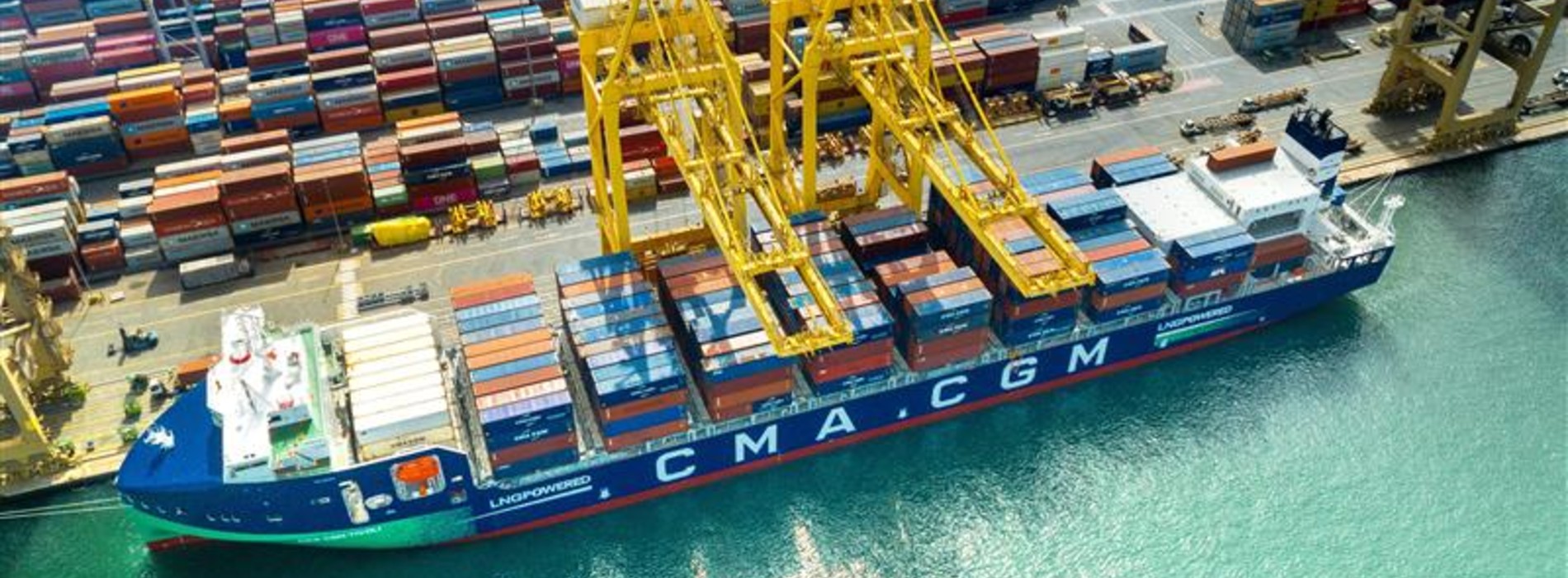
CMA CGM is a ship operator. It runs one of the world’s largest container fleets, with scheduled services linking major ports across all major trade lanes. The company controls the vessels themselves, along with decisions around fuel use, engine technology, and fleet investment.
That separation of roles is what gives this partnership its weight. DHL influences demand and customer choice. CMA CGM controls how fuel is used at sea.
What has actually been agreed
Under the agreement, the two companies have committed to the joint use of 8,990 tonnes of second-generation biofuel, supplied as UCOME, across CMA CGM’s operating fleet.
The fuel use is expected to deliver an estimated 25,000 tonnes of CO₂ equivalent emissions reduction, calculated on a well-to-wake basis, for ocean freight booked through DHL’s lower-carbon services.
This is not a trial or a pilot. The fuel is being bunkered and used in working ships operating on commercial routes.

For DHL customers, the arrangement provides access to reduced-emissions transport without requiring changes to routes or schedules. For CMA CGM, it increases the volume of alternative fuel being used across its fleet in day-to-day operations.
Why biofuel is being used now
The long-term direction of shipping fuels is well understood. Methanol, ammonia, and hydrogen feature heavily in future planning. The constraint is timing rather than intent.
Production volumes remain limited, infrastructure is unevenly developed, and costs are still high. Those factors make large-scale adoption difficult for global container fleets that rely on consistency and reliability.
Second-generation biofuels fill that gap. They can be used in existing engines, blended with conventional fuels, and supplied through current bunkering systems. Most importantly, they deliver emissions reductions immediately, without waiting for new vessels or port infrastructure to be built.
For an industry where disruption carries significant cost, that practicality matters.

Understanding the book and claim model
A central feature of the agreement is the use of a book and claim framework.
CMA CGM physically burns the biofuel across its fleet. The resulting emissions reductions are then allocated to DHL customers who pay for lower-carbon transport, even if their specific container is not carried on the vessel using the fuel.
This approach allows alternative fuel use to be scaled across a complex global network without creating operational bottlenecks. Matching individual containers to individual fuel tanks would slow progress considerably.
Book and claim is not a perfect system, but it reflects the realities of how global shipping operates and allows emissions reductions to be delivered now rather than deferred.
What the emissions figures mean in practice
Through CMA CGM’s ACT+ offering and DHL’s GoGreen Plus service, customers can choose different levels of emissions reduction depending on fuel mix and service selection.
These reductions are calculated across the full fuel lifecycle, not just exhaust emissions at sea. That distinction is important in shipping, where upstream fuel production can account for a significant share of total emissions.
CMA CGM reports that it has already reduced the carbon intensity of its shipping operations by more than half since 2008, largely through efficiency gains, fleet renewal, LNG adoption, and increasing use of alternative fuels. This agreement builds on that existing trajectory rather than resetting it.
Why this matters beyond container shipping
Container shipping often sets the pace for change because of its scale. Once fuels, standards, and accounting systems are established at this level, they tend to influence other parts of the marine sector.
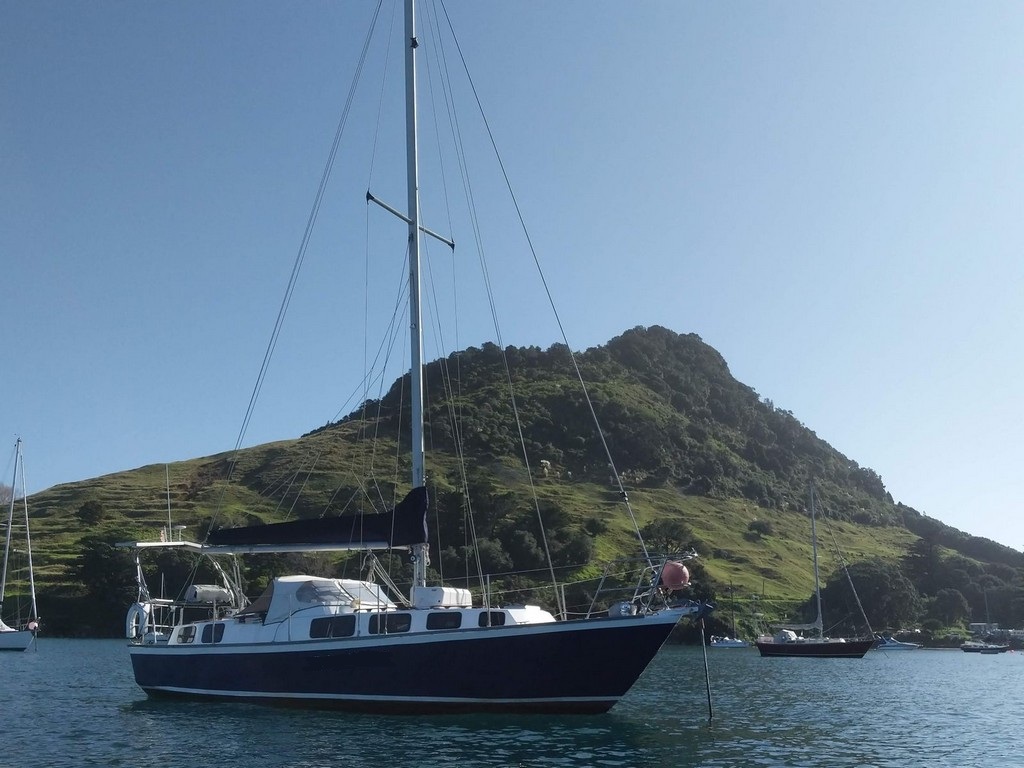
What works for global freight today shapes what becomes available tomorrow to ferries, workboats, offshore operators, and eventually smaller commercial and recreational vessels.
For the wider boating world, this is less about cargo and more about direction. The transition is happening through steady, practical steps rather than dramatic shifts.
A first step in a long transition
This agreement will not solve shipping’s emissions challenge on its own. It does show how large operators are using existing tools to reduce impact while future fuels continue to develop.
Shipping rarely changes quickly. It changes deliberately.
Seen in that light, this partnership is less about bold claims and more about incremental progress, delivered voyage by voyage, using systems that already exist.