The first Preliminary Regatta in Cagliari will set the tone for AC40 fleet racing and a tightly packed 2026 sailing calendar.
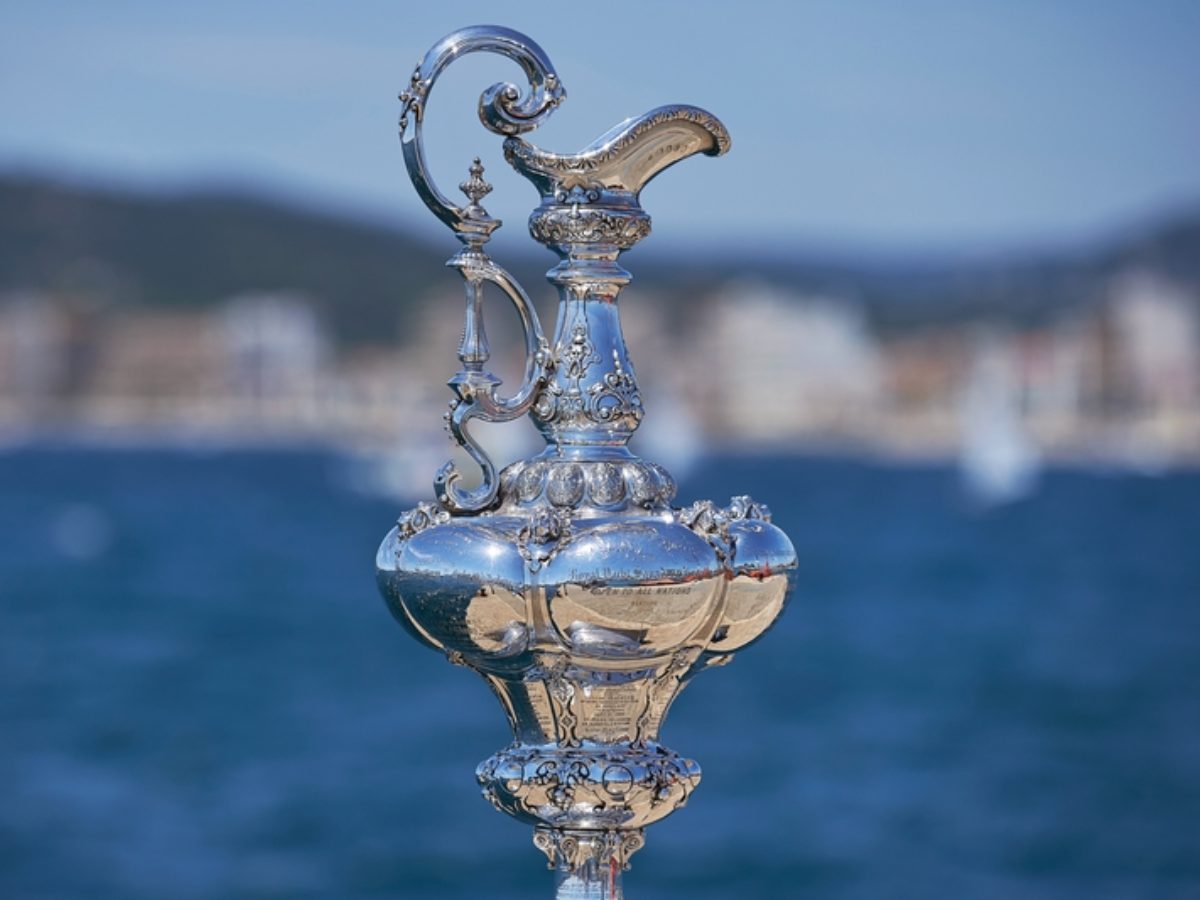
With venues, dates, and a clear racing format now confirmed, the Louis Vuitton 38th America’s Cup is beginning to take definition. The first Preliminary Regatta, to be held in Cagliari, Sardinia, from 21–24 May 2026, will provide the earliest insight into how the next Cup cycle will actually function, both on and off the water.
For followers of the America’s Cup, the structure of the Preliminary Regattas is significant. The decision to centre the event on AC40 fleet racing, rather than the larger AC75s, reflects how teams now use the smaller boats as both development platforms and performance benchmarks in the lead-up to the Match.

The AC40
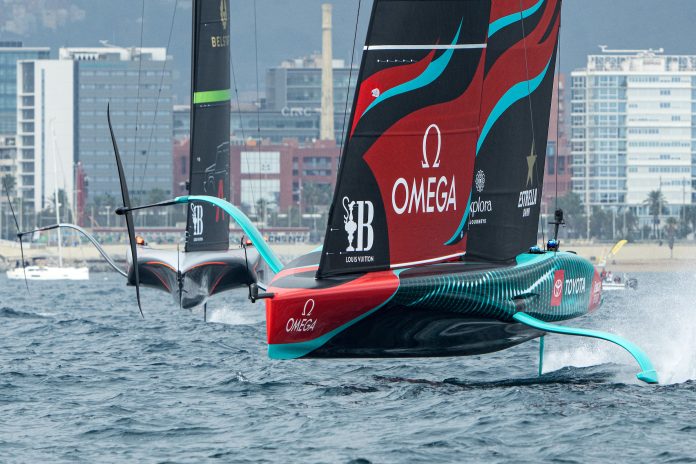
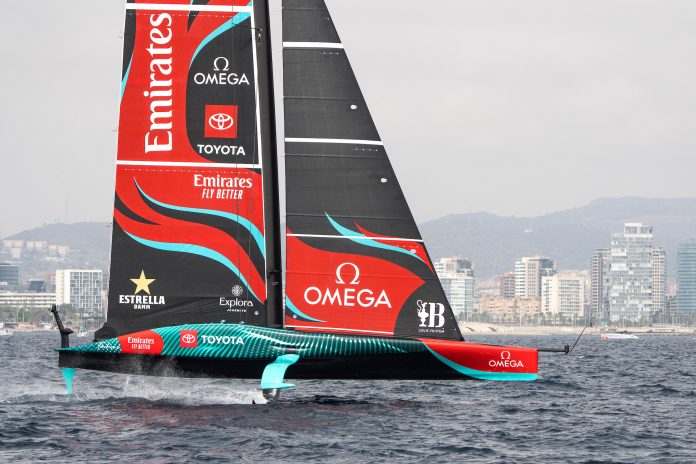
The AC40 has become a critical part of the modern America’s Cup programme. While the AC75 remains the boat that ultimately decides the Cup, the AC40 is used extensively for training, systems testing, and crew development. It has also been the primary platform for Youth and Women’s America’s Cup racing.
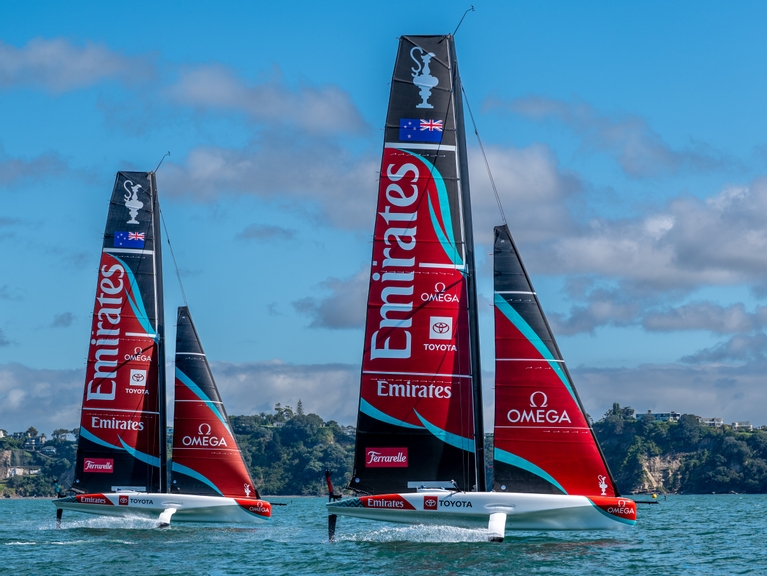
In Cagliari, the AC40 moves firmly into the spotlight.
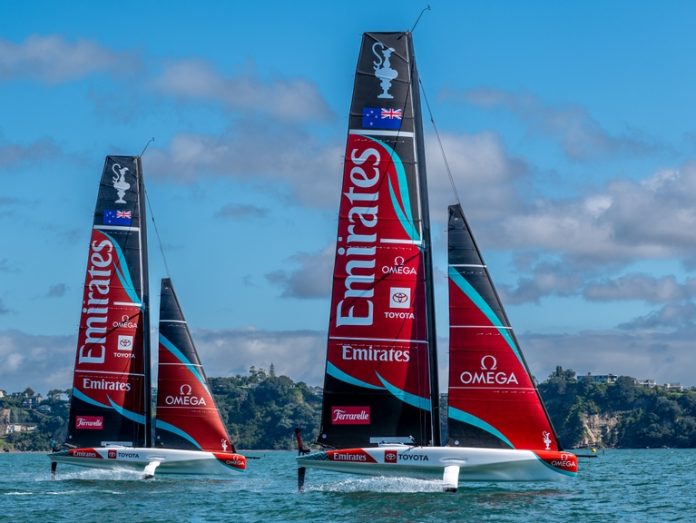
Each team will be permitted to field two AC40s. One will be sailed by the core Cup crew, the other by a combination of Youth and Women sailors drawn from the broader squad. All boats will race under full one-design specification, removing development advantages and placing emphasis on crew work, tactical decision-making, and consistency.
The format also creates genuine competitive tension. In fleet racing, opportunities exist for emerging sailors to take points, and potentially races, from senior teams. In a class as responsive as the AC40, small gains in execution can quickly translate into results.
Cagliari as a first benchmark
Cagliari is a well-established America’s Cup venue. It is the home base of Italian challenger Luna Rossa, and its bay has hosted extensive training campaigns in recent cycles. The location offers reliable breeze, open water, and the ability to set courses close to shore.

For the Preliminary Regatta, racing will take place across two alternative course areas, each approximately two kilometres in radius, positioned near the coastline. AC40 fleet racing is fast, compact, and visually legible from land, making it well suited to public viewing.

Alongside the racing, organisers will establish a Race Village and a waterfront viewing promenade extending toward Lazaretto di Cagliari, reinforcing the event’s accessibility and its role as a public showcase for the Cup.
A compressed calendar
Where the Cagliari regatta becomes particularly revealing is in how it intersects with the wider foiling calendar.
Teams are scheduled to begin arriving in Cagliari from 5 May, establishing bases at the Military Port. Unofficial practice is expected from 16–20 May, followed by an opening press conference and official practice day on Thursday 21 May.
That arrival window, however, overlaps directly with SailGP Bermuda, which takes place on 10–11 May.

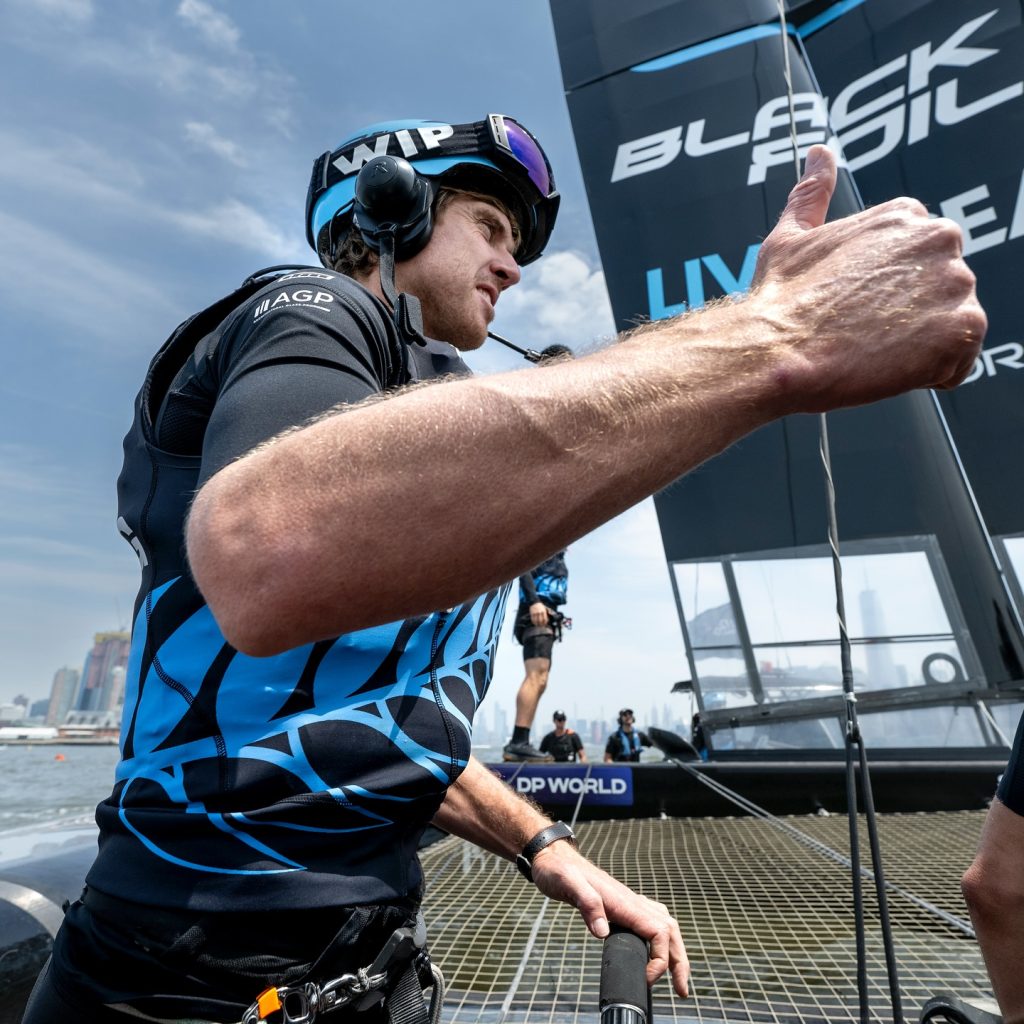
For teams with heavy SailGP involvement, including New Zealand, this creates immediate logistical pressure. The New Zealand contingent starts with Peter Burling (going to Italy AC38), Blair Tuke (Emirates Team NZ), and Artemis helmsman Nathan Outteridge, who comes to Emirates Team NZ as our driver, all of whom remain central to SailGP operations.
In practical terms, it is unlikely those sailors will be in Cagliari from the initial 5 May arrival period. A more realistic scenario is arrival shortly after Bermuda, tightening preparation time ahead of official practice and racing.
The pressure does not ease once the regatta concludes. Racing in Cagliari runs through Friday 22 to Sunday 24 May, with fleet racing across all three days followed by a one-off final between the top two teams.
Just days later, attention shifts again, with SailGP New York beginning practice around 30 May, followed by racing on 31 May and 1 June. The result is a narrow turnaround window between two high-intensity foiling campaigns, requiring careful management of preparation.
Fleet racing returns to focus
From a sporting perspective, the Preliminary Regatta format is one of the most encouraging elements of the early Cup schedule. Across three days, teams will contest 11 fleet races, before the leading two advance to a winner-takes-all match race final.
Fleet racing has consistently produced some of the most engaging moments in recent America’s Cup cycles, particularly in the AC40. Multiple position changes, aggressive starts, and constant tactical pressure reward teams that can execute cleanly across an entire regatta rather than relying on isolated performances.
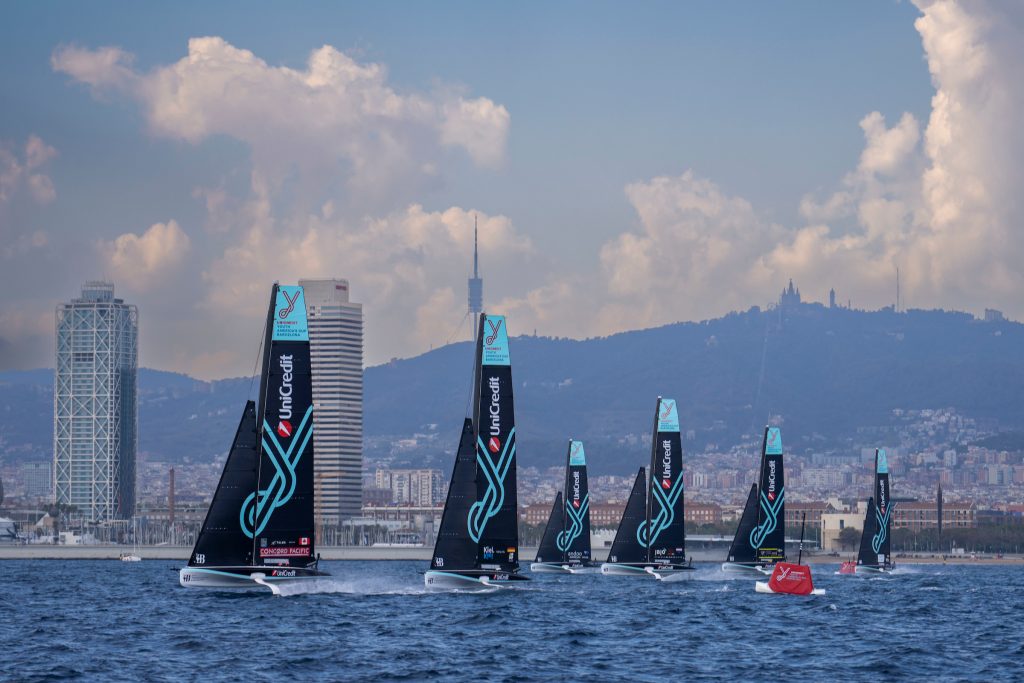
Cagliari will not decide the America’s Cup, but it will establish early reference points. Which teams are organised. Which sailors are ready. And how effectively programmes can balance America’s Cup preparation with the growing demands of SailGP.
The Road to Naples has begun, and for the first time, it is possible to see how that journey is going to be sailed.