The global yacht market has moved beyond short term recovery and into what can now be described as a structural value boom, led by superyachts but reinforced across regional markets including New Zealand.
Mid February reporting from BOAT International confirms brokerage yacht sales reached €7.5 billion in 2025. While overall transaction volumes have eased from pandemic highs, total market value remains firm as buyers continue shifting toward larger, higher specification vessels.
Global Market Insights values the yacht market at USD 12.4 billion in 2024, forecasting growth to USD 22.7 billion by 2034 at a 6.4 percent CAGR. Superyachts alone are projected to grow at more than 10 percent annually, with vessels above 50 metres demonstrating particular resilience.

Value over volume
The pandemic surge between 2020 and 2022 saw sales more than double compared with 2019. That spike has normalised. However, the market has consolidated upward. The 24 to 45 metre segment now accounts for more than 64 percent of global share. Larger yachts continue to transact at strong values, while smaller and older vessels face longer selling periods and sharper price sensitivity.
Earlier this year, Yachtfinders Global highlighted that the shift is not simply about vessel length. Buyer behaviour has evolved. Digital engagement, high quality online presentation and remote negotiation are now standard practice. At the same time, experienced buyers are placing greater emphasis on documented maintenance history, build integrity and long term value.
Lifestyle trends are also influencing demand. Many yachts are now primarily used by couples rather than extended families. As a result, manageable double handed layouts, day boats and picnic boats are seeing increased interest globally.
New Zealand mirrors global trends
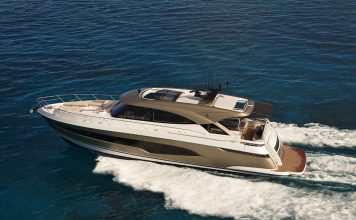
New Zealand data reinforces the broader narrative. According to 36 Degrees Brokers, motor yachts over 10 metres priced above NZD 500,000 have been performing strongly, particularly sedans, game fishing configurations and shaft drive layouts. High quality new builds and two year old vessels remain popular, with a reported buyers’ remorse rate of only five percent.
In contrast, motor yachts below NZD 200,000 have seen declining demand, while the NZD 200,000 to 400,000 segment experienced price corrections of up to 23 percent during 2024. Boats above NZD 500,000 were less affected.

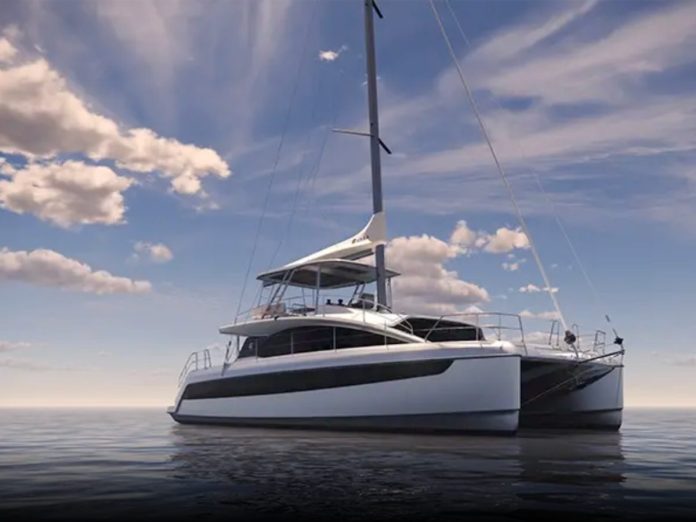
Current listing depth supports this. A review of the Boats for Sale section on Boating New Zealand shows approximately 200 motor yachts currently listed across multiple price points, indicating healthy supply and active brokerage turnover. Sailing multihulls continue to grow in popularity and are reported to sell quickly when well presented and competitively priced.
The economic impact extends well beyond sales. A 2024 report commissioned by NZ Marine and conducted by Market Economics Limited found that 56 visiting superyachts injected approximately NZD 212 million into the New Zealand economy during the 2023/2024 season. Each vessel spent an average of NZD 3.8 million, with around 90 percent directed into marine services including maintenance, refit and berthage. This refit activity forms a significant component of what the NZ Marine Industry Association reports as a NZD 3.3 billion marine sector, including domestic sales and exports.
Significant investment in refit facilities across Northland, Auckland and the Bay of Plenty has expanded capacity, positioning New Zealand to accommodate up to 50 percent more superyacht arrivals in coming seasons.
Trailer boats remain a uniquely strong segment within the New Zealand market, reflecting the country’s access driven boating culture and preference for flexibility.
The conclusion is clear. This is not merely a superyacht headline cycle. It is a broader value driven evolution shaped by global wealth growth, technological advancement, sustainability and more discerning ownership behaviour across all major yacht markets.