What the Hauraki Gulf fisheries closure changes for boaties

A two-year Hauraki Gulf fisheries closure has been confirmed, targeting rockpools and the near-shore strip north of Auckland. Shane Jones, Minister for Oceans and Fisheries announced the decision in a 15 February update, after Fisheries New Zealand ran consultation on the proposal.
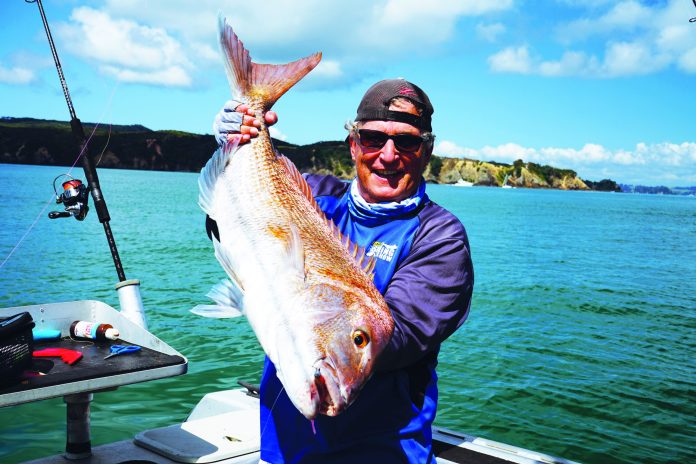
This is not a boating access closure, and it is not a finfish ban. You can still fish for snapper and other finfish under normal rules, and you can still anchor, dive, and cruise. The change is about what you can take from the shoreline and the shallow coastal fringe.
The closure starts on 12 March 2026.

Mr. Jones said:
“I have approved a two-year ban on the taking of a range of invertebrate and seaweed species.”
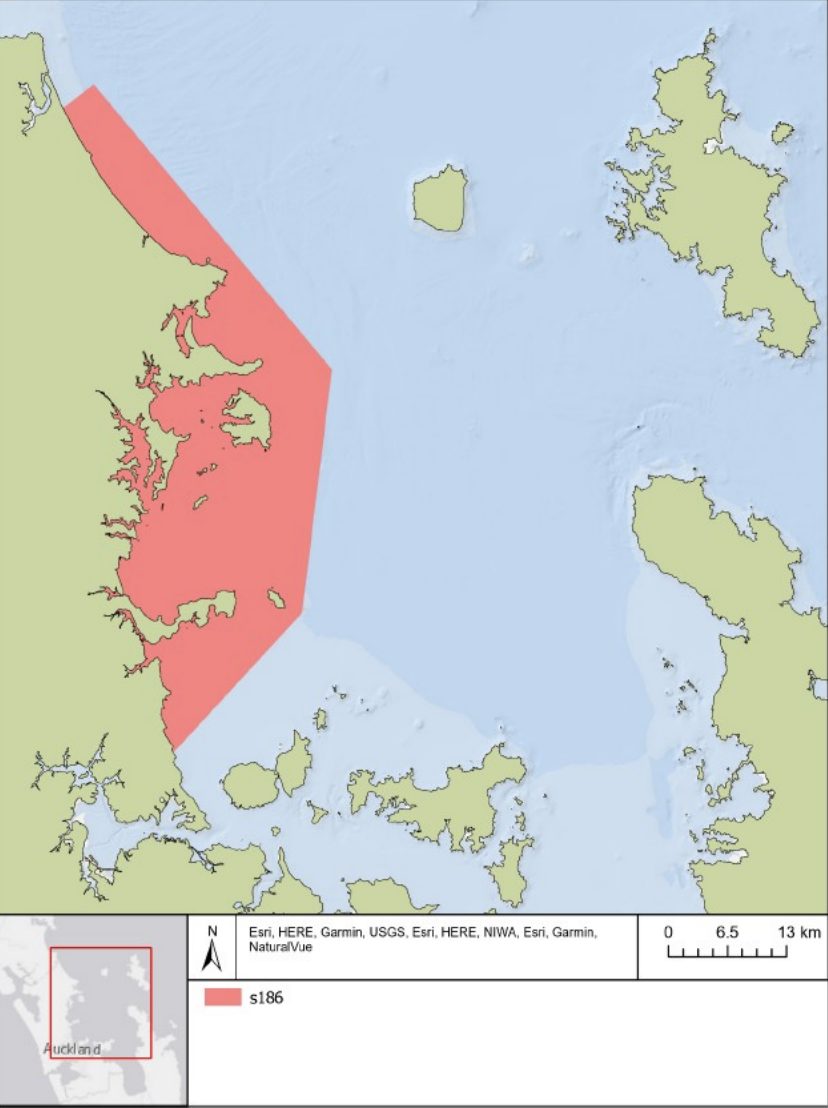
Where the Hauraki Gulf fisheries closure applies
The closure covers three stretches of coastline and adjoining water, generally out to 200 metres offshore.
In Ōmaha Bay, it runs between the Cape Rodney Okakari Point Marine Reserve and the Tāwharanui Marine Reserve. It also includes a 200 metre radius around Panetiki Island, also known as The Outpost, plus the island in Te Kohuroa, Mathesons Bay.
In Kawau Bay, it spans between the Tāwharanui Marine Reserve and the Kawau Bay High Protection Area, again extending offshore to 200 metres.
Around the Whangaparāoa Peninsula, it runs between the mouth of the Ōrewa River and the Long Bay Okura Marine Reserve. It also includes all of Ōkoromai Bay and Te Haruhi Bay.
For practical trip planning, think in simple terms. If you are working the rocks, or gathering off the beach in these areas, you now need to leave it alone.
What you cannot take
The closure prohibits harvesting all seaweed species and invertebrate species within the defined areas.
MPI’s update sets out the scope clearly, and it is broad. It includes, but is not limited to, shellfish and molluscs such as cat’s eyes, cockles, mussels, oysters, pāua, pipi, sea snails, and tuatua, plus crustaceans like barnacles and crabs. It also covers a wide range of other invertebrate life, including jellyfish, sea anemones, sea squirts, sponges, and starfish.
That matters because many families do not just target the obvious species. A day on the coast often includes a bit of everything, especially in sheltered bays and rock platforms.
The carve-outs boaties need to know
There are three key exclusions that will catch people out if they skim read the headlines.
First, the closure does not apply to spiny rock lobster or scallops, because separate closures already exist for those species.
Second, kina is excluded. You can still take kina within current recreational limits. The Minister said he chose this approach because managing kina barrens remains a priority.
“I decided to allow kina to continue to be taken as managing kina barrens is a priority for me.”
Third, the Beehive release notes the closure does not apply to aquaculture activities, including marine farming and spat collection for those activities.
If you are a boatie who collects a feed from the rocks, the simple message is still the same. In these areas, do not take shellfish, and do not take seaweed.
Why the change, and what happens next
The closure follows a request from Ngāti Manuhiri Settlement Trust under section 186A of the Fisheries Act, with the intent of reducing pressure on easily accessed intertidal ecosystems.
The Beehive release frames the decision as a response to heavy collection from rockpools and surrounding coastline, and it also signals more work to come. The Minister said officials are developing proposals for wider intertidal management in Auckland and Coromandel, with public consultation expected in the coming months.
There is also a practical on the ground element. The under secretary, Jenny Marcroft, is quoted saying officials will explore how community volunteers can be supported, and Fisheries New Zealand will develop multilingual material to help visitors understand the rules.
For Boating New Zealand readers, this lands in a familiar place. The Gulf is still a brilliant backyard, but the near shore zone is under pressure, and this closure makes that visible in law.
If you fish the region, the best habit is the old one. Check the rules before you launch, then check again when you shift areas, because the boundary lines matter.