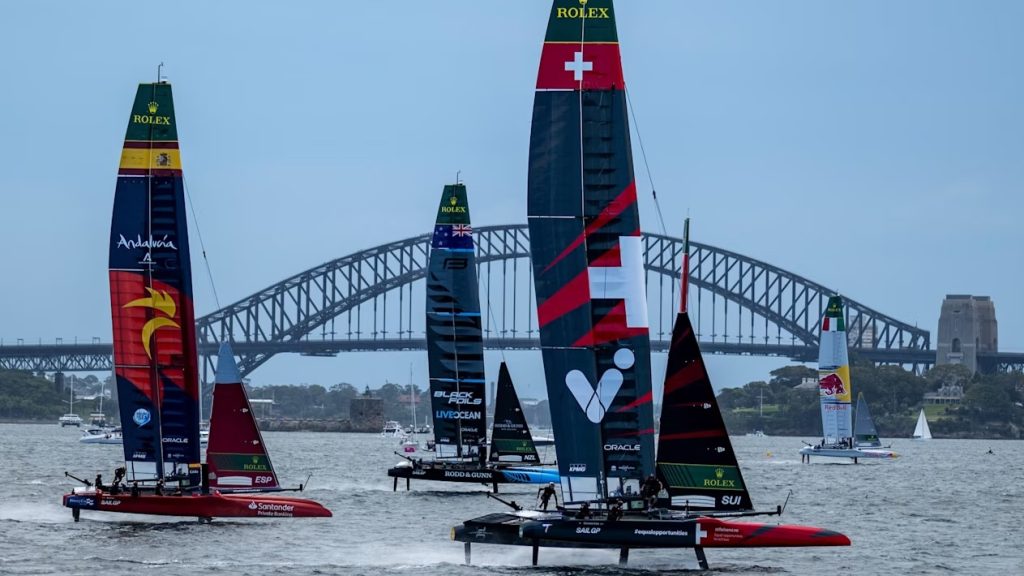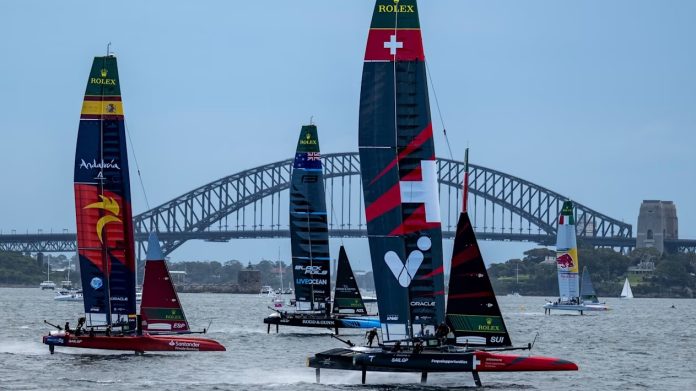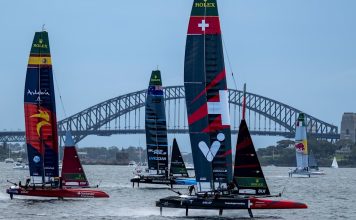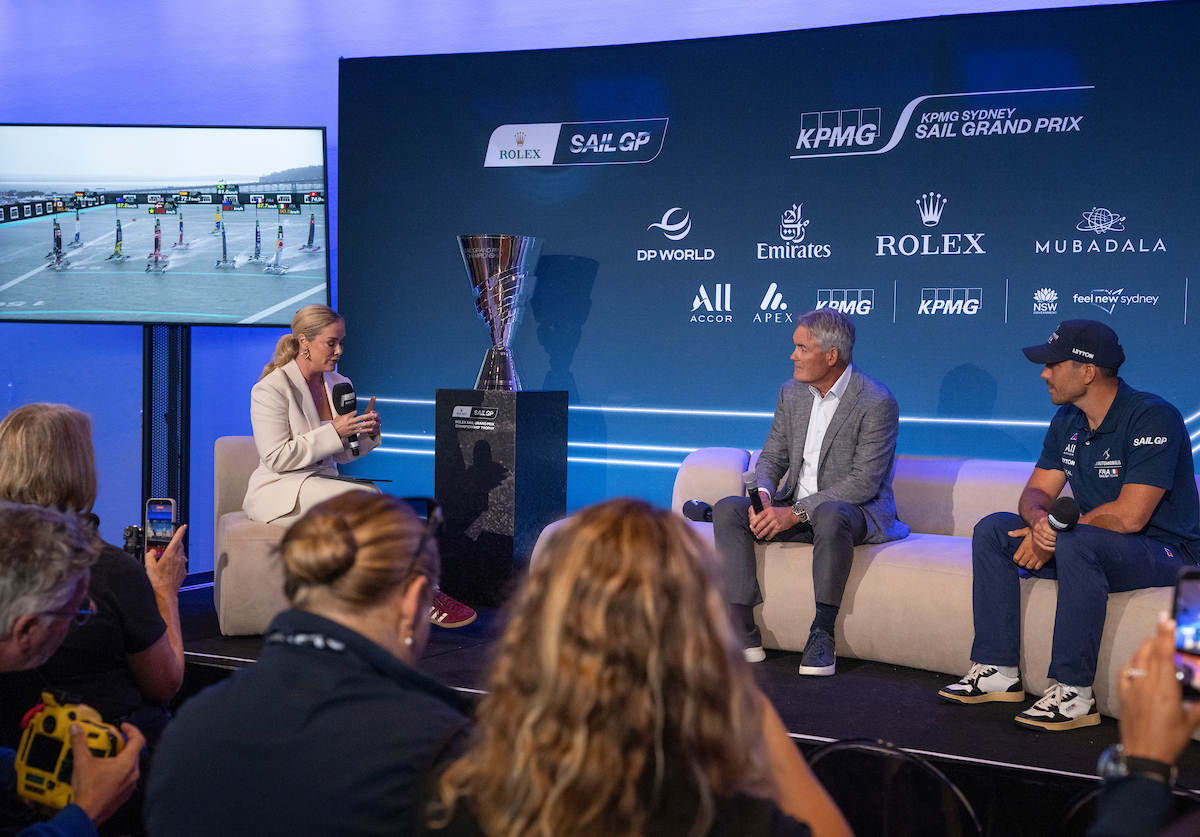
The KPMG Sydney Sail Grand Prix arrives with unfinished business.
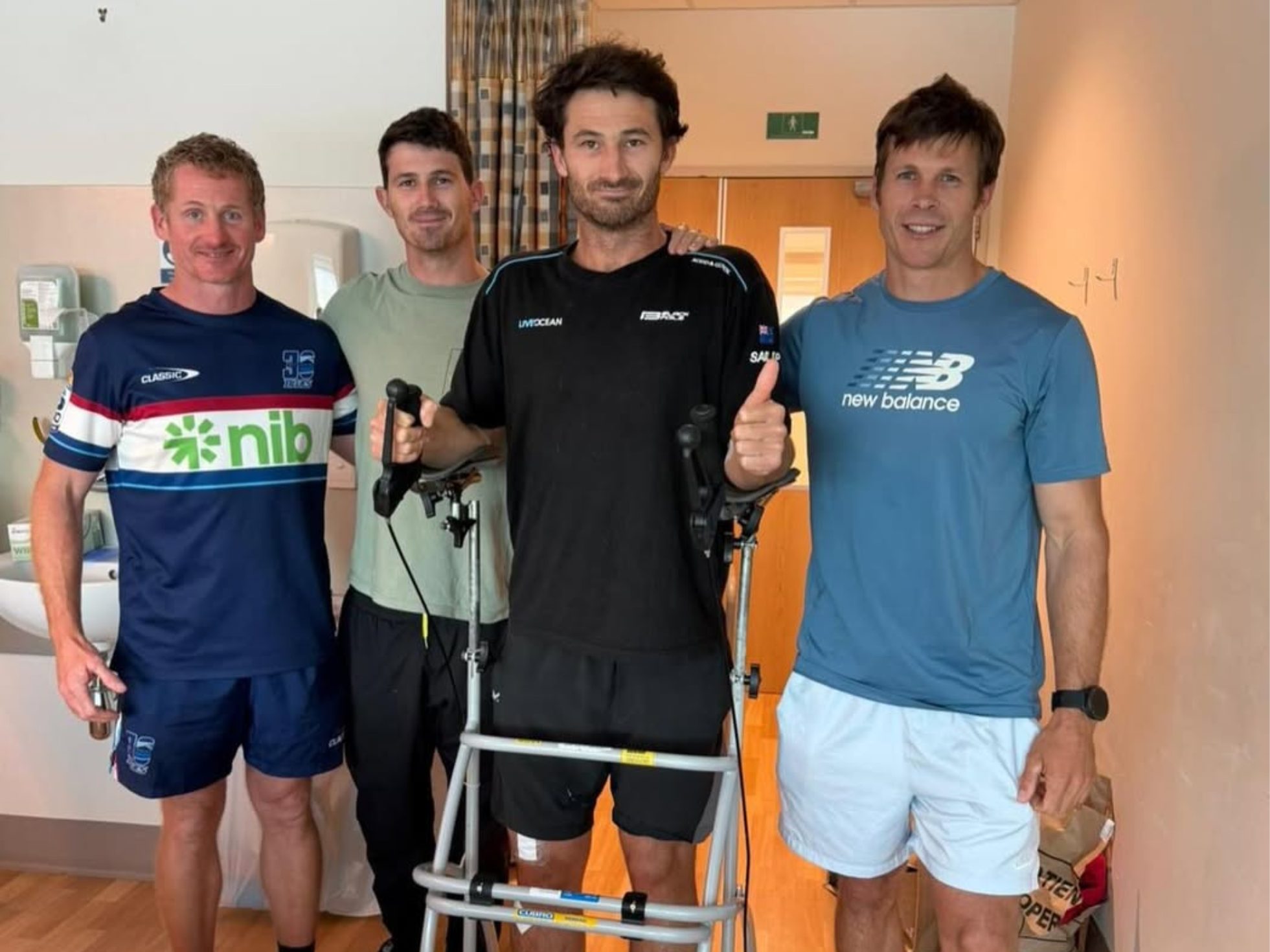
Auckland changed the tone of the season. The collision between France and New Zealand halted racing and sent two sailors to the hospital. New Zealand flight controller Louis Sinclair continues his recovery. French strategist Manon Audinet has returned home after two weeks in hospital.
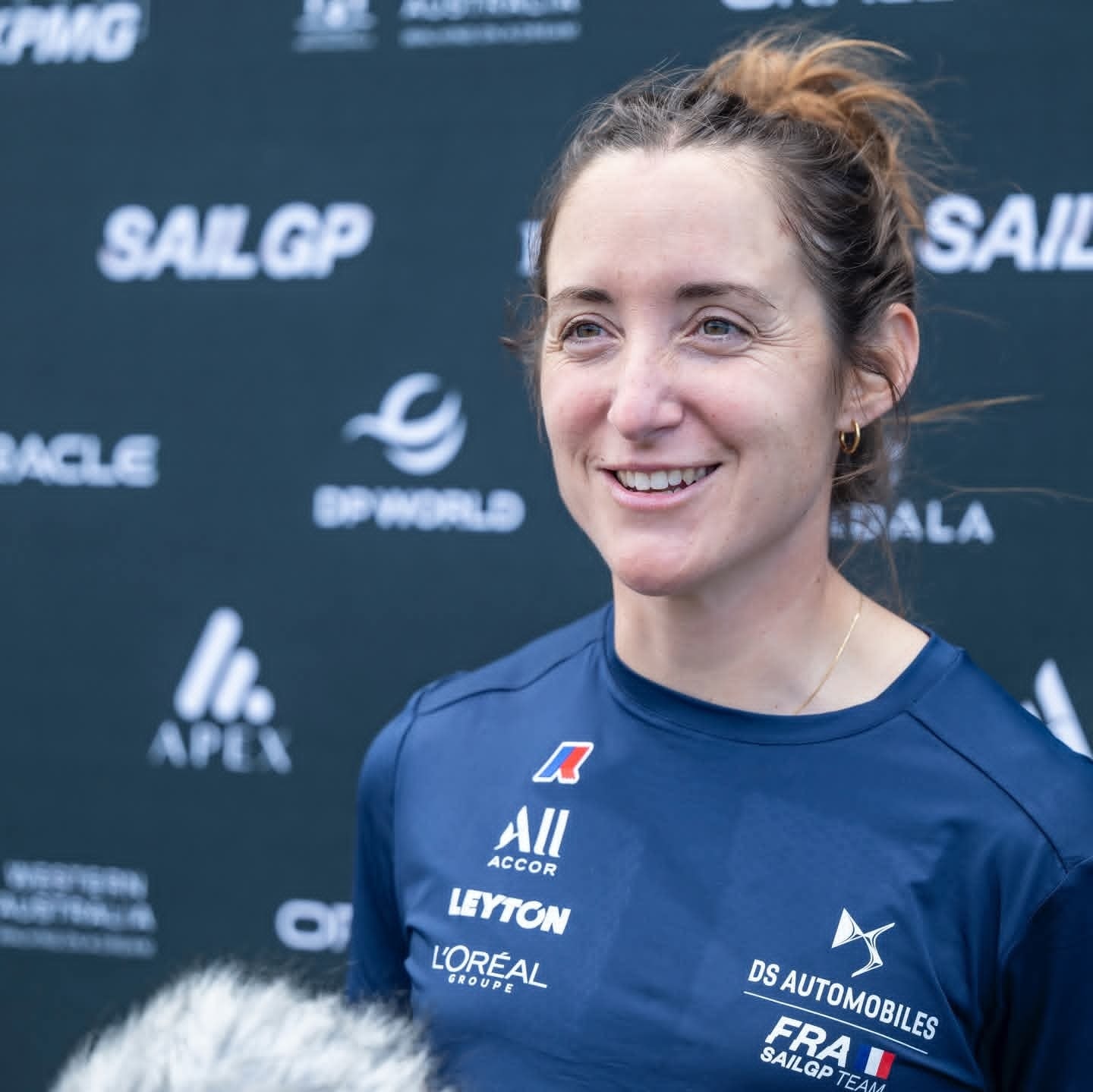
SailGP has launched a detailed review. Engineers are analysing onboard data, including foil height, rudder angle, and lateral speed at impact. Audio and video from race management are also under examination.

Sir Russell Coutts confirmed the review extends to response systems and communication protocols. Possible design changes are being assessed, including control systems and athlete protection.

France and New Zealand will not race in Sydney. The French F50 is being repaired at Southern Spars in Auckland and is expected back for Rio.
Split fleet now part of the plan
Auckland also marked the debut of the split fleet format. It reduced congestion in stronger breeze and will become permanent next season when a fourteenth team joins the championship.
It does not eliminate risk. But fewer boats at the line reduces density around gates and marks. Race management has also refined course geometry.
Sydney is forecast to be lighter, but the structural shift remains significant.

Australia v Great Britain intensifies
Australia’s Bonds Flying Roos ended a year-long drought with victory in Auckland. Tom Slingsby admitted the win relieved pressure after multiple finals without converting.
Now they return to Sydney Harbour, where local knowledge has often counted.
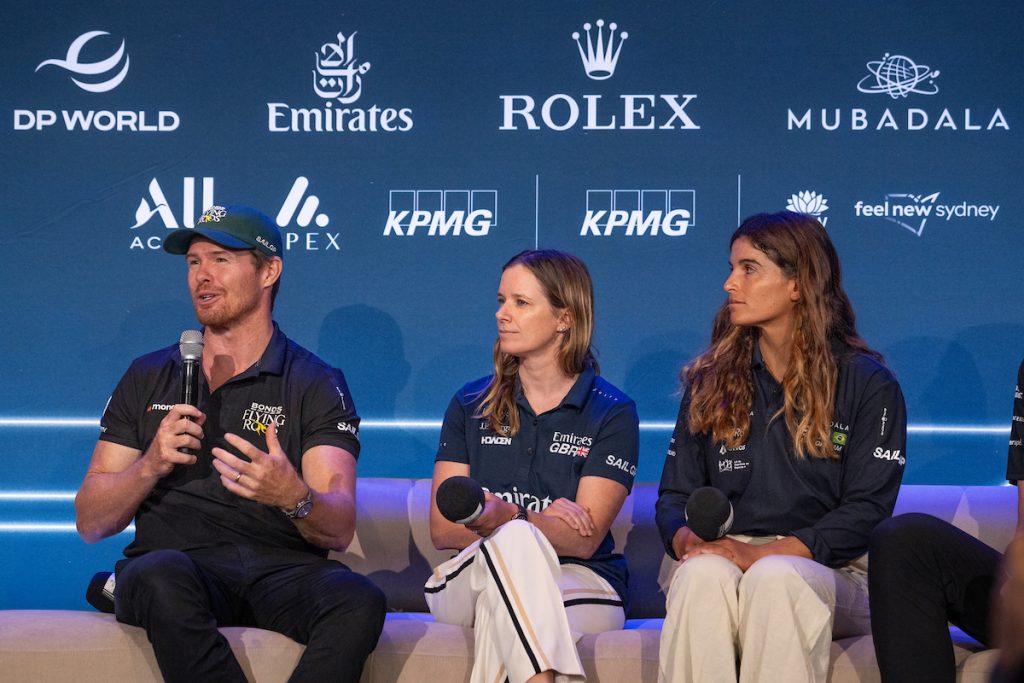
Across the course, Emirates Great Britain remains the reference team. Hannah Mills’ squad finished last season strongly and opened this one in a similar fashion.
Slingsby made it clear. Great Britain is the benchmark.
The rivalry is no longer subtle.

Artemis closing in
With France and New Zealand absent, the opportunity widens.
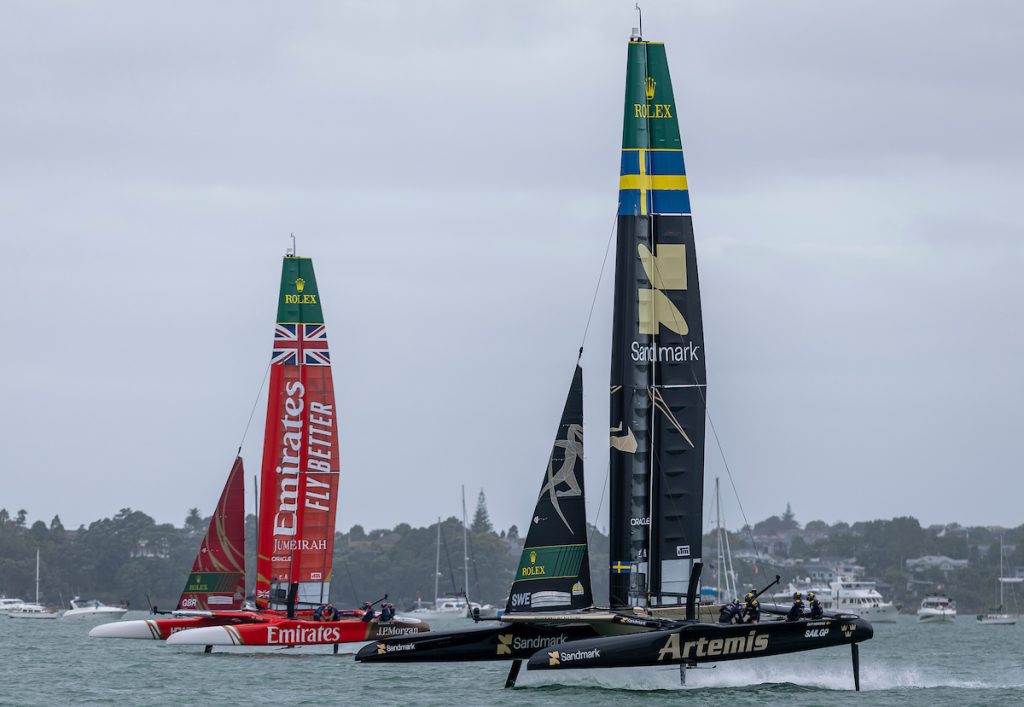
Nathan Outteridge’s Artemis team has been consistently competitive. A race win in Perth and steady podium contention have marked them as serious contenders.
Sydney Harbour will test decision-making. An easterly breeze and wind shadow around Shark Island could create a compressed, tactical racecourse.
Brazil continues to search for consistency after crew changes. Canada’s Giles Scott described the margins as minimal. One manoeuvre can swing a result.
Twilight adds another variable
Racing begins at 5.30 pm local time in SailGP’s first Sydney twilight session.
Changing light and a cooling breeze will alter preparation and race management. An easterly forecast suggests heavy wind shadow near the island and a pressurised start line.
It will not be straightforward.
A consequential weekend
Sydney will not resolve the questions raised in Auckland. But it will shape momentum.
Safety systems are under review. Split fleet racing is becoming structural. Australia and Great Britain are openly measuring each other.
For New Zealand supporters, the absence of the Black Foils will be noticeable.
The season continues regardless.
And in SailGP, it moves quickly.