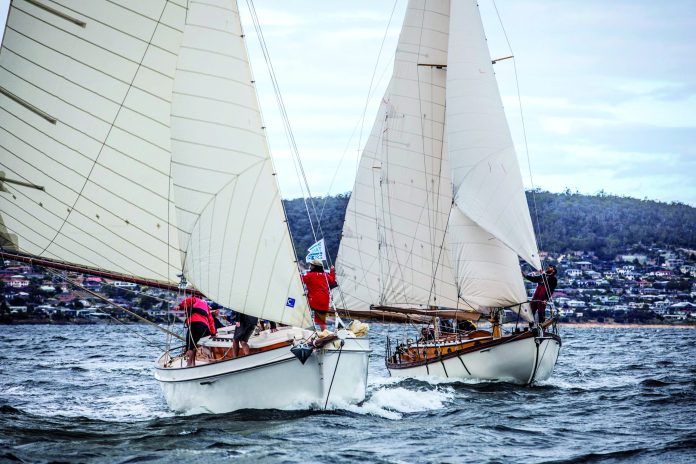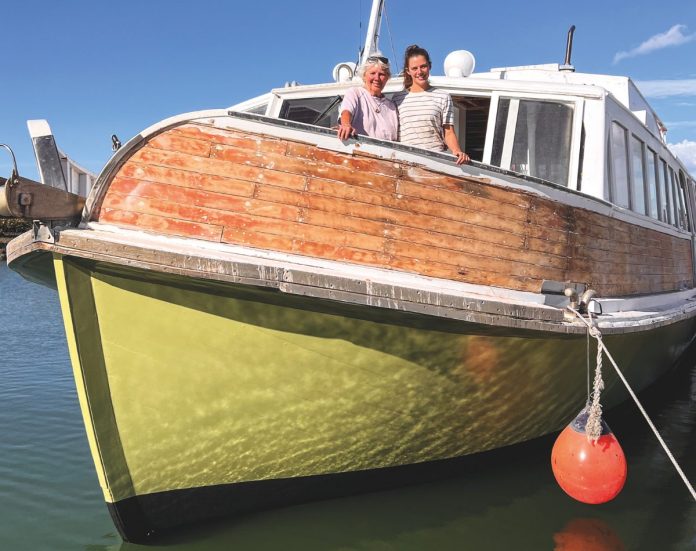
At the Auckland Wooden Boat Festival this week, the biggest boats may grab attention first. But look closer and you will find a quieter story unfolding. A growing number of sailors are returning to something far more personal: building their own boats.
There is something uniquely tangible about building your own wooden boat. You measure the timber, shape the hull panels, tighten the fastenings, and slowly watch a vessel take form in front of you.
For decades this was simply how boats were made. Families built dinghies in backyards, garages and sheds. Yacht clubs were full of home built craft.


Then fibreglass arrived and the culture slowly faded.
Today, however, there are signs of a quiet renaissance.
At the Auckland Wooden Boat Festival, running this week on the waterfront, that resurgence is visible in several forms. Visitors will see boats on display that were built decades ago by hand, hear from designers who continue to champion amateur construction, and discover modern kitset boats that make DIY boating easier than ever.
Together they reveal something simple but powerful.
Building your own boat is coming back.
The Zephyr: proof a simple boat can endure
Among the 180 plus boats expected at the festival will sit one modest craft with a remarkable story.
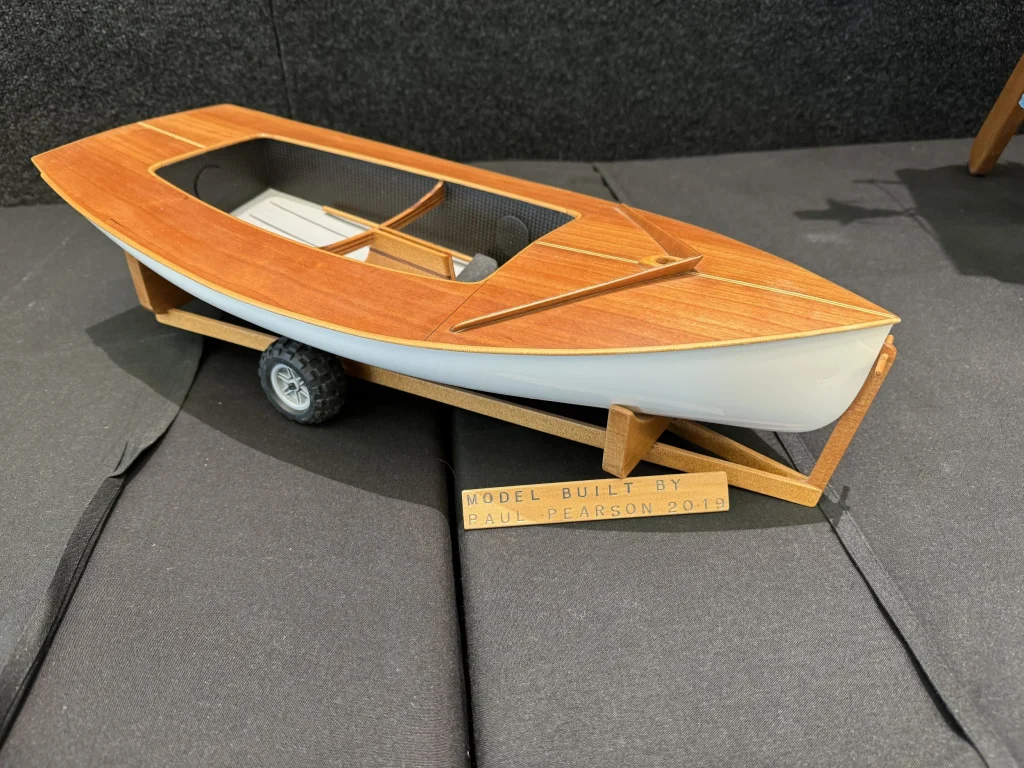
The Zephyr class dinghy, a 3.35 metre singlehanded centreboard yacht, was designed in 1956 by legendary New Zealand designer Des Townson. It was intended to be simple, affordable, and accessible for sailors who wanted a responsive racing dinghy without great expense. You can learn more about its building process at the Zephyr Owner’s Assocation.
Few expected it to become one of New Zealand’s most enduring sailing classes.
Seventy years later more than 300 Zephyrs have been built, originally in timber and now also in fibreglass. The design remains remarkably true to its origins.
Today the class attracts sailors across a wide age range who value its balance of craftsmanship and competitive sailing. Owners still restore older wooden hulls, build new boats, and carefully protect the class rules that preserve Townson’s original concept.


The timing of the festival is no coincidence.
During the festival weekend, Howick Sailing Club will host the 70th Zephyr Nationals, with sailors travelling from Central Otago to the Far North to compete on the waters of the Tāmaki Strait.
The Zephyr’s longevity shows what can happen when a timeless design meets a dedicated community.
Learning from a master of small boat design
If the Zephyr represents the past and present of amateur boatbuilding, designer John Welsford represents its future.
Welsford will present a seminar during the festival at the New Zealand Maritime Museum on Saturday 14 March from 10am to 11am. Book your ticket here.
Based in Rotorua, Welsford is internationally known for his practical sailing and rowing boat designs created specifically for amateur builders. Over several decades his designs have been built by hobbyists around the world, from first time builders to experienced craftsmen.
His philosophy is simple.
Design boats that ordinary people can build.
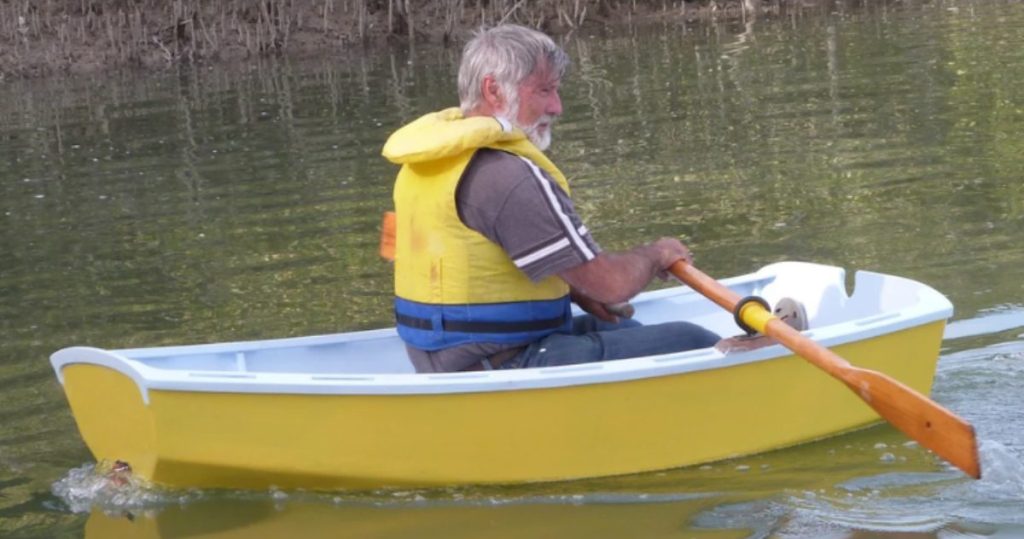
Welsford’s presentation explores the principles behind that approach: straightforward construction, efficiency under sail and oar, seaworthiness, and the enduring beauty of wooden boats enhanced by modern design thinking.
Many of his boats have gone far beyond weekend sailing.
Cruising dinghies such as the Navigator, one of his most popular designs with more than 700 sets of plans sold, have been used for coastal cruising, exploration, and long distance dinghy voyages.
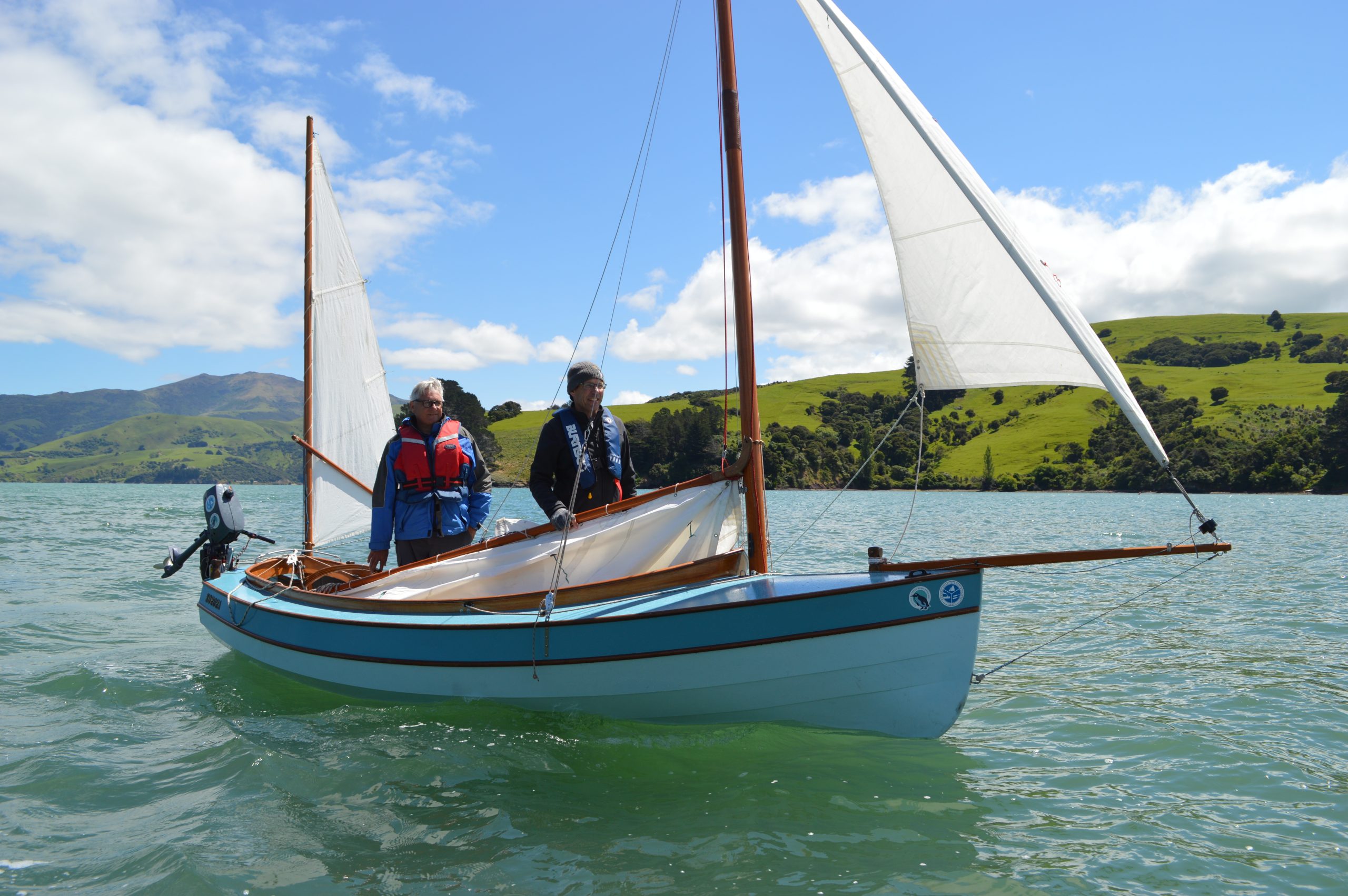
The Navigator itself shows how accessible small boatbuilding can be. The 4.5 metre cruising dinghy fits comfortably in a single garage and can be built using marine plywood with relatively basic carpentry skills.
For many builders, the project becomes more than just a boat.
It becomes an experience.
The kitset generation
While traditional plans still appeal to skilled builders, a new generation of kitset boats is making DIY boating even more accessible.
One example is Form & Float, a New Zealand company founded by boatbuilder Simon Justice.
Justice launched the company in late 2024 with a simple idea: make it easy for ordinary people to build their own boat.
The company offers flat pack kits for a kayak, a traditional dinghy, and a small catamaran. Each arrives with pre cut marine plywood panels and clear instructions, allowing builders to assemble the hull with basic tools and modest workspace.
The builds are deliberately manageable.
A typical catamaran kit can be completed in roughly 35 to 40 hours, meaning many builders could realistically launch their boat within a week of starting.
Justice says the appeal goes beyond simply owning a boat.
People enjoy the process.
Parents build dinghies with their children. Retirees tackle long held dreams of boatbuilding. Young adventurers create affordable craft for fishing, diving, or exploring sheltered coastlines.
In many cases the build becomes the story.
A hands on boating culture returning
Taken together, the Zephyr class, Welsford’s designs, and modern kitset boats point to something bigger than nostalgia.
They reflect a shift in how some people want to experience boating.
Rather than simply buying a finished vessel, more sailors are rediscovering the satisfaction of creating something themselves. And wood is often the material of choice. The process builds practical skills, confidence, and a deeper connection with the boat once it reaches the water.
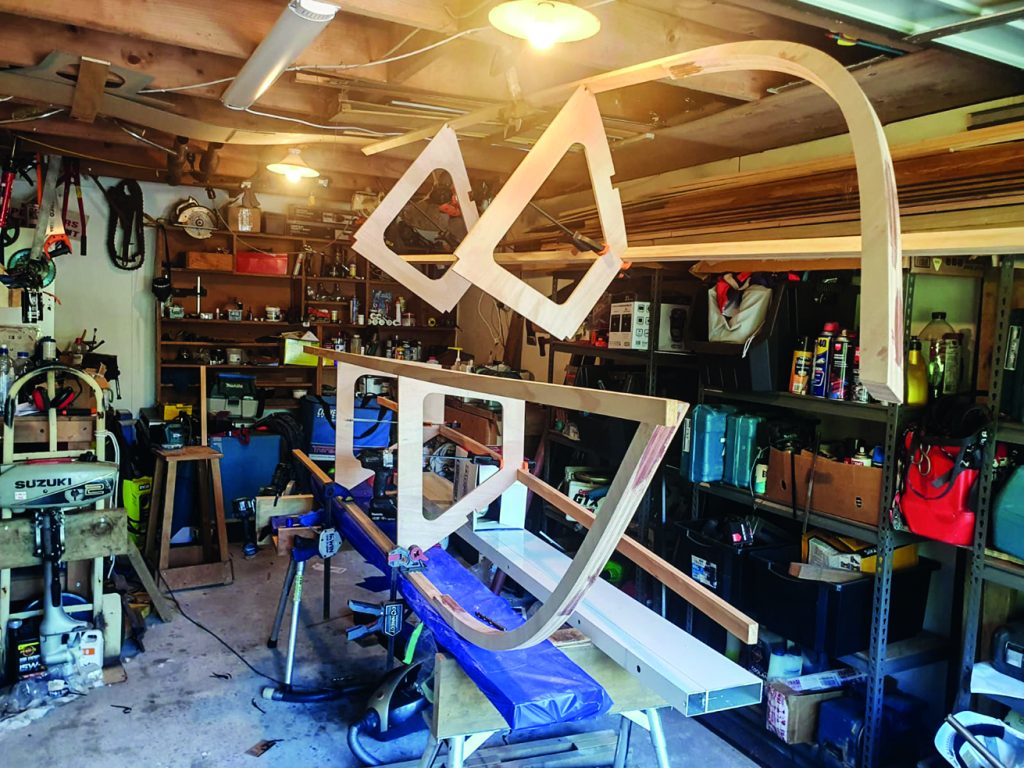
At the Auckland Wooden Boat Festival that spirit is everywhere.
Some boats were built generations ago and carefully preserved. Others are new projects inspired by classic designs.
All of them share a common thread.
They began not in a factory, but in someone’s shed, garage, or backyard workshop, where timber, tools, and patience slowly turned into a boat.