From estuaries to backcountry rivers, the right boat can define your game bird season. Here’s how Kiwi hunters are using boats to unlock better water and better shooting.
Game bird season in New Zealand arrives quickly. One weekend it is quiet on the water, the next it is opening morning with shots echoing across estuaries and lakes.
For those using boats, preparation is everything.

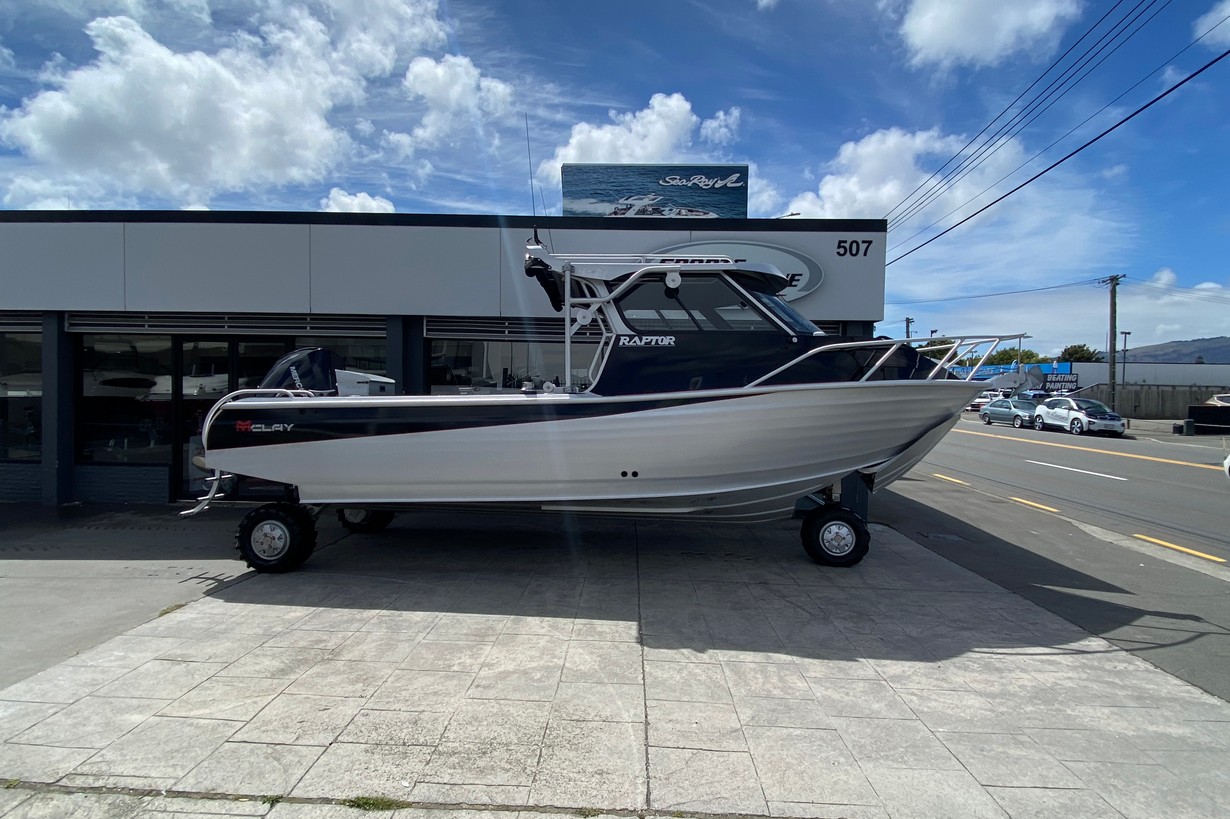
A well-prepared boat does more than get you to your spot. It keeps you safe, keeps you mobile, and gives you the flexibility to adapt as birds shift through the season. Because they will shift.
Early on, birds are often spread across big water such as lakes and harbours. Later, pressure pushes them into smaller, quieter areas. Rivers and backwaters become more important. If your boat is ready, you can follow them.
Pre-season boat checks
Before the season opens, run through the basics properly.
- Start with safety gear. In most parts of New Zealand, if you are hunting from a boat under six metres, wearing a lifejacket is compulsory. The best lifejackets balance safety with mobility and comfort, typically favoring low-profile inflatable vests for long days on the water or durable foam vests for high-motion activities like kayak hunting. Get one that has low-visibility or camouflaged colours. Your lifejackets should be in good condition, less than 10 years old, and accessible, easy to locate in an instance. If you find yourself in the water, you will find that cold water and winter conditions raise the stakes quickly.
- Check your hull and structure. Look for cracks, loose fittings, or corrosion, especially on alloy boats. Small issues become bigger problems once you are operating in remote areas.
- Engines, if fitted, need a full check. Fuel lines, batteries, and starting reliability matter most on early mornings in isolated spots. Outboard engines should also be checked over.
- At some point you will need to use oars instead of your motor. (There are clear legal boundaries around hunting from boats. I won’t beleaguer you with the rules, but we note that at some point you’re not allowed to use a powered vessel, so you will have to rely on your oars.) Check your oars, rowlocks, and any mounting points. Rowing without a rowlock or mounting point is painful! These are often overlooked but critical when you are drifting or repositioning quietly.
- Lighting can also be important. Many starts happen in low light. Make sure navigation lights or torches are working if you are launching before sunrise.
Choosing a boat for hunting conditions
Not every boat suits game bird hunting. The best setups prioritise access and stability over outright performance.
Flat-bottom hulls remain the go-to option. Their shallow draft allows access into skinny water, while their wide footprint provides a stable shooting platform. Boats from brands like Huntercraft and FatCat are purpose-built for these conditions. They handle estuaries and wetlands well and offer the space needed for decoys, dogs, and gear.

New Zealand pontoon-style boats are another strong choice. Stabicraft, Senator, and Osprey Boats all produce stable platforms with excellent buoyancy. They are especially useful when hunting with others or running larger spreads.
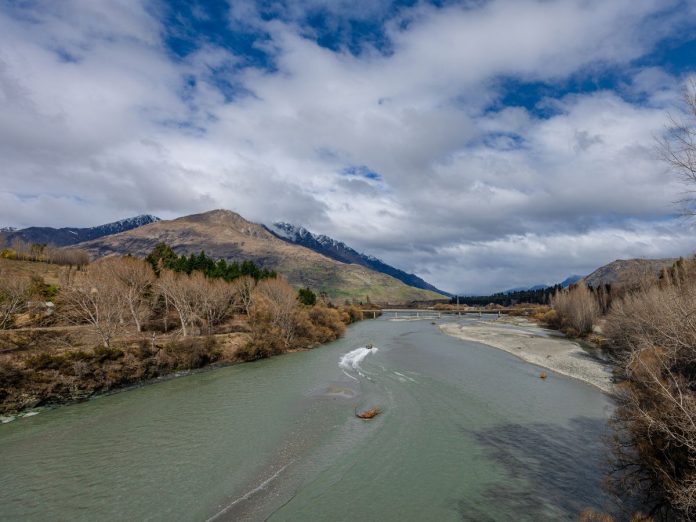
For river hunting, shallow-draft setups or jet boats can open up hard-to-reach water. This becomes more valuable later in the season when birds are pushed into quieter stretches.
Setting up your boat as a floating maimai
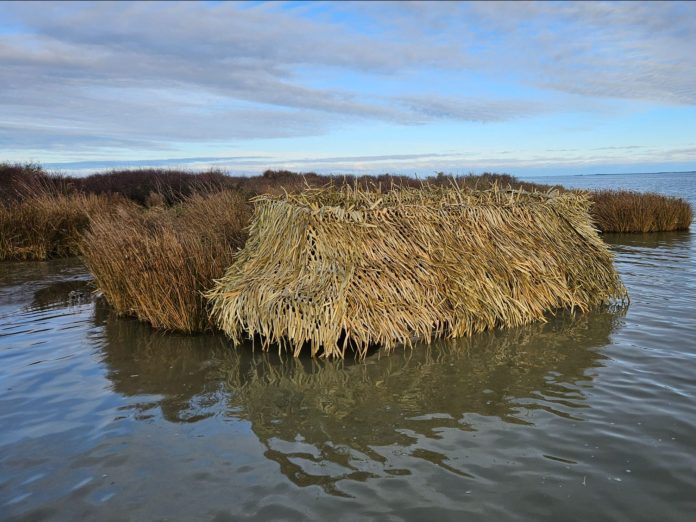
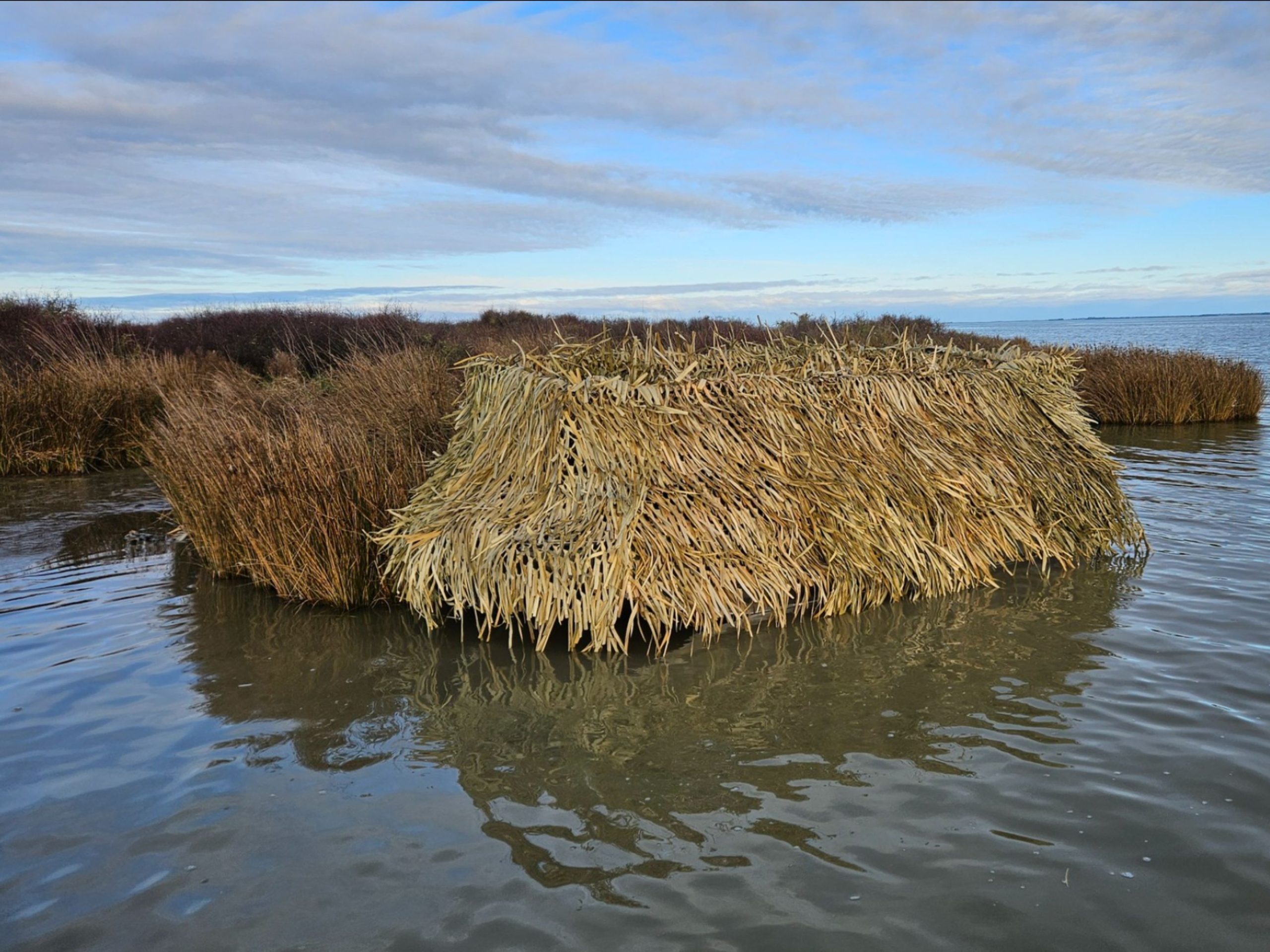
A boat without concealment will limit your success. Ducks are alert and quick to spot movement. A clean hull sitting in open water will stand out immediately. A boat blind changes that.
By breaking up the outline and blending into surrounding cover, a blind allows you to hunt effectively in places where there is no natural shelter. It also allows you to stay mobile. If the wind shifts or birds change their flight path, you can reposition quickly. That flexibility is one of the biggest advantages over fixed maimais.
Keep your setup simple and practical. Secure loose gear, position decoys for visibility, and ensure you have clear shooting lanes.
Protecting waterways while you hunt
Boat-based hunting comes with a responsibility beyond the hunt itself. Aquatic pests are an increasing concern across New Zealand waterways. Hunters moving between locations can unintentionally spread them.
The rule is simple. Check, clean, dry.
Inspect your boat (along with decoys, boots, and dogs) before leaving each location. Remove plant material and drain water. If you can, wash your boat down where you get it out. When you get home, give your boat a proper seeing-to. And allow gear to dry before the next trip. It takes little effort and protects the very environments that make this style of hunting possible.
Ready for opening morning
Hunters who consistently do well are often the ones who have prepared properly before that first shot is fired. A reliable boat, set up correctly, gives you options. It allows you to adapt as conditions change and pressure builds.
From a boating perspective, get the boat right, and the rest tends to follow.
New Fish & Game free online knowledge hub
Today, the New Zealand Council for Fish & Game launched a free online knowledge hub packed with resources for game bird hunters at every experience level. You should check it out.
Learn more: https://www.fishandgame.org.nz/game-bird-hunting-in-new-zealand/hunting-knowledge-hub/