Consistent pace, smart sailing, and a decisive corrected time margin secure overall victory.
The overall 2026 Doyle Sails Round North Island Two Handed Yacht Race PHRF results were released today, confirming what had been building across four tightly contested legs.
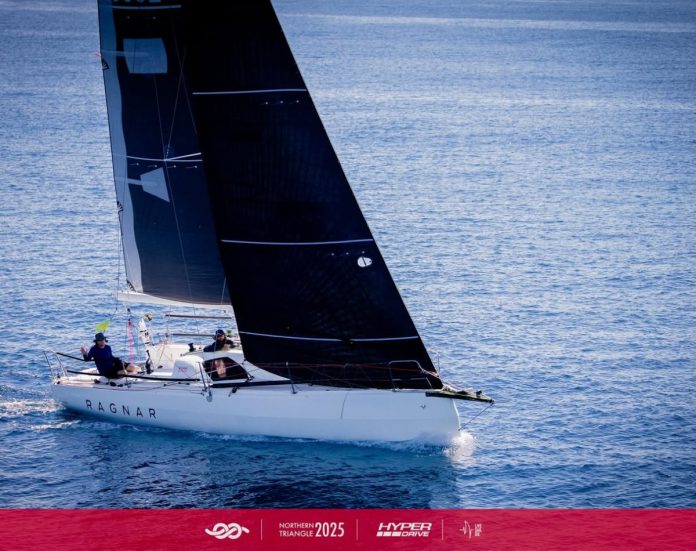
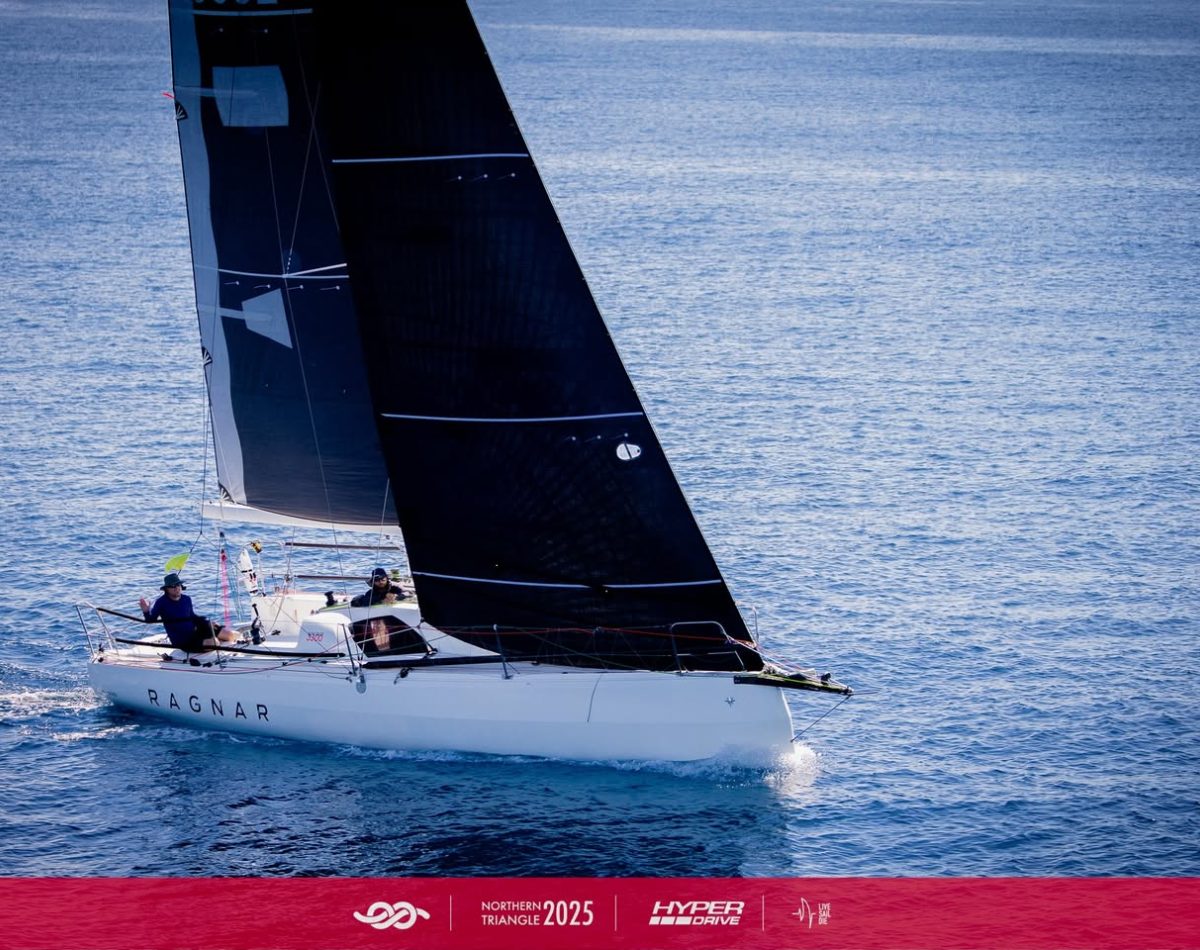
The race has been won by Ragnar, the Division 3 Jeanneau Sunfast 3300 skippered by Brett Elliott and co skippered by James Glidden, on total corrected elapsed time across all four legs.

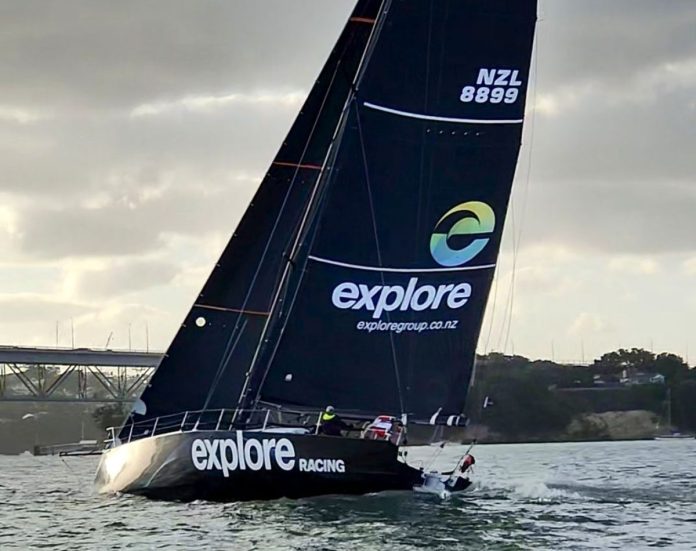
Both Ragnar and Motorboat III, the Division 1 Thompson 1050 skippered by Damon Jolliffe and co skippered by Josh Tucker, finished tied on 10 points under the low point scoring system. However, the overall result is determined by cumulative corrected time across the full circumnavigation, where Ragnar held a decisive advantage.
Ragnar completed the race in 6 days 15 hours 11 minutes 22 seconds, compared to Motorboat III’s 6 days 16 hours 44 minutes 57 seconds, a margin of 1 hour 33 minutes 35 seconds that secured the overall victory.
The points series itself is decided separately. With both boats tied on points, the result falls to countback, where Motorboat III takes that honours with three leg wins on PHRF.
A boat built for this kind of racing
Ragnar’s result is also a story about the platform. The Jeanneau Sunfast 3300 has quietly become one of the most capable double handed offshore race boats in the world.
As Kevin Green wrote in Boating New Zealand‘s 2021 review, “Jeanneau’s Sunfast 3300 joins its well established siblings, the 3200 and later 3600, which have made names for themselves in European offshore events and are popular double handed race boats. The 3300 is highly competitive… and remains highly competitive, as has been proven in France and the UK.”

That pedigree translated directly into New Zealand waters.
Ragnar set the tone early
Ragnar’s campaign was defined from the opening leg.
In Leg 1 from Devonport to Mangōnui, the Sunfast 3300 immediately showed its intent. Leading on corrected time within nine hours, Ragnar controlled the handicap race while staying competitive on the water, finishing fifth on line honours.
They took first in Division 3 on the corrected time of 15 hours 12 minutes and 23 seconds, and second overall on PHRF, establishing themselves as a serious contender.

Leg 2 reinforced that position. Over the long and demanding passage to Queen Charlotte Sound, Ragnar stayed in the fight throughout changing conditions, finishing second overall on PHRF with a time of 2 days 20 hours 3 minutes 24 seconds and second in Division 3. It was not a win, but it kept them firmly in the overall lead conversation.
Turning consistency into control
Leg 3 was where Ragnar converted consistency into control.
From early in the leg, they led Division 3 and stayed near the top of the overall handicap standings. By the finish into Napier, Ragnar secured first in Division 3 with a time of 23 hours 50 minutes 25 seconds and fourth overall on PHRF, extending their position as one of the most reliable performers in the fleet.
By this stage, the pattern was clear. Ragnar did not need to win every leg. They needed to stay near the front every time. That is exactly what they did.
The final leg decides everything
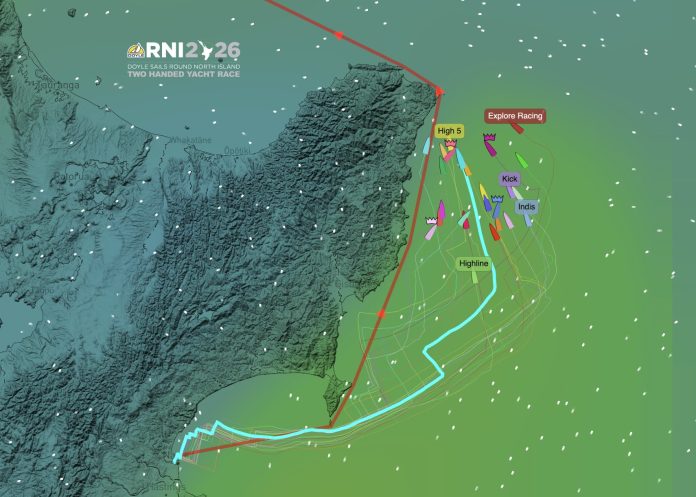
Leg 4 from Napier to Auckland became the decider.
Heading into the leg, Ragnar led the overall standings, but the margin was slim. Motorboat III had a path to victory if they could finish far enough ahead on handicap.
For much of the leg, Ragnar rose to the challenge. By Saturday afternoon they held a commanding Division 3 lead and were in the overall PHRF fight. By Sunday, the top three boats were separated by minutes on corrected time.
Motorboat III set a benchmark early, posting a corrected time of 2 days 3 hours 45 minutes 5 seconds. The pressure was on.
Ragnar responded with another composed performance. They crossed the finish line eighth overall on line honours, an exceptional result given the size and speed of the Division 1 fleet.
On corrected time, Ragnar recorded 2 days 4 hours 5 minutes 11 seconds, securing first in Division 3 and second overall on PHRF for the leg.
That second place finish was enough.
A win built on discipline
Across four legs and more than 2000 nautical miles, Ragnar never fell out of contention. That is what won the race.
They did not dominate on line honours. They did not need to. Instead, they sailed a disciplined, intelligent series, minimising losses and capitalising on opportunities.
Ragnar’s victory is a reminder of what offshore racing rewards. That ability to deliver, leg after leg, under pressure.
Congratulations to Brett Elliott and James Glidden from Boating New Zealand.