A Kiwi builder heads west
Vessev is pushing into Australia, with Perth shaping up as its next move.
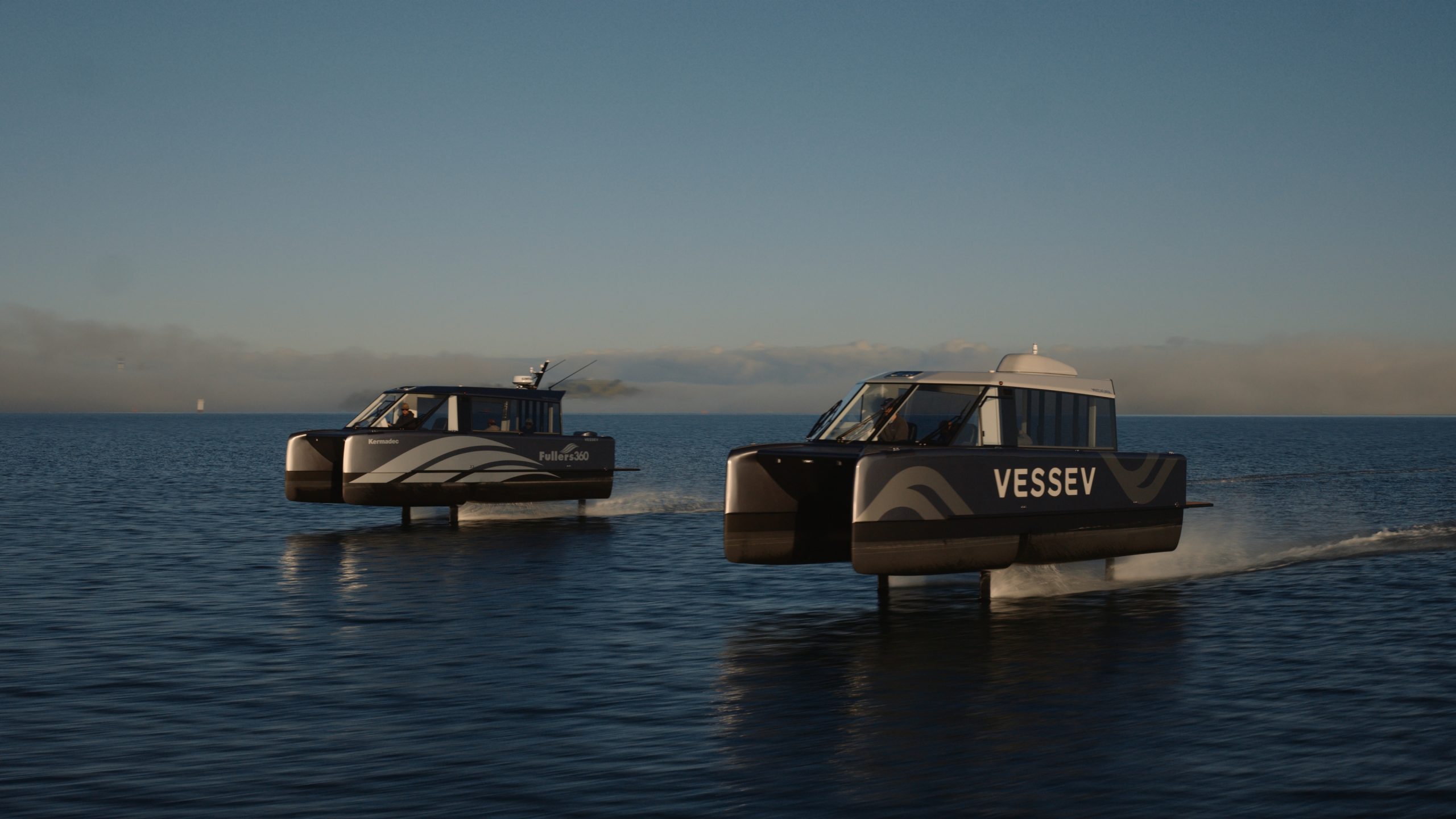
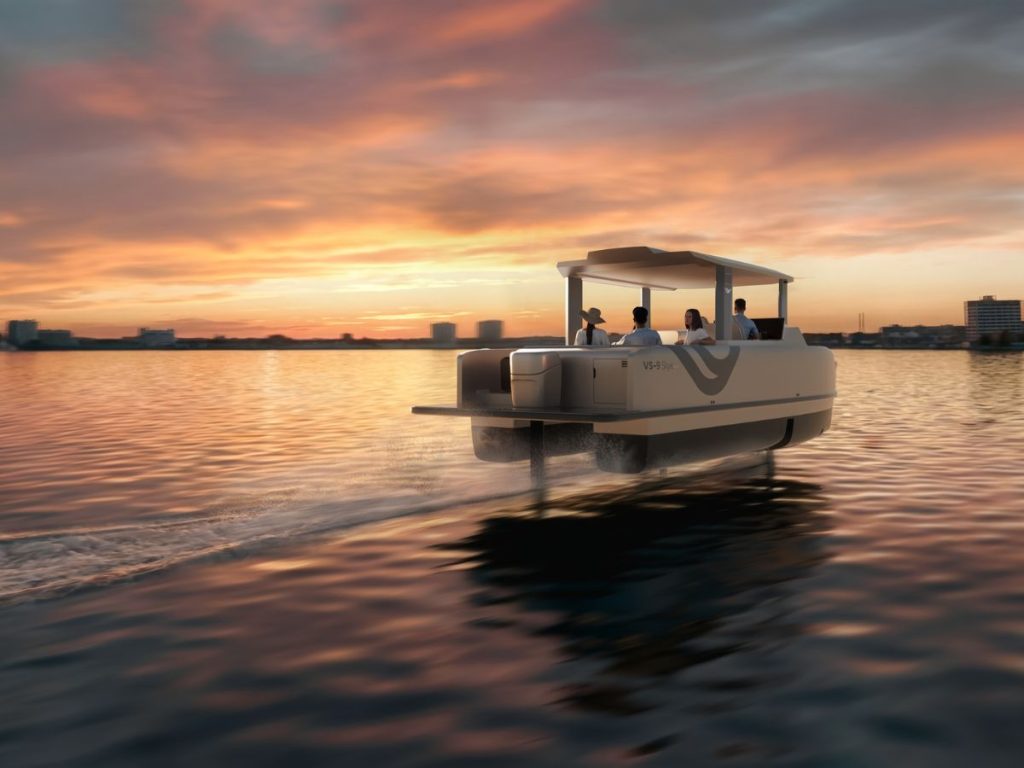
The company has partnered with the ENAUTIC Group, which has committed to a fleet of VS–9 electric hydrofoiling vessels. The idea is simple enough, get boats on the Swan River that can move quickly without throwing a wake around.
They will start at the top end of the market. Charters, wine cruises, evening runs. The sort of trips where people are happy to pay for something a bit different. From there, the plan is to build toward something more functional, with commuter routes sitting on the horizon.

A river that has never really been used properly
If you have spent any time around Perth, you will know the Swan runs right through the middle of everything. It should be a transport corridor. It is not.
The reason comes down to speed. Most commercial vessels are held to around 5 to 8 knots across large sections of the river. Not because they cannot go faster, but because of the mess they leave behind. Wake is the problem.
That has kept things slow and, for the most part, kept proper transport options off the river.
Hydrofoils change that.
Lift the hull clear of the water and the whole conversation shifts. Less wake, less drag, less noise. Pair that with electric drive and suddenly you have something that fits inside the rules rather than fighting them.
That is where Vessev is aiming to slot in.
Let people ride it before you try to scale it
ENAUTIC is not trying to build a full transport network on day one.
They are starting with experiences. Put people on board, let them feel how it runs, and build from there.
Josh Portlock, who is leading the project, comes from an aerospace background and sees hydrofoiling as the piece that makes electric boats actually work at speed.
“Hydrofoiling is what makes electric water transport genuinely viable. It delivers the speed, range and sustainability you need without compromise.”
“Starting with premium tourism allows people to experience the technology firsthand while laying the groundwork for a future where electric hydrofoiling becomes one of the fastest and most sustainable ways to move around the city.”
It is a pragmatic approach. Prove it in a controlled setting before you start talking about moving commuters at scale.
This is bigger than one river
Perth is just the latest example of a wider shift.
Cities have always had waterways running through them, but most have been sidelined when it comes to transport. Too slow, too disruptive, or just not practical with traditional boats.
Hydrofoiling electric vessels are starting to chip away at those limits. They are not a silver bullet, but they do remove a couple of the biggest barriers, speed and wake.
That is why projects like this keep popping up in different parts of the world. The idea is not new. The technology is what is catching up.
Still some hurdles to clear
The first VS–9s are expected into Perth in early 2027.
Between now and then, there is the usual groundwork to get through. Classification, local rules, and making sure a vessel like this fits inside existing frameworks. Hydrofoils still sit slightly outside the norm, so there is always a bit of back and forth at that stage.
If it all lines up, Perth could end up being a useful test case. A river that has always had the geography for transport, but never quite the right kind of boat.
For Vessev, it is another step out of New Zealand and into a bigger market. For Perth, it might finally mean the river starts getting used the way it always should have been.