The Three Kings Offshore Yacht Race is one of the tougher offshore races on the New Zealand calendar. A start at Waitematā, north past Cape Reinga, out to the Three Kings, then straight back again. The 2026 race starts on 16 April, now less than a week away.
Sailing the edge of New Zealand: the Three Kings offshore yacht race
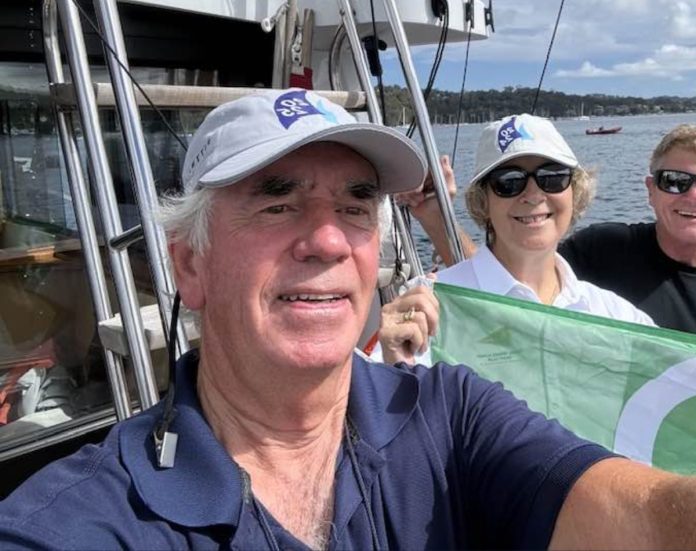
For the SAIL IQ Racing Team aboard Ākonga, it’s the first race in a five race build toward the 2026 Sydney to Hobart. Ākonga means student or learner. Roberts believes yachting is about constantly learning and yachting teaches you about life.

Nick Roberts knows this stretch. An Australian who settled in New Zealand, he’s built a solid offshore record out of New Zealand. When Boating New Zealand last saw him, he was racing two handed in the Round the North Island Race, lining up against Andrew Hall (Division 3, Indis), who now sits at the nav table for him.
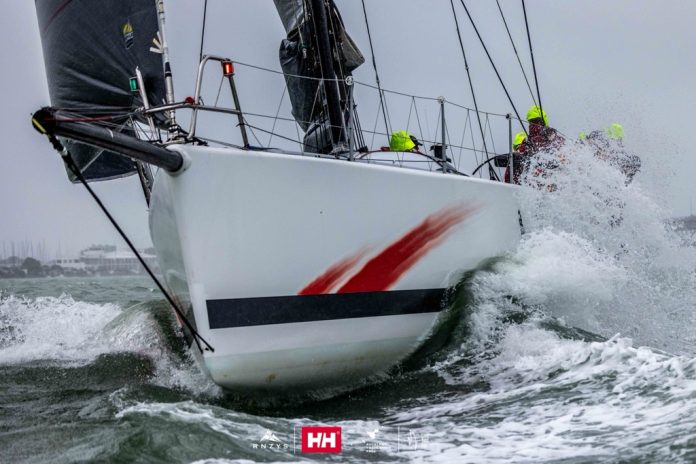
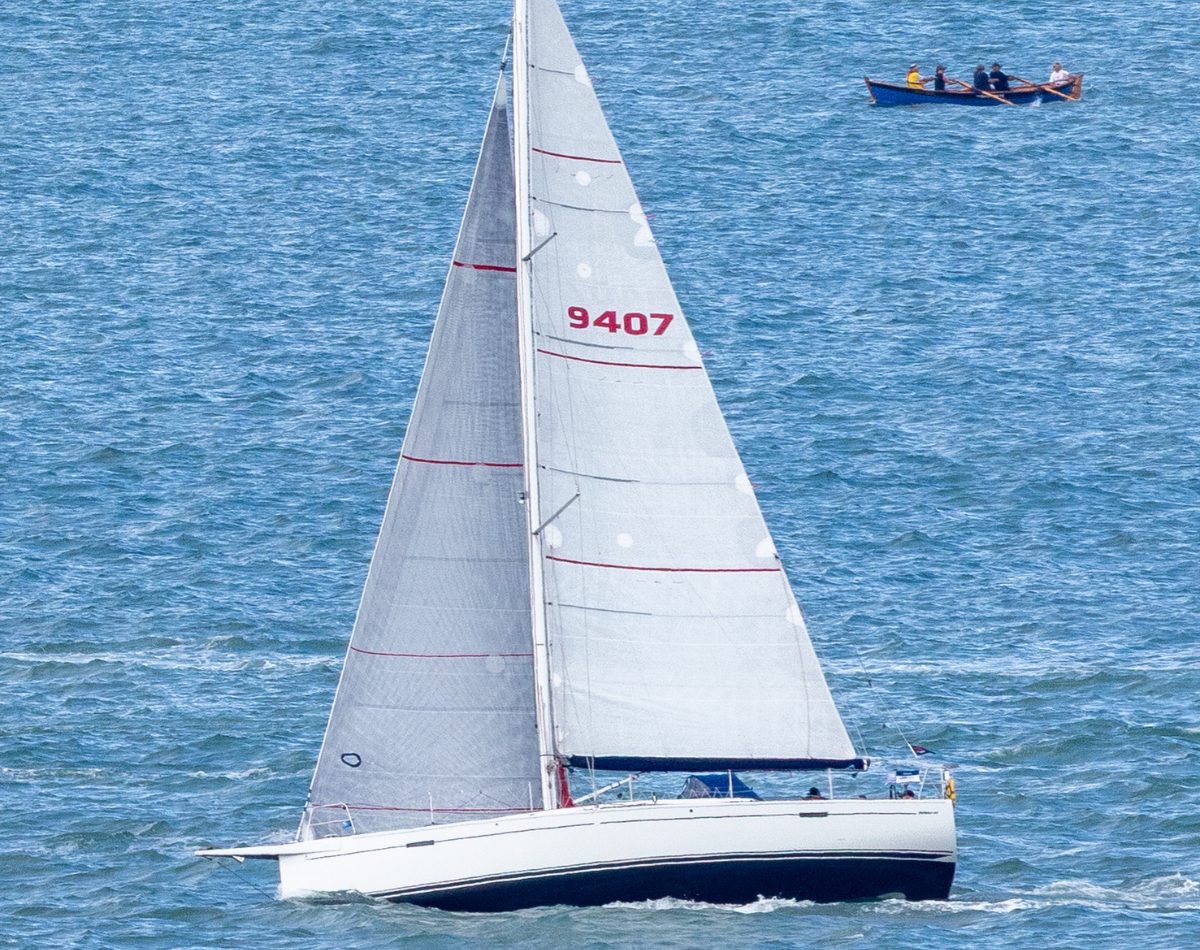
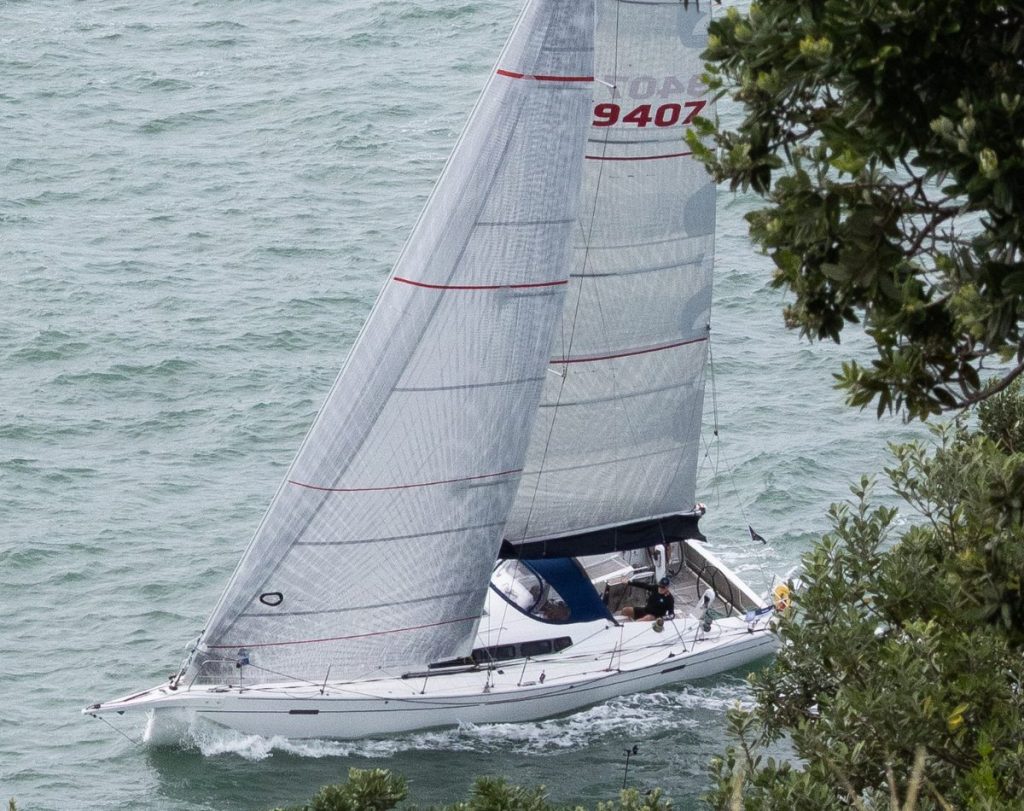
Ākonga is central to that next step. A Dehler 41, designed by Judel Vrolijk, she sits in that proven cruiser racer space. Around 12.5 metres overall, moderate beam, deep T keel, and a displacement just under nine tonnes. Built using vacuum infused construction, she’s stiff, predictable, and capable of being pushed offshore without becoming hard work for the crew. It is the sort of platform that rewards consistency rather than bursts, which suits the kind of racing this campaign is built around.
Roberts purchased Ākonga in 2020 with a clear purpose in mind. Not just to race locally, but to build towards the Hobart with something that can handle pressure over time, not just perform in short windows.
By December, Roberts will line up for his tenth Sydney to Hobart. Ākonga is the boat he’s chosen to get him there.

That confidence didn’t come out of nowhere. At the 2024 Three Kings Offshore Yacht Race, Roberts pushed the boat hard two handed and came away with both line honours and the handicap in the Short Handed division. It was a result that showed what Ākonga can do when the pressure stays on.
Hall brings his own experience to that equation. He’s been to Hobart, and he knows what it takes to get there. In 2025, he navigated Rumbucket, a Moore 55 skippered by Quentin Fowler. They finished 30th overall in a race that saw plenty of strong boats fall out.
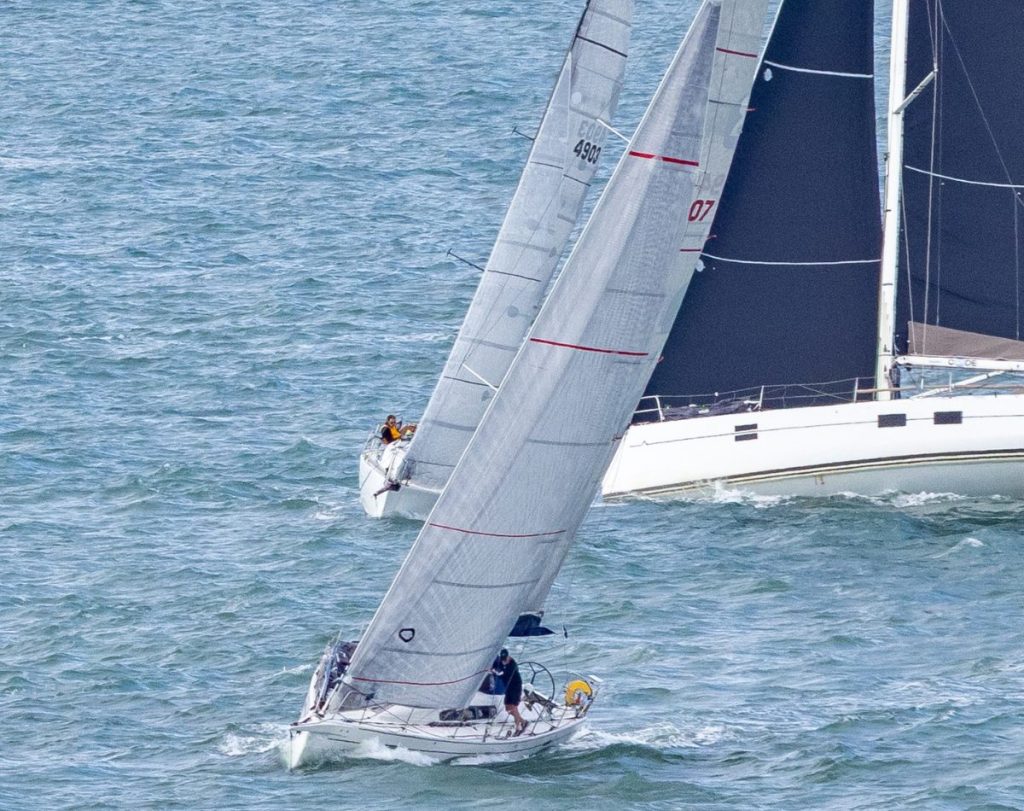
His connection with Roberts goes back further than this campaign. They first met on the beach at a Mahurangi wooden boat regatta, when Roberts needed a mainsail built in three months for a 2022 Fiji passage. That turned into an ongoing working relationship, and a rivalry that played out most clearly at the 2024 Three Kings Offshore Yacht Race. Roberts on Ākonga, and Hall on Favourite an Elliott 1350 skippered by Andrew Aitkin. The two boats stayed within sight of each other for much of the race, rounding the Three Kings Islands together, trading the lead before Ākonga finally broke clear near Cape Brett.
Now they’re on the same team. Hall, who owns Albany-based sailmaking company SailIQ, has designed every sail on Ākonga, so when something isn’t right, he knows exactly where to look.
Around them is a crew that mixes experience with a fresh set of hands. Max Livingston, Roberts’ long time two handed partner, knows the boat inside out. Ryan Mills is new to the setup. At 25, this is his first deep ocean campaign, and the team has backed him through the full five race programme to Hobart.
After the Three Kings Offshore Yacht Race comes more two handed racing with SSANZ which the Hobart crew taking turns to sail the boat two handed. Then the PIC Coastal Classic in October, a 119 nautical mile run from Auckland to Russell that often turns into a straight line sprint if the breeze lines up. It is a very different test, shorter, faster, and less forgiving of small mistakes.
From there, the boat leaves New Zealand. The plan is to clear out of Ōpua and get to Sydney, where two lead in races sharpen the final edge. The Cabbage Tree Island Race, around 170 nautical miles, is widely seen as the last proper offshore test before Hobart. Then the shorter Bird Island Race, about 80 nautical miles, acts as a final check, high speed, tight, and close to race trim.
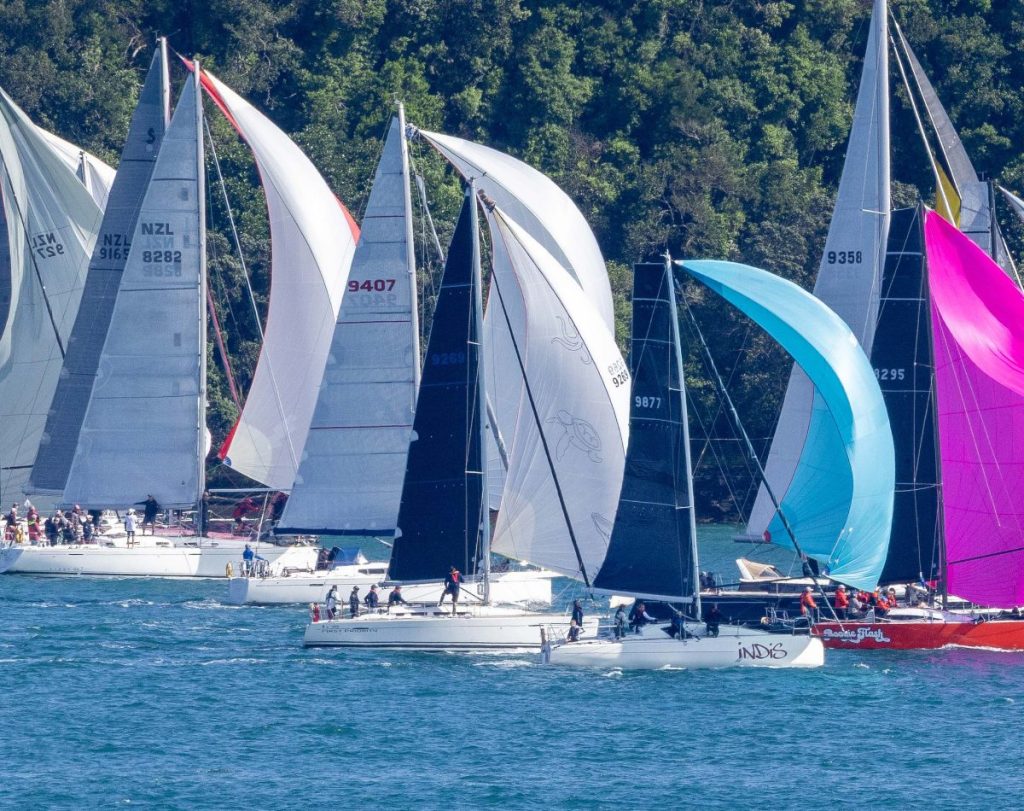
It’s a deliberate progression. Longer races, more exposure, then shorter, sharper sailing as the Hobart approaches.
Roberts has been realistic about where Ākonga sits in the Sydney to Hobart fleet. She’s well positioned to compete in the cruiser racer division and will be chansing a win in that group. She’s strong, dry, and proven offshore. The kind of boat that can stay in the fight when the weather turns against the fleet. The focus will be on seamanship, safety, staying in the race, and enjoying the challenge as a team. Everything after that will be a bonus.
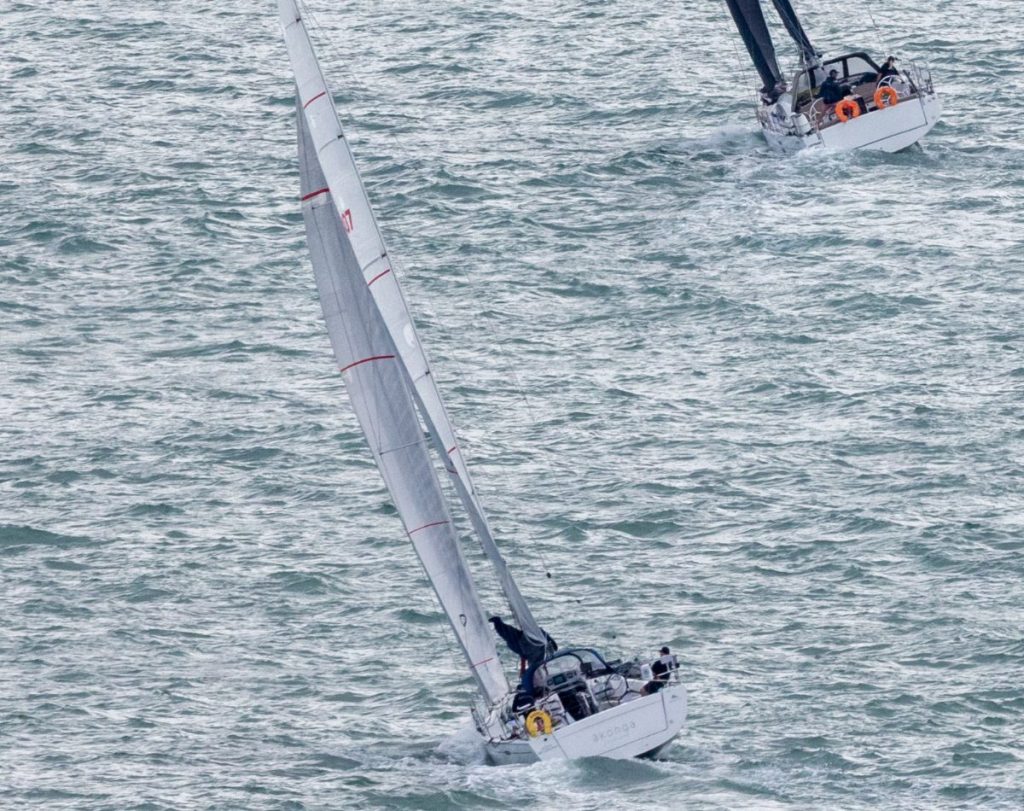
Everything that feeds into that starts at the Three Kings Offshore Yacht Race. Sail selection, watch systems, how the crew settles in once the land drops away. It all gets worked out offshore and carried into the next race.
Boating New Zealand will follow Ākonga and the SAIL IQ Racing Team from this start line through to Sydney and on to Hobart. It begins on April 16.