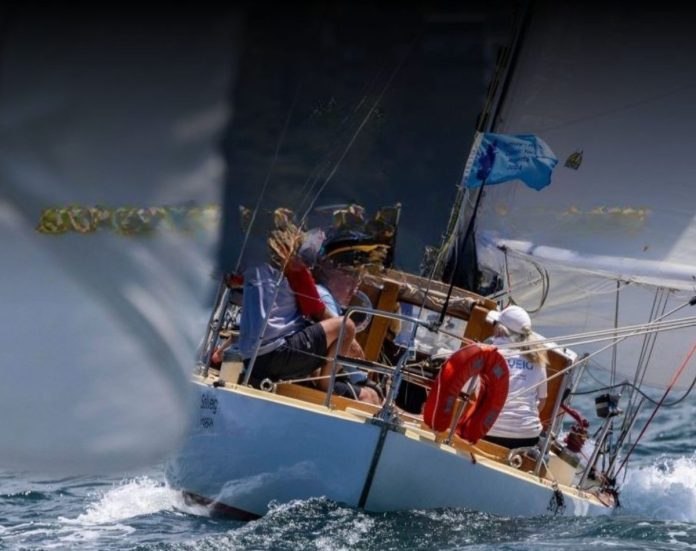
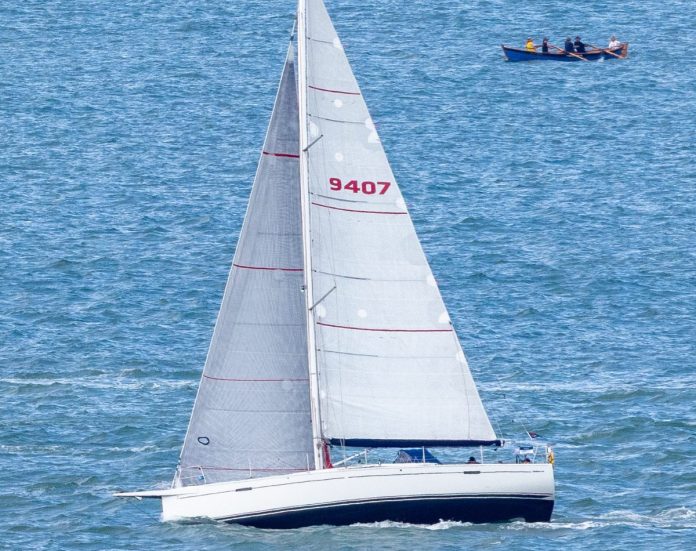
In 2017 Comanche, a 100-foot Maxi, completed the 628-nautical mile course in just 1 day, 9 hours, and 15 minutes. In 1945, The Wayfarer completed the race in 11 days, 6 hours, and 20 minutes. Depending on weather conditions and size and design of the boat, competitors could be racing for a little over one day to up to 10 days.
Weather forecast for Bass Strait (December 26, 2024 – January 5, 2025)
According to the long-range forecast provided by the Cruising Yacht Club of Australia, the race is expected to start with north-easterly winds. Gabrielle Woodhouse, Senior Meteorologist for the NSW Bureau of Meteorology, notes that while forecasts are subject to change, current models suggest these conditions may prevail at the race’s commencement. The progression of a cold front and low-pressure system across southeastern Australia early in the week will significantly influence these conditions. Depending on the system’s movement, there is a possibility of encountering southerly winds instead at the race start.
As the race progresses into the Bass Strait, sailors should prepare for variable wind patterns and potential shifts in weather systems. The region is notorious for its rapidly changing conditions, which can range from calm seas to sudden gales. Monitoring real-time weather updates will be essential for navigating this segment effectively.
Advancements in weather prediction technology
Over the past two decades, technological advancements have revolutionised weather forecasting, providing sailors with more accurate and timely data. Enhanced computing power allows for higher-resolution models that can predict localised weather phenomena with greater precision. Satellite imagery has also improved, offering real-time insights into atmospheric conditions. These technological developments enable crews to make informed decisions, optimising their routes and strategies based on the latest forecasts.



Optimal monohull yacht designs for forecasted conditions
Given the anticipated north-easterly winds at the race’s start, yachts designed for upwind performance will have an advantage.
Yachts like the TP52, exemplified by vessels such as Caro representing the Royal New Zealand Yacht Squadron, embody these design elements, making them well-suited for the diverse conditions of the Sydney to Hobart race.
Reactions from skippers competing in the Race
Juan Vila, navigator on Master Lock Comanche, is one of the more experienced skippers racing in the RSHYR this year; his goal is to break the race record.

“In our mind is, whether the conditions will (lead) to possibly break a record,” he said.

He said depending on the timing of the weather systems, “we feel that our boat is quite, quite strong. So we’re quite excited about the forecast, (but) we’re going to find out and through the race. He said the balance on macro and micro scale systems can affect the final outcome. They can be very important for a strategy or tactics, navigating, and then there’s a current as well, waves and so forth so.
And you might get into Tasman Island in a very good position and then you have another race, into the finish. So, there’s a lot of sections through the race and a lot of weather phenomena that can affect the strategies. It’s a really exciting race. It’s really complicated, but that’s why it makes it very interesting for navigators.”
Patrick Broughton who will be sailing the 14.21-metre Love & War indicated that the current is much more important. “Because if you think about current, it’s a much higher percentage of our average speed than it would be for something like Comanche. So that current, well, picking that current is quite important. And just talking to (Woodhouse) about the temperatures around the place (shows) they are much higher than usual. Again, that will affect us, because of the small-scale weather.”

The 2024 Rolex Sydney to Hobart Yacht Race presents sailors with the enduring challenge of navigating the unpredictable waters of the Bass Strait. Leveraging advanced weather forecasting technologies and selecting yachts with designs optimised for the expected conditions will be instrumental in achieving success. As the race approaches, staying informed about the latest weather developments and understanding the interplay between yacht design and environmental factors will empower crews to make strategic decisions, enhancing both performance and safety.