HomeMagazineBoat BriefCheck for marine pests 

Check for marine pests 

Marine biosecurity teams are reminding boaties and all marine users to make sure they are across marine pest risks and rules before heading out on the water this summer.

Written by

There are three types of rules to be aware of: 

Most regions have rules about biofouling and/or marine pests. These are slightly different between regions, but generally, if your hull has no more than a light slime layer, you’ll be good to go. 

Yacht with fanworm on keelbulb

Some marinas take extra steps to protect themselves including the ‘6 or 1’ rule. To visit these marinas you may need to provide evidence of either an antifoul within the previous six months, or a lift-and-wash within one month of leaving an area infected with marine pests. Ask for more info when you make your marina booking.

There are also restrictions related to exotic caulerpa species including locations where you cannot anchor or disturb the seafloor.

- Advertisement, article continues below -
https://www.rivieraaustralia.com/models/4300-sports-express/?utm_source=BoatingNZ_300x250&utm_medium=email&utm_campaign=4300SE_16-30Sep26

These rules are designed to protect our coastlines from marine pests which can have devastating impacts on the places we love visiting. 

A bin full of invasive seastars

This summer divers will be checking boat hulls in locations across the regions such as the Bay of Islands and Bay of Plenty, and hull surveillance can take place at any time of the year throughout marinas in Northland, Auckland, Waikato and the Bay of Plenty in the north. 

In the Waikato region for example, over 900 vessel hulls, 15km of pontoons, 1,263 piles and 724 hectares of area were surveyed for marine pests in the last year through the Coromandel Peninsula. 

Eudistoma on Sandspit
Share this
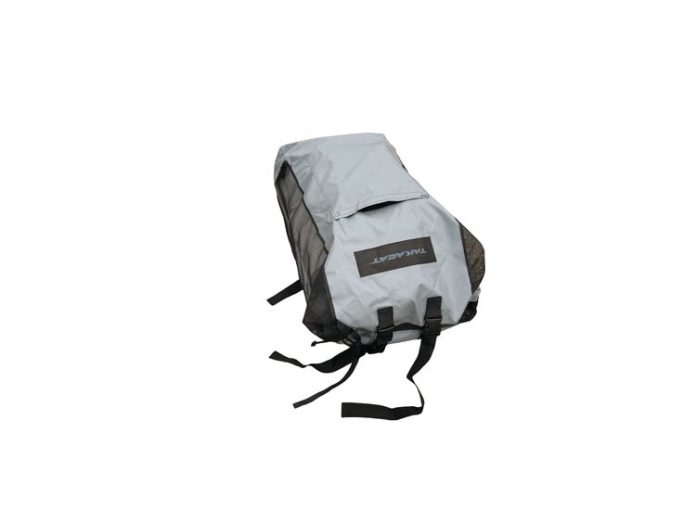
Takacat’s TL220 rolls up into a backpack storage bag for easy transportation.
Boat Brief

Takacat Backpack

Inflatable dinghies are great for providing beach access from a launch or larger...
Read more
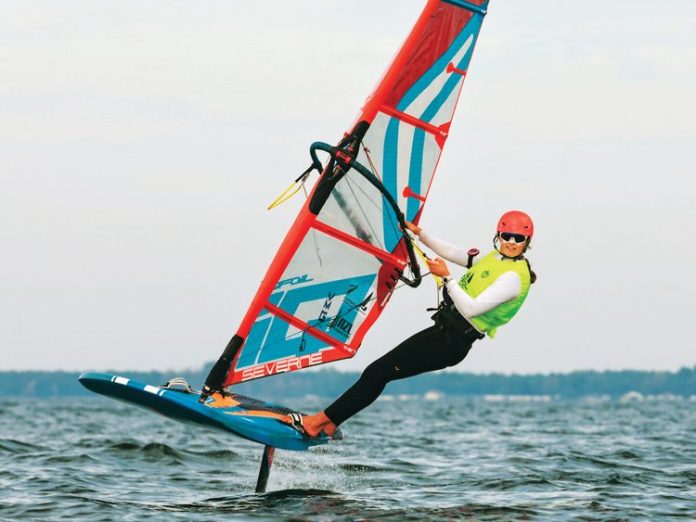
New Zealand windfoiler Aimee Bright was crowned the Under-23 World Champion after a dramatic final race in Puck, Poland. Photos / iQFOiL Class
Boat Brief

Flying high

New Zealand windfoiler Aimee Bright has capped a breakthrough international seas...
Read more
But by the time they are visible in a pristine location like Marlborough Sounds, it’s too late to go back. Photo/istock.com/kovgabor79
Boat Brief

There is no proof that marine pests cause harm…

A new fun series answering the questions about marine biosecurities.
Read more

Comments

This conversation is moderated by Boating New Zealand. Subscribe to view comments and join the conversation. Choose your plan →

This conversation is moderated by Boating New Zealand.

1 COMMENT

  1. Yes, a clean hull is important but the notion that not anchoring where Caulerpa exists will stop the spread is nonsense. Marine fauna, tides and currents will do that quite well.
    The fact is, with overseas vessels visiting continuously we will get introduced pest species.
    Interestingly, on my marina, when fanworm caused a major panic some years ago, you could see them spreading rapidly. Today they are still there but much rarer. Most species tend to explode in a new environment and then reduce to a balance.
    Many indigenous species here originated in South Africa or South America!

LEAVE A REPLY

Please enter your comment!
Please enter your name here

Boating New Zealand
Boating New Zealandhttps://www.boatingnz.co.nz
Boating NZ is New Zealand’s premier marine title devoted to putting its readers behind the wheel of the latest trailerboats, yachts and launches to hit the market. It inspires with practical content and cruising adventures, leads the fleet with its racing coverage and is on the pulse of the latest maritime news and innovation.

Follow us

Recent articles