Two well-used boating areas — Whangapoua Harbour on the Coromandel Peninsula and Mangōnui Harbour in the Far North — have now been declared free of Mediterranean fanworm after several years of routine survey work and follow-up dives. The pest arrived in both places by boat and was caught early, giving divers a genuine chance of removing it before it took hold.
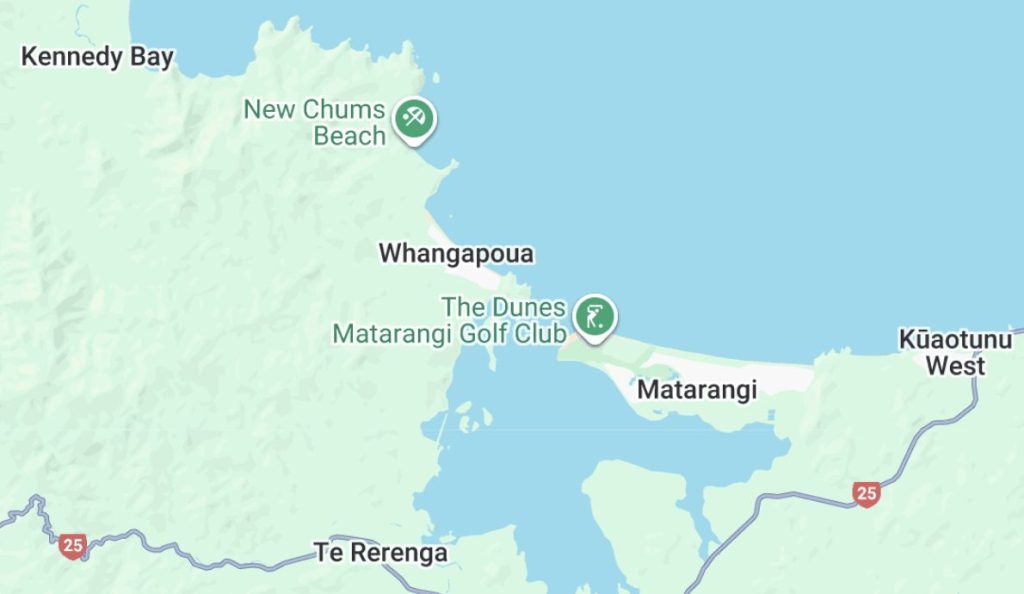
Whangapoua: clean for five years
Fanworm first turned up in Whangapoua Harbour in August 2018 on the hull of a vessel tied up at the wharf. Divers later found and removed a single 220 millimetre fanworm from under the wharf in June 2020. Since then, annual dives carried out by Waikato Regional Council, Biosecurity New Zealand and the Bay of Plenty Regional Council have produced no further finds.
Waikato Regional Council marine biosecurity officer Dave Pickering says the outcome owes a lot to good coordination between the teams involved, and to getting onto the problem early rather than waiting for it to spread.
Marine Pest of the Week – Mediterranean Fanworm (Sabella spallanzanii)

Under current guidance, an area is considered clear once it has gone five years without a detection.
Mangōnui: another clean run after a prompt start
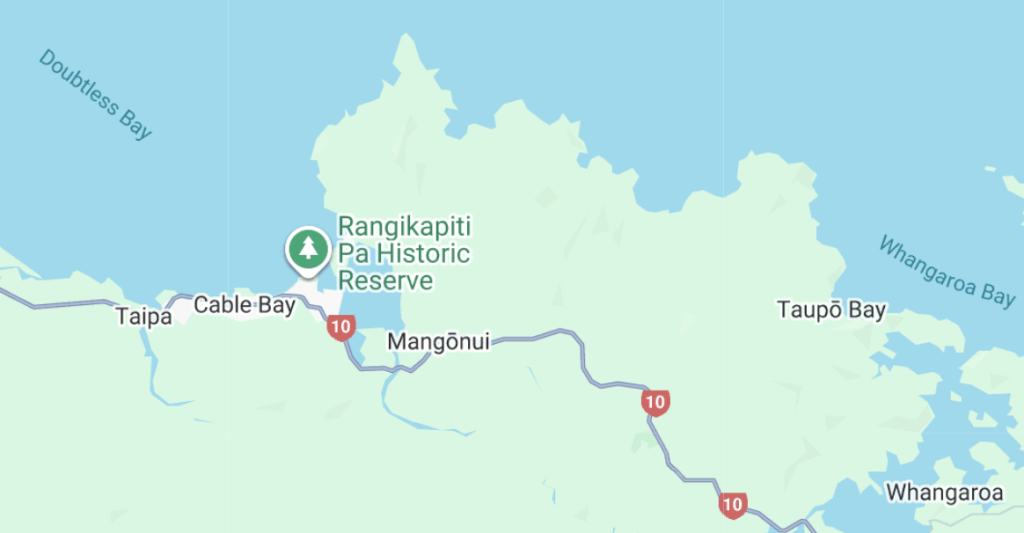
Mangōnui Harbour followed a similar path. Divers found fanworm in 2020 on the hull of a moored vessel during a regular check. The boat was hauled out and cleaned, and several fanworm were removed from the seabed. Surveys since then have come back clean.
Biosecurity staff say the Mangōnui experience once again shows the value of early reporting and routine hull care. When fanworm is caught at the start, the job is far more manageable.
Why hull care matters
Both incursions began with visiting vessels carrying the pest. A clean hull is still the best defence against fanworm and other unwanted hitchhikers. Biofouling starts as a light film on underwater surfaces and builds up the longer a boat sits in the water. Left long enough, it can block cooling systems, slow the boat, use more fuel and shorten the life of fittings and gear. It can also move pests between regions, where they can damage rocky reefs and commercial shellfish areas.

Marinas and regional councils generally require boats to arrive at Level of Fouling (LoF) 2 or below, which means only light slime and small patches of growth. Boats above that level — or carrying recognised pest species — may be turned away or asked to clean before moving on.
What skippers can do
• Keep your hull clean and your antifoul fresh
• Check local rules before entering a new harbour
• Inspect your anchors, warp and cooling systems as well as the hull
• Ask for professional help if you suspect you have pest species aboard
For Whangapoua and Mangōnui, steady survey work and early action have paid off. Keeping them fanworm free now depends on boaties doing the simple things well — clean hulls, clean gear and keeping an eye out for anything unusual.