A chance to fix a long-standing problem
The rules around lifejacket use in New Zealand have been muddled for years. What passes as acceptable in one region may be illegal in the next, and many skippers head out unsure of what their local council expects. The new Life Jackets for Children and Young Persons Bill finally brings the issue back into focus and offers a rare chance to clean up a long-running safety gap.
Water Safety New Zealand and Coastguard Tautiaki Moana support the Bill, yet both organisations argue the country needs to go further. They want one clear national rule that applies to everyone on recreational craft, not just those under 15. Their reasoning is straightforward and grounded in decades of on-water data.
The case for a nationwide lifejacket rule
Glen Scanlon from Water Safety NZ says the evidence speaks for itself.
“Millions of Kiwis head out on boats and small craft. We know lifejackets save lives, and too many people have died without one on.”

This year alone, 10 people have drowned from boats or other craft without wearing a lifejacket. Since 2000, more than 320 New Zealanders have lost their lives the same way. Most were adults. Many were confident, capable boaties who were caught out by a sudden change in weather, a gear failure, or a simple slip over the side.
Water Safety NZ analysis shows a consistent pattern: if wearing a lifejacket became normal practice rather than a matter of personal judgement, we could prevent around a dozen deaths every year.
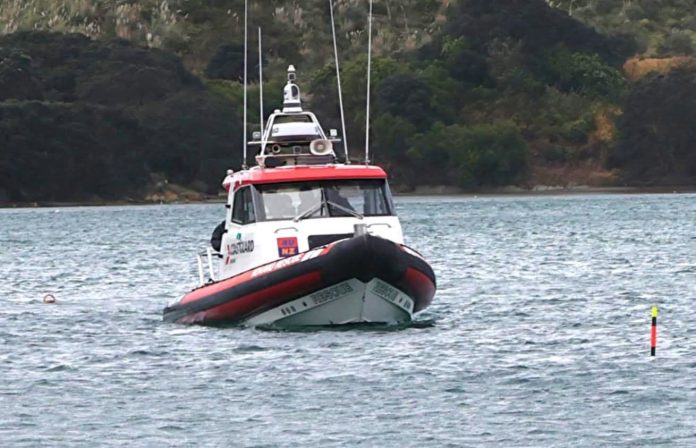
Coastguard CEO Carl McOnie says their volunteers see the consequences up close.
“These people aren’t just statistics. They’re family members. A lifejacket often gives us the chance to rescue someone. Without it, the outcome changes fast.”

Confusion at the ramp
Under the current system, each council sets its own bylaws. Some areas require lifejackets to be worn at all times on small craft. Others leave it to the skipper’s discretion. The result is a patchwork of rules that visitors, new boaties, and even long-time locals struggle to keep straight.
For Water Safety NZ and Coastguard, this inconsistency creates avoidable risk. They argue that one nationwide rule would give everyone clarity. No second-guessing. No region-by-region exceptions. Just a simple expectation that matches what many other boating nations already treat as basic safety practice.
A Bill that does not go far enough
The Life Jackets for Children and Young Persons Bill aims to make lifejackets compulsory for those under 15. Safety groups agree with the intent, but say the age-based approach misses the point. The group most often involved in fatal incidents is adults, not children. A stronger rule would cover everyone on small craft, regardless of age, location, or local bylaw.
Even so, the Bill represents a rare opening to modernise New Zealand’s approach. Both organisations believe this is the best chance in years to establish a consistent national standard that aligns with international practice and reflects what is now well understood in maritime safety: lifejackets save lives, but only when they are worn.
How you can have your say
Public submissions close on 11 December 2025. Anyone can submit through the Parliament website. Water Safety NZ and Coastguard are encouraging boaties to support a broader rule that applies to everyone on the water.
Suggested points include:
• Support the Bill’s aim, but extend it to all ages
• Replace the differing regional rules with one national requirement
• Make lifejacket use simple and consistent for all craft users
Submissions can be made at: www3.parliament.nz/life-jackets-for-children-and-young-persons-bill
More information:




A practical change with real impact
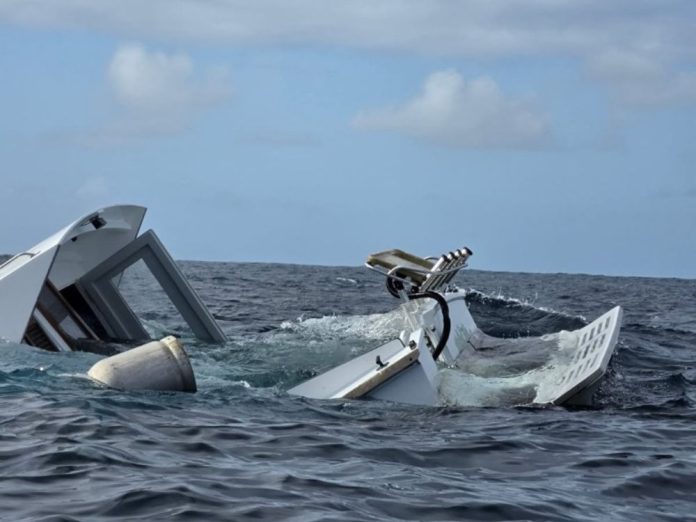
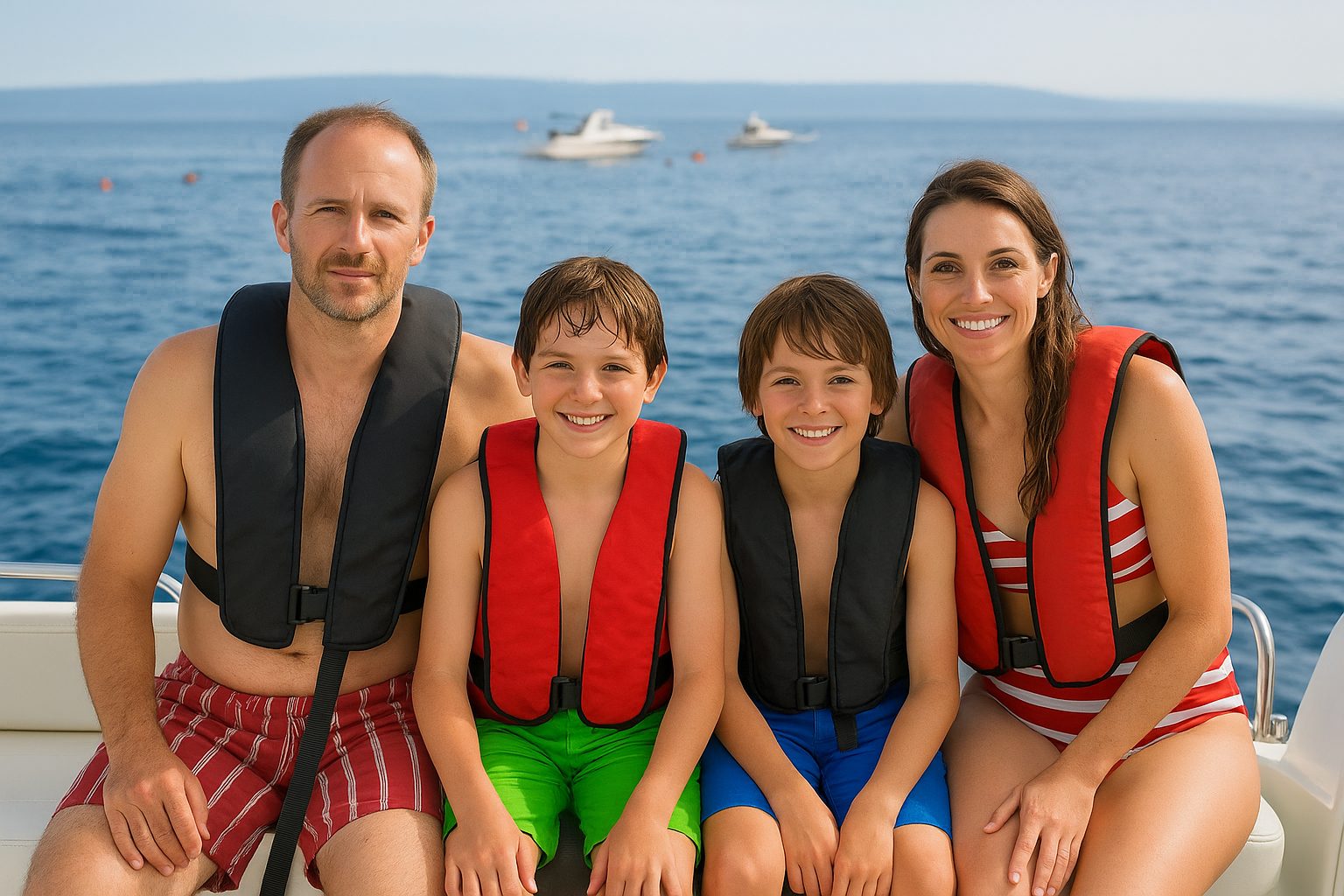
Incidents on the water develop quickly. A stumble, a wake, or a gust can put someone overboard with no time to reach for the lifejacket under the seat. Wearing one from the start gives you a fighting chance in an emergency.
New Zealand has seen life-saving results from national safety laws before. Pool fencing legislation cut child drownings dramatically. Safety groups believe a national lifejacket rule can do the same for boating and small craft use.
For boaties, families, and anyone who spends time on the water, this is a chance to help shape a clearer and safer approach for the years ahead.