A new option for Kiwi skippers
Autopilots are standard kit on larger launches, yet they have always felt like a major job on smaller hydraulic-steered boats. Anyone who has installed a traditional system knows the list: pumps, hoses, fittings, wiring, space behind the dash, and time. That is why the SeaRebbel MobilePilot, now available in New Zealand, stands out.
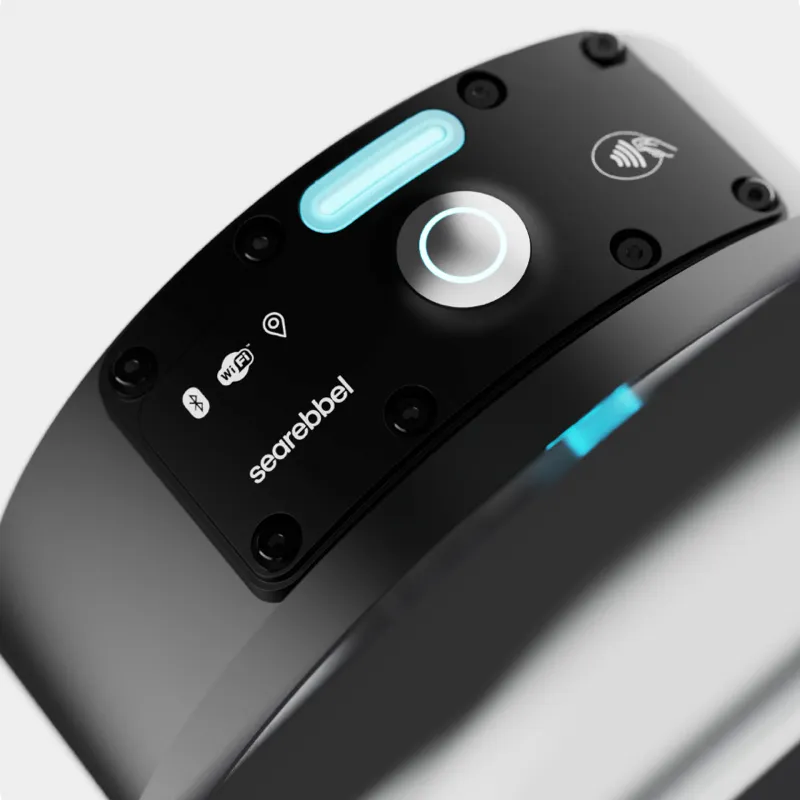
Instead of adding a pump or cutting into the boat, the MobilePilot replaces the wheel itself. It bolts onto a standard three-bolt hydraulic helm in the same way a regular wheel does. The hydraulic system stays sealed. There is no course computer to mount, no rudder sensor, and no need to tap into the dash. For most helms, the install is a short job that can be done without calling a technician.
For Kiwi skippers used to doing their own fit outs, it’s a very different take on a familiar problem.

How the unit behaves on the water
At the wheel, the MobilePilot feels like a normal hydraulic helm until you switch it into autopilot mode. A blue LED shows standby. Press the button and it flips to green, holding the current heading. You can still nudge the course manually or use small adjustments in the app.
There are three control methods:
-
Manual steering
-
Bluetooth control through the SeaRebbel app
- Advertisement, article continues below -
-
NMEA 2000 steering with an Actisense gateway, allowing modern MFDs to steer via wifi

Once linked to the app, the skipper can freehand a route or drop waypoints. The MobilePilot then steers the boat along the chosen line.

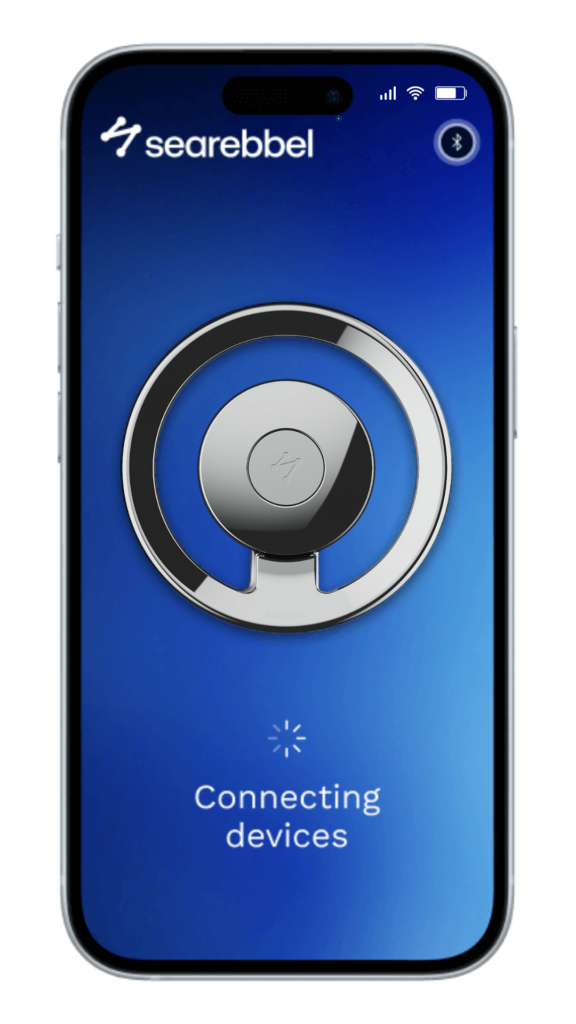
Route drawing with speed-adjusted turns
The app’s routing system reflects the team’s automation background. When you draw a line on the screen, a section appears in green. This is the part the system adapts in real time to suit the boat’s speed.
If the boat speeds up, the turn widens so the helm doesn’t snap into a tight corner. Slow down, and the curve shortens. The result is a smoother, more predictable turn that responds to the way the boat is actually moving.
You can still use traditional waypoints. The system connects them with curves that adjust to speed changes so the boat does not swing abruptly between marks.
Power, charging, and installation
The MobilePilot ships with a removable battery that clips out of the base for charging. It can run from that battery or from the boat’s 12 volt or 24 volt supply. Charging options include a DC inlet or USB C.
Installation is the part that will interest many Kiwi boaties. There is:
-
No cutting of hydraulic hoses
- Advertisement, article continues below -
-
No need to bleed the steering
-
No pump to mount
-
No course computer
-
No dash modifications
For centre consoles, cuddy cabins, and the many compact Kiwi launches with tight helm spaces, not having to open the hydraulic system is a genuine advantage.
What this means for smaller boats
SeaRebbel’s pitch is simple. Instead of matching the complexity of a full cruising autopilot, focus on making basic autopilot functions achievable on small boats without a major installation.
The MobilePilot holds a heading, follows a line drawn on the app, and uses gentle, speed-adjusted turns to avoid sudden helm movements. For skippers who spend long days towing lures, covering coastline, or running steady transits between spots, the appeal is obvious.
Now available locally
With the SeaRebbel MobilePilot now available in New Zealand, skippers who have never considered a traditional autopilot have a new option on the table. It is compact, tidy, and aimed squarely at the boats that make up a large part of our fleet.
The unit retails for $6999.99, including the removable battery and charger. NMEA 2000 integration requires the optional Actisense module.
Contact the team at Boat Gear for full details.