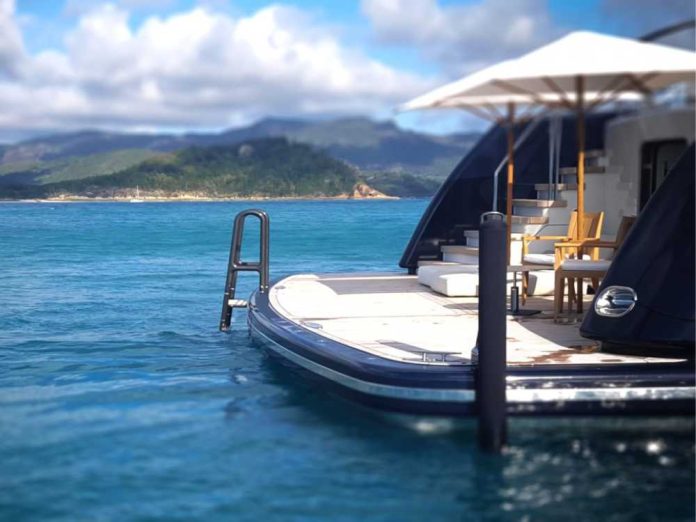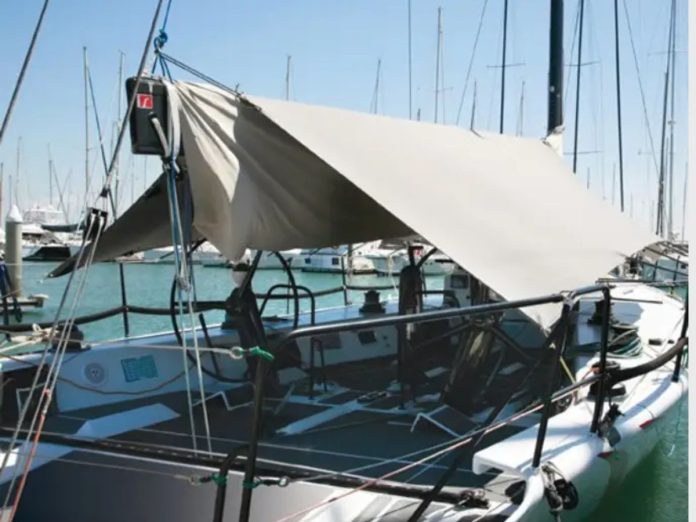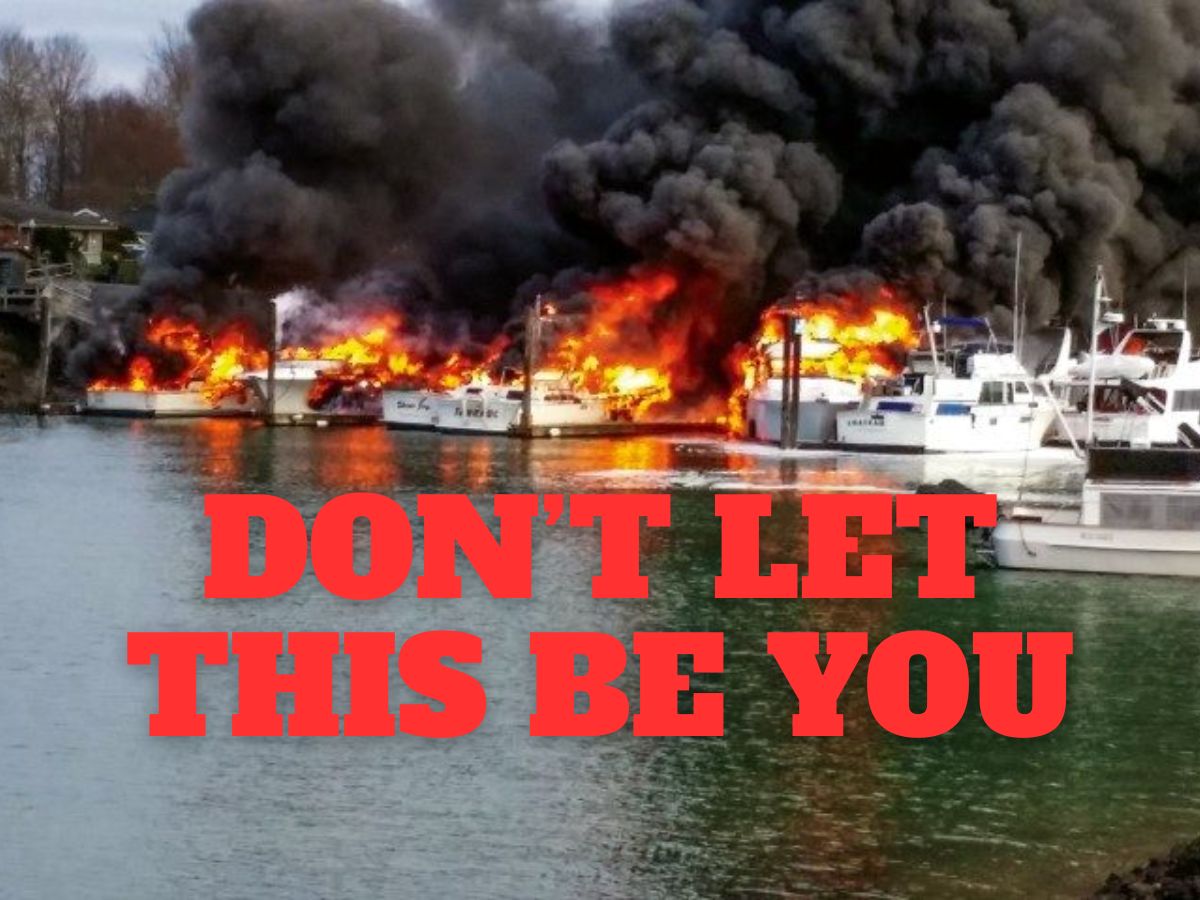
Summer cooking and cockpit dinners are part of boating life, but gas systems need proper care.
Gas is a normal part of boating. We cook, heat water, and enjoy easy meals at anchor. On a boat, however, gas demands more care. LPG is heavier than air. If it leaks, it flows downwards and settles in bilges and low spaces where it can sit undetected.
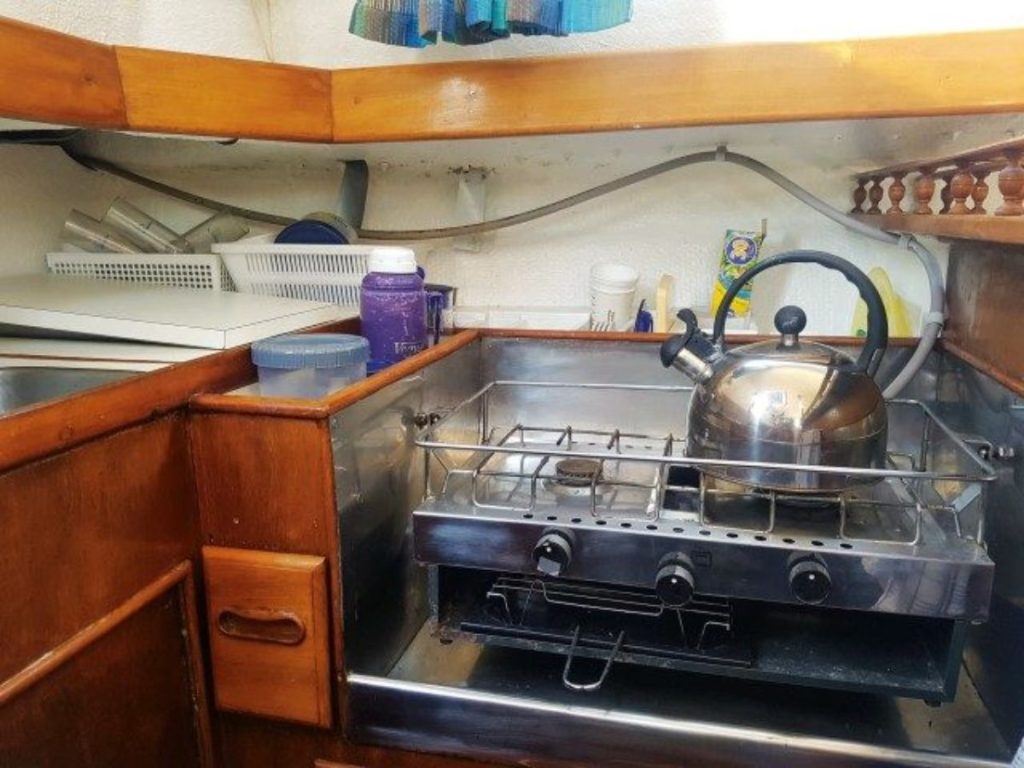
Serious gas incidents rarely come from dramatic failures. They usually trace back to ageing hoses, corroded regulators, blocked locker drains, or poor habits that crept in over time. Gas safety is basic seamanship, not a specialist discipline.
Gas bottle storage done properly
Safe gas systems start with correct storage.
Gas bottles must be stored upright in a dedicated locker that is sealed from the interior and drains directly overboard. The drain must be clear and positioned above the waterline. A quick hose test confirms it is working.

Spare cylinders need exactly the same treatment as the bottle in use. Secure them upright, protect them from damage, and never store them below deck.
If a boat does not have a purpose-built gas locker, deck storage can be acceptable if done carefully. Bottles must be secured in proper holders, protected from impact, and positioned so leaking gas cannot enter the cabin through vents or openings. Adjustable and fixed gas bottle holders provide proper restraint and airflow while keeping cylinders upright.
Burnsco stocks adjustable and fixed gas cylinder holders suited to common 2kg, 4kg, 5kg, and 9kg LPG bottles. These holders are designed to restrain the bottle securely while allowing airflow around the cylinder and base, which helps prevent corrosion and pooling gas.
Lockers, drains, and ventilation
A gas locker only works if it stays clear, dry, and isolated.
The locker must be airtight from the rest of the boat. Any leaking gas must be able to escape straight overboard. Blocked or kinked drain hoses defeat the system completely and allow gas to migrate into the hull.
Keep lockers free of unrelated gear. Ropes, tools, and spares trap moisture and block drains. Inspect locker bases for corrosion and deal with it early, particularly in steel or alloy installations.
Bottles, regulators, and hoses
Gas cylinders must be in date and compliant with New Zealand testing requirements. Many gas issues onboard trace back to hoses and regulators that have quietly aged beyond their safe life.
Marine LPG hoses live in a harsh environment. Heat, salt air, and movement accelerate deterioration, often internally. Regulators are equally vulnerable, particularly to corrosion around vents and fittings.
Burnsco carries marine-approved LPG regulators and hose assemblies, including POL and QCC-style regulators commonly used on New Zealand boats. These are intended for LPG systems and compatible with standard marine bottle fittings.
Regardless of appearance, flexible hoses should be replaced on a fixed schedule and routed to avoid chafe or tight bends. If in doubt, replacement is faster, cheaper, and safer than troubleshooting later.
Gas alarms and solenoid shut-off systems
Gas alarms are one of the most effective safety upgrades a boat can carry.
Because LPG is heavier than air, alarms should include a sensor positioned low in the boat where gas will collect first. An audible alarm provides early warning long before gas reaches a dangerous concentration.
For added control, many skippers choose a gas solenoid shut-off system. These allow gas to be isolated instantly from a switch near the galley or automatically when an alarm activates. This is particularly useful where gas lockers are difficult to access underway.
Burnsco stocks gas solenoid valves and control panels suitable for 12V marine systems, along with combined regulator and solenoid kits for new installations or refits.
Using gas safely onboard
Good gas safety depends as much on routine as equipment.
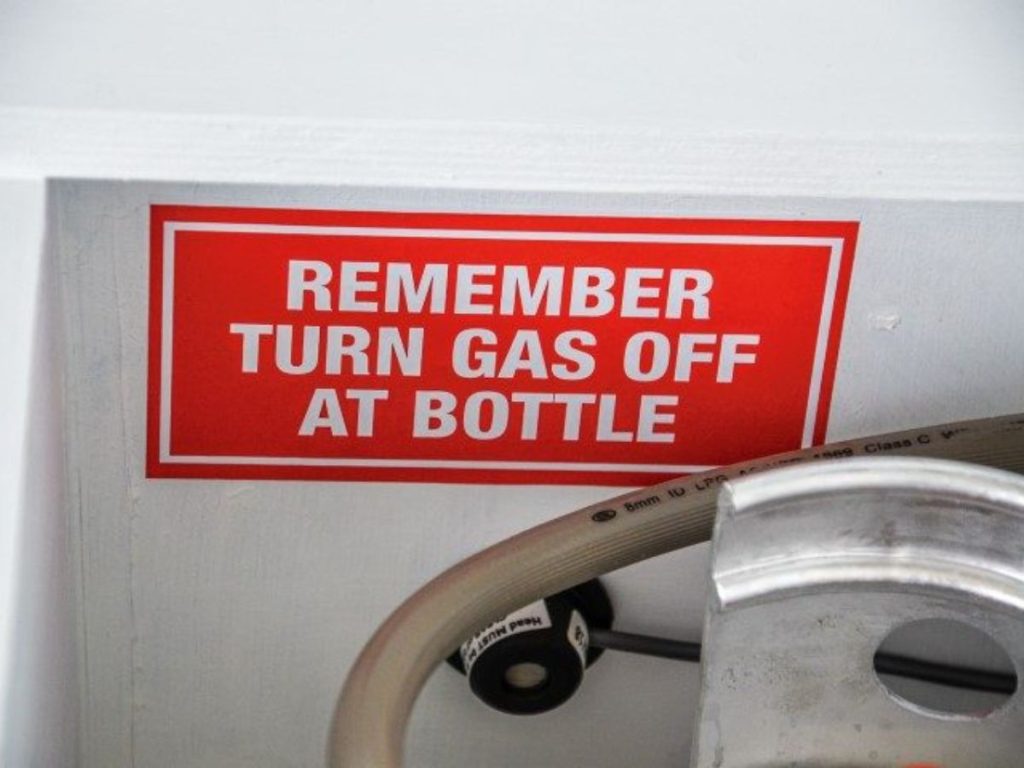
Small prompts help reinforce habits, especially when guests or family are onboard. Clear labelling of shut-off valves, simple reminders near the galley, and consistent skipper routines reduce mistakes.
Burnsco stocks turn-off gas reminder stickers and basic LPG accessories that support clear, repeatable onboard procedures without adding complexity.
The goal is not more rules, but fewer assumptions.
Inspection, maintenance, and compliance
Gas systems should be checked as routinely as engines and electrical systems. Many installations fall behind current standards simply because no one has looked closely at them for years.
In New Zealand, permanent gas installations on boats are high-risk work. Installation and modification must comply with AS NZS 5601.2 and be carried out by a licensed gasfitter. Certification protects safety and insurance cover.
Even certified systems benefit from periodic professional inspection, particularly after refits or layout changes.
What to check before each season begins
A quick seasonal gas check should include:
- Bottle test date and physical condition
- Secure upright mounting of all cylinders, including spares
- Locker drain clear and above the waterline
- Hose condition, routing, and age
- Regulator condition and corrosion
- Gas alarm operation and sensor placement
- Shut-off valves clearly labelled and accessible
These checks take minutes and prevent the majority of gas-related incidents onboard.
Editorial note
All products referenced are standard marine LPG components commonly used on New Zealand boats and available through Burnsco chandlery stores and online. Inclusion is for practical guidance only and does not replace professional gasfitting or certification requirements.