


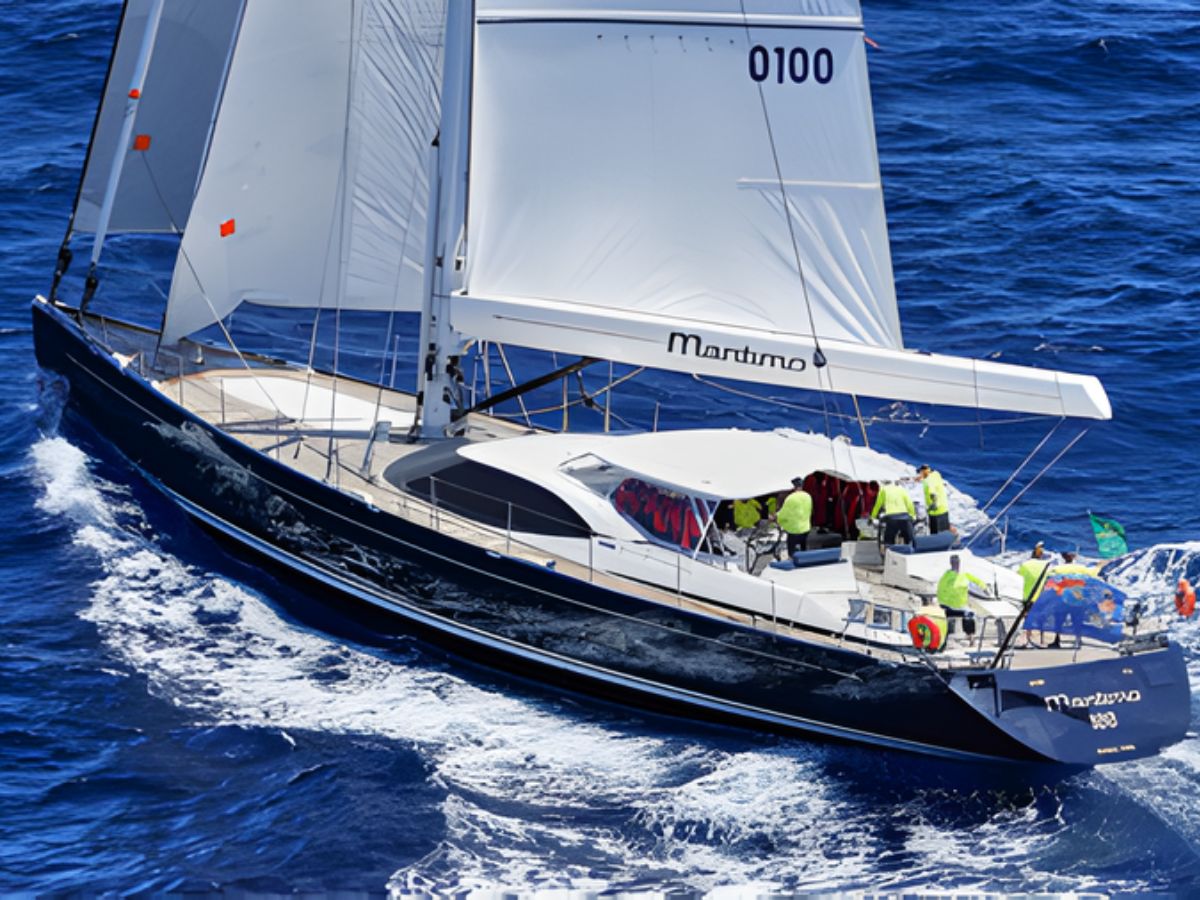
The Sydney to Hobart Yacht Race has a habit of stripping away assumptions. Boats, systems, and people are exposed for what they really are once the breeze hardens and the sea state refuses to ease. For Maritimo 100, the 2025 race did exactly that.
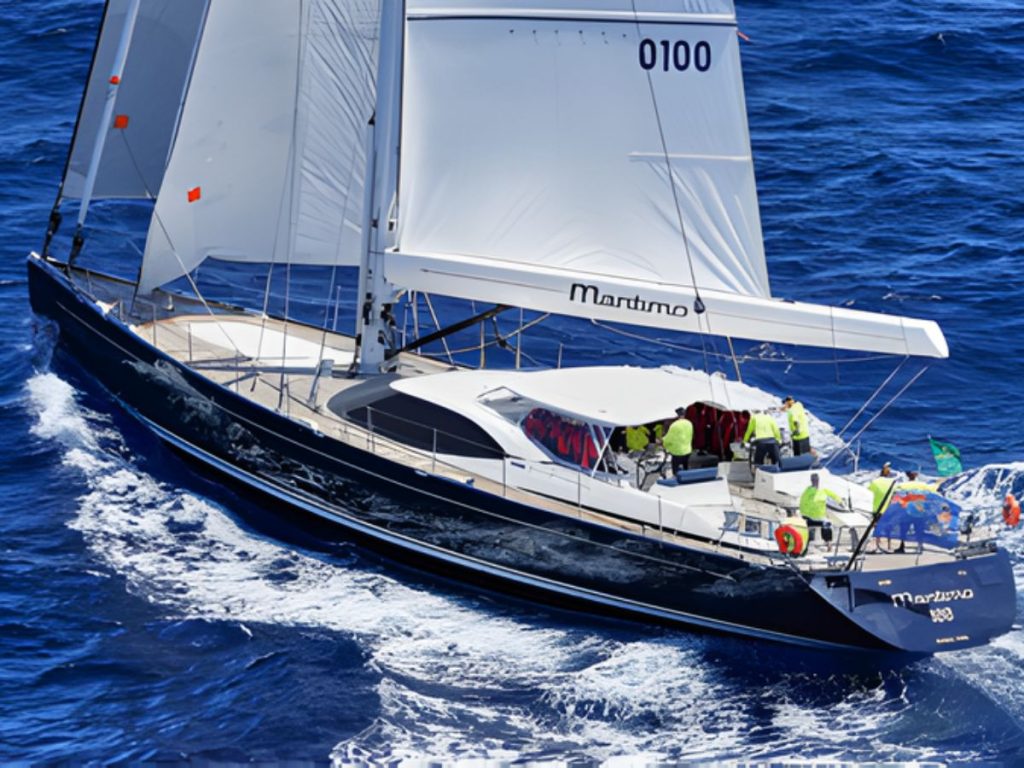
On paper, the campaign ended in disappointment. A withdrawal on the second night due to an electrical failure is not the result any skipper wants. In reality, the race delivered something far more valuable. It proved the boat, tested the crew, and highlighted precisely where improvements need to be made.

Before the retirement, Maritimo 100 was sailing strongly in demanding conditions, well positioned and clearly comfortable in sustained heavy weather. That context matters.

A specific failure, not a systemic one
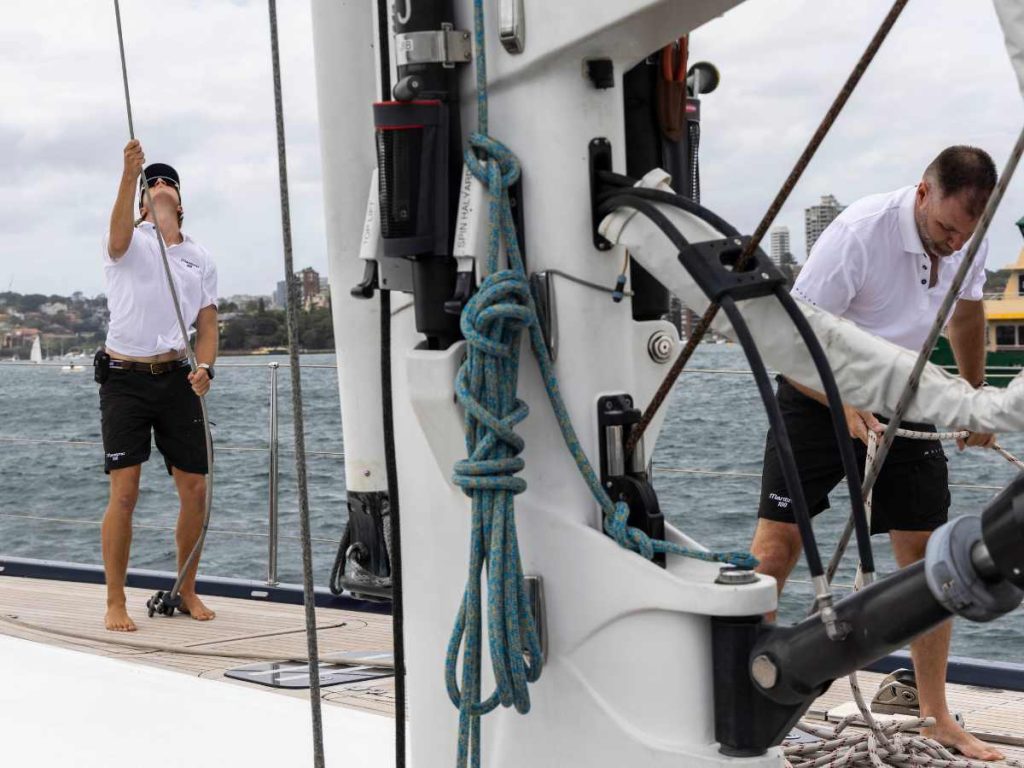
The decision to withdraw came after water ingress affected electrical switches controlling the hydraulic systems. Those switches began behaving unpredictably, causing sails to unfurl without control and leaving the crew unable to reliably manage critical systems.
Importantly, this was not a broad electrical collapse. It was a localised failure within a small but vital component group. Once identified, the cause was clear, and the fix equally so. The affected switches will be replaced with more robust, better-protected units before the boat’s next offshore campaign.
In offshore racing, that distinction matters. A flaw in concept is very different from a flaw in execution.
A boat that thrived under pressure
Up to the point of withdrawal, Maritimo 100 was doing exactly what the team had hoped to see. The race delivered hours of sustained headwinds and heavy seas, particularly once the fleet turned south. This was not a case of surviving isolated squalls. The pressure was constant.

According to skipper Peter Jones, the boat was loving it.

05/12/2024
Photo credit: Andrea Francolini
Performance upwind was strong, stability was predictable, and the boat’s behaviour in rough seas inspired confidence. There were no concerns about structure, sail handling capability, or general seaworthiness. For a yacht often described as a cruiser stepping into a raceboat’s world, that performance spoke volumes.
Dispelling the luxury myth
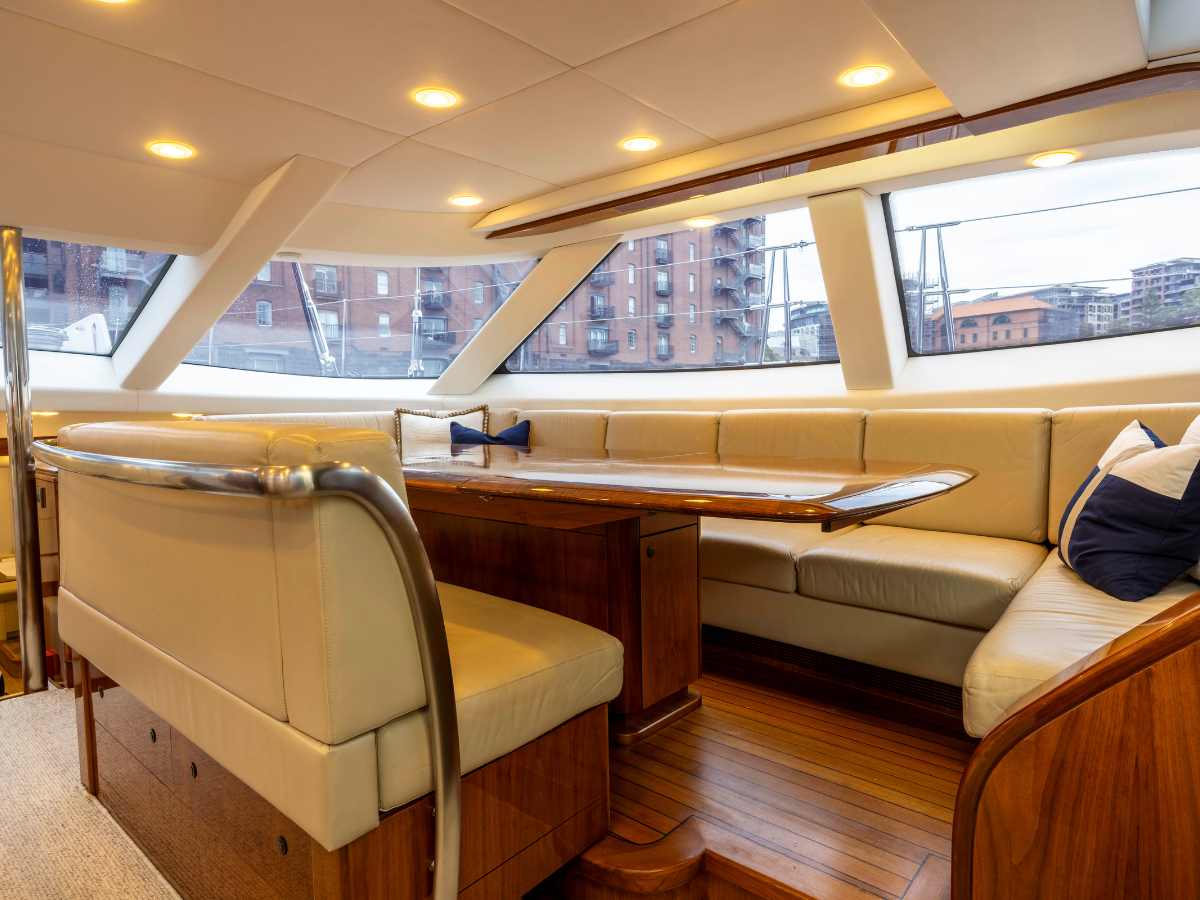
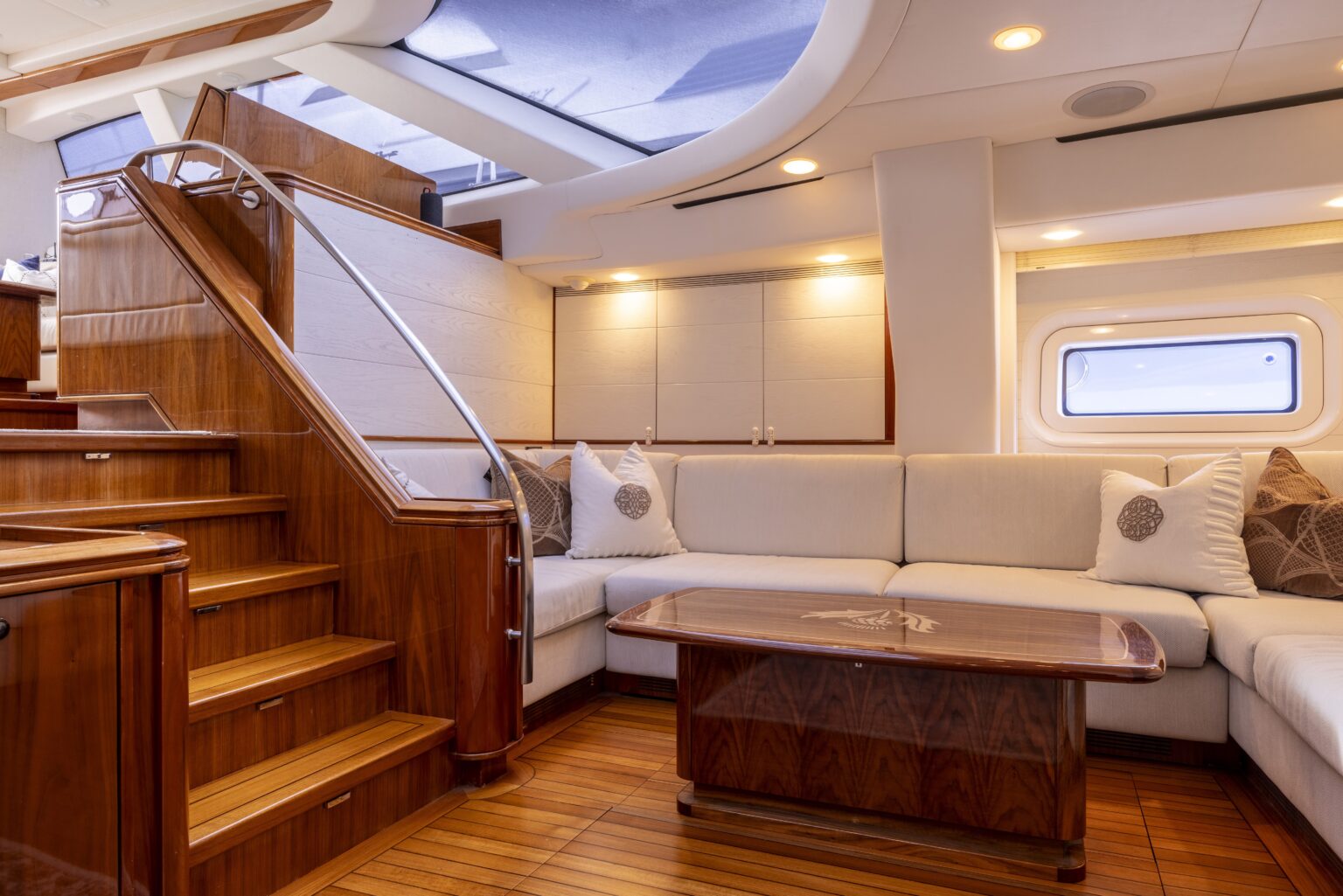
Much of the external commentary around Maritimo 100 focused on perceived comfort. The narrative suggested a luxury yacht dabbling in offshore racing, complete with jokes about dining tables and soft furnishings.
The reality offshore was very different.
This was a full racing program, sailed hard from the gun. Watch systems were run properly, sail changes were pushed, and the crew were fully committed. There were no indulgences, no shortcuts, and certainly no time spent enjoying the fitout.
The boat may carry volume and comfort, but during the race, it was sailed like any serious offshore campaign.
Crew endurance mattered as much as design
The crew faced the same conditions as everyone else. A few lost their Christmas lunch early on, which is hardly unusual, but overall the team held together well. Two-watch systems ran continuously, and effort levels stayed high throughout.
What makes this more notable is that Maritimo 100 was not crewed by a full professional race team. Aside from Jones and his first mate, who are the only permanent crew aboard, the team consisted of experienced sailors who have sailed together over several years across different boats and programs.

They were not being paid to be there. They were there because they wanted to be, and because they believed in the project.
That combination of experience, familiarity, and commitment showed through in how the boat was sailed and how the setback was handled.
A prototype in the truest sense
From the outset, this campaign was about learning. Maritimo 100 is effectively a floating test platform, not just for hull and rig, but for process. How does a large yacht cope with persistent heavy seas? How does a non-professional crew manage fatigue and decision making under continuous load? Where do modern systems remain vulnerable when theory meets reality?
The Sydney to Hobart provided clear answers.
The boat’s core concept was validated. Performance, comfort under load, and overall behaviour exceeded expectations. The weak point was identified cleanly, without ambiguity, and can be addressed directly.


That is exactly what a development-focused campaign hopes for.
What comes next
In the short term, Maritimo 100’s focus shifts away from racing. Plans are in place for extended cruising, including time in New Zealand and the Pacific, allowing the boat to be enjoyed as intended while further refinements are made.
Any decision about returning to the Sydney to Hobart will come later. What is clear already is that the lessons from this race will shape how the boat is sailed, how systems are specified, and how future projects are approached.
Not every story at the Hobart finish line is told by a result sheet. Sometimes the most valuable campaigns are the ones that end early, but answer the right questions along the way.

This issue is indicative of increasing complexity on boats today. Reliance on systems with long chains of separate components, the failure of any one of which, without backup, should be avoided.