For much of the past year, the America’s Cup lived in meeting rooms and draft documents. Protocols were negotiated. Structures were agreed. Locations were confirmed. That phase is largely behind us now. What replaces it is quieter, less visible, and far more important.
Boats are sailing again.
Across several bases, teams are back into daily routines. Hours are being logged. Crews are settling into roles. Small decisions are starting to matter. With Naples locked in for 2027, the next twelve months are no longer about possibility. They are about preparation.


A framework teams can work within
The creation of the America’s Cup Partnership has brought a level of stability that recent cycles often lacked. Five teams have committed as the foundation of the next Cup.
Those teams are Emirates Team New Zealand, Athena Racing, Luna Rossa, Alinghi Red Bull Racing, and K Challenge.
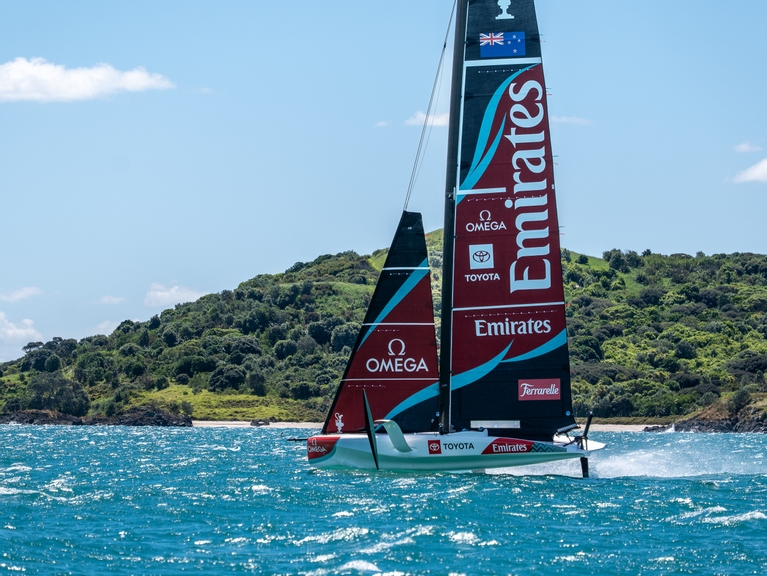
What matters here is not the language of partnership, but the effect. Teams now have clearer timelines, shared commercial settings, and less uncertainty around whether the ground will shift beneath them mid cycle. Youth and Women’s programmes are written into the structure rather than bolted on later.
That clarity allows teams to think beyond the next regatta. It also changes how sailors move through the system, from development squads into senior roles.
AC40s back to doing real work
While the governance pieces were falling into place, several teams quietly returned to training late last year. The AC40 has become the workhorse of this phase.
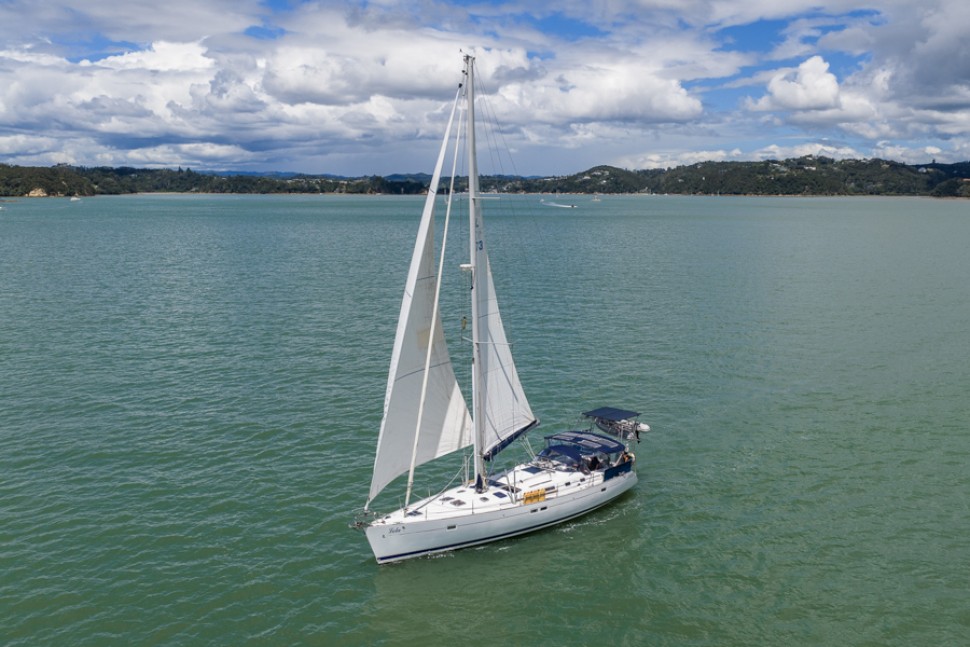

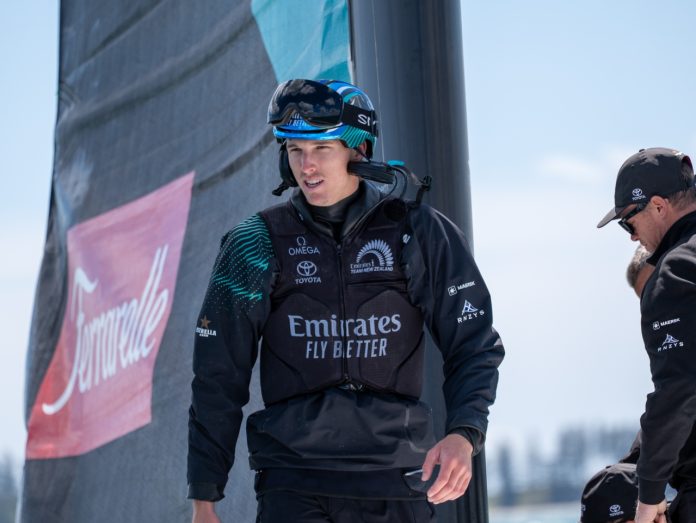
Emirates Team New Zealand and Luna Rossa have both run two boat sessions, focusing on coordination rather than speed. Athena Racing has been active from Barcelona, with senior sailors sharing time alongside Youth and Women’s crews. K Challenge continues to build time in Lorient.
There is nothing glamorous about this stage. It is about repetition. Starting drills. Manoeuvres under pressure. Learning how a crew communicates when everything happens quickly. Because the Preliminary Regattas will be sailed in one design AC40s, this time counts.
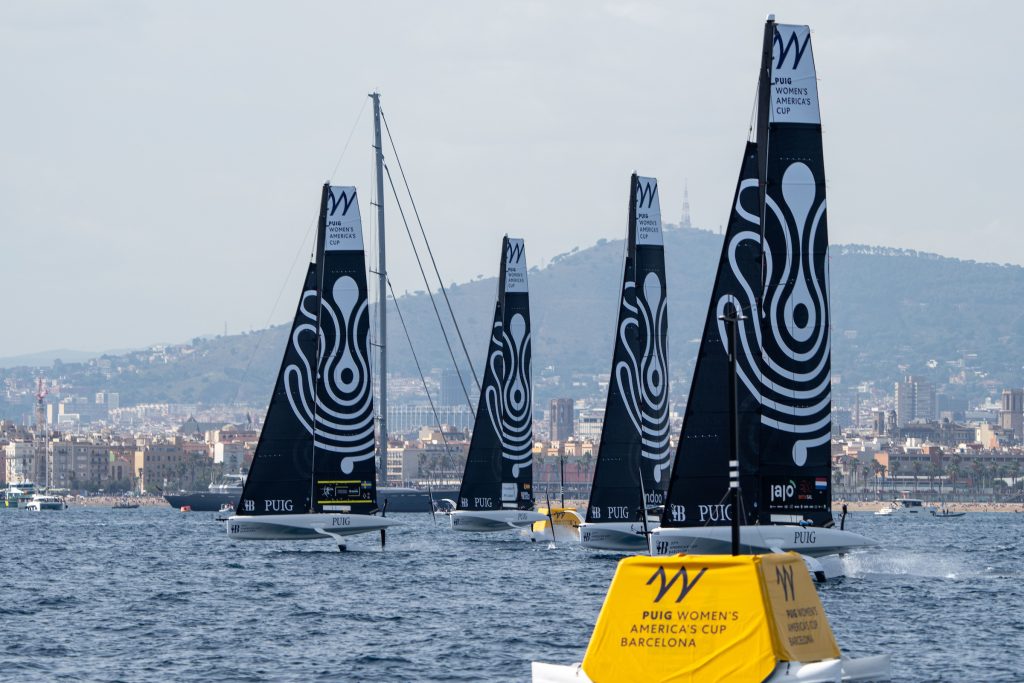
For younger sailors, these sessions are no longer symbolic exposure. They are a direct pathway into top level racing.
AC75s prepare to sail again
Behind closed base doors, attention is turning to the AC75s. The first permitted sailing window opens in mid January 2026, and teams are approaching it carefully.
The rule changes are straightforward but influential. Crews drop to five. One female sailor must be onboard. A Guest Racer position adds flexibility. The Cyclors are gone, replaced by battery powered systems designed to match previous power outputs.

What follows is a period of adjustment. Deck layouts are being refined. Control systems are being reassigned. Sailing roles are being tested and retested. Early sailing days will not be about racing. They will be about learning how the boat behaves and how the crew functions as a unit.
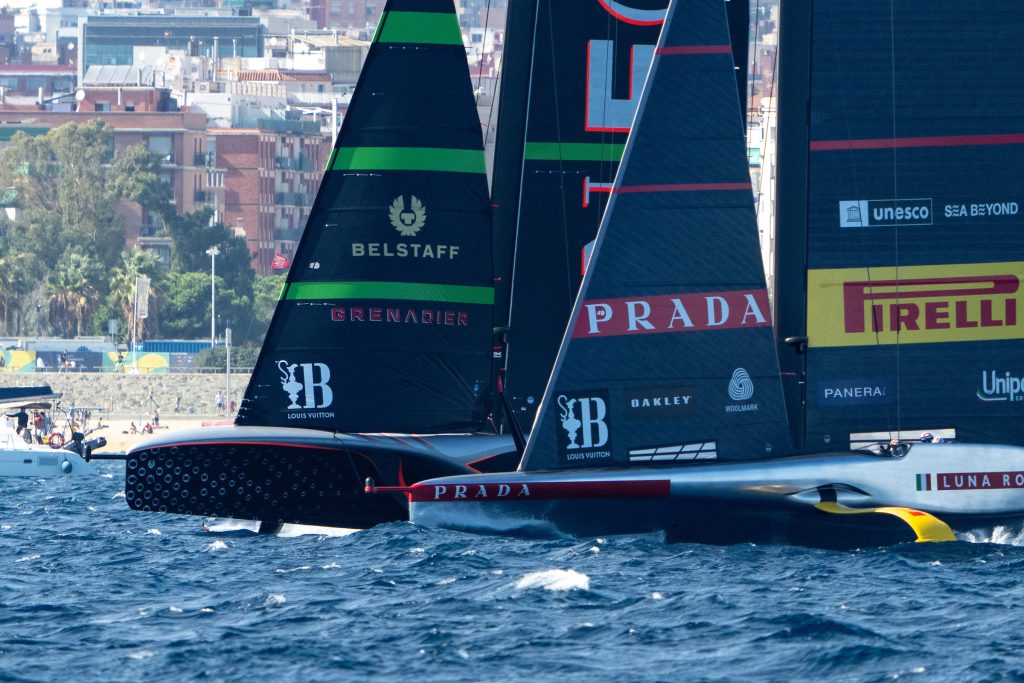
The version of each AC75 that lines up in Naples will be shaped by what teams discover in these first weeks on the water.
Preliminary Regattas return next year
Racing resumes in earnest in 2026 with the return of the Preliminary Regattas. These events will be held at European venues yet to be confirmed and sailed in strict one design AC40s.
Teams are also permitted to enter a second AC40 crewed by Youth or Women’s sailors. That decision reflects a broader shift. Development is no longer separate from competition. It runs alongside it.
The regattas will not decide the Cup, but they will show which programmes are functioning well and which still have gaps to close.
A new American challenge is taking shape
Just outside the confirmed field sits one of the more interesting stories of this cycle. Riptide Racing is working toward a late entry.
The US based team is attempting to raise the remaining funding required to secure its place, with a deadline set for the end of January. If successful, Riptide Racing would join the competition as a full challenger.
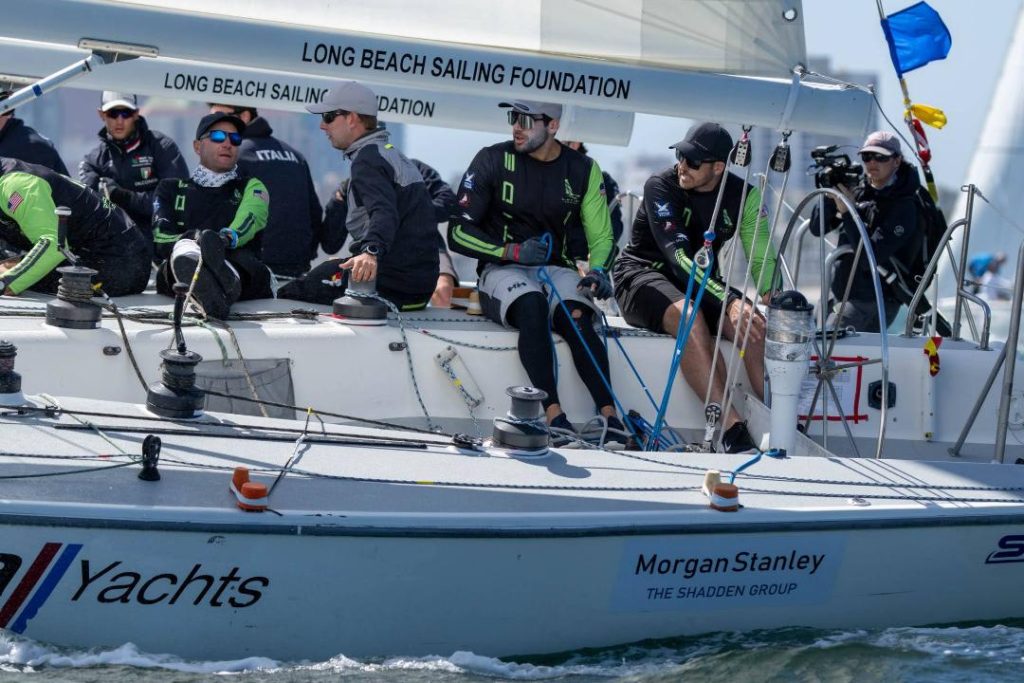
An American return carries weight in a contest that began with a New York yacht club challenge. It also introduces a team built around sailors who have grown up with foiling rather than adapting to it. Whether the campaign clears the final hurdle will be known soon. If it does, it adds another dimension to an already competitive fleet.
Naples no longer feels distant
With boats sailing, new ones close to launch, and the calendar beginning to fill, Naples feels closer than the calendar suggests.
This is the phase where Cups are shaped quietly. Not by announcements or press releases, but by training hours, small technical choices, and crews learning how to work together. For those watching from New Zealand, it is also the most revealing period of the cycle.
The noise has dropped away. The sailing has begun. And the road to Naples is now clearly marked.