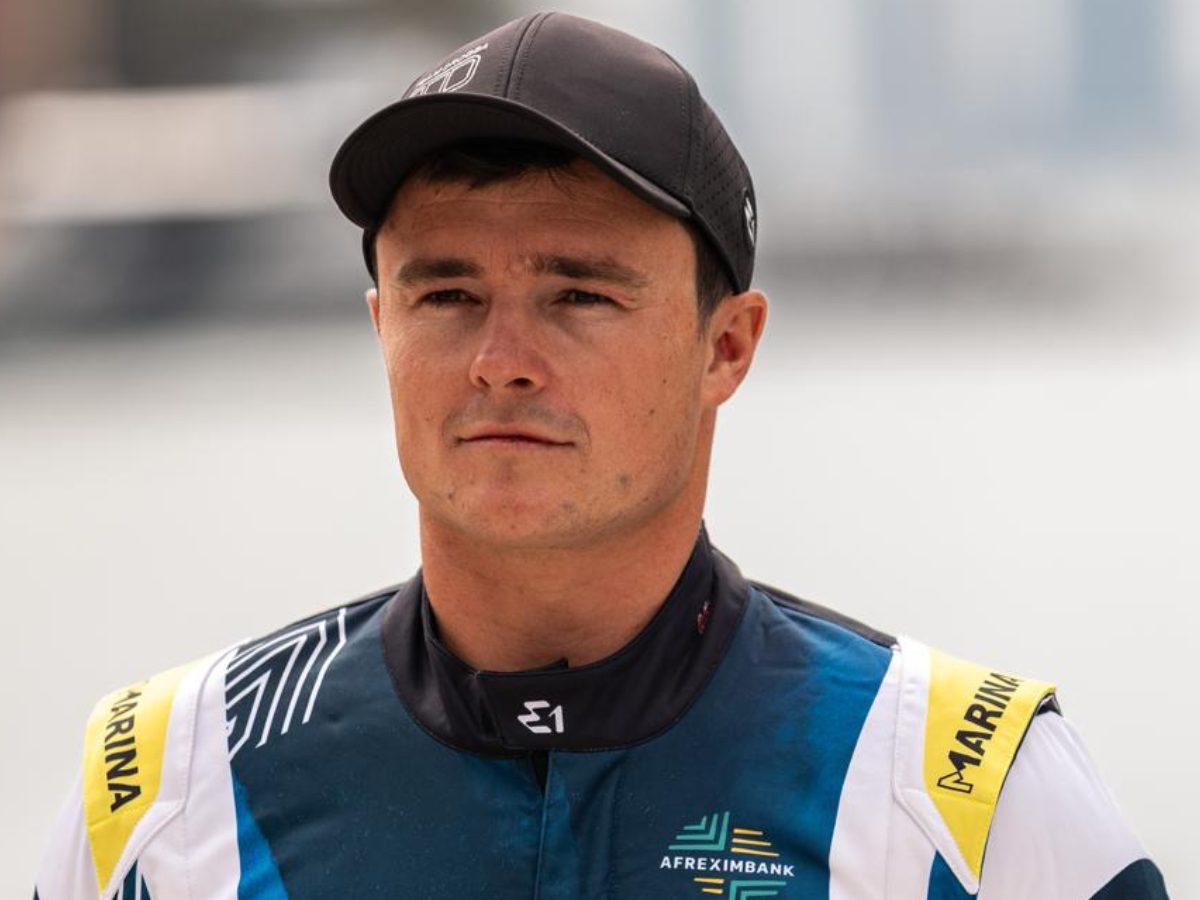
As the 2026 E1 Grand Prix season gets underway, Kiwi Olympian Micah Wilkinson returns to the cockpit for Team Drogba Global Africa. He reflects on the skills and mindset behind competing at the sharp end of foiling, across both sailing and electric powerboat racing.
New Zealand sailors have always adapted well when the game changes. But few have crossed as cleanly between disciplines as Micah Wilkinson. One moment he is racing an Olympic mixed multihull with sails drawing and bodies working the wire. Next, he is strapped into the cockpit of an electric race boat, trimming ride height with paddles and pedals at close to 50 knots.
On paper, Nacra sailing and electric powerboat racing sit worlds apart. In reality, both demand the same understanding of foiling physics. Ride height, pitch, and stability define performance in each, and that shared foundation has underpinned Wilkinson’s smooth transition into the E1 Series.
Built on Olympic foiling
Wilkinson’s foundation is well known. He has spent years campaigning the Nacra 17, the mixed crew catamaran that has become the Olympic benchmark for multihull sailing. With Erica Dawson, he raced at Tokyo and Paris, finishing the 2024 Games with a bronze medal after a demanding Marseille regatta.

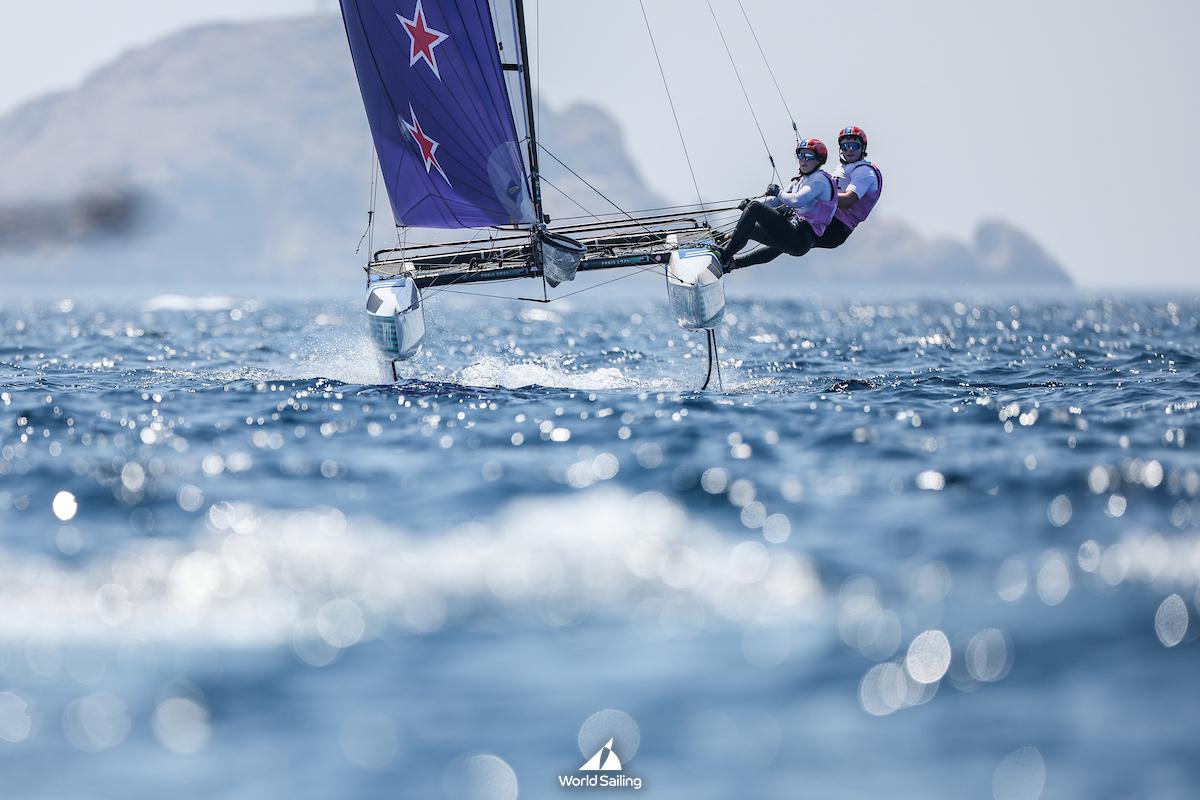
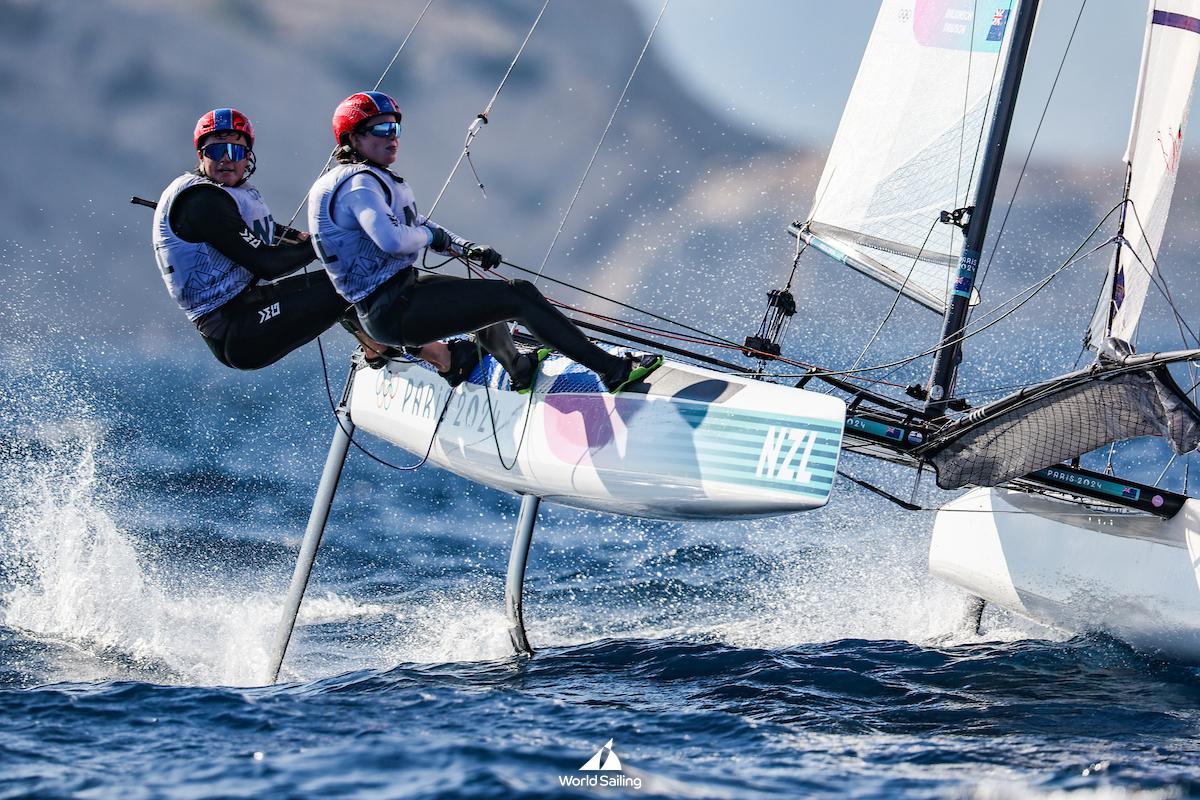
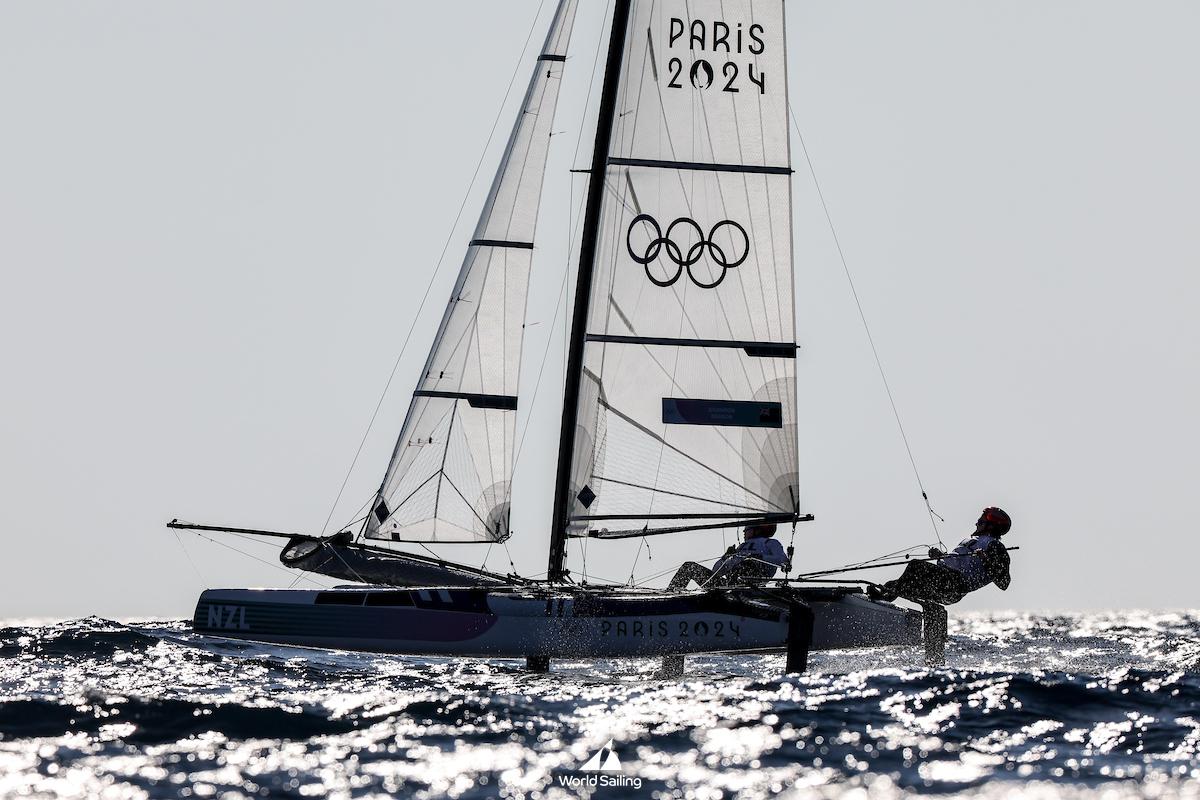
Modern Nacra sailing is already closer to aviation than traditional yachting. Once airborne, the boat lives or dies on ride height, pitch control, and foil loading. Sail trim, body movement, and communication between helm and crew all feed into keeping the platform stable and fast.
“In the Nacra it’s Erica and I. You’re back and forth, making decisions together.”
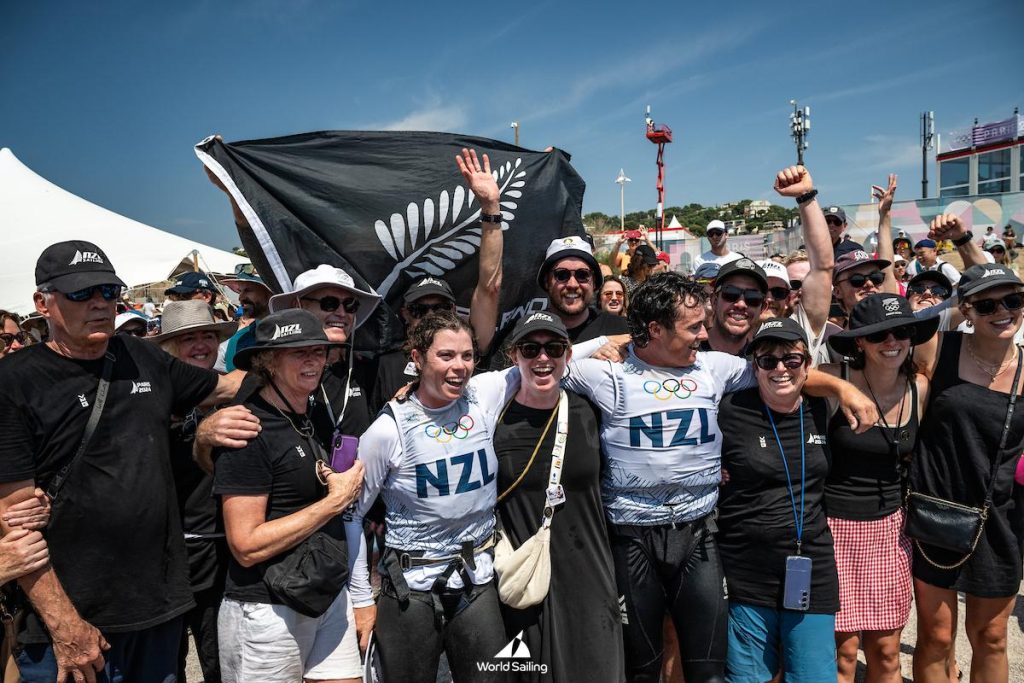
That shared decision-making is central to Olympic foiling. It is also one of the biggest contrasts Wilkinson noticed when he stepped into powerboat racing.
A different cockpit, familiar physics
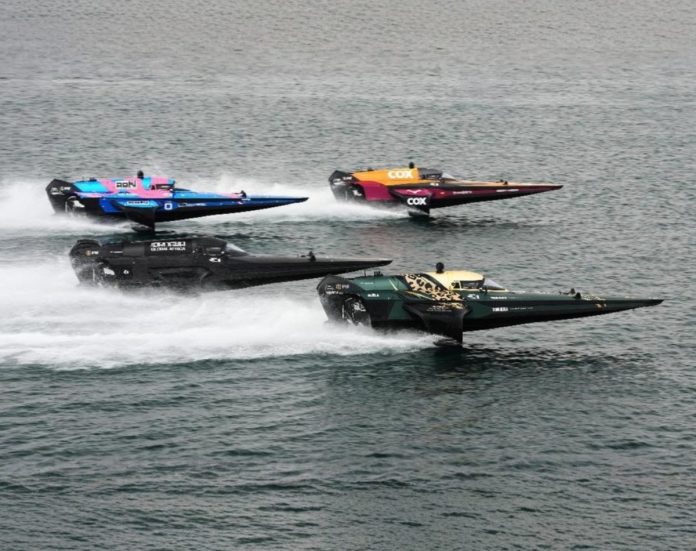
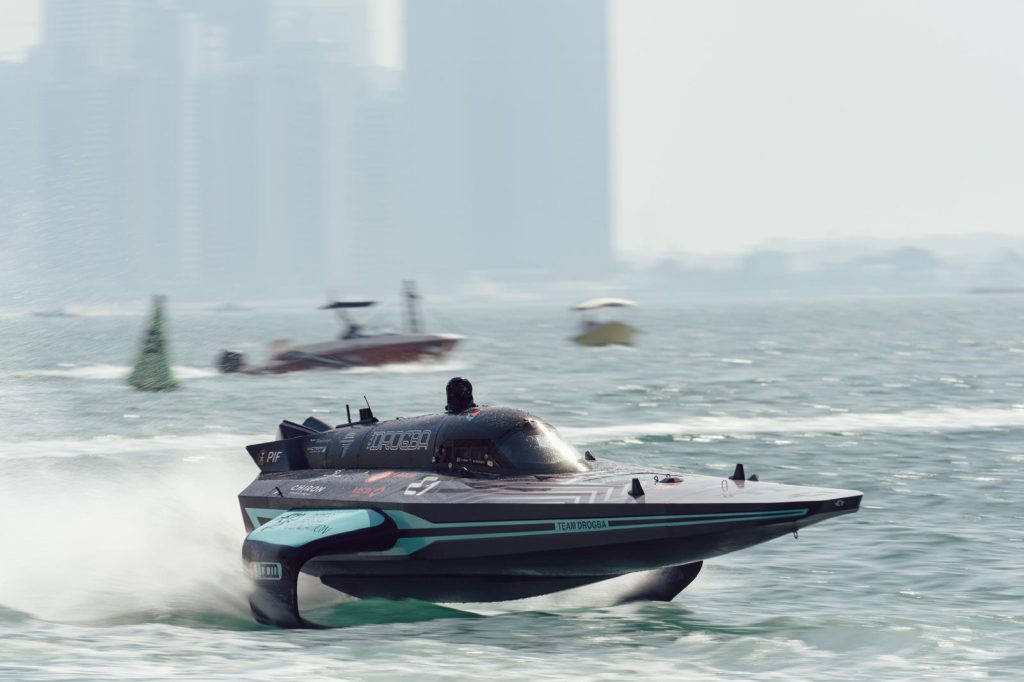
E1’s RaceBird is a very different machine. Designed as a single-seat, all-electric hydrofoil race boat, it replaces sheets and traveller lines with buttons, paddles, and screens. The boat lifts clear of the water at speed, supported by carbon foils, and is driven by a 150kW electric motor.

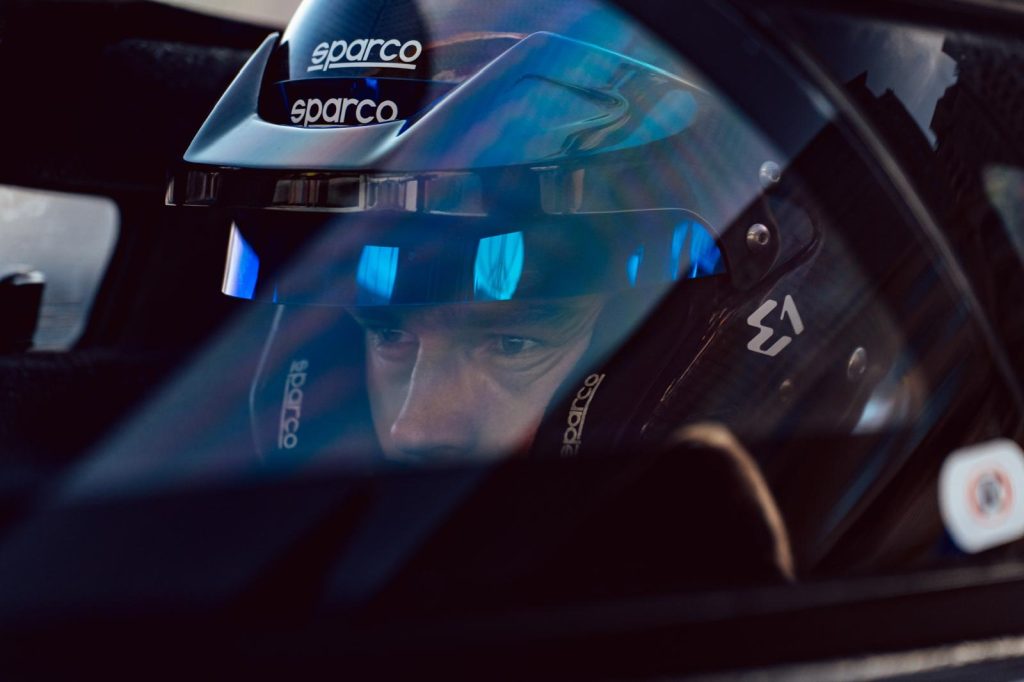
“Very fighter jet esque with all its buttons and screens.”
Unlike sailing, where control inputs are filtered through sails and crew movement, the RaceBird responds instantly. Ride height and pitch are adjusted through steering wheel paddles and engine trim. There is no second voice in the cockpit.
“The hardest part is probably not having a sailing partner. In the RaceBird it’s all instantaneous, and you’re on your own.”
Still, the physics are familiar. The RaceBird operates within a narrow flight window of around 400mm. Too low and the hull slaps down. Too high and stability disappears.
“You’ve got about a 400 mil high window you can fly at. It’s easy in flat water, but once it’s choppy, you’re constantly balancing the boat.”
Why a sailor adapted faster than car drivers
Many of Wilkinson’s competitors in E1 come from motorsport. They arrive with racing instincts, but little exposure to boats or foils. Powerboating itself is new to them, let alone lifting a hull clear of the water.
“A lot of the drivers are coming from motor racing backgrounds. The whole powerboating was new to them as well, and then the foiling.”
For Wilkinson, foiling behaviour at speed was already second nature. Understanding how a boat reacts as lift builds, how quickly things unravel when balance is lost, and how small inputs make big differences gave him a head start.

“I managed to use the skill set I had to sneak in there right from the start.”
That translated into immediate results, including a podium finish in Doha during his rookie season.
Speed has limits, even with electric power
At full noise, the RaceBird will run to around 50 knots. Beyond that, physics takes over. Foil cavitation becomes the hard ceiling.
“It doesn’t take long to get up to 50 knots, which in the foiling world is right at the limit. Above that speed, the foils cavitate, and that’s the ceiling.”
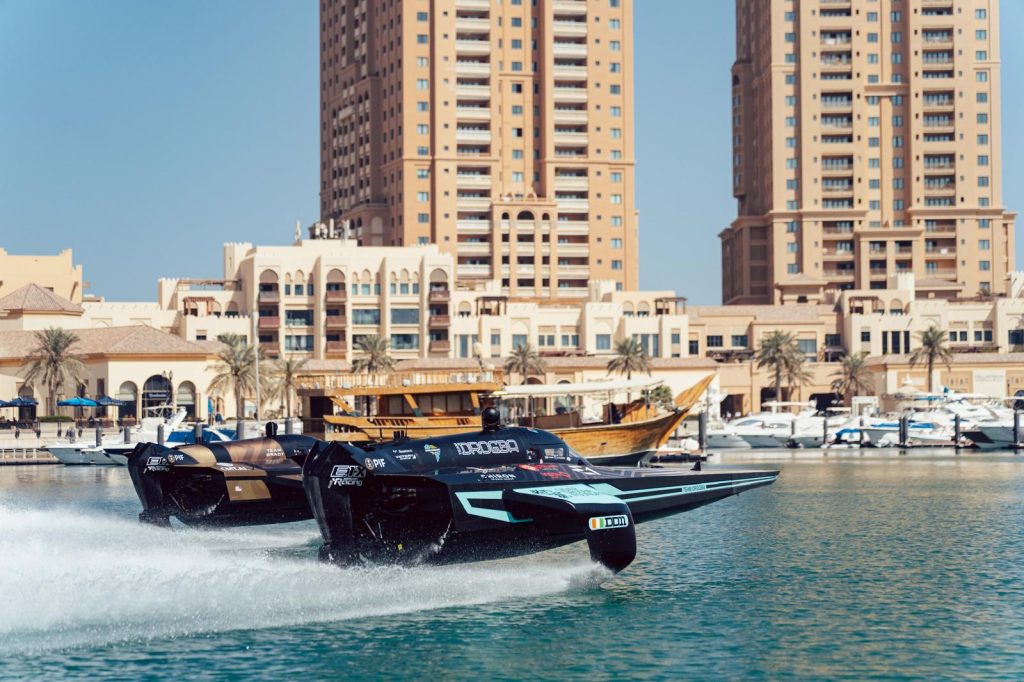
In Wilkinson’s view, both sailing and electric power racing are pressing against the same physical limits. Whether lift is generated by sails or electrics, foiling demands control before outright speed.
Team Drogba and the global stage
Wilkinson races in E1 for Team Drogba, owned by football icon Didier Drogba. The series itself is fast-paced and compressed. Practice, qualifying, and racing all happen within a few days. There is little margin for error.
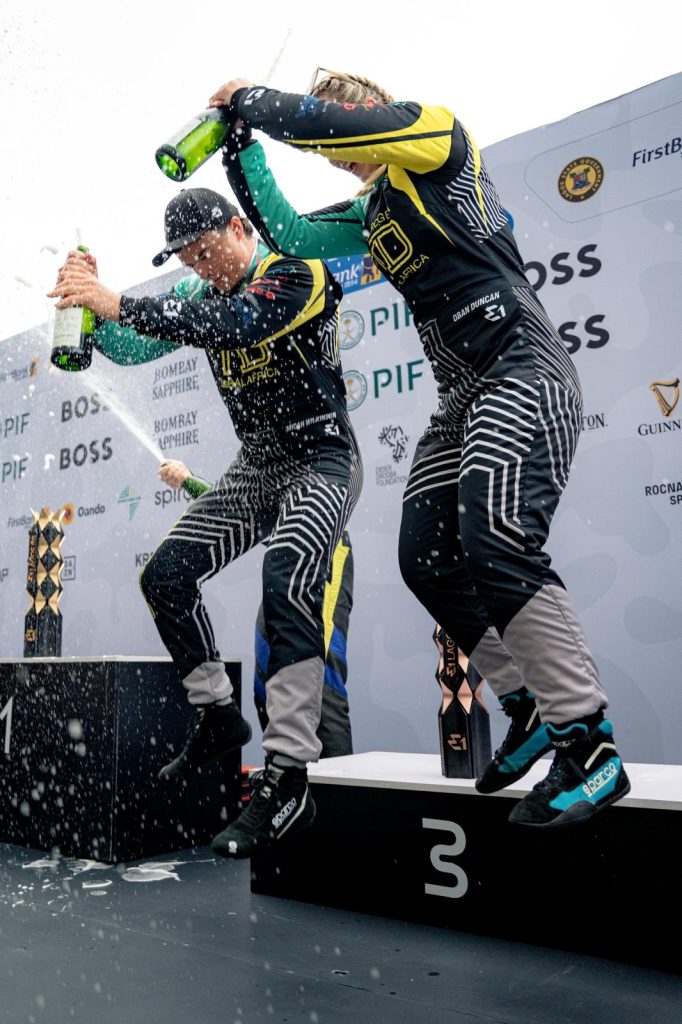
“The race weekends are very high intensity compared to sailing.”
Behind the scenes, the series carries a strong New Zealand flavour, from management to technical support. It is another reminder that Kiwis continue to export their skills well beyond home waters.
Two campaigns, one direction
For now, Wilkinson is balancing both worlds. Alongside E1, he is back into full Olympic campaigning, working towards Los Angeles 2028. Rather than seeing the two programmes as a distraction, he views them as complementary.
“You’re learning when you jump between campaigns. That’s very much what I’m about with these two programs.”
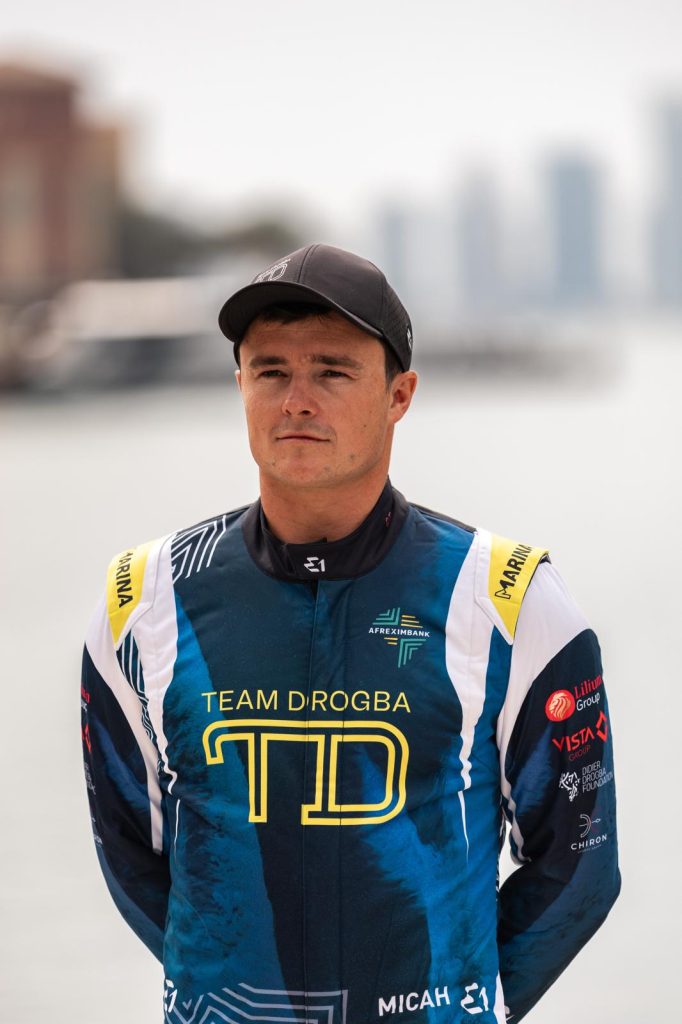
Wilkinson has bridged the two sports well and with consideration. He is following where high-performance boating is heading. Above the surface, at speed, with very little separating one discipline from another.