La Vagabonde is for sale!
Last week’s YouTube episode hinted that something significant was coming. In the latest drop, released today, Riley and Elena announced their Rapido trimaran will be sold, or at least be marketed.
For anyone who has watched Riley and Elena, La Vagabonde is a well-known boat name. La Vagabonde, a YouTube success story, now claiming just under 2 million subscribers. Its current invocation, a trimaran. But for a large group of boaties who have followed the journey from the beginning, she represents something more personal. Where sailing stopped being a distant ambition and started to feel possible.
We started watching La Vagabonde well before the trimaran. Back when La Vagabonde was a modest monohull and sailing was slower. There were no grand production values then, just people figuring things out as they went. Then came the catamaran. Then a baby. Then two. Over time, the story shifted: from travel as a new couple to building a family life afloat.
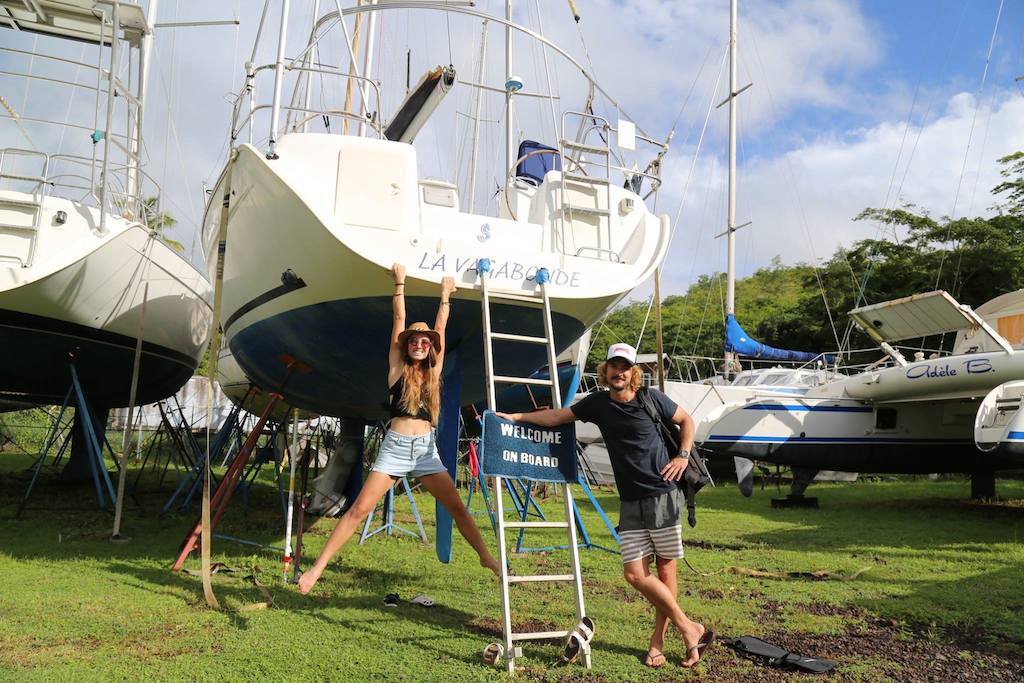
Their YouTube channel evolved as well. From laid back to one with significant production value. For those of us following Riley and Elena, first as a couple and then later as a family with Darwin and Lenny, their progression was fascinating to watch. They helped us learn that cruising did not require perfection, wealth, or a rigid plan. Instead, ordinary people can commit to an unconventional life and adapt as it evolves.
Following their journey played a genuine role in shaping our own. It helped move our family from watching sailing videos to buying a boat. From talking about offshore plans to making them. From imagining life on water to actually living it. Their dreams made ours. More than that, they helped us change our lives.
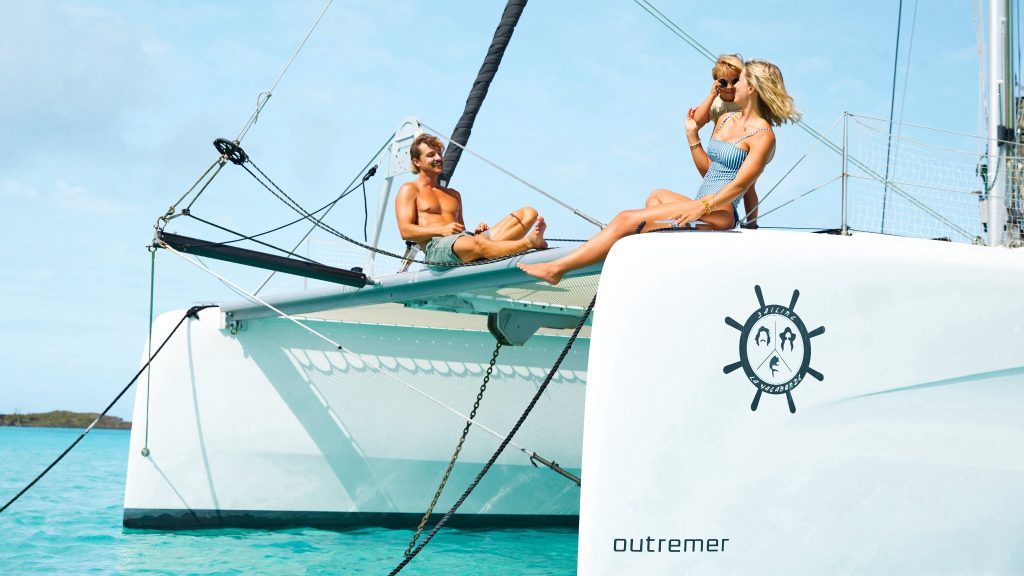
La Vagabonde inspired not because the crew were polished personalities—which they’re not and don’t claim to be—but because they were boat people. Practical, fallible, learning as they went. And La Vagabonde was their home.

Yet, when they moved to their 60-foot Rapido trimaran, it felt like a shift.
From a technical standpoint, the boat was remarkable. Built to go fast—one of Riley’s requirements, especially with a growing family: I vividly remember the time Riley told us that the faster the better, the less time sailing on the high seas, the less the risk of sinking under sail. With lightweight carbon construction, serious offshore speed, and a design that pushed the limits of what a cruising trimaran could be. When La Vagabonde was weighed in Japan at 11.8 tonnes, close to her design target, it answered plenty of critics.
But technical success does not always translate to emotional fit.
If I am honest, I never fully connected with the trimaran. Watching today’s episode, it feels likely that the owners struggled with that connection as well. The boat delivered performance, but it came with complexity, distance, and a sense that something had changed.
That feeling sharpened after their accident in Japan.

While anchored at night, La Vagabonde was struck by a fishing vessel as the family slept. No one was injured, but the damage was serious. Non-structural repairs followed with weeks of uncertainty – there were reasonable and significant fairs that the boat would have been structurally damaged, but as repairs went on, it became clear that the boat was significantly more rebust than initial musings. The accident didn’t happen offshore in the middle of an ocean; it happened close to land. Suddenly, they were vulnerable.
Although the boat returned to the water, the impact lingered.
Running this 60-foot carbon trimaran was not casual cruising. With total investment sitting around US $2.1 million, including sponsorship, the boat required paid crew, constant maintenance, marina berths, and ongoing oversight. Even at rest, she demanded attention.


At the same time, life itself was shifting.
In today’s episode, Elena spoke candidly about what comes next. The plan is no longer full-time life afloat. The family is looking towards something closer to balance. They want their children to attend school. They want to build an off-grid home on land. Where that will be? They’re still deciding. Just some of their comments, I do wonder if they plan to move back to Australia – with that will come Import Tax for the boat – there was extensive musing about the boat being ‘too expensive to be able to sail around, if they provided it was actually worth less, they may be able to justify sailing it…’. Just the wording. I wonder if a smaller provable value may equal less import tax, and maybe an easier story around keeping her after a return to Australia.
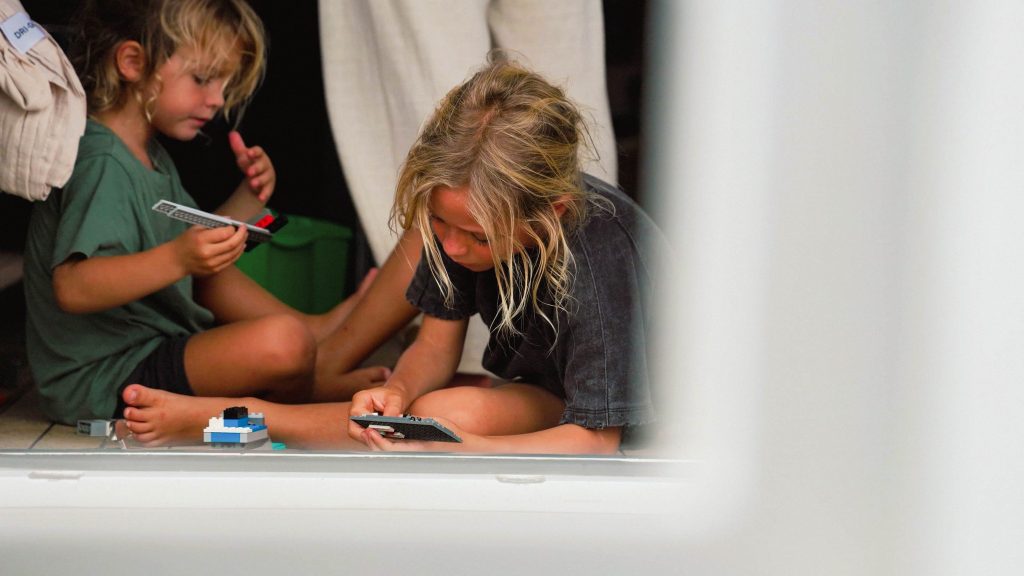
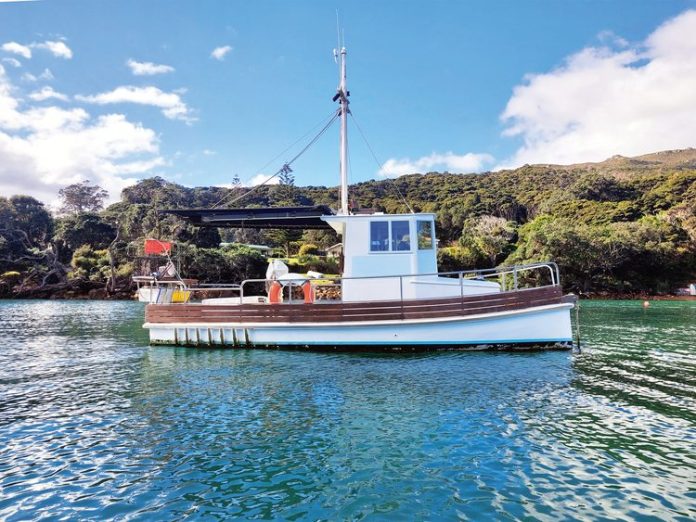
They also want a boat nearby. But not the La Vagabonde as we know it today. What stood out was how Elena described it. A wooden boat. An old fishing trawler. Something simple, functional, and familiar.
There was little emphasis on long ocean passages or continuous travel. Instead, the picture told the story of people who want to spend meaningful time both on the water and land, and move comfortably between the two.
Selling La Vagabonde does not diminish what Riley and Eliana have achieved. Together they have crossed oceans, and in making their journeys so public, they have inspired many others and helped grow an industry of sailing Youtubers.
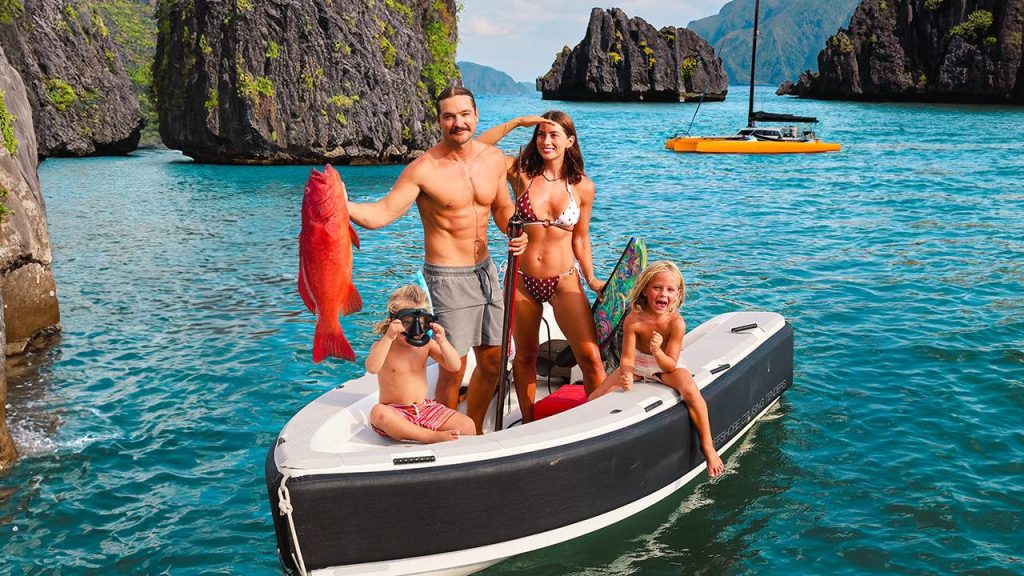
On a personal level, the news carries a quiet sadness. Not because La Vagabonde, Riley and Elena are famous, but because of what La Vagabonde represents. Following La Vagabonde helped push our family onto the water. It helped turn curiosity into commitment – selling up on land and a very strong commitment to living aboard our boat.
La Vagabonde may be moving on, but her influence remains.
And for many of us, that influence will outlast the boat herself.
Catch the whole YouTube, click through here.
After publication, this article was updated to reflect that there was never any structural damage to the vessel.