Fisheries New Zealand has opened public consultation on the future of commercial landing rules for pelagic sharks, inviting feedback on whether an existing exception should remain in place.
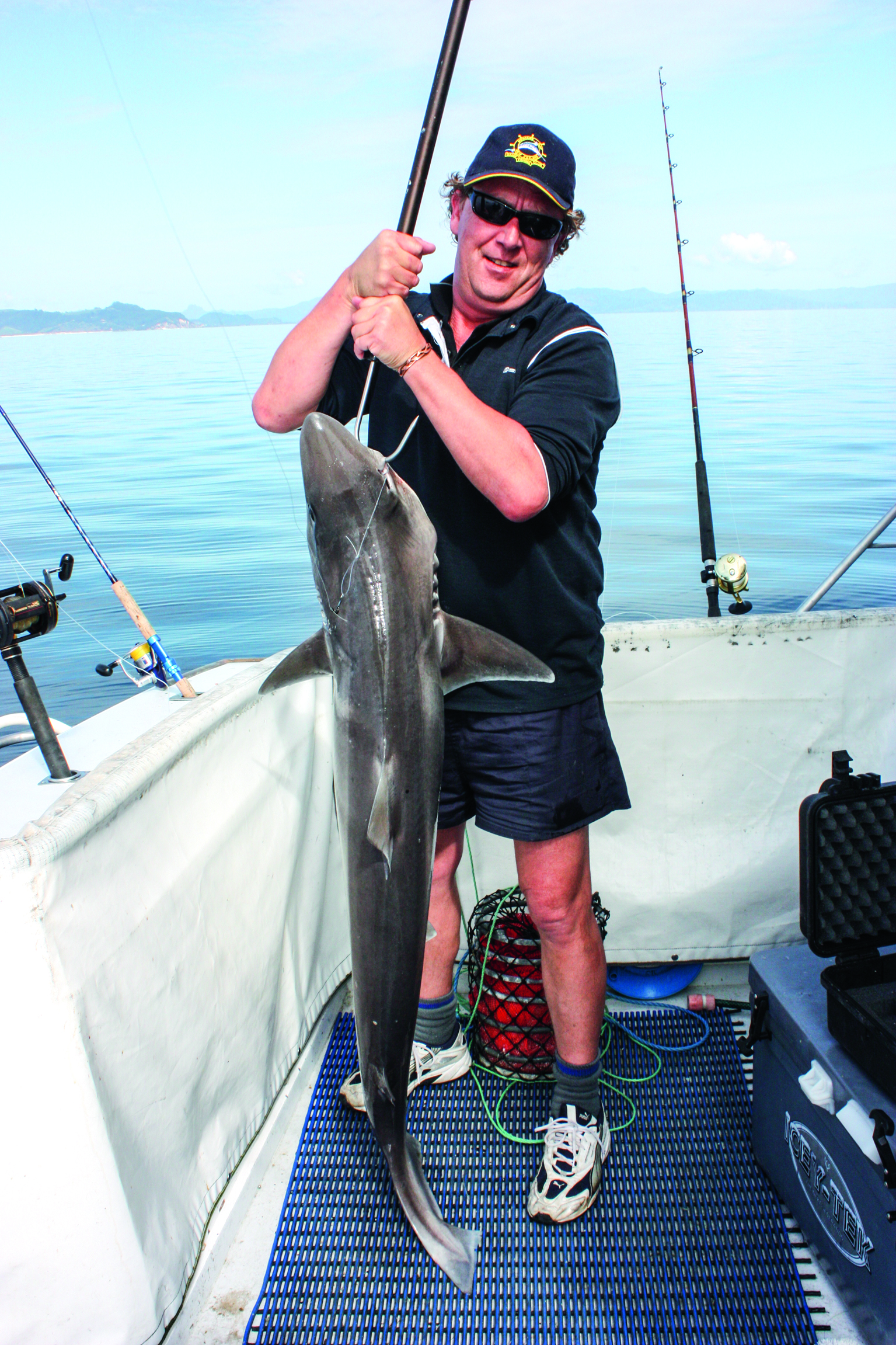
The review covers blue shark, mako shark, and porbeagle shark, species that sit within the Quota Management System but are most often caught unintentionally as bycatch. Under normal fisheries rules, all quota-managed species must be landed. However, for many years, pelagic sharks have been subject to a specific exception under section 72A of the Fisheries Act.
That exception allows commercial fishers to return pelagic sharks to the sea, whether alive or dead, provided the catch is still balanced against annual catch entitlement or incurs deemed values.
Why the exception exists
Fisheries New Zealand says pelagic sharks present unique handling and storage challenges at sea. After death, these species ammoniate quickly, releasing compounds that can spoil other fish stored on board. This creates a risk of cross-contamination, particularly on smaller vessels with limited hold space.

Pelagic sharks are also large, powerful animals. Handling them on deck can pose safety risks to crews, especially on surface longline vessels operating in open water. In many cases, separating sharks from other catch without damaging fish or putting crew at risk is impractical.
Because of these factors, the landing exception has been retained across successive fisheries management reviews.
What is being proposed
The current consultation proposes continuing the existing exception largely unchanged. Fisheries New Zealand is not seeking to expand catch allowances or introduce new fishing rights. Instead, the proposal would maintain current practice while ensuring all returned sharks are still accounted for within the quota system.
According to Fisheries New Zealand, catch data shows pelagic shark captures remain well below total allowable commercial catch limits and that the species are rarely targeted deliberately.

Live sharks that are likely to survive may continue to be released under existing rules. Fisheries New Zealand notes that broader settings around live release practices may be considered separately in future work programmes.
Opportunity for public input
Although the proposal maintains the status quo, the Fisheries Amendment Act 2022 requires a formal consultation process. Fisheries New Zealand is seeking views from commercial operators, iwi, environmental organisations, recreational fishers, and members of the public.
Some iwi fisheries management plans recognise sharks as culturally significant species. Others may wish to comment on animal welfare, waste minimisation, or how bycatch rules operate in practice.
Submissions do not need to be technical. Fisheries New Zealand has provided a submission template, but individuals may also submit feedback in their own words.
How to make a submission
Consultation opened on 29 January 2026 and closes at 5pm on 27 February 2026.
Submissions can be emailed to FMSubmissions@mpi.govt.nz or posted to Fisheries New Zealand in Wellington. Submissions are treated as public information and may be released under the Official Information Act.
For boaties with an interest in fisheries management, bycatch handling, or how commercial rules intersect with sustainability and safety at sea, this consultation provides a clear opportunity to contribute.