For over two decades now, Maritimo has distinguished itself in the global boating market by adhering to a simple, yet uncompromising design doctrine. Namely, build vessels for the ocean first, and then everything else second. Ocean prowess by definition itself!
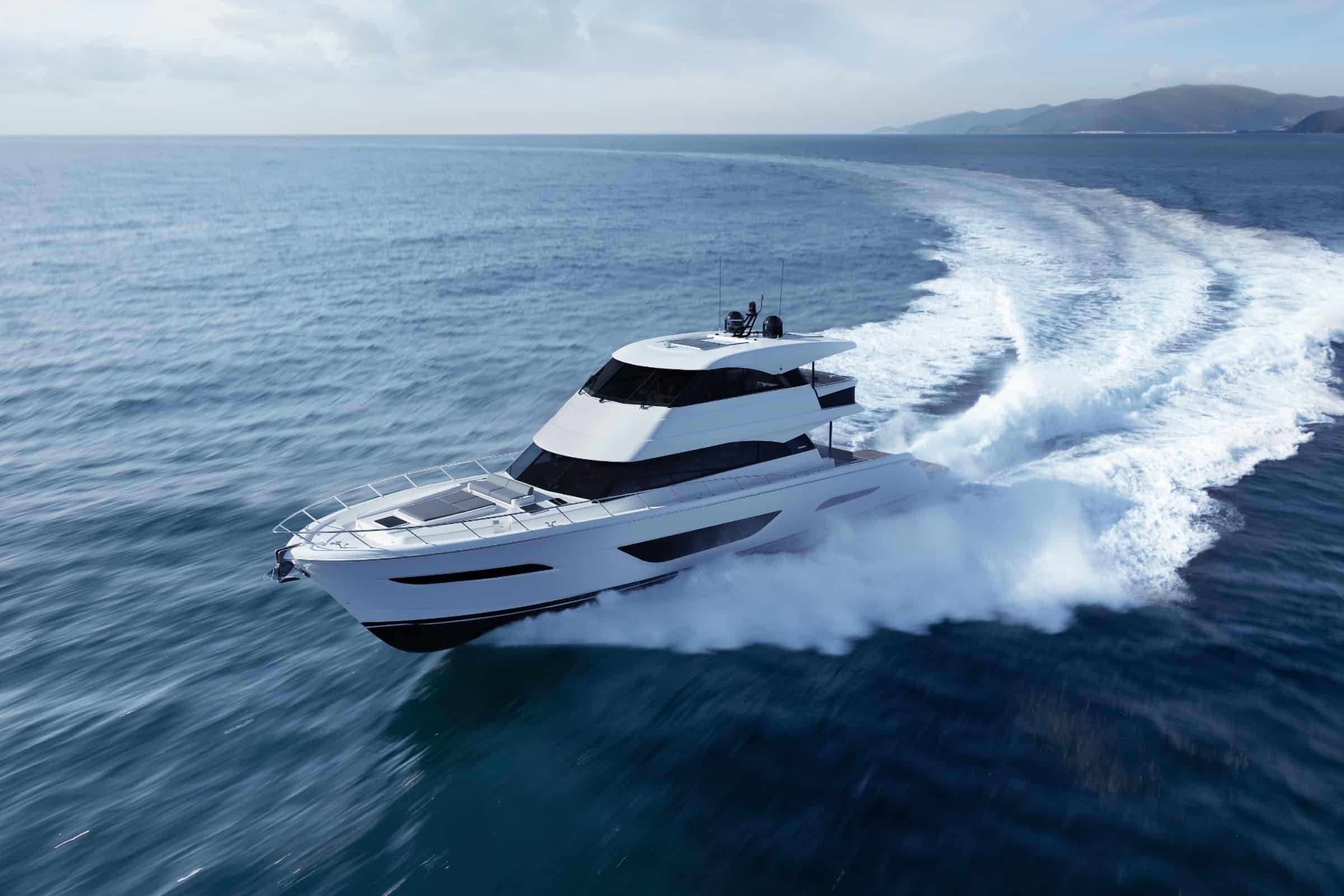
While many luxury motor yachts prioritise lifestyle features or aesthetic presence, Maritimo’s design DNA is grounded in seaworthiness, structural integrity, long-range capability, comfort, style, and practicality. Behind this philosophy sits a team of designers and engineers who understand that ocean travel demands resilience, redundancy, and a holistic approach to design integration.
Under the guidance of Maritimo’s Founder and Chairman Bill Barry Cotter and Senior management, the Design Team, lead by Neil McCabe, are tasked to address every new model added to the company’s highly regarded fleet. McCabe’s insights offer a rare glimpse into the methodology that shapes Maritimo’s luxury motor yachts. Vessels engineered to deliver safety, visibility, comfort, and longevity in some of the world’s most demanding conditions.

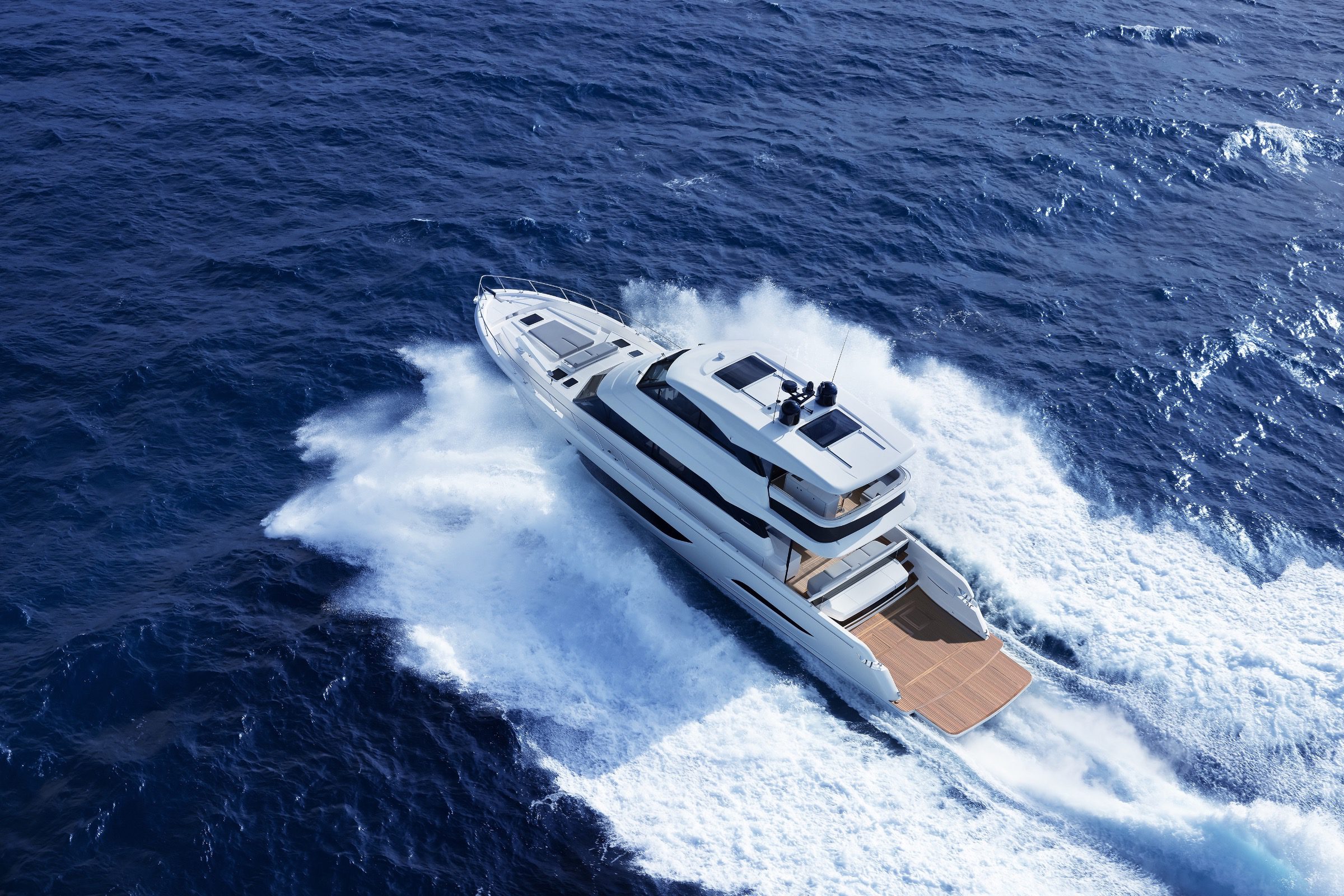
So, just what are Maritimo’s engineering principles, construction methods, and performance attributes that inform each hull, structure, and system that deliver the world renowned, and definitive long-range, blue water cruiser?
The enclosed flybridge: a foundational philosophy
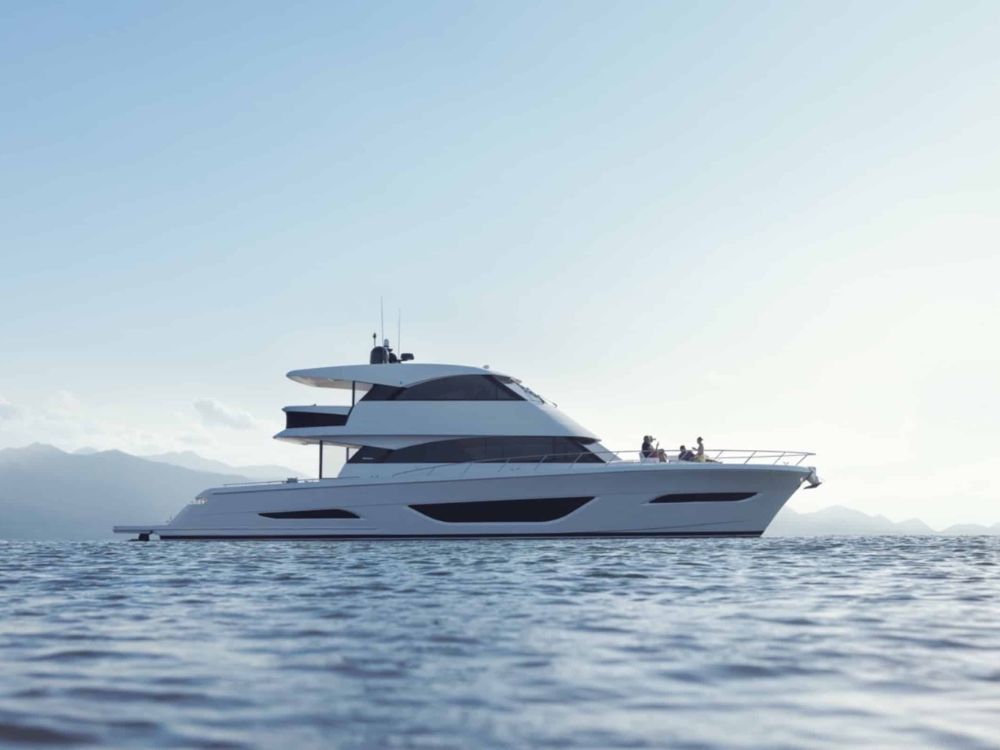
Maritimo’s enclosed flybridge is not just a styling choice, it is one of the central pillars of the company’s offshore capability. McCabe is unequivocal about the importance of this design feature.
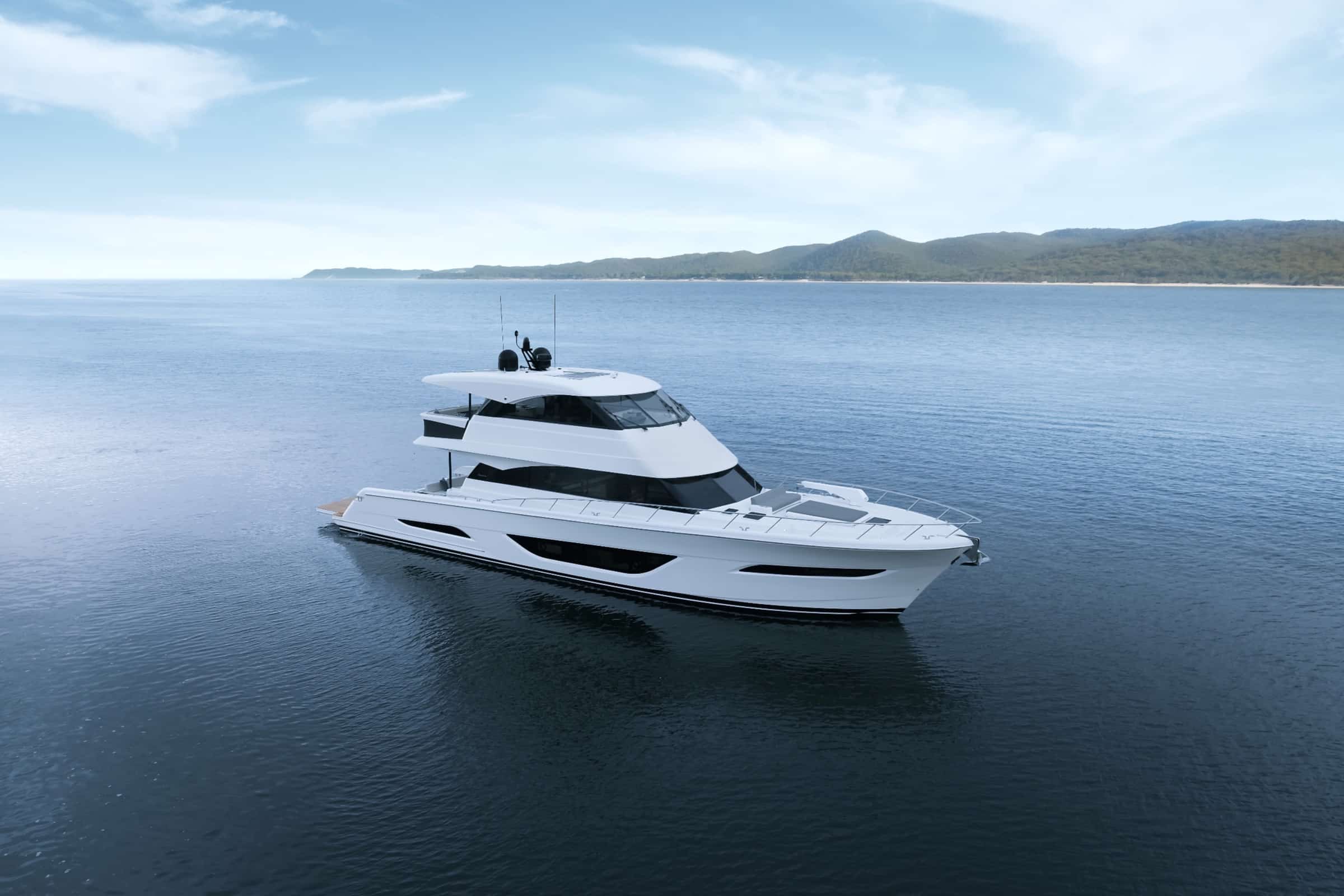

“Over two decades ago we pioneered the enclosed bridge, with an elevated helm position, so maximum visibility whilst driving,” he explains. “It also gives you a very safe, luxurious place for all those passengers on board.
Visibility and protection are inseparable in Maritimo’s design thinking. For a skipper managing long-distance passages, rapidly changing weather systems, or challenging coastlines, situational awareness is paramount. A raised, forward helm enclosed in glass provides the broadest possible view while maintaining comfort and protection from wind, spray, and temperature extremes.
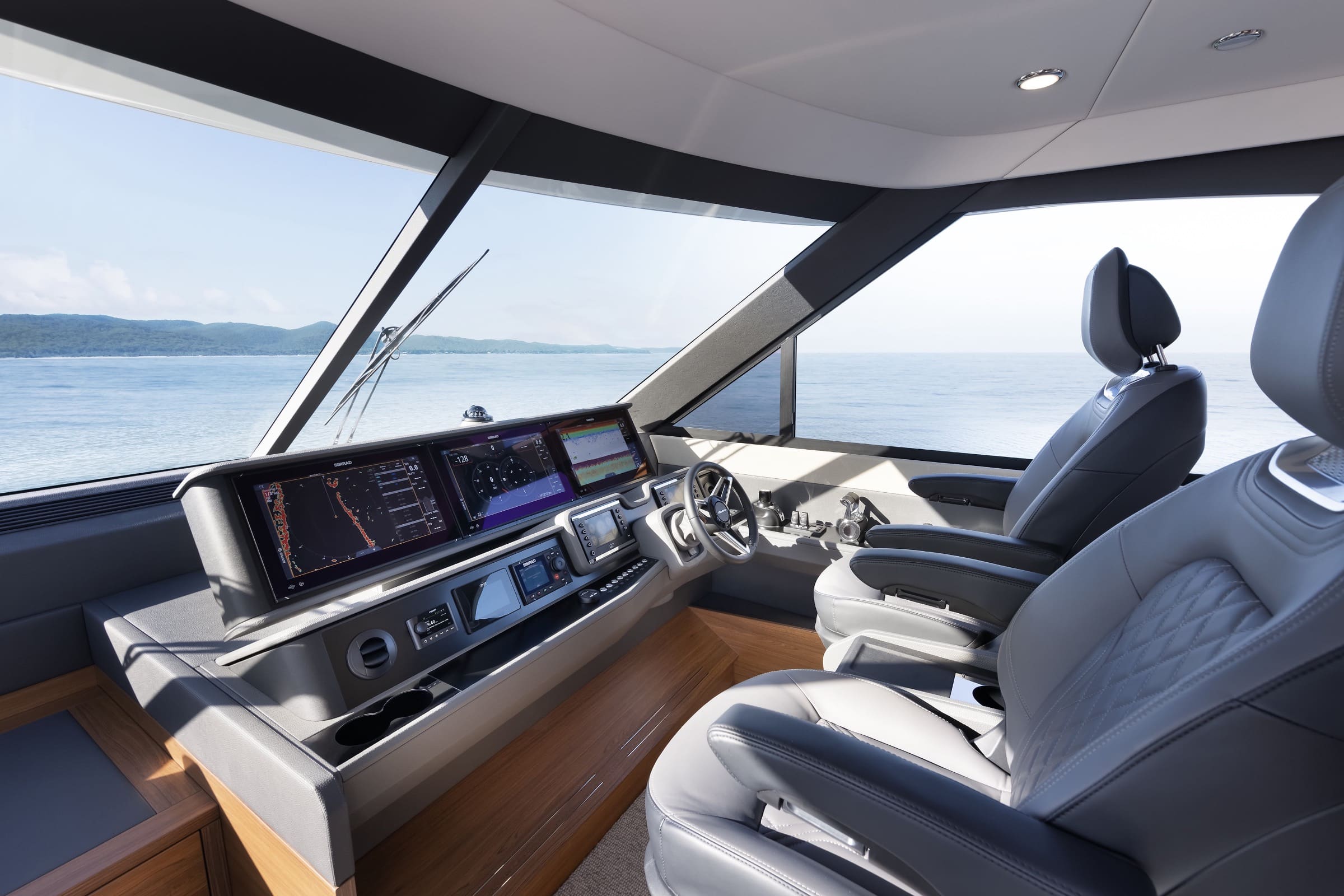
“Additionally, we keep these spaces quiet, so as to reduce fatigue, and allow for discussions at normal conversation levels. Noise reduction is a key element throughout the accommodation spaces and selecting the correct insulation for the job is critical to the outcome.”
Maritimo’s internal staircase, wide side-decks, and high external railings further support safe movement throughout and around the vessel either at anchor, or underway in heavy seas.
Hull form: proven geometry meets iterative refinement
Every Maritimo hull reflects a balance between fine forward entry, and increasingly sophisticated planing geometry. These are not one-off decisions. Each optimisation is the result of years of data, testing, and generational refinement.
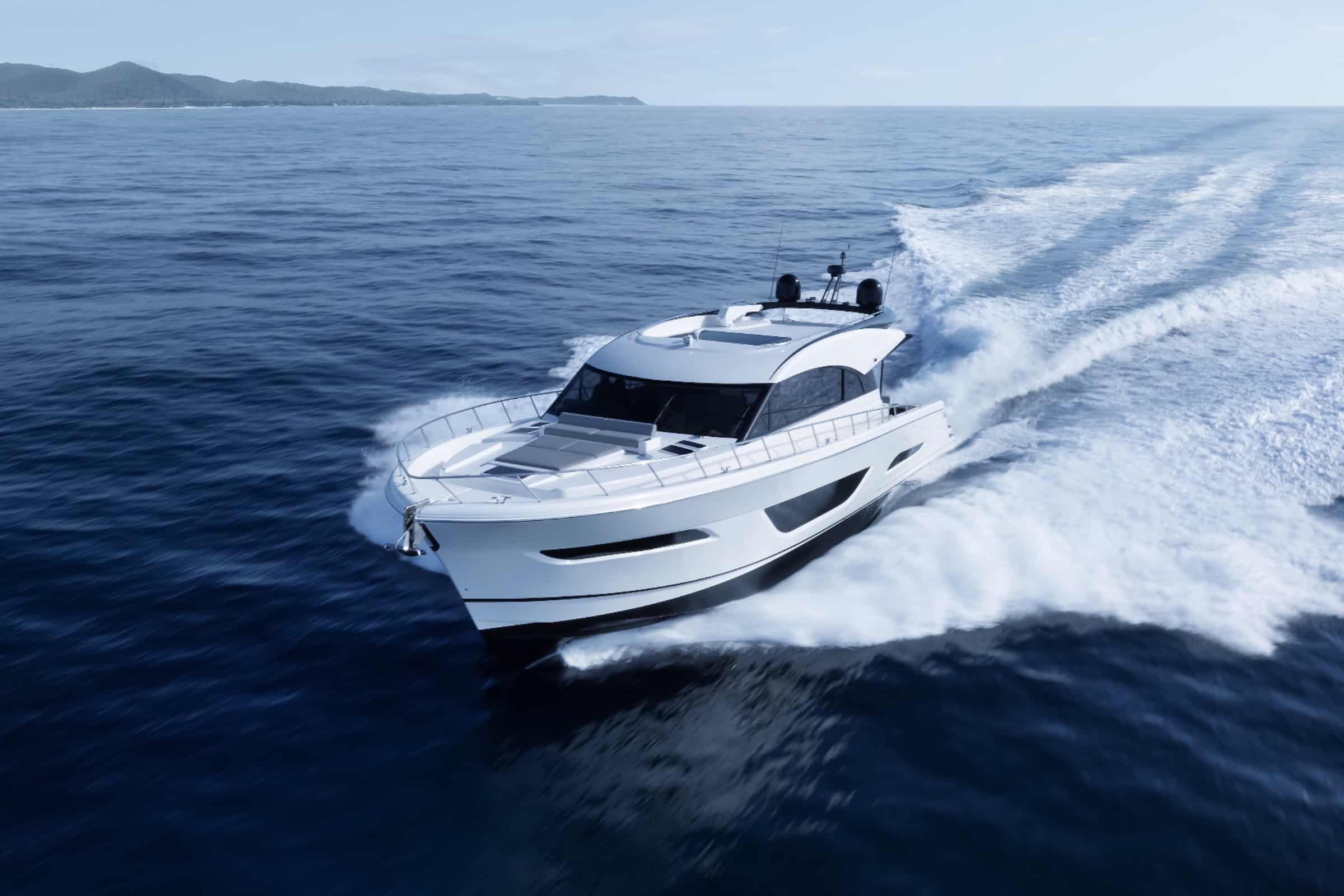
“Maritimos are a proven form that have been built with years and years of experience. It is in the shape, and then also the position of the heavy masses like engines, fuel, and batteries. A smooth, comfortable, and refined running configuration delivers efficiency and performance.”

From the aggressive rake at the bow to the flattened aft running surface, Maritimo hulls are designed for efficient planing, reduced drag, and predictable behaviour in varied sea states. Spray rails and chines are engineered to keep the vessel dry and balanced, reducing yaw, roll, and slamming, which are critical factors for comfort on long passages.
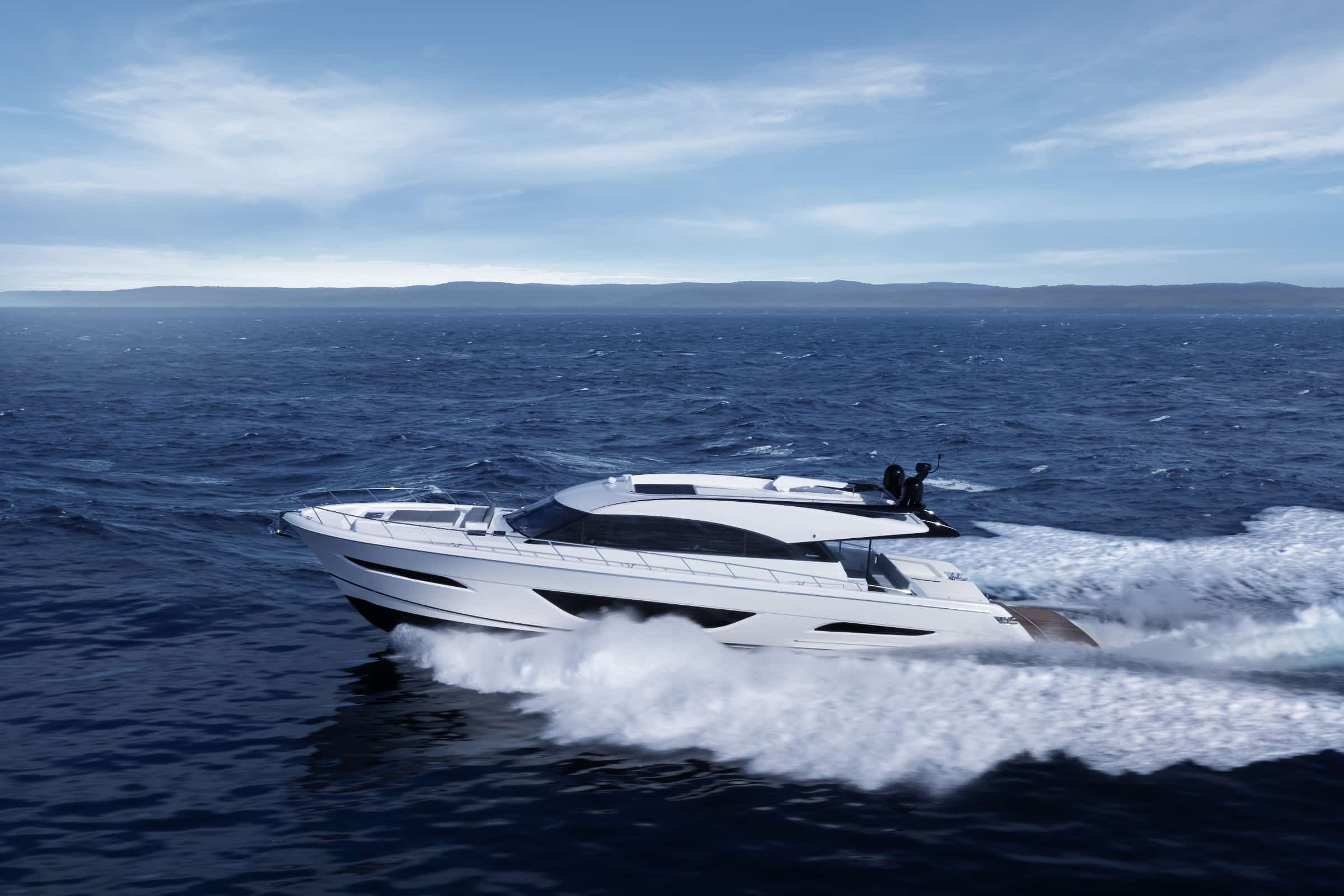
The hull’s deadrise transitions are optimised to balance stability at rest with performance underway.
This interplay of geometry and weight distribution is one of Maritimo’s competitive advantages. It is also the outcome of a design culture that views each vessel not as a static product, but as a platform for continual refinement based on accumulated real-world knowledge.
A structural system built for the sea, not the marina
Many a boatbuilder focusses on aesthetic refinement and luxury finishes. Maritimo certainly achieves those, but only once the vessel’s underlying structure meets the company’s strict seaworthiness criteria.
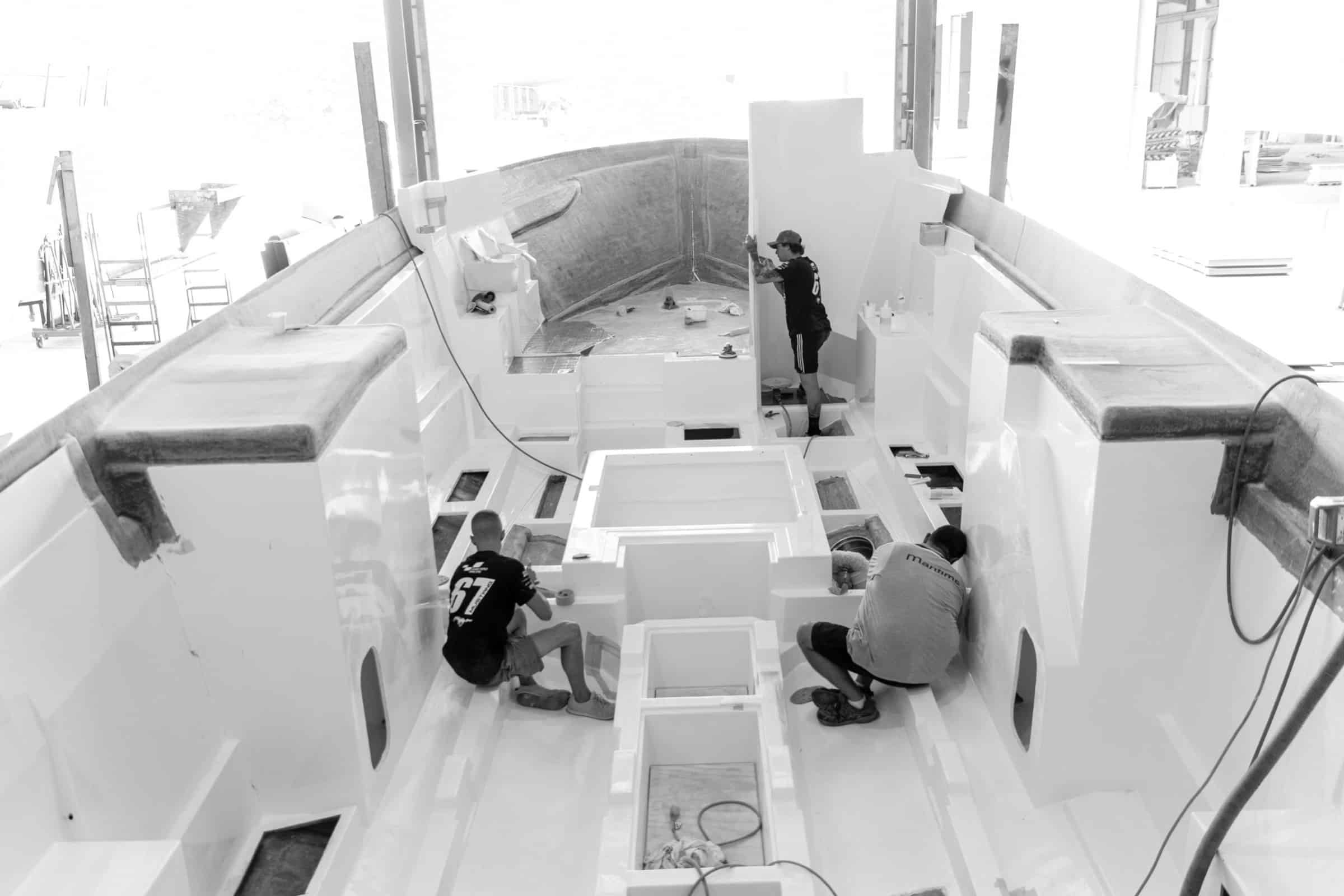
Central to this is the brand’s patented structural liner system.
“We do an engine-room liner and take it all the way through, incorporating the fuel tanks, the accommodation, and the structural area of the hull,” McCabe explains. “The main structure is a fibreglass liner, which then gets glassed to the hull skin to deliver monocoque level strength and rigidity.”
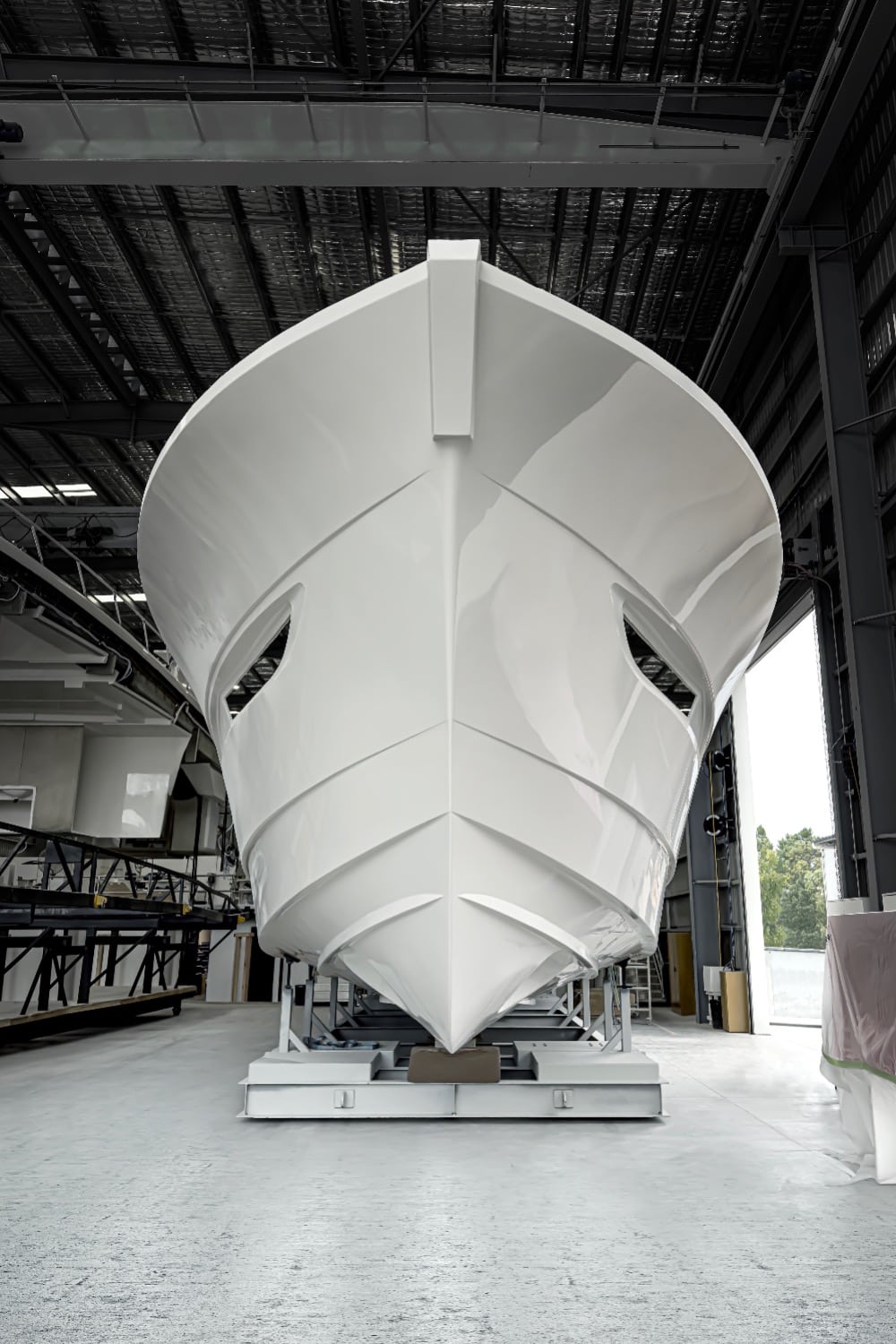
In essence, this method of creating a unitary structure eliminates the traditional reliance on multiple independent bulkheads, stringers, and frames. Instead, the hull and liner are bonded chemically as well as mechanically, forming a single integrated structure. “You get a better connection between all the pieces, and also, operator facing areas are finished in gloss gelcoat.”
The overall advantages can be categorised as thus:
- Exceptional strength and rigidity for handling offshore conditions
- Reduced risk of structural creaks, shifts, or failures over time
- Improved safety through watertight compartmentalisation
- A clean, maintenance-friendly engine room finished in gelcoat rather than exposed timber or secondary coatings
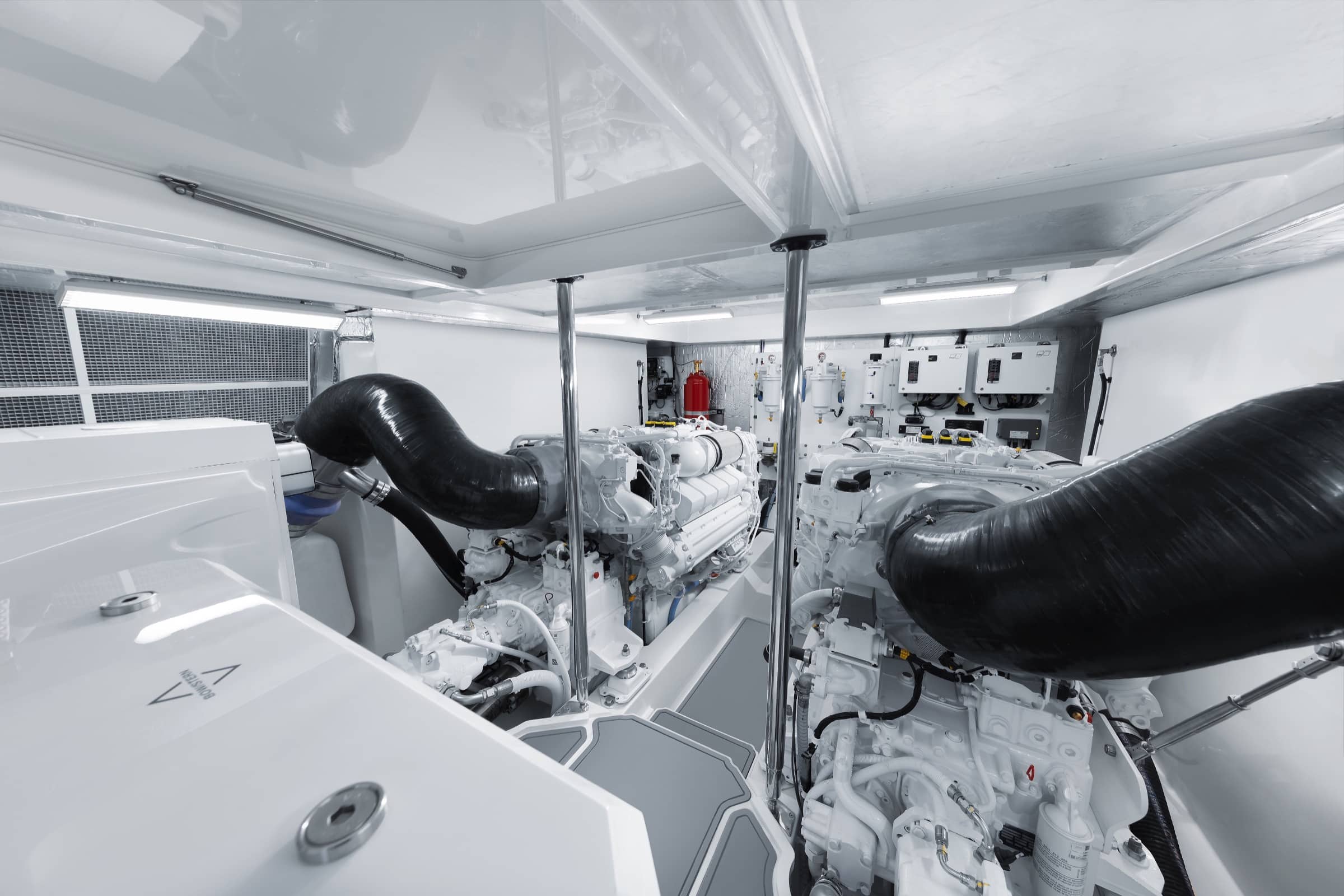
Maritimo’s fuel tanks are also structurally integrated. “The fuel tanks are glassed to the hull, so that they are robust, and offer enhanced capabilities for containing fuel safely under heavy offshore loads.”
Glass, compliance, and the pursuit of safety
Glass thickness and window integrity are among the most critical safety elements in any ocean-going motor yacht, especially in the modern era with the opening up of hulls for larger ports and superstructure to allow even more light in.
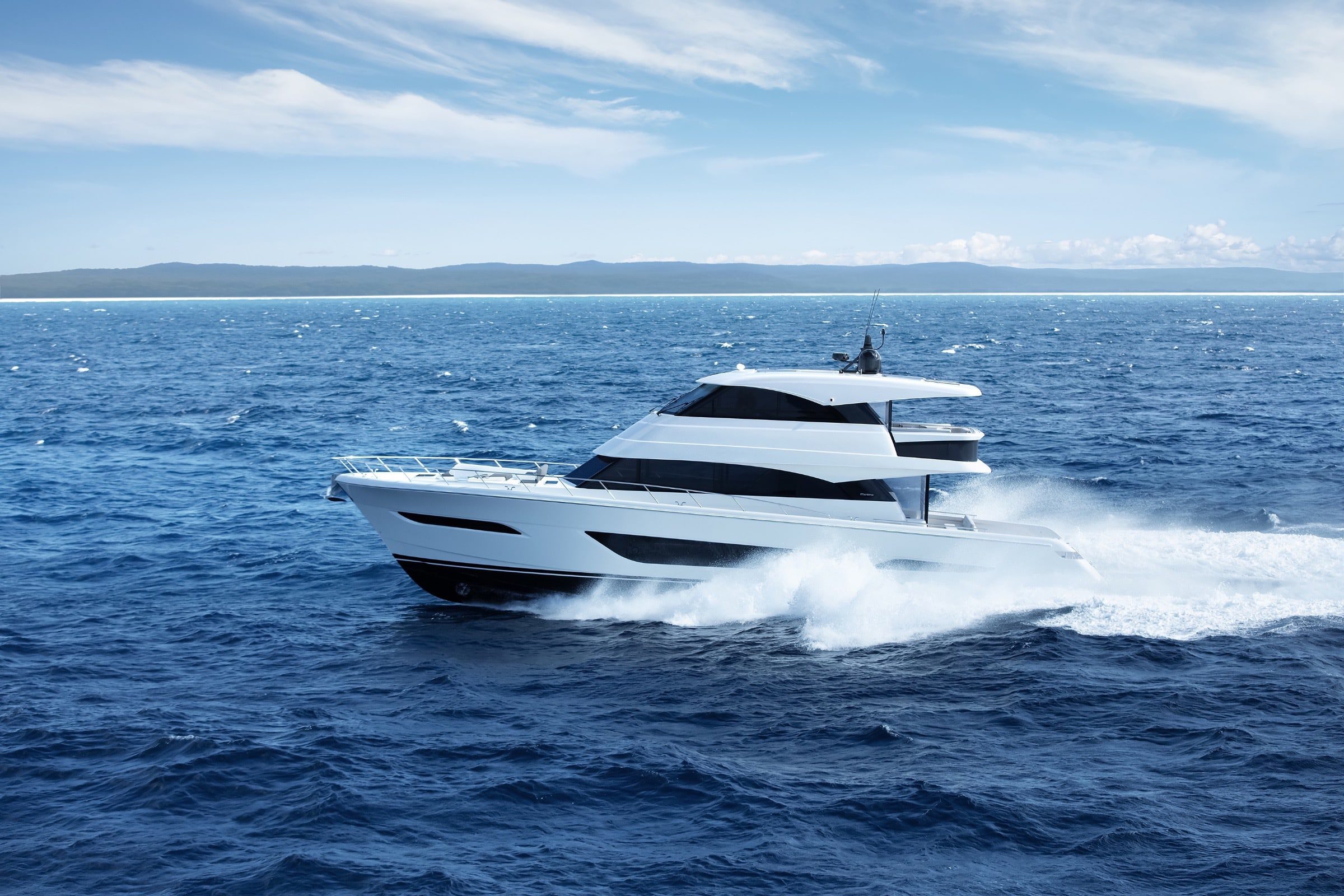
Maritimo takes these requirements seriously, designing to exceed, not just simply meet, global regulatory standards. “We make sure we comply with CE and NMMA regulations, and we go over and above the minimum requirement,” McCabe said. “By way of example, on our 75s, the laminated glass on the hull window ends up being 26.3 millimetres thick.”
This is a direct response to the realities of offshore voyaging: green water impact, wave loading, and the potential for collision. Building to the strictest international standards ensures that a Maritimo can operate safely across multiple jurisdictions without modification.
The design also emphasises watertight integrity through sealed compartments and isolated bilge zones. According to Neil, this is both a safety measure and a compliance requirement.
Many luxury builders might discuss safety; Maritimo engineers it into the core of the vessel.
Power systems, reliability, and long-range purpose
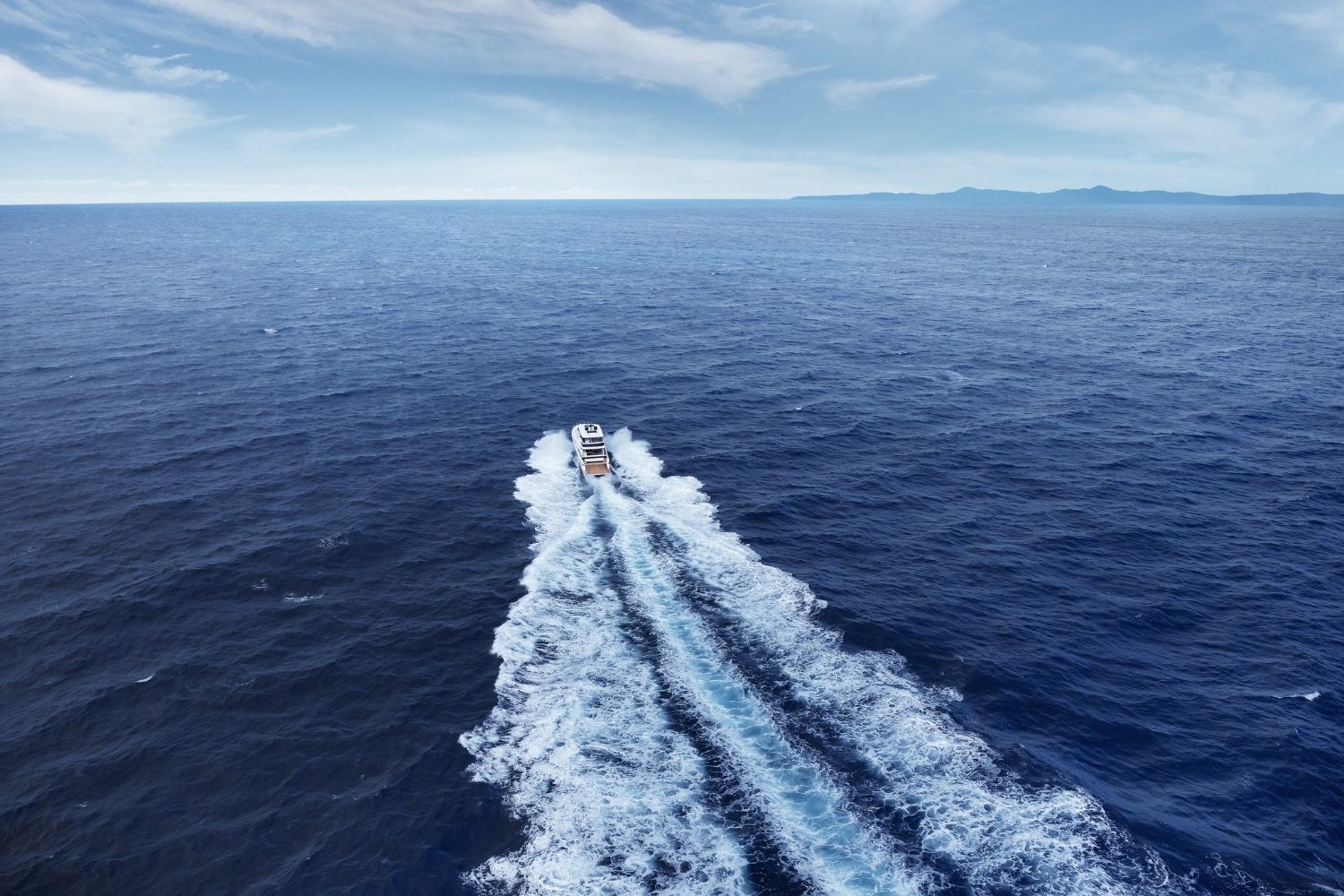
Ocean passages require more than structural strength. They demand reliable, redundant systems that perform when isolated from services back in port. For Maritimo owners, who regularly travel remote coastlines around Australia, New Zealand, the Pacific Islands, USA, the Caribbean and beyond, system reliability is non-negotiable.
Designing for comfort: because offshore travel should be enjoyable
Ocean-capable design is not only about strength, power, and compliance. It must also support comfort over long distances. Noise mitigation, thermal insulation, climate control, and onboard amenities are therefore essential elements of Maritimo’s design strategy.
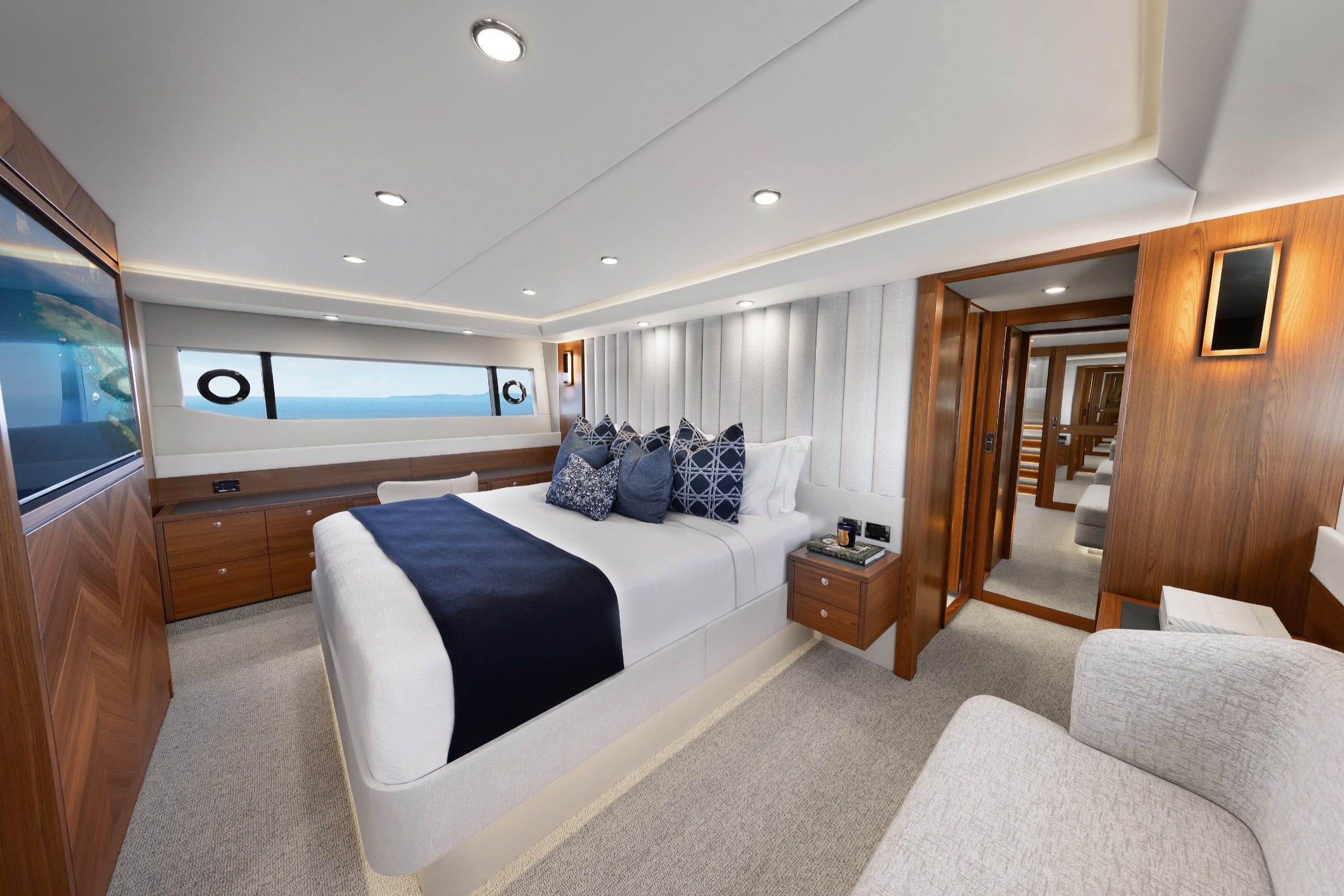
This philosophy extends to air-conditioning, appliance integration, and the seamless inclusion of amenities that mimic home. These elements ensure that even extended passages remain enjoyable, not fatiguing. The result is a vessel that supports extended time at sea, without sacrificing modern living standards.
Balancing speed, stability, and purpose
Maritimo customers typically prioritise stability, comfort, and efficiency over outright top-end speed. Continuous cruising pace is far more the benchmark when considering this delicate balance. Usually, this comes from having done the kinds of nautical miles a Maritimo is created for in the first place.”
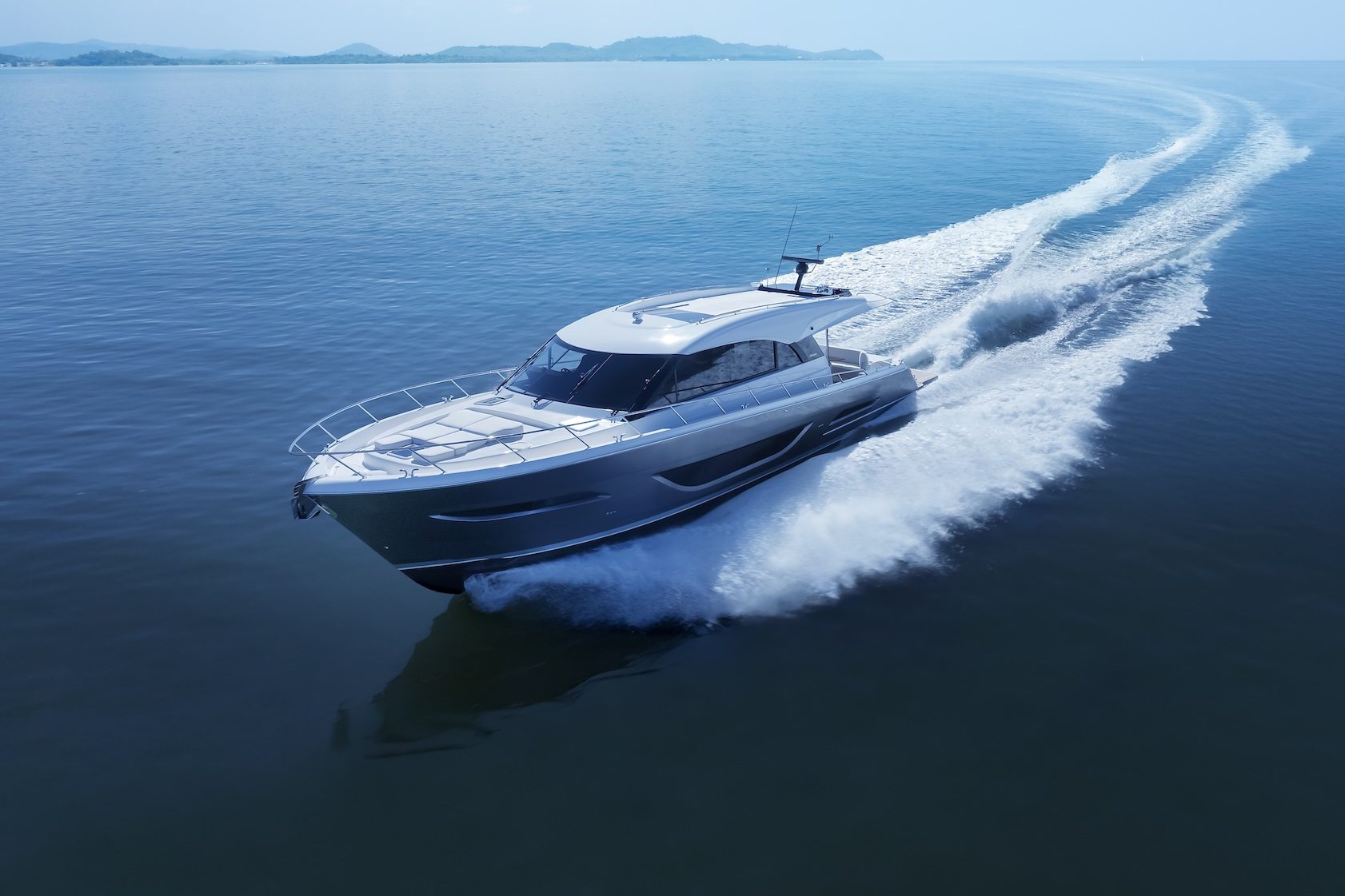
A legacy of ocean-first thinking
Perhaps the greatest testament to Maritimo’s thinking is its consistency over time. The company has never pursued trends that conflict with seaworthiness or reliability. Instead, it has refined and strengthened the principles that have underpinned its identity from the beginning.
It’s a culture that sees every vessel as a holistic system, where structure, performance, safety, and comfort are all interconnected. Each design decision is informed by ocean realities, not marketing narratives. Serious passage-making rules the day.