The Auckland Wooden Boat Festival has completed its boat selection process for the 2026 event, confirming a wide and historically significant fleet that reflects the depth of New Zealand’s wooden boat heritage.
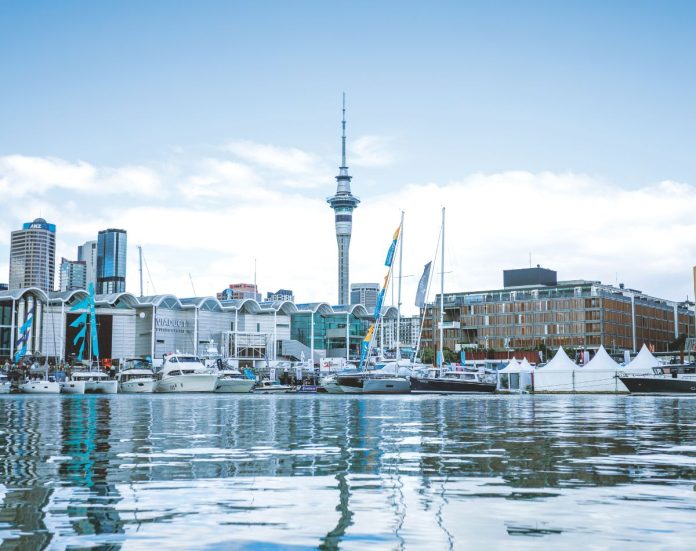
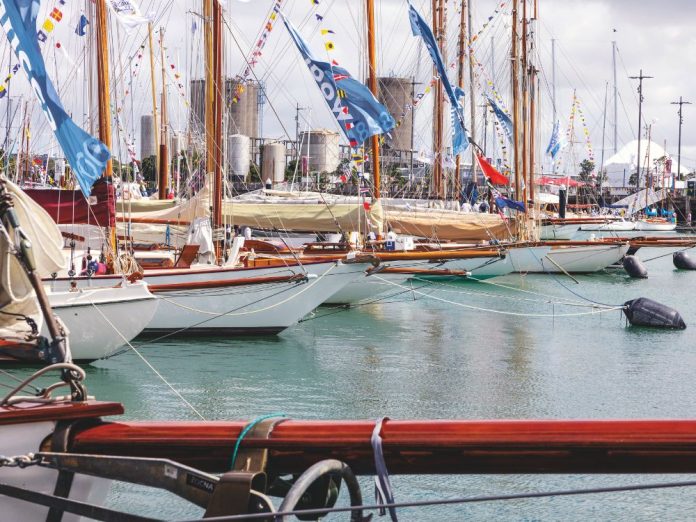
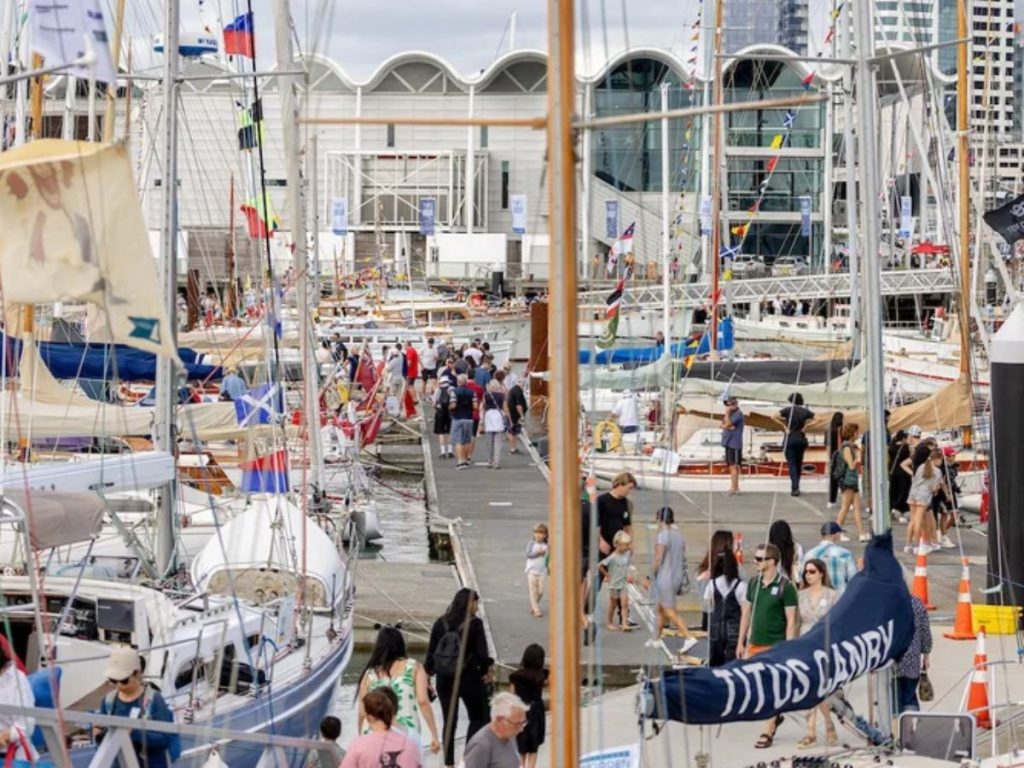
The 2026 Auckland Wooden Boat Festival will be held from 13 to 15 March as part of the wider Moana Auckland programme, returning to the Viaduct Events Centre, Jellicoe Harbour, and Wynyard Wharf. Across the three days, organisers are preparing to host more than 110 boats on the water and a further 80 vessels on land. Inside the Viaduct Events Centre, over 60 model boats will be displayed, alongside exhibitors, hands on activities, and a two day seminar programme, with full details to be released shortly.
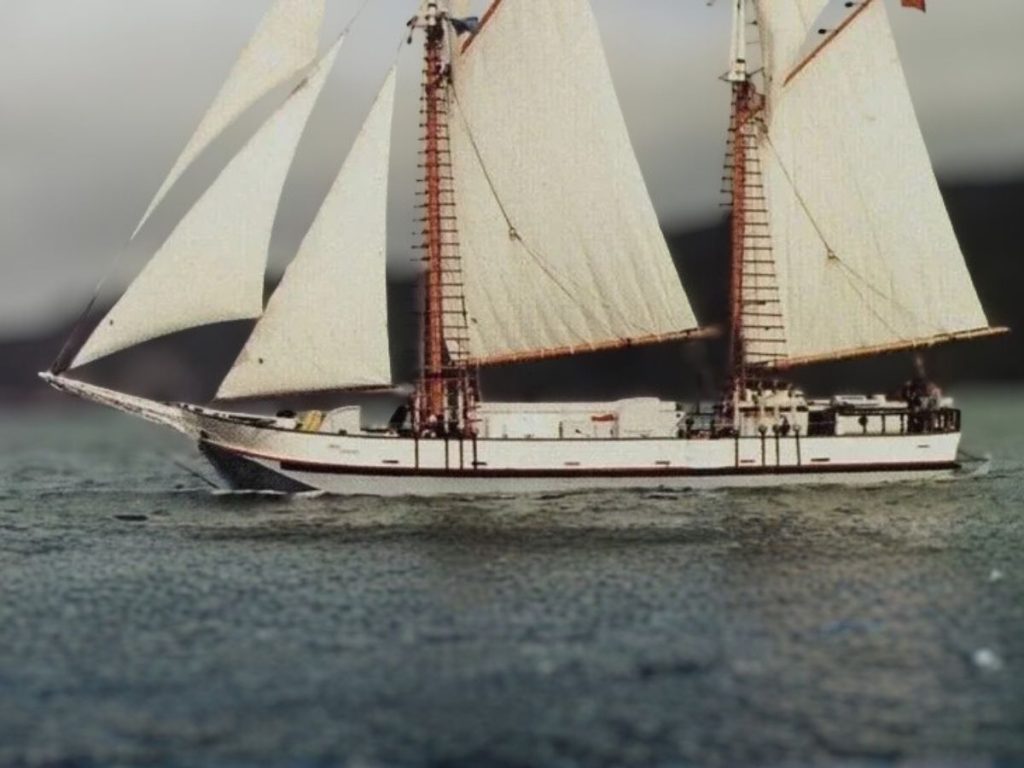
Among the most notable confirmations are two of New Zealand’s most recognised scows, Jane Gifford and Ted Ashby, which will both be present at the festival. Their appearance offers a rare opportunity to see these flat-bottomed working vessels together and to reflect on the role scows played in shaping New Zealand’s coastal economy.

Developed in the late 1800s, the New Zealand scow evolved as a practical response to the country’s shallow harbours, river mouths, and shifting sandbars. With flat bottoms, leeboards instead of deep keels, and wide decks for cargo, scows became the workhorses of early coastal trade. At a time when roads were sparse and rail networks incomplete, they carried timber, stone, sand, gum, and farm produce, often beaching at low tide to load and unload directly from the shoreline. Restored vessels such as Jane Gifford and Ted Ashby remain closely woven into New Zealand’s maritime identity.
Also confirmed is Vega, an 80 year old ketch with a unique place in New Zealand’s modern history. Built in Whangārei and launched in 1949, Vega later became known internationally through its involvement in environmental and peace activism. Over several decades, and often operating as Greenpeace III, the vessel took part in protests against nuclear testing, whaling, and other environmental causes, including direct action voyages in the Pacific and beyond. Its presence at the festival adds a different dimension to the traditional wooden boat story, linking craftsmanship with social and political history.
https://www.aucklandwoodenboatfestival.co.nz/stories/the-life-amp-times-of-vega-small-boat-big-heart
The fleet will also include clinker dinghies, lake boats, canoes, small sailing craft, and the return of the A class yacht fleet. A live wooden boat build will run during the festival, providing visitors with an opportunity to see traditional skills in action.
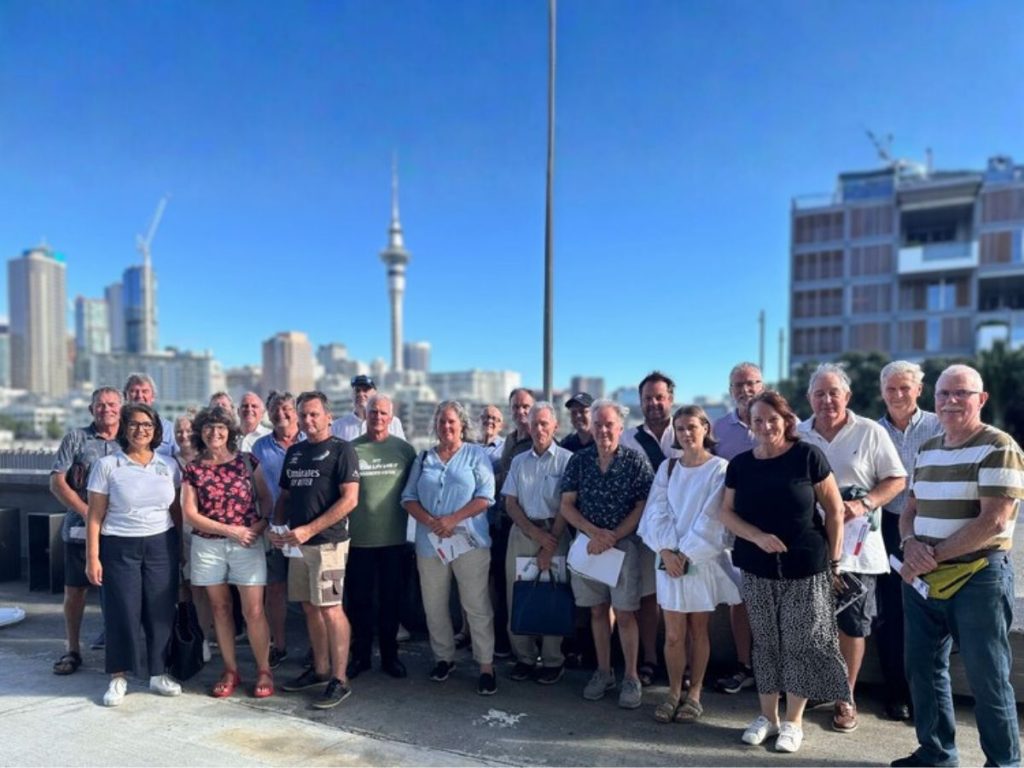
Behind the scenes, the festival committee has spent the past fortnight reviewing Expressions of Interest. With more boats offered than available space, not all applicants could be accommodated. Boat owners have now been advised whether they have secured a confirmed berth or have been placed on a waiting list.
The Auckland Wooden Boat Festival team has acknowledged the strong support shown by the wooden boating community, noting that Jellicoe Harbour will once again be transformed into a dense marina of historic craft.
Further announcements, including seminar details and individual vessel profiles, will be released in the lead up to the event.