
Why is it a problem?
Know the difference and help protect our best boating spots!
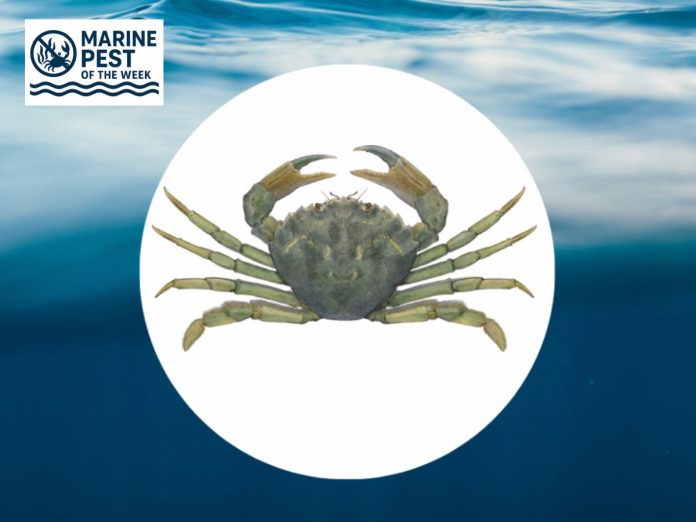
In its introduced range, the Chinese mitten crab can reach very high densities. It has a broad diet and may compete with native species for food and habitat. The sub-adult crabs burrow extensively into river banks increasing the rate of erosion and can even cause levels to fail. The mass migrations can also be a nuisance to fishers through consuming fishing bait and fish caught in nets. The Chinese mitten crab is also an intermediate host for the Oriental lung fluke (Paragonimus westermani) that can infect humans if they consume raw or under-cooked individuals.
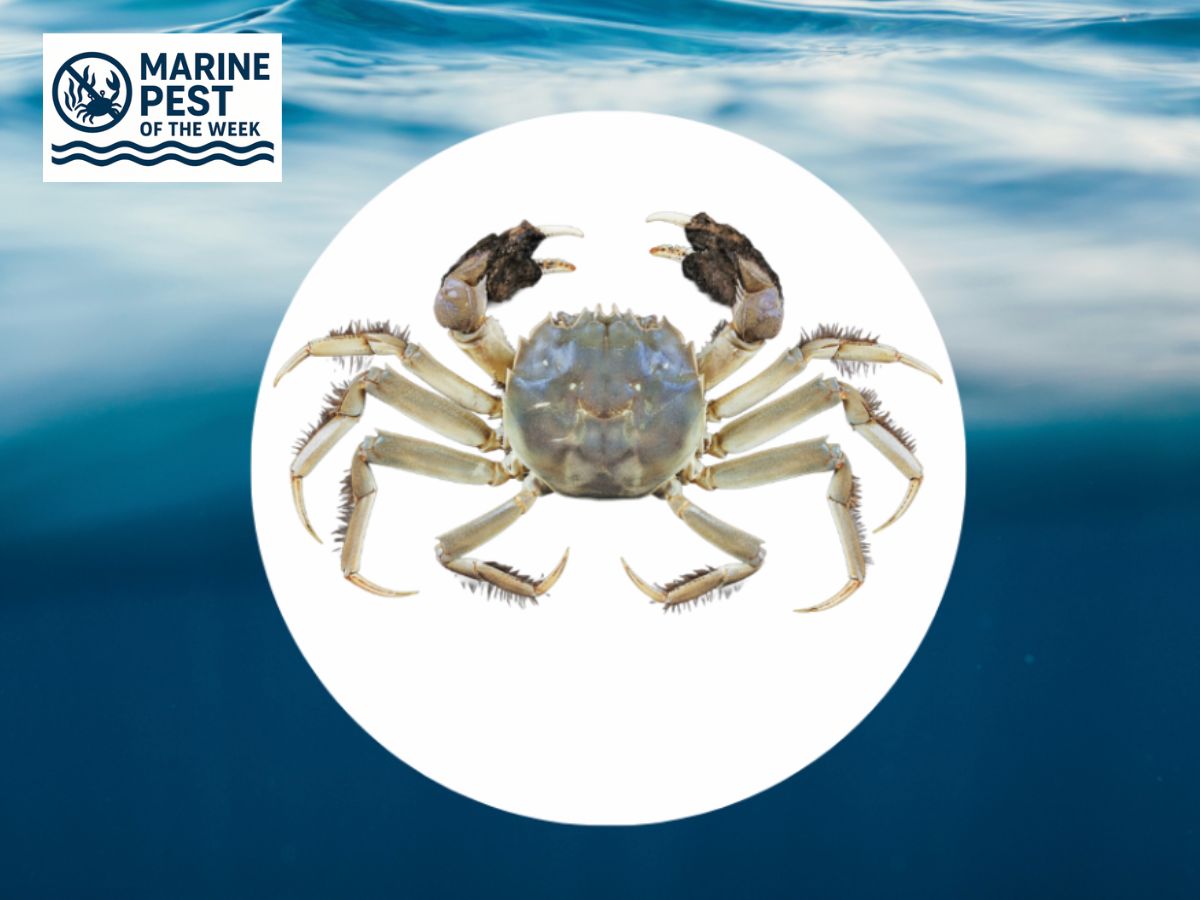
How to identify this species:
- Brown-orange to greenish-brown in colour
- Round body with four spines down each side
- A distinctive notch between the eyes and legs
- Legs normally twice as long as its body width
- Adults have dense patches of hairs (“mittens”) on both claws
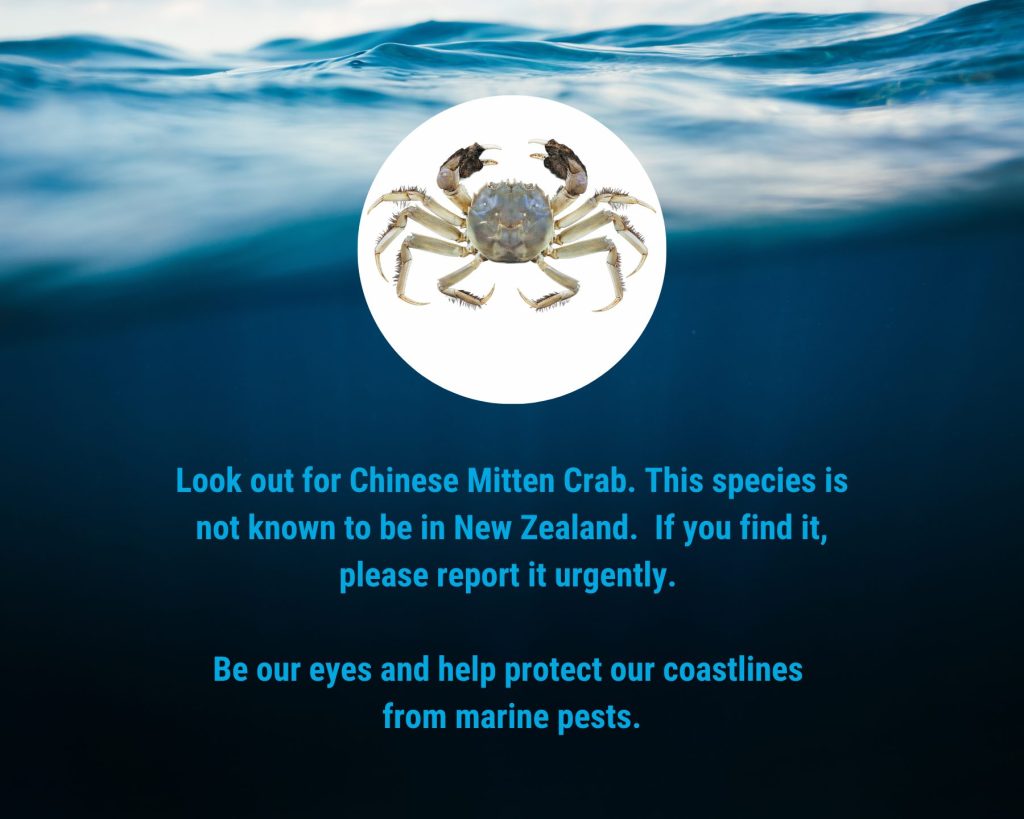
This pest is not known to be in New Zealand. If you see something suspicious, report it to the Ministry for Primary Industries.
For more information on this species visit the Marine Biosecurity Porthole.
Source: Marine Biosecurity Porthole
From the team at Clean Below? Good to Go – visit marinepests.nz to get everything you need to know about marine pests ID, boats, rules and more.