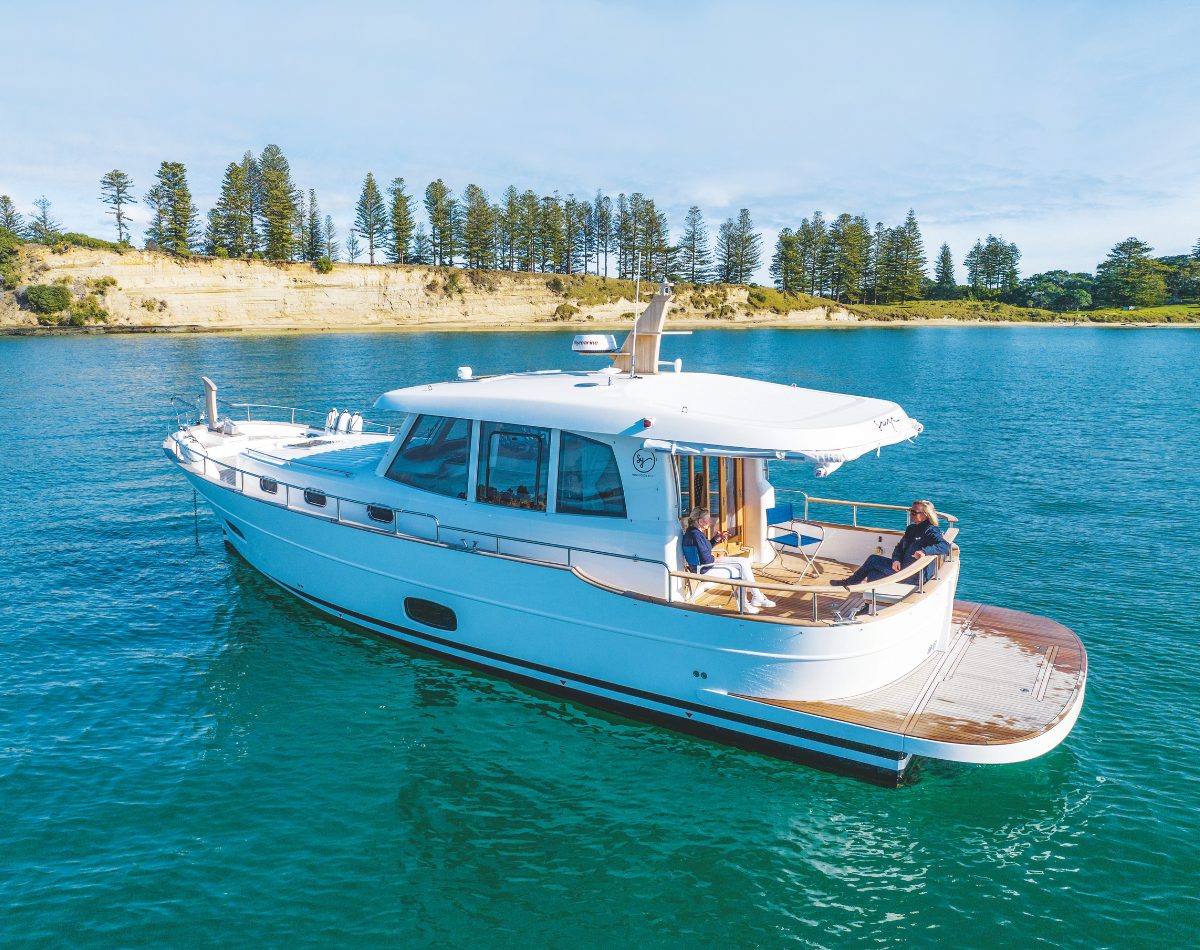
Summer is here, time to relax aboard your boat and enjoy the truly amazing water New Zealand has to offer.
These days, many vessels, from mid-size trailer boats through to almost all larger vessels, have onboard refrigeration. In recent years this has pivoted towards direct DC compressors that run one cabinet per motor unit. For larger boats that could mean multiple fridge and freezer systems.
The great thing about direct DC is that onboard refrigeration is now just the same as it has been for years at home, turn it on and simply forget about it. Your only requirement is to monitor your batteries and deal with recharging them with engine, solar, or other charging equipment.
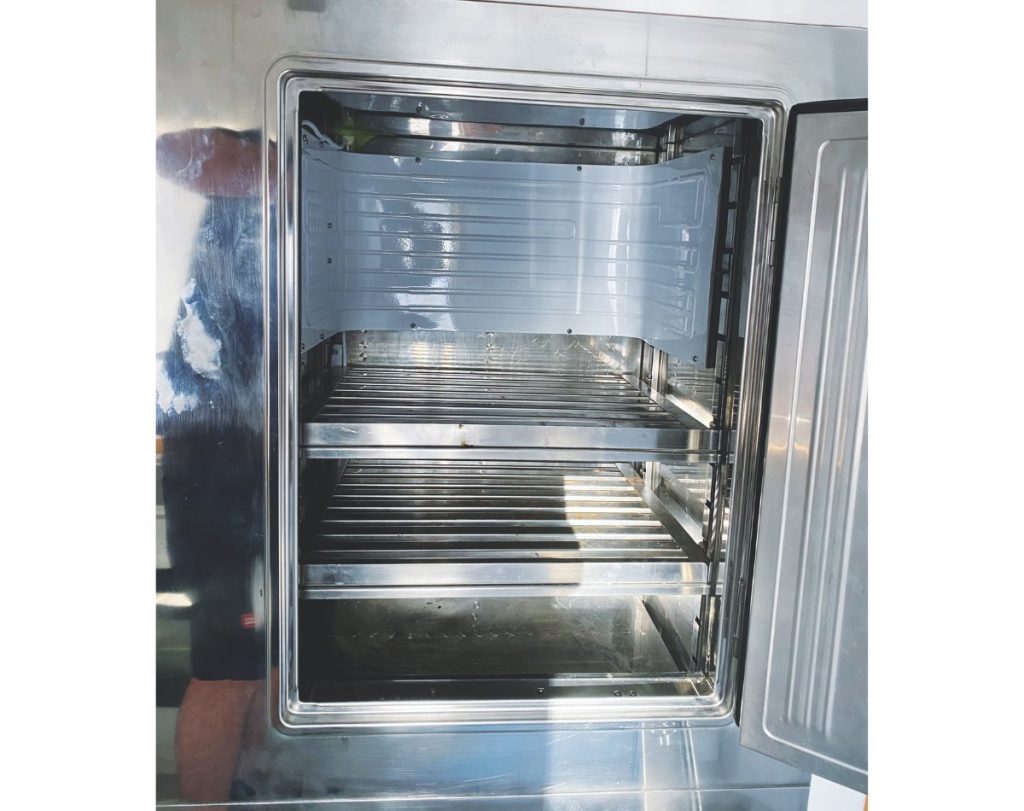
If, on the other hand, your vessel still relies on older engine-driven refrigeration technology, it may be time to consider updating your boat with a more modern system that does not require the frequent servicing that engine-driven systems do for reliable operation. It is often that last-minute call to the local marine refrigeration company to get your old system going again that leaves you wondering why a chunk of your holiday expenses has disappeared propping up a refrigeration system that needed the same attention last season.

To add insult to injury, it is now becoming difficult to service these older systems with their outdated refrigerants, worn-out compressors, and often mysterious tiny leaks that take hours to resolve. Refrigerant is not cheap, and just topping up your system is becoming a nightmare, particularly when trying to blend refrigerants with the correct oil to ensure proper performance. A few kilos of low-temperature commercial refrigerant needed to recharge some generator-run systems can cost over a thousand dollars.
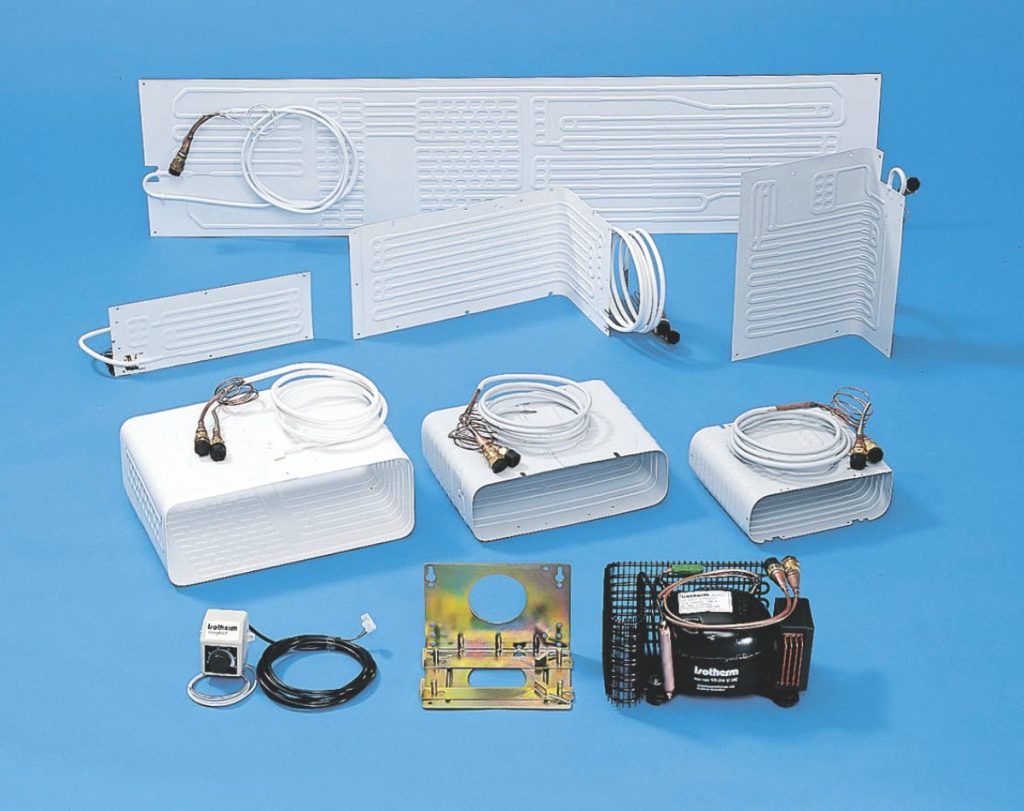
When you factor in all the above costs, you may find the expense of keeping your old refrigeration system alive is comparable to upgrading to direct DC. The other side of this is providing the power to run the refrigeration, but this is a one-off upgrade that should include alternator charging, batteries, solar and monitoring.
It is a separate field, but marine electrical companies offer so much choice, from standard batteries to high-performance lithium setups.
Upgrading to a direct DC system does take a bit of planning, but in most situations it can be undertaken by a DIY-savvy owner or your local service technician. These systems are not limited to a specialised installer, with a bit of advice and planning, boatbuilders and almost anyone else with a practical bent can install these ‘kitsets’.

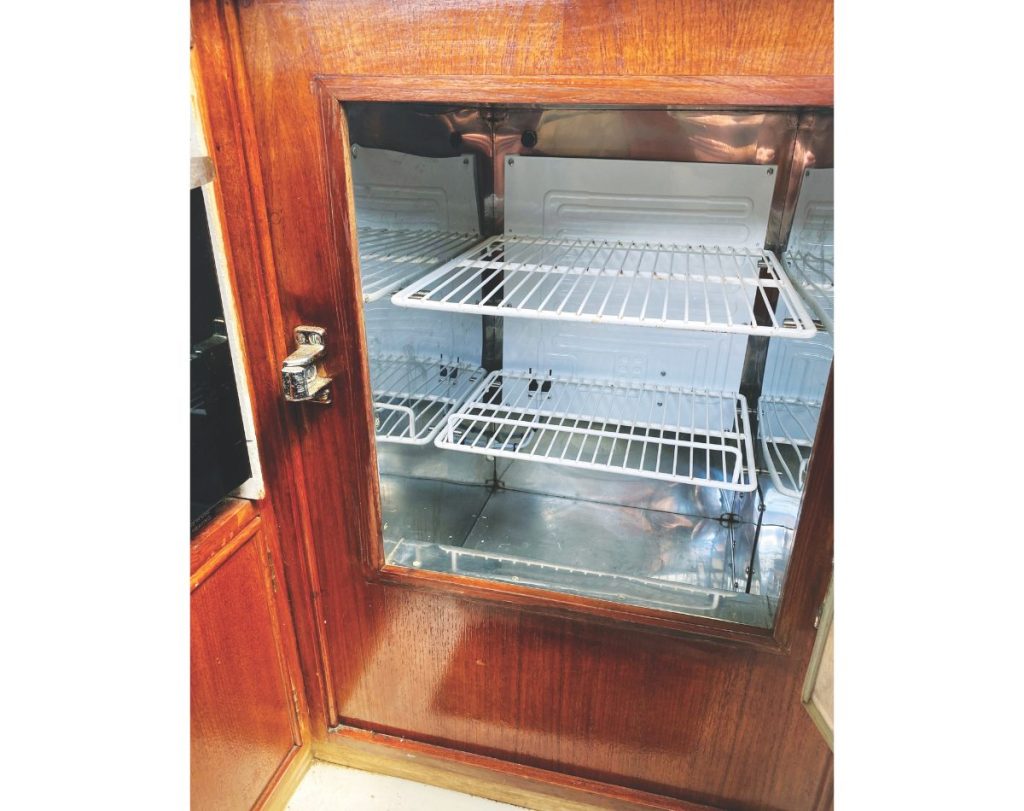
If your system is the older engine-driven type, the main issue is getting a single access hole into the existing cabinet from an area outside the cabinet. It is often best to leave the existing liquid brine, the fluid used to retain cold energy from the engine-driven compressor, in the cabinet walls.
Many owners do not realise there is a hidden ‘tank’ built into the side walls to retain this fluid. Typically, a hole is drilled near the top of the existing cabinet and an access tube inserted and glued in place to allow installation of the new evaporator plate.
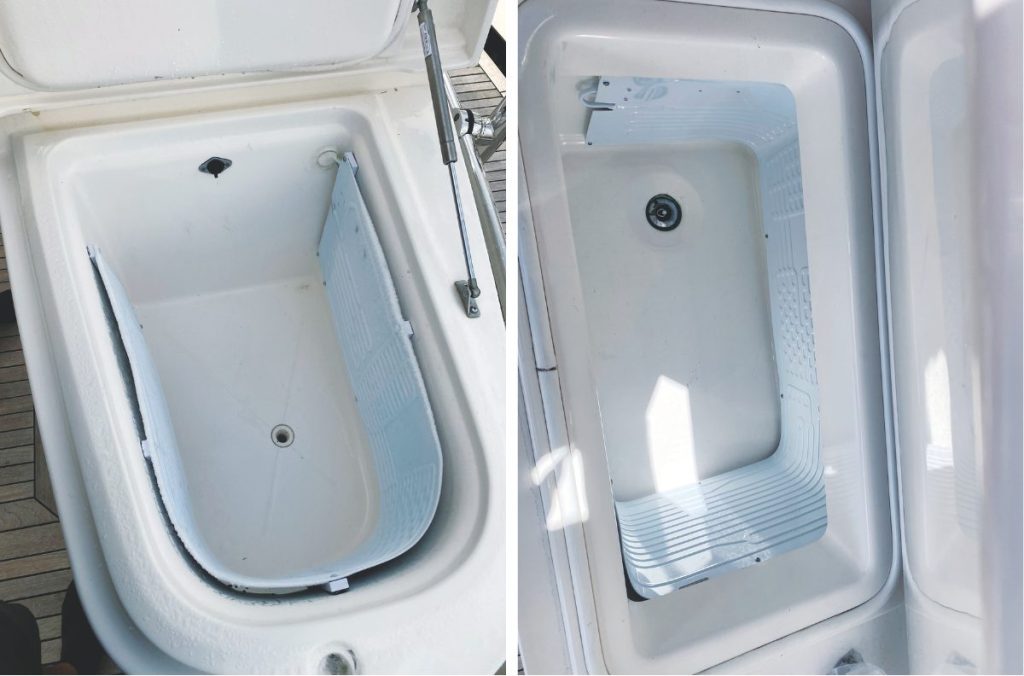
The evaporator plate is the new cooling element which absorbs heat and transfers it to the compressor. This is what makes the internal fridge or freezer cold. As the evaporator is only a few millimetres thick and spaced off the wall by around 10mm, the loss of internal cabinet space is minimal.
The compressor, about the size of a small shoebox, is usually located within 2.5 metres of the cabinet. Extension pipes can be supplied if required, or the system can be customised to suit the installation.
One of the biggest advantages of these systems is that they require almost no maintenance. Over a 10-year period this represents significant savings. Some systems installed more than 15 years ago are still running without any servicing.
Adding an optional mains power transformer allows the system to run when connected at the marina or at home on the trailer. This is as simple as adding a small power pack inline with the wiring.
If sufficient solar is installed on the boat, refrigeration can be left running permanently through summer without needing an external battery charger.
Welcome to maintenance-free, stable temperature refrigeration for your summer holidays.