A raw look at a spearfishing mission to the Three Kings Islands and the platform aiming to tell more stories like it.
Michael Campbell looked behind him as he was a third of his way into the near 55 kilometre run from Cape Reinga to the Three Kings Islands. The tip of the North Island was dropping away. Ahead lay one of the most isolated parts of New Zealand. Fifty-five kilometres puts it well beyond a relaxed Sunday boat trip. You go there only when you have a clear goal.
Reading the sea and weather charts is part of the deal. The Three Kings are exposed, remote, and dictated entirely by the conditions on the day. When Campbell and his dive partners first looked across the Kings on this trip, it was clear where the control sat. Timing, access, and even simple decisions depended on what the sea was doing.
Follow Epic Mission on YouTube at https://www.youtube.com/@EpicMissionTV.





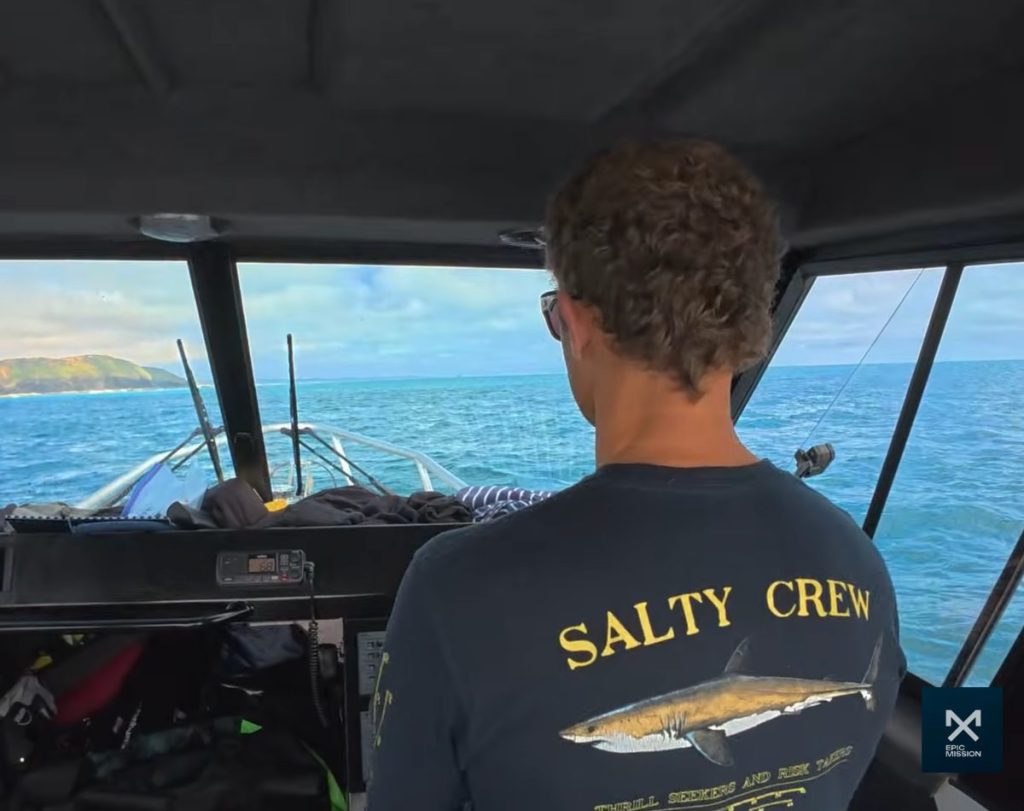
The Three Kings sit in a zone where major ocean systems converge, creating a dynamic and often unpredictable marine environment. Deep water rises sharply into steep volcanic structure, forcing currents to accelerate, wrap, and collide. Swell does not simply pass through, it rebounds off sheer rock faces and stacks in confused patterns. What looks manageable at a distance can turn chaotic up close.
For Campbell and his crew, the journey is not just a run north. This trip is a chance to get into one of the most intact fisheries in the country and document it as it unfolds. Fish life is abundant, a haven for spearfishing. The goal is to land a world record kingfish. Here, bait schools gather tightly, and kingfish move through them without hesitation.
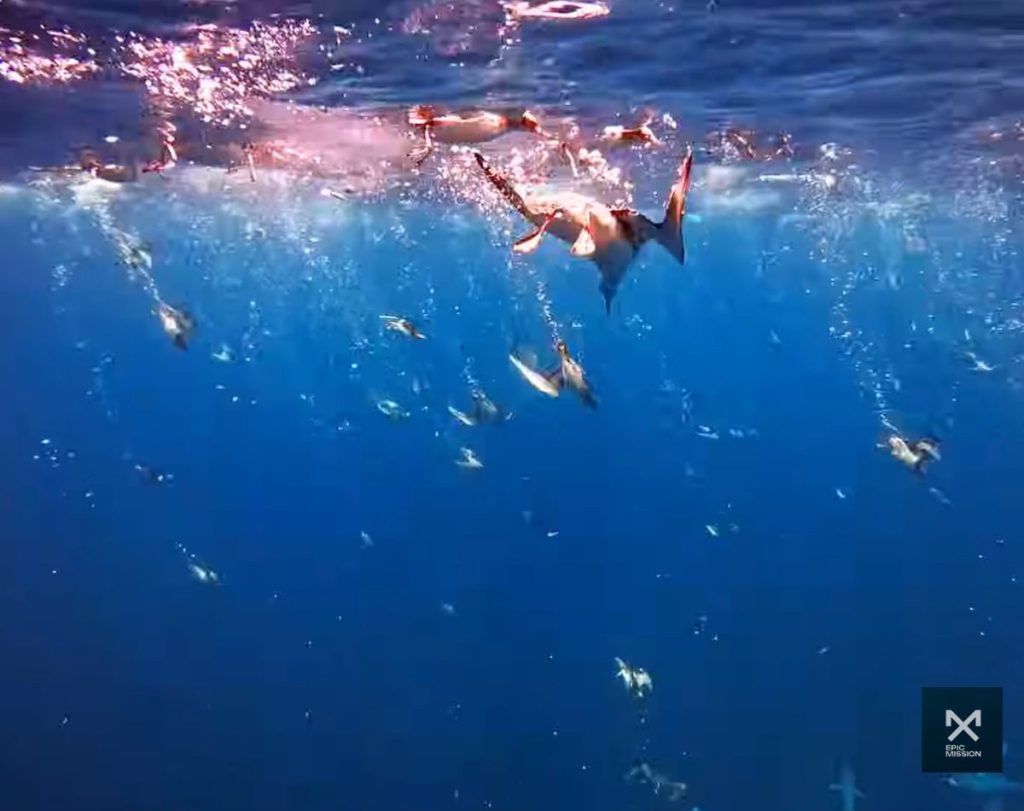
That productivity is driven by the same forces that make the place challenging. Strong current pushes nutrient-rich water onto structure, feeding dense bait schools and attracting predators. Bird life above the surface often gives the game away, with large congregations marking active feeding zones. It is a high-energy system where everything is connected, and where timing your entry matters as much as the hunt itself.
The trade off is exposure. There is no real shelter if the weather turns, and no easy way to sit things out. Campbell knows that once he commits, he will have to work with what he is given.

Yet the trip is worth the gamble.
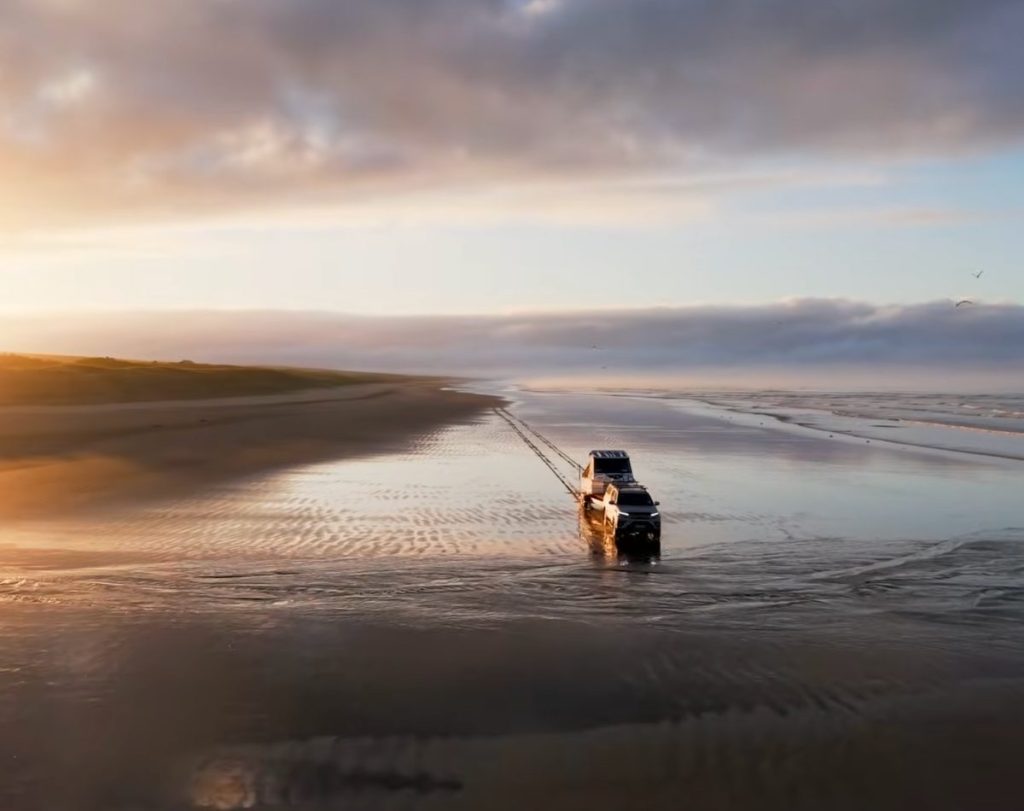
The boat, a 6.4 metre Stabicraft 2100, is well suited to the job. It is large enough to carry dive gear for three crew, and hydraulic steering helps manage tight manoeuvres in current. The hull thickness has been increased from 5mm to 6mm to settle the ride in rough water. The transom is reinforced to carry a 4 litre Yamaha V6, giving the boat the power needed when conditions build.
Electronics are centred around a Garmin 1kW transducer, used to read bait and structure. Up front, reinforced hook hitches allow for beach launching and recovery using strops.
This is a practical, robust setup built for exactly this kind of work.
Getting to the Three Kings adds another layer.
The run itself is part of the challenge. Once the crew leave the shelter of the mainland, there is no gradual transition. They move quickly into open Pacific water, where wind against tide builds steep, short seas. The further north they go, the more apparent the isolation becomes. There are no alternate ports, no easy bail out options, and very little margin for error if something breaks or conditions shift.
Once at the Kings, their focus shifts immediately to the water, and the schools of fish taking pleasure in the depths. Time is spent reading the current and working the areas where it pushes hardest as this is where the kingfish sit.
Currents push from multiple directions, and productive zones shift with them. What fires in the morning can be quiet an hour later. Campbell and his crew constantly reassess, adjusting drift lines, entry points, and pickup strategy to stay aligned with the bait.

By mid afternoon, the eskies are filling, which brings its own dilemma. Ice becomes a limiting factor quickly, especially with larger fish. They’ve caught the fish, large number in fact but the record remains out of reach.
Late on that first day, they’re disrupted. A small misread of current and swell pushes Campbell, his dive partner, and the Stabi closer to rock and whitewater than intended. The divers break away from the boat and let the current carry them offshore.
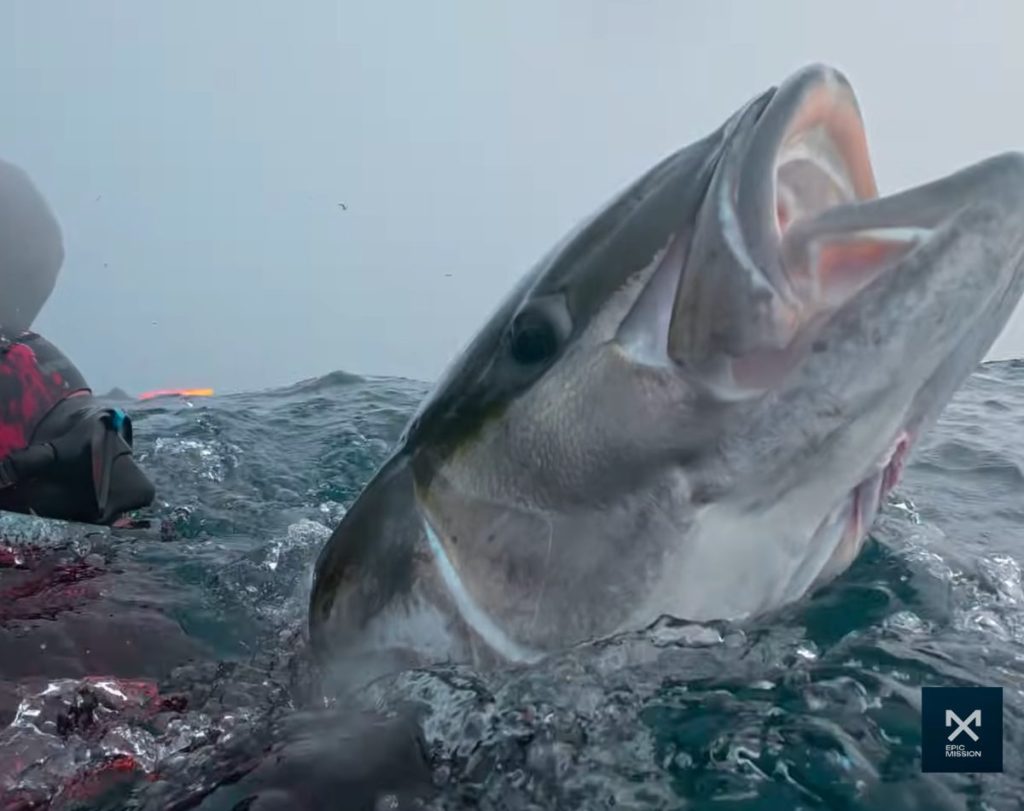
From the boat, the priorities are simple. Hold position, keep sight of the divers, and recover them cleanly. With patience and careful monitoring of systems and positioning, Campbell and his dive partner are brought back on board safely.
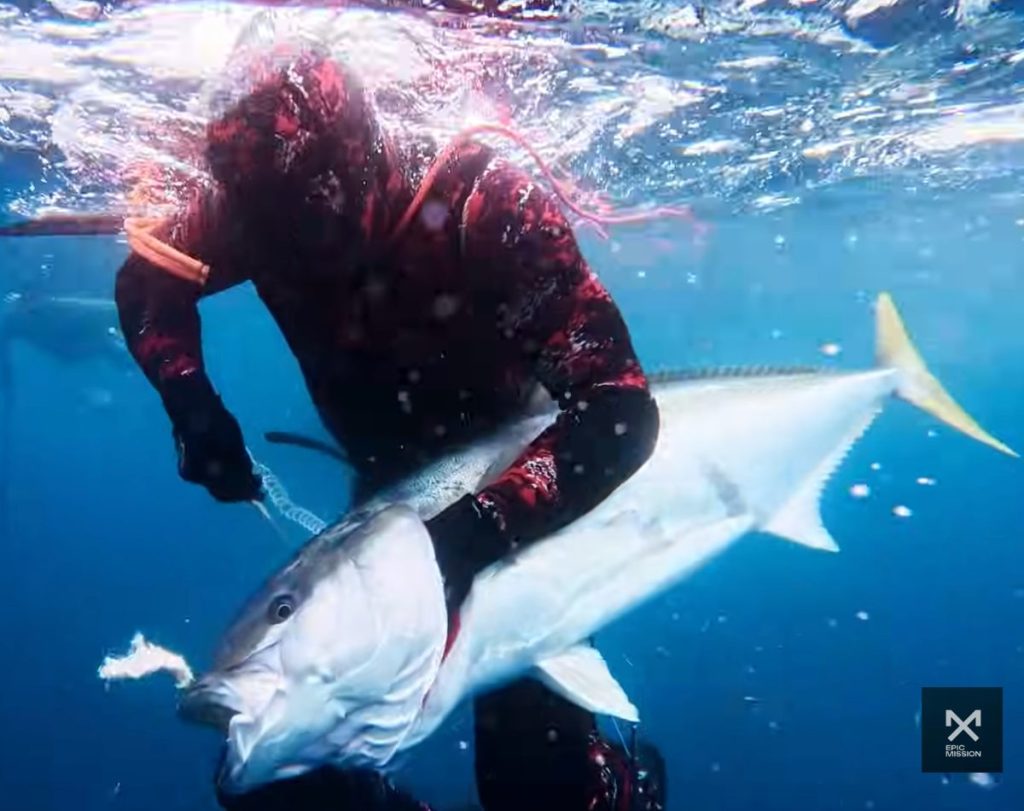
The search for a record fish continues into the next day. And finally, with patience and determination, a heavier kingfish is speared. On board, it is weighed. It is a solid Three Kings kingfish at 34kg, but still short of the mark.
Then time is up.
There is no pushing it here. When it is time to turn south, it is time to go. Another window and opportunity will come.
For Campbell, this trip documents the journey for Epic Mission, centred around inspiring and enabling ocean based adventures, from fishing and spearfishing through to diving and wider exploration.
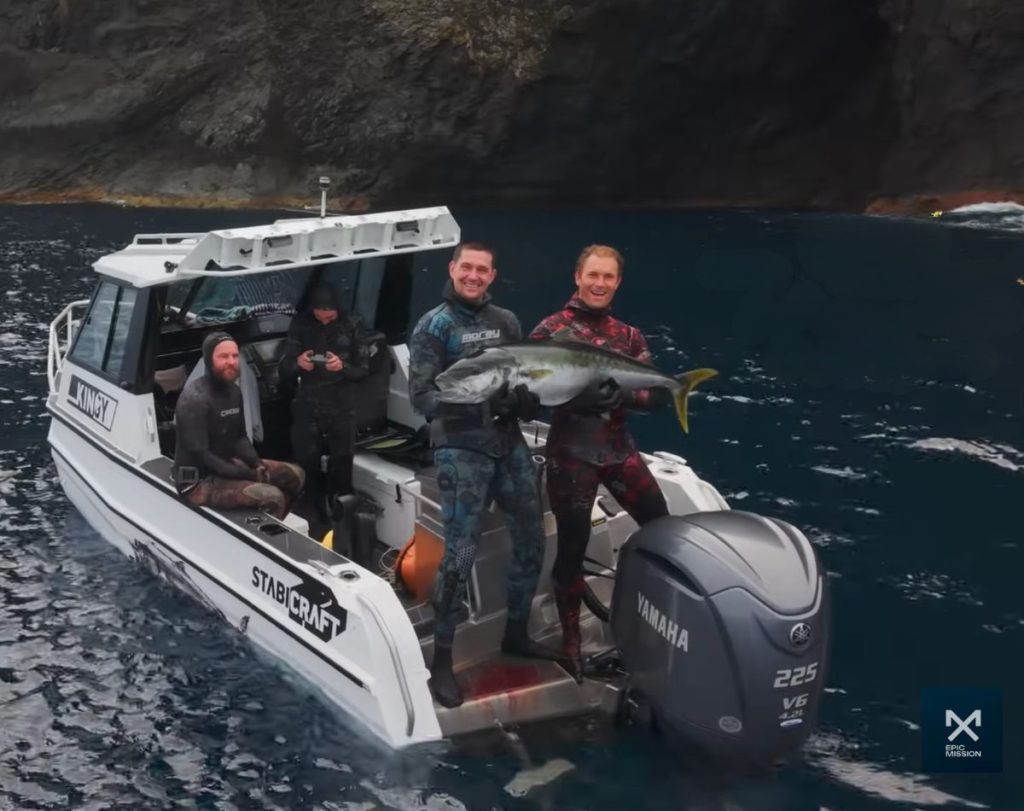
This mission to the Three Kings is one of those stories. It shows what is there, and what it takes to get amongst it. When the crew turn south and point the Stabicraft back toward the mainland, the job is done. Not because of a record fish, but because the trip has been captured for what it is.
Watch the full mission above. And follow Epic Mission on YouTube at https://www.youtube.com/@EpicMissionTV.