By romancrance3 — La Solitaire du Figaro
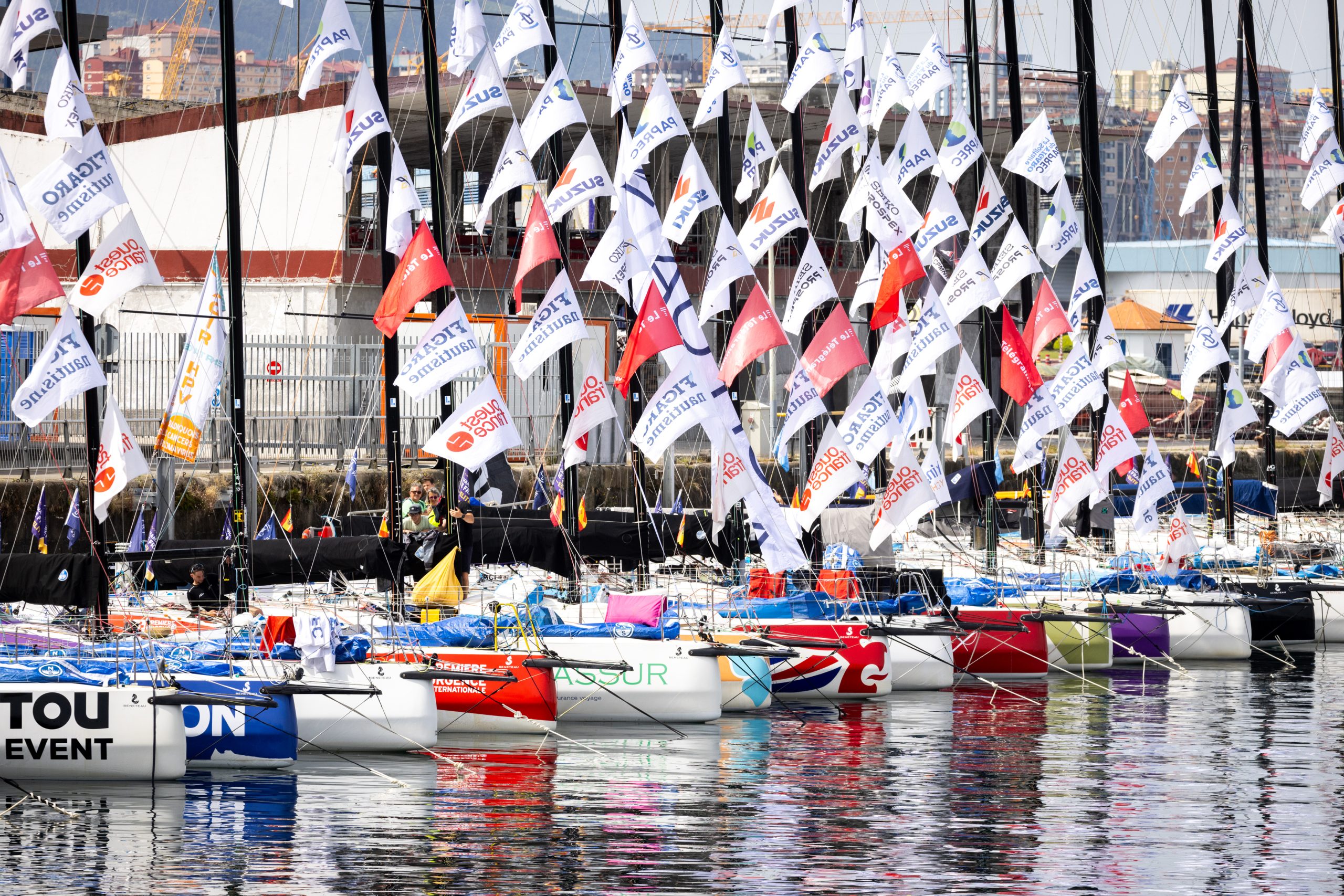
Thirty-six solo sailors will be back on the line tomorrow, Sunday 24 May, for what promises to be a deceptively tricky sprint across light and fluky conditions along the Iberian coast and into the Bay of Biscay. The fleet will depart from Vigo ria at 1600 hours, with Pornichet in Loire-Atlantique marking the finish of this second leg.
With 450 nautical miles of patchy, inconsistent breeze ahead, this stage of the 57th edition of La Solitaire du Figaro Paprec is shaping up as a real tactical minefield. While it may be the shortest leg of the series, don’t expect it to be straightforward—patience and grit will be essential to navigate the pitfalls waiting along the course.
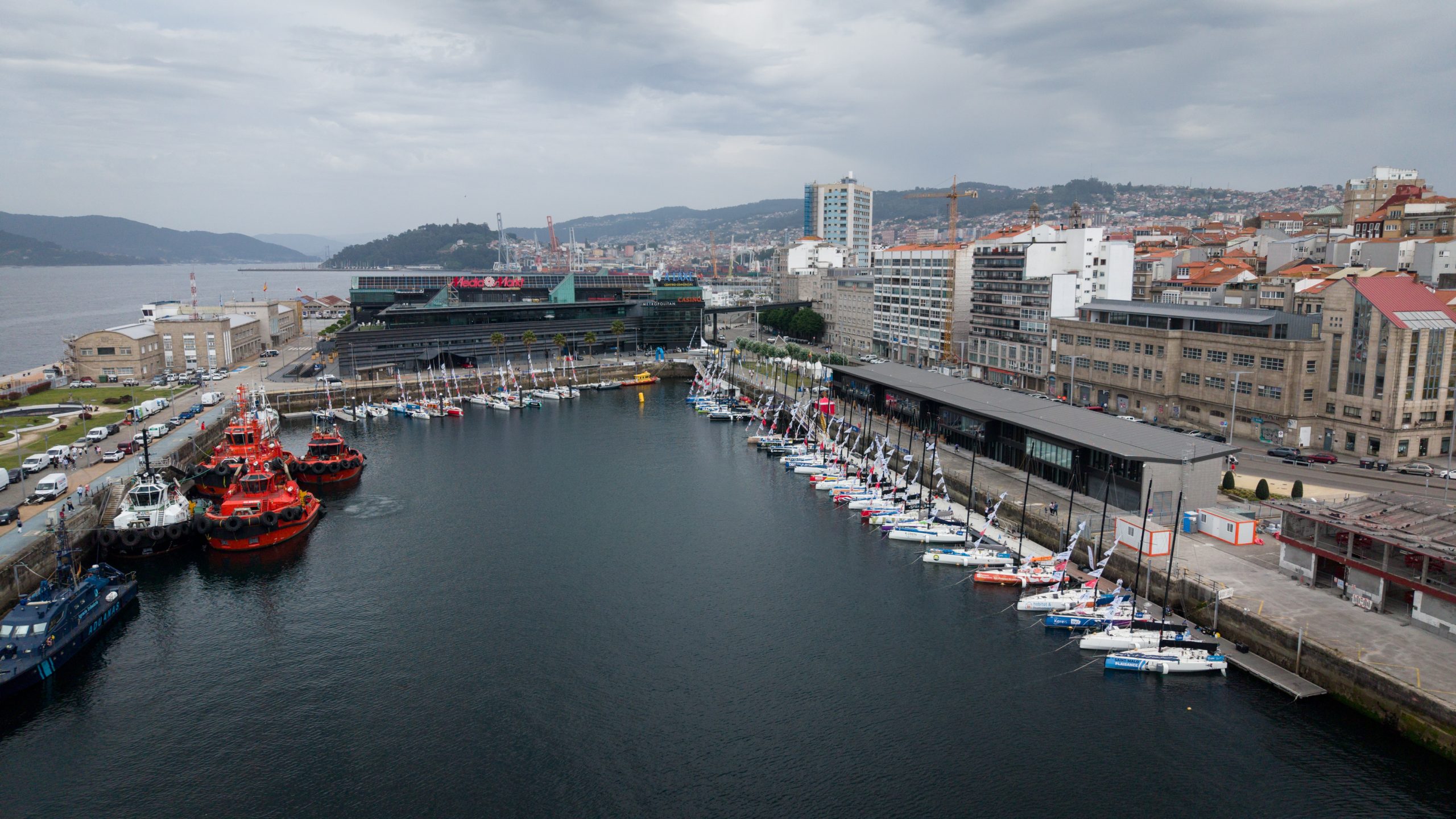
The Galician coast, notorious for dodgy weather forecasting, will test the fleet in those critical opening hours. Local effects off the Spanish coastline and thermal variations created by the steep inland terrain will keep skippers busy working through their weather strategy. Saturday’s Météo Consult briefing will be crucial.

@Vincent Olivaud
Race Director Yann Chateau’s analysis:
“We’re expecting significant air mass instability at the start. Hopefully there’ll be a light westerly thermal flow showing up on most models. We could also see isolated thunderstorm cells that’ll mess with the wind pattern. All going well, we’ll depart 1600 from the back of Vigo ria. The coastal section should take crews somewhere between 1 hour 20 minutes and 1 hour 30 minutes to the ria entrance, where they’ll go close-hauled into the wind. The spectacle should be brilliant, like last year.

Then it’s a slow grind back up the Galician coast in pretty light winds, followed by a Bay of Biscay crossing that should see north-easterlies potentially shifting later on—though the models aren’t entirely in agreement. Short on distance, but potentially long on time.”

“Does this leg create room for different tactical calls and varied approaches?”
“Absolutely. From the first night onward, crews will need to think beyond the standard weather models and textbook patterns. There’ll be all sorts of effects from Spanish terrain, diurnal and nocturnal thermal activity. I reckon this leg will be genuinely interesting. We could see the fleet spread a bit more than we’ve seen so far.”
@Vincent Olivaud
Originally published in French by La Solitaire du Figaro.